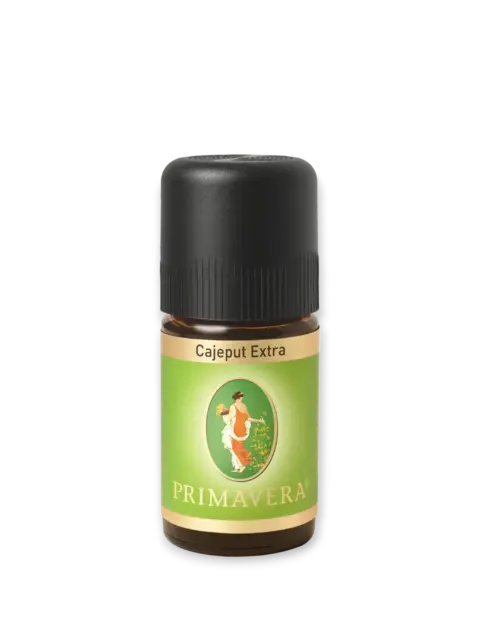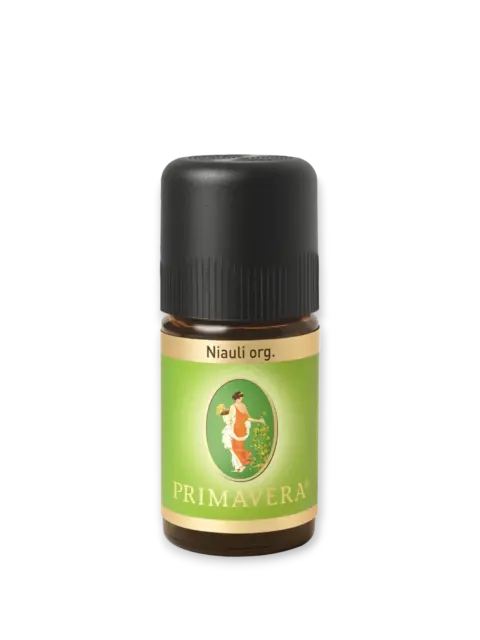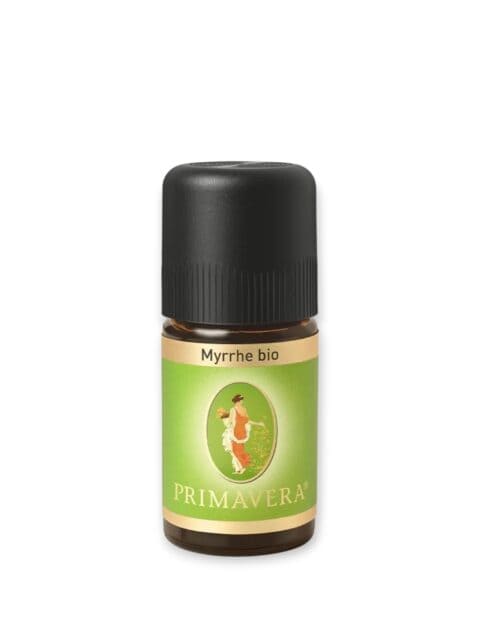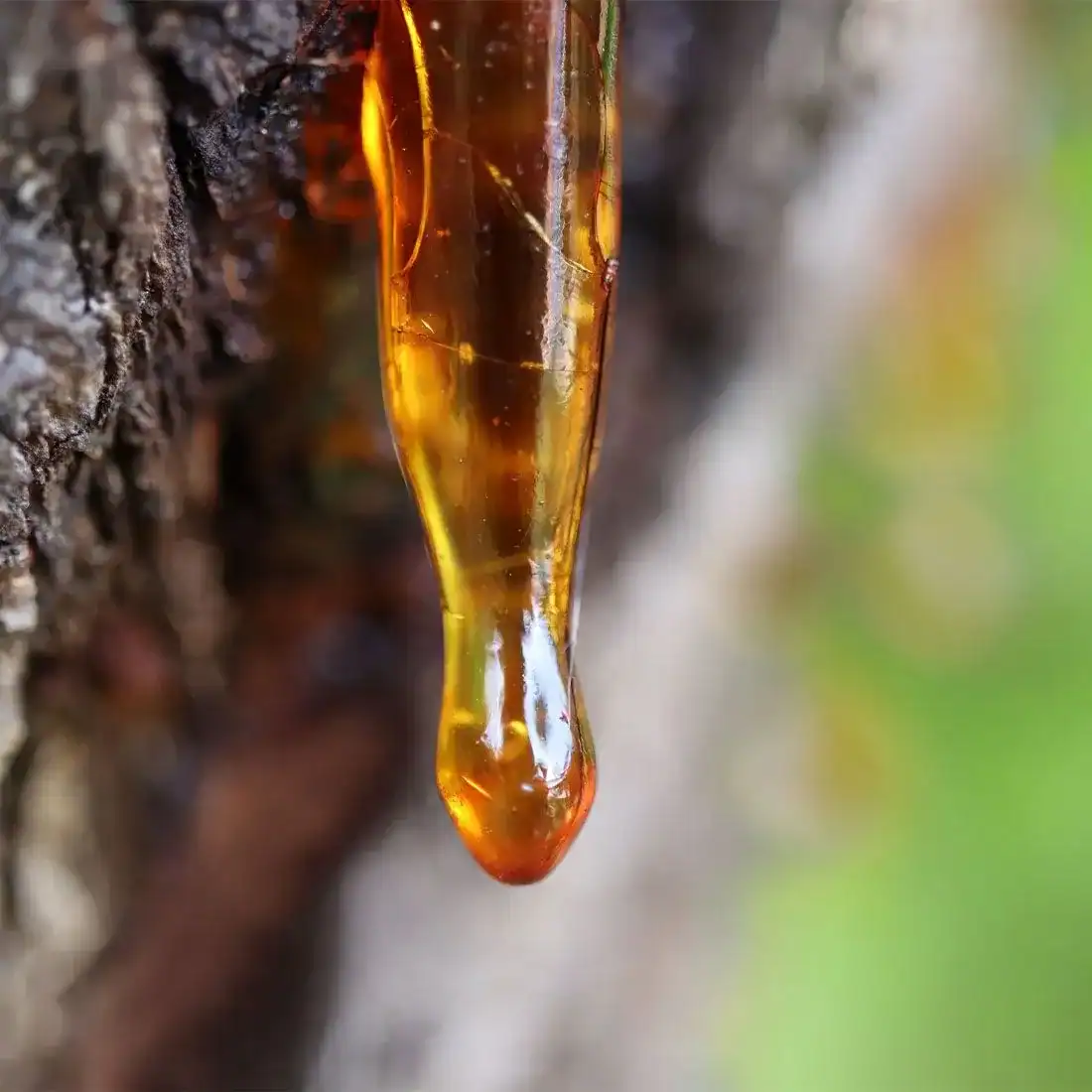
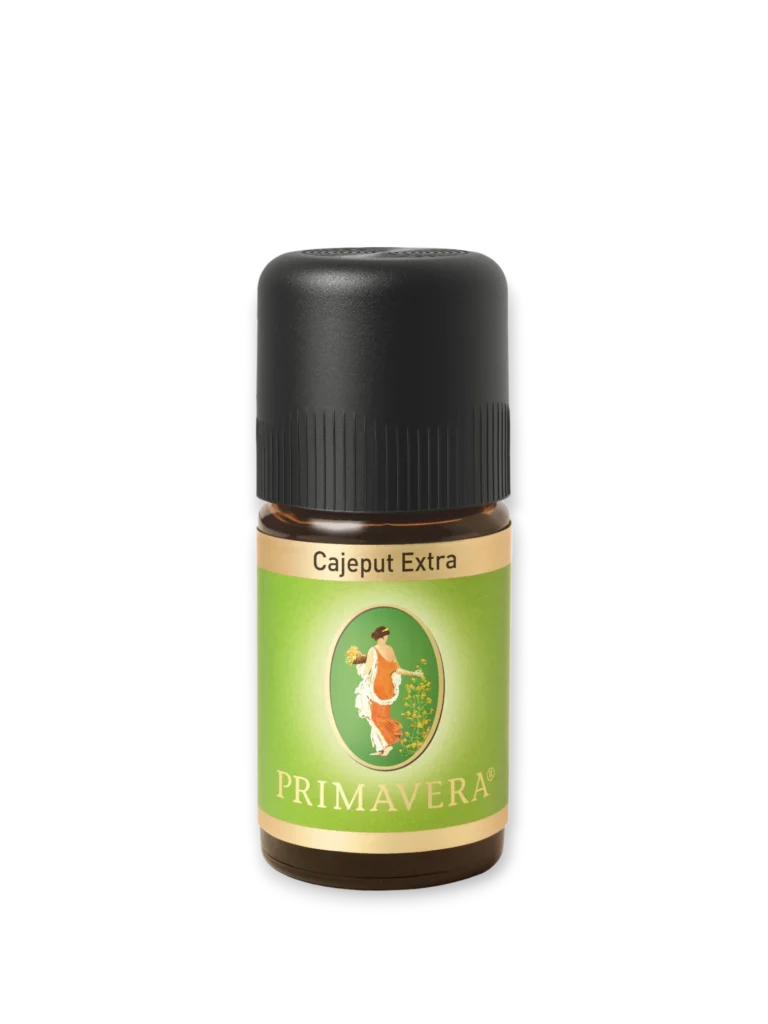
Cayenne is a popular medicinal plant for colds and, thanks to its skin-friendly properties, is often used by children and the elderly as an alternative to thyme or eucalyptus . Its refreshing, eucalyptus-like aroma has a clarifying effect, purifies the air of germs and promotes free breathing.

Harvest
From January to July, controlled wild harvesting by hand with a sickle

Part of the plant
The leaves of the tree

Extraction method
Steam distillation
Cold weather oil
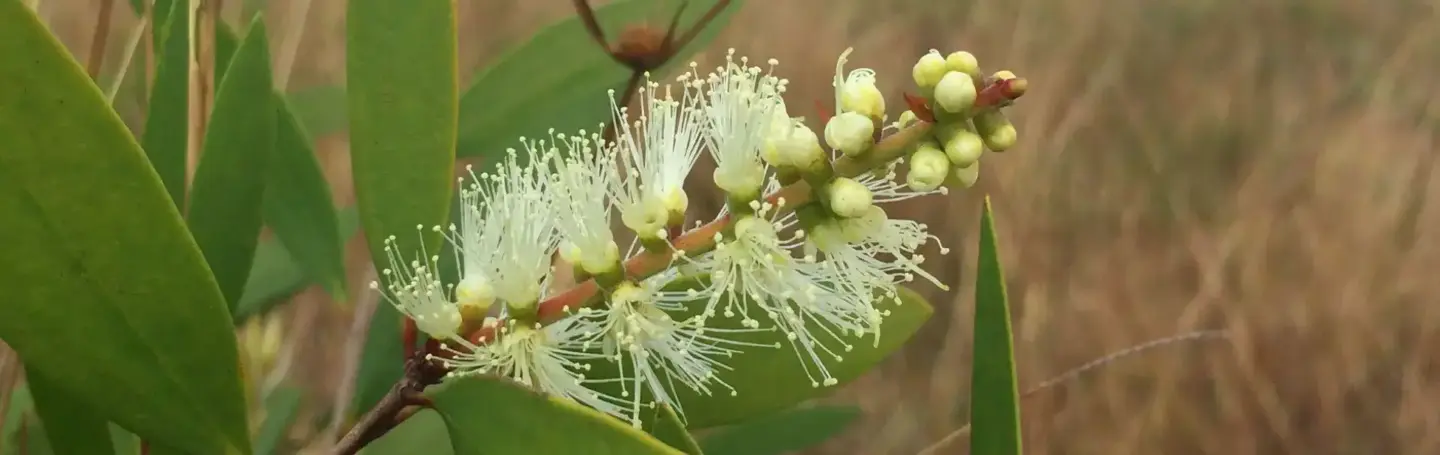
Kayaput grows mainly in Australia, Indonesia, Malaysia, the Philippines and India. The Kayaput (kajeput) tree reaches a height of 30 to 40 meters. It has thick, light, matted bark and drooping branches with long, pointed leaves. Its white, fluffy flowers emit a light eucalyptus-like fragrance. Its name comes from the Malaysian language and means "white tree" or "tree with papery bark".
Kayaput essential oil is particularly well tolerated due to its gentle ingredients. This essential oil is best known for its antiseptic and analgesic properties. It is also considered an anti-inflammatory agent, sometimes used to treat minor skin wounds, colds, and inflammatory skin conditions.
| Botanical name tea tree leucadendron var. cajuputi | Aroma profile Eucalyptus-like, fresh, spicy scent |
| family Myrtaceae (Myrtaceae) | fragrance Top note |
| Origin Australia, Indonesia, Malaysia, Philippines, India | application Expectorant, freshens and purifies the air |

Application and effect
Kayaput is often used for colds. It is particularly well tolerated in the treatment of children and the elderly. It is also very popular for painful nerve inflammations, earaches and especially acute muscle pains. Combined with the blood circulation-improving effect of the massage, it has a soothing effect on muscle, joint pain and sports injuries.
| Mental Application: with difficulty concentrating, stress-related fatigue | Psychological action: activating, constructive, stimulating concentration |
| Physical Application: for colds, cystitis, headaches, earaches, muscle and joint problems | Physical action: antibacterial, antiviral, disinfectant, anti-inflammatory, cleans the air in the room, expectorant, pain reliever |
Recipes with cayenne essential oil

Oil for a red nose
- 10 ml organic oil with Aloe Vera
- 20 ml organic jojoba oil
- 3 drops Kayaput extra
- 1 drop organic tea tree
- 1 drop organic Angelica root
- 2 drops fine lavender

Mix essential oils with organic care oils and apply to nostrils. Ideal during the cold winter months with dry air from heating. Aloe vera and jojoba oil nourish sensitive skin.
Bath salts
- 500 g of Dead Sea salt
- 25 drops Kayaput essential oil extra
- 20 drops essential oil of organic fine Lavender
- 10 drops organic thyme linalool essential oil

Mix essential oils with sea salt. Use 100 g for a bath. Thyme and lavender oil enhance the soothing effect.
Winter Fit diffuser blend
- 4 drops Kayaput extra
- 3 drops bio Niauli
- 2 drops organic Palmarosa
- 2 drops organic tea tree
- 3 drops organic Myrtle
- 1 drop organic sage tea
Drop essential oils directly into an aroma lamp, diffuser, or aroma stone. Myrtle and sage oils are perfect complements to immune support.
Strengthening blend for diffuser
- 4 drops organic Swiss pine
- 3 drops organic Kayaput extra
- 4 drops organic Lemon
Drop essential oils directly into an aroma lamp, diffuser or aroma stone. Swiss pine and lemon oil invigorate and purify the room atmosphere.
Conclusion
The information in this article is for educational purposes only and is not intended to serve as a basis for prevention or treatment.
Ð ~ Ð · Ñ, Ð ¾ Ñ ‡ Ð ½ Ð ¸ Ð º: https://www.primaveralife.com/wissen/pflanzenglossar/cajeput
Photos: Primavera Life
More interesting articles from the blog
- Siberian Fir Essential Oil – Benefits and Uses
- Swiss Pine Essential Oil – Benefits and Uses
- Thyme essential oil – benefits and uses
- Myrtle essential oil – benefits and uses
- Essential oils – uses and benefits in aromatherapy