

Humanity has been using essential oils for healing for nearly 6,000 years. The purpose of their use has always been to improve and harmonize a person's emotional, physical and spiritual health. In aromatherapy, only pure and natural plant raw materials are used to make essential oils, hydrosols, carrier oils or extracts.
What exactly is aromatherapy?
Aromatherapy uses essential oils to improve emotional, mental and physical health. Uses natural plant extracts to promote health and well-being. Sometimes called essential oil therapy.
It applies knowledge of the scientific aspects of plants and oils equally, and combines them with art to produce the miraculous blend. There are various applications, the most popular of which are:
Local application
- Massage with a combination of base and essential oils
- Ointments
- Body oils, creams or lotions for topical application
- Bath salts (body scrub, bath salts)
- Hot and cold compresses
- Masks with clay and essential oils
Application by inhalation
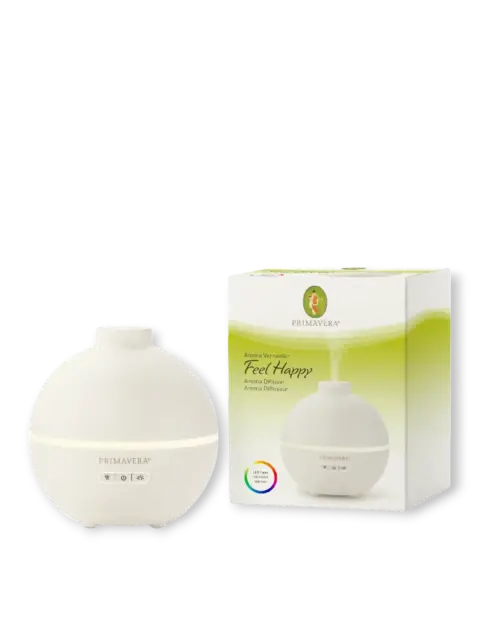
- Diffusion with aroma diffuser or an aroma lamp
- Steam bath
- Different inhalations
- Aroma sprays for room.
It is important to note that the internal use of essential oils is essentially a branch of aroma medicine and their application in this way is recommended only by an experienced and qualified aroma therapist (in Bulgaria, there is still no controlling and certifying body that certifies this qualification, for this reason we do not recommend the uncontrolled internal use of essential oils). The use of products for internal use must be professionally formulated for this purpose - for example, capsules or tincture mixtures containing highly diluted essential oils.
When using essential oils, it is important to follow the instructions and advice of aroma professionals. We must know that “natural” products can also be dangerous if we do not apply them correctly. That is why we have described the most basic rules and tips for the correct and safe application of aromatherapy at home, which you can read on our blog Meloncello. You can learn in what concentration and in what cases essential oils can help improve your health and general mental state.
It is also important to be clear that Aromatherapy is a complementary therapy. It does not provide a cure for disease, but can support conventional treatment of various conditions.
With this article, we want to help you tap into the magical power of nature and understand how to safely use it in your everyday life.

A Brief History of Aromatherapy
Aromatherapy has been practiced for thousands of years and originates from the ancient societies of the East - China, India and even Egypt. Also known is essential oil therapy, a holistic approach to promoting health and well-being. This is the practice that uses aromatic essential oils to improve the state of body, mind and spirit.
The roots of aromatherapy can be traced back more than 3500 years BC. AD In fact, the history of aromatherapy is linked to the development of herbal medicine, which in its early days was itself closely related to religion, mysticism, and magical rituals. It is known that the ancient Egyptians first burned incense made from aromatic woods, herbs and spices in honor of their gods. They believed that when the smoke rose to the heavens, it would carry their prayers. The discovery of aromatic substances in nature as medicines would create the foundations upon which aromatherapy was built.
The Yellow Emperor's Classical Chinese Medicine is the oldest surviving medical book in China. This remarkable text contains information on the properties of over 300 different plants and their medicinal uses. It has been suggested that Chinese culture probably preceded Egyptian culture in its knowledge of plant medicines. Although other civilizations in India and the Americas also used scents for healing, those in the Middle East and China have left us the most well-preserved and detailed records.
So, in this rich and ancient history, modern aromatherapy introduces terms that are not always understandable to the average amateur. Below we will try to briefly explain some of them.
Since ancient times, aromatic plants have been used in various ways - for perfumery or for treatment. These have taken many forms, such as cold-pressed oils, extracts, floral waters, and distilled oils.
The ancient Egyptians revered fragrance in many forms, as cosmetic, medicinal and as part of their religious practice. The ancient Romans saw fragrance as a status symbol in society. Much of Rome's high society used plants such as lavender and rose in their daily lives. The Romans helped spread the knowledge of aromatic plants in the Roman Empire to places such as Britain, leading to the widespread use of aromatic plants in medieval Europe.
The modern term aromatherapy, or aromathérapie , as it is known in French, was coined by French perfumer and chemist, René-Maurice Gattefossé in 1937. He is best known for an incident in which he accidentally burned his hand in a laboratory and dipped it in lavender oil. To his surprise, his hand healed faster than expected and left no unsightly scars.
Today, the practice of aromatherapy involves the use of essential oils, hydrosols, and carrier oils to improve overall health. Aromatic oils and waters are used for their therapeutic properties to heal the mind, body, and spirit, returning the body to a state of emotional balance.
What exactly is an essential oil?
Essential oils are concentrated volatile aromatic compounds of plants that typically consist of terpenes, sesquiterpenes, esters, aldehydes, ketones, alcohols, phenols, and oxides. In other words, the aromatic compounds of the plant are separated to create an "oily" substance. We should clarify for the most discerning of professionals that technically essential oils are not oils in the true sense of the word (oils such as When diluted in a carrier oil, their molecular structure allows for rapid absorption through the skin and faster entry into the bloodstream.
Essential oils are usually extracted by steam distillation. Generally speaking, the plant (raw material) is placed in a large cauldron of water and boiled. The escaping vapors carry the aromatic compounds through a system of pipes. When the steam cools, it turns into water and collects in a tank, while the essential oils are drained into a separate container. The collected water is known as hydrosol and contains traces of essential oil and other components of the plant.
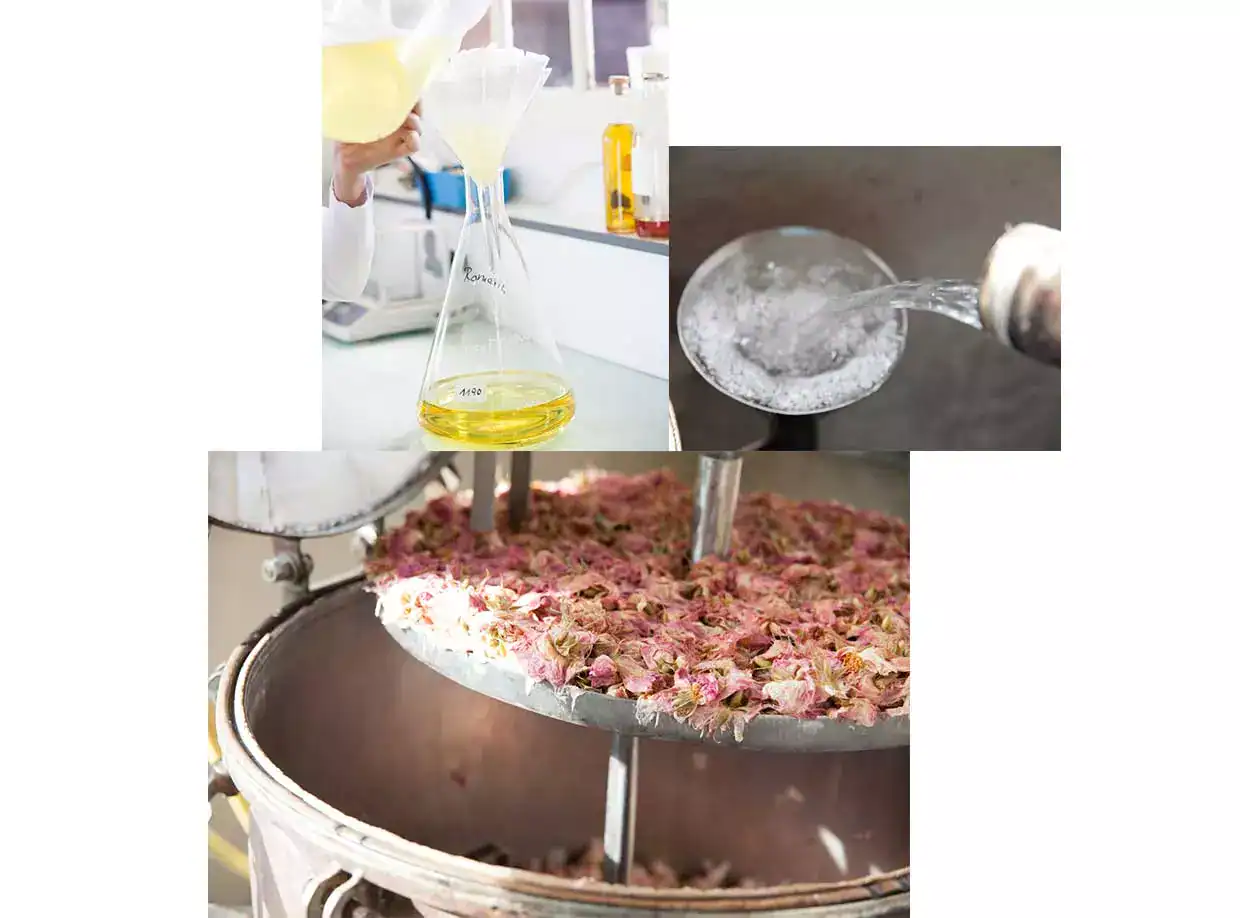
Essential oils capture the "essence" of the plant, through distillation or mechanical (cold) pressing. Essentially, these oils are concentrated extracts that retain or enhance the aroma and effect of their source. Oils from different plants, or different parts of the same plant, can have very different chemical compositions, which can change their aroma, absorption, and effect on the body and mind.
A number of essential oils have been found to have varying degrees of antimicrobial activity and are believed to have antiviral, antifungal, insecticidal and antioxidant properties. Aromatherapy applications include massage, topical applications, and inhalations.
How to apply aromatherapy at home?
Essential oils are usually applied by diffusing with an aroma lamp or diffuser. You can apply them topically to the skin, only if they are properly diluted in a base oil, through massage, through various healing ointments or cosmetic products for the face, body and hair. Here's how you can get the most out of their beneficial properties.
Application by inhalation
Essential oils are evaporated into the air using a diffusion vessel, most often containing water. Drops of essential oil can be inhaled in a steam room, sauna or when taking a hot bath.
- Diffusing – For room aromas, add 4-6 drops to a 100ml aroma lamp or diffuser. A proportional amount is applied to larger capacity diffusers. It is recommended to take a break every half hour in closed rooms. For best effect, follow the instructions for use of the diffuser you purchased.
- Inhalation – Another way you can directly absorb the beneficial properties of oils. In the organic store MaKaSa, you can find personal inhalers, which by dripping on a cotton swab, you can relieve bronchitis, stuffy nose or other health ailments. There are also ready-made inhaler mixtures, we recommend those of the German aromatherapy company Primavera.
- Aroma room spray - only a few sprays are needed to achieve the desired state of mind
In addition to having a pleasant aroma, the oils can help relieve pain in the respiratory tract, reduce nasal congestion in the upper respiratory tract, and also help improve our mental health - they soothe, have a beneficial effect on general malaise, fatigue, depressive states and stress.
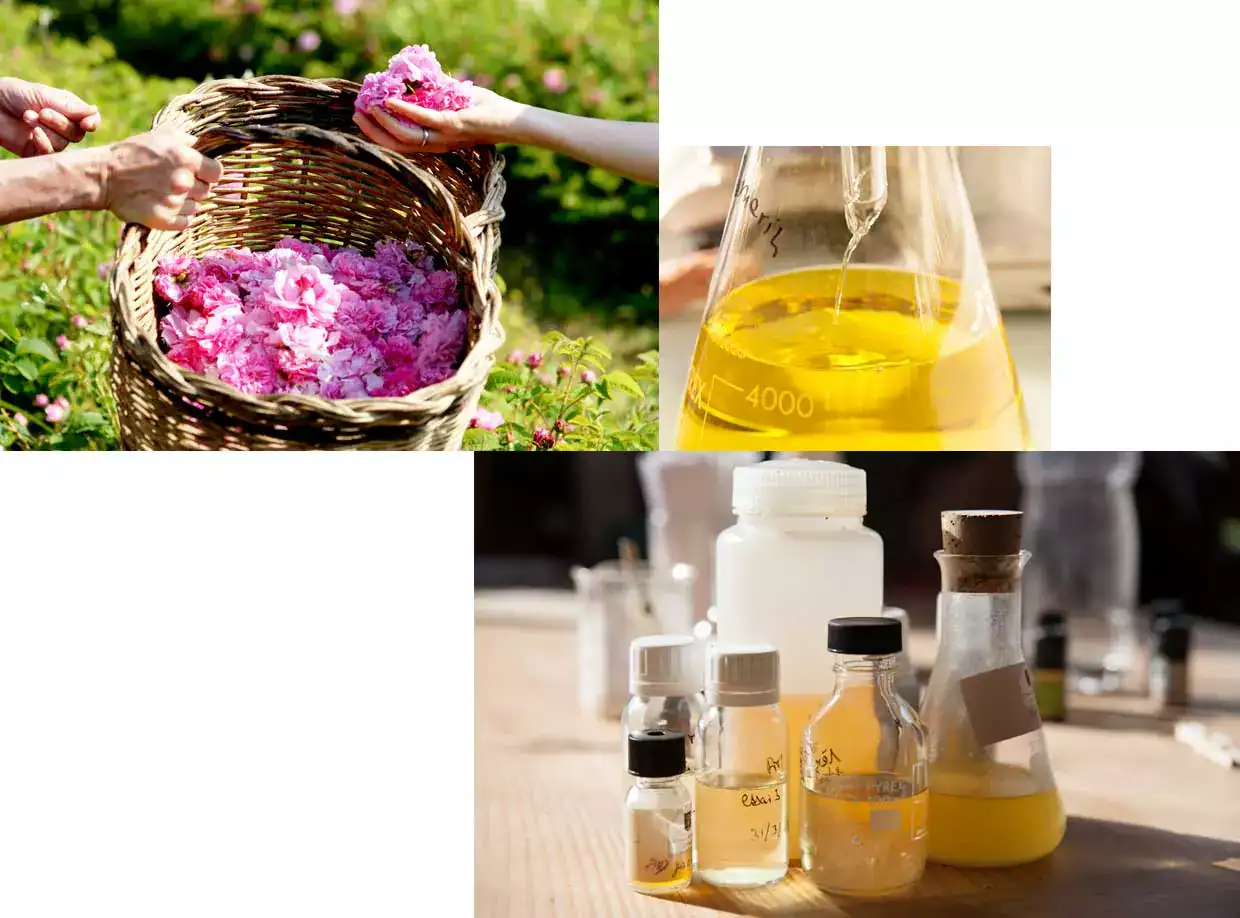
Local application
Essential oils are never applied directly to the skin!
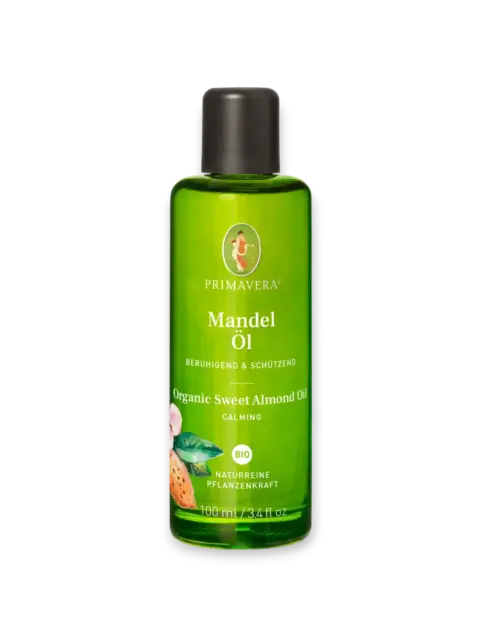
They should always be diluted with base/vegetable oil. Usually, the concentration of a few drops of essential oil is added to 30–50 ml of base oil. The most common base oils are sweet almond, jojoba, shea butter, coconut, olive, grape seed, apricot kernel, and many others. Massage oils and bath products are absorbed through the skin. Massaging the area where the oil is to be applied can increase circulation and increase the absorption of the oils more effectively.
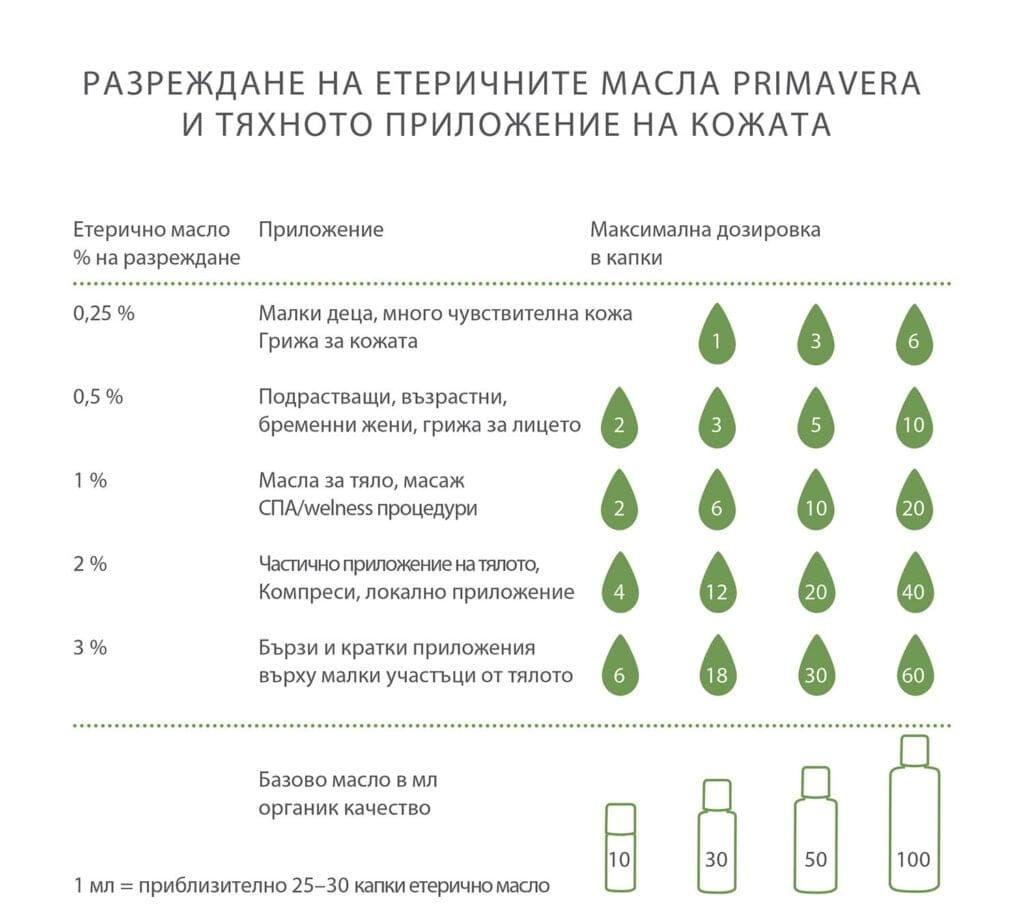
- Facial care cosmetics: Take a natural cosmetic base - base/vegetable oil or floral water, add up to 1% essential oil content and mix the mixture well. A little below you will also find a table with which you can easily navigate the dilution percentages.
- Body care cosmetics: Take a natural cosmetic base – base/vegetable oil or floral water, shower gel, shampoo and add up to 2% essential oil content. Mix well.
- Body Massage Oil: Take a pure carrier oil (fractionated coconut oil or another oil in a more liquid form) and add 2% essential oils of your choice. Mix well.
- Aromatherapy bath: Add 4-6 drops of essential oil to 20 ml of carrier oil, pour the resulting mixture into a bath of warm water and stir vigorously.
Properties of some of the most popular essential oils
- Lavender (Lavandula angustifolia). Lavender is considered to be the most useful and versatile essential oil. It is used as an analgesic, antidepressant, antirheumatic, antispasmodic agent. The scent of lavender, which you can diffuse before going to bed, can have a beneficial effect on a more restful sleep.
- Tea tree (Melaleuca alternifolia). Universal antiseptic! It is used to fight infections and boost immunity.
- Mint (Mentha piperita). The oil is good for the nervous system, its action is known to calm nerves, irritation and anxiety. Its main ingredient, menthol, is also used in pharmaceutical preparations.
- Eucalyptus (Eucalyptus globulus). Fantastic for skin irritations as well as burns, blisters, superficial wounds, insect bites and skin infections. It relieves the general condition, through inhalations during colds and flu. It has properties that relieve sore muscles and joints.
- Immortal (Helichrysum italicus). It helps prevent infections, has antimicrobial and anti-inflammatory properties.
- Incense (Boswellia carterii). An extremely valuable product in perfumery and aromatherapy. It reduces the damage done to our body by free radicals.
- Rigan (Origanum vulgare). It relieves pain and inflammation and strengthens the immune system. It increases the flexibility of joints and muscles and has a beneficial effect on the respiratory system. It is used in cosmetic products against nail fungus and acne. Strong antioxidant, helps against free radicals.
- Sweet orange (Citrus sinensis). It helps with better digestion, a strong aphrodisiac, due to its sweet aroma. It improves the general condition in cases of depression and stress, has a tonic effect on the circulatory system. It has a good effect on both colds and flu conditions.
- Lemon (Citrus lemon). The most popular oil with antibacterial properties. Lemon is recognized for its cleansing properties. An excellent ingredient for cleaning products.
- Mandarin (Citrus reticulata). Tangerine has a calming effect on the central nervous system. Helps with indigestion and hiccups.
- grapefruit(Citrus paradisi). Aromatherapists use it to relieve muscle fatigue and stiffness, as well as to relieve nervous tension. It is also known for its properties to reduce the desire to eat. Purifies oily and acne-prone skin, as it is an aesthetic regulator of sebum.
- Bergamot (Citrus aurantium bergamia). It has powerful properties that improve overall health. It can be used to relieve depression, stress, tension, fear, psoriasis, eczema. It has antiseptic, sedative, analgesic, antidepressant and antibacterial properties.
- Roman chamomile (Chamaemelum nobile). The use meets a wide range of application. It is often used in cosmetics, but also as a bath additive. Aids in toning as well as relieving stress and anxiety. It has an antiseptic effect on wounds, ulcers, eczema, gout, skin irritations, neuralgia, sciatica, rheumatic pains. It works well for inflammation of the skin, bacterial skin diseases, including those of the oral cavity and gums.
- Sandalwood (Santalum spicatum). Sandalwood essential oil is believed to create an exotic, sensual mood and is a strong aphrodisiac. It is also widely used in the perfumery industry. In aromatherapy, sandalwood is used to relieve bronchitis, chapped and dry skin.
- ROSE OIL (Rosa Damascena). This is one of the most expensive essential oils due to the huge amount of rose petals required to produce the oil. In aromatherapy, the oil has an extraordinary ability to calm and uplift the mood and is an excellent aid for stress and depression. Useful for all skin types, but it is especially suitable for sensitive and dry skin, as well as for anti-ageing procedures
- Geranium/Indrishe (Pelargonium graveolens). Geranium relaxes the nerves and calms anxiety. It helps you to be focused and calm. It has a sweet, floral, rose-like fragrance. Geranium oil is a great air purifier of toxins.
- Ylang-ylang (Smelly cananga). Ylang-ylang is a "hot oil" and its application should be diluted very well. Its sensual aroma invigorates and brings joy. It is suitable for all skin types, regulates skin sebum and acts soothingly, smoothing wrinkles.
- JASMINE (Jasminum grandiflorum). Known for its distinctive exotic floral and sweet fragrance. A powerful aphrodisiac to increase feelings of love and sensuality. In addition, it is used to energize the senses and create a positive atmosphere, has a good effect on nervous tension and anxiety.
Inhaling essential oils especially stimulates our olfactory system. Molecules that enter the nasal cavity or through the mouth pass to the lungs and from there to the rest of the body. By the time they reach the brain, they affect the limbic system, which is related to emotions, heart rate, blood pressure, breathing, memory, stress and hormonal balance. In this way, essential oils can have a subtle yet holistic effect on the body.
Dilution of essential oils
We already know that essential oils should not be applied directly to the skin undiluted as they can cause rashes, burns and more dangerous side effects. This is why carrier oils are so important – they ensure the safe application of essential oils to your skin.
Deciding on the percentage of essential oils in a blend that you will prepare yourself will take into account your age, what you will be using the blend for, which oils will be included, skin sensitivity, and other health concerns.
Note that the guidelines described below are general and there are other characteristics to consider as well.
Some essential oils have a maximum percentage to which they must be diluted because they are more irritating or contain ingredients (natural chemical components) that must be used with care. Sometimes you can meet them under the name "hot oils". For example, lemongrass should not exceed a concentration of 0,7% in the mixture, cloves should not exceed 0,6%, etc. Therefore, it is important to know the characteristics of each essential oil you use.
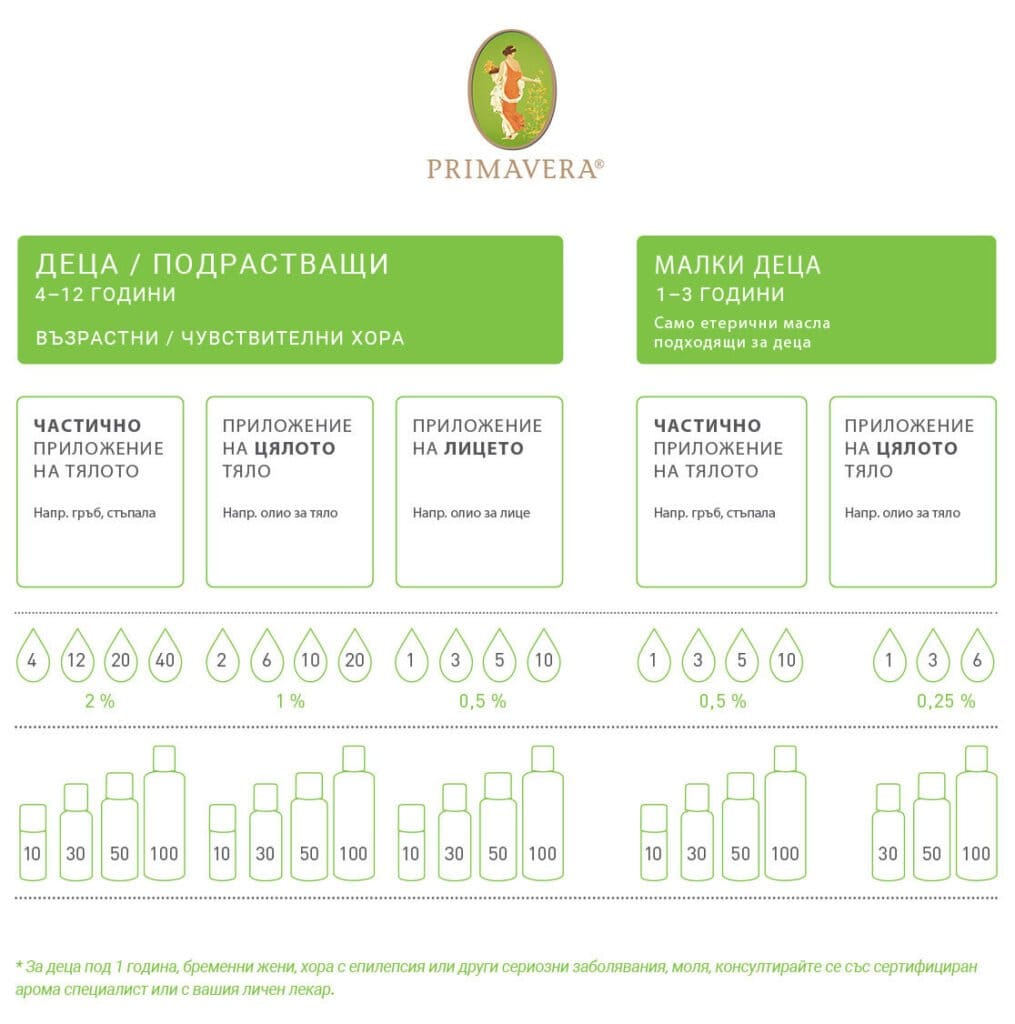
Generally speaking, a 1% dilution would mean one drop of essential oil for every 100 drops or so of carrier oil. Essential oils are made up of hundreds, if not thousands, of different chemical constituents that make up the total oil. It's these different ingredients that give essential oils their "magical powers," but also what makes them potentially dangerous.
- 0.5% solution - suitable for children from 6 years of age, as well as for places with thin and delicate skin, such as the eye contour.
1 drop of EM per 10 ml of base oil
2 drops of EM per 20 ml of base oil
3 drops of EM per 30 ml of base oil
5 drops of EM per 50 ml of base oil
6 drops of EM per 60 ml of base oil
10 drops of EM per 100 ml of base oil
- 1% solution – suitable for people with sensitive skin, older people and people with minor health problems.
1 drops of EM per 5 ml of base oil
2 drops of EM per 10 ml of base oil
3 drops of EM per 15 ml of base oil
4 drops of EM per 20 ml of base oil
6 drops of EM per 30 ml of base oil
10 drops of EM per 50 ml of base oil
12 drops of EM per 60 ml of base oil
- 2% solution – suitable in most situations for healthy adults.
2 drops of EM per 5 ml of base oil
4 drops of EM per 10 ml of base oil
6 drops of EM per 15 ml of base oil
8 drops of EM per 20 ml of base oil
12 drops of EM per 30 ml of base oil
20 drops of EM per 50 ml of base oil
24 drops of EM per 60 ml of base oil
40 drops of EM per 100 ml of base oil
Quality of essential oils in aromatherapy
In order to purchase quality essential oils that are best suited to your specific needs and budget, there are a number of important factors to consider. Below we have collected the most important tips to follow when comparing essential oils.
To begin with, in the MaKaSa store you will find only high-quality, pure products from reputable producers of essential oils for aromatherapy. Buying online from MaKaSa gives you the opportunity to shop from certified global and Bulgarian companies that are experts in the proper bottling and packaging of their products.
When shopping for essential oils, look out for words like "fragrance oil" or "perfume oil." These words indicate that what they are presenting to you is not pure essential oil, but most often combinations of essential oils and synthetic chemicals, or just plain synthetic chemicals with a fragrance. It will be easy to find your way - there is no such thing as watermelon, melon or biscuit-scented essential oil.
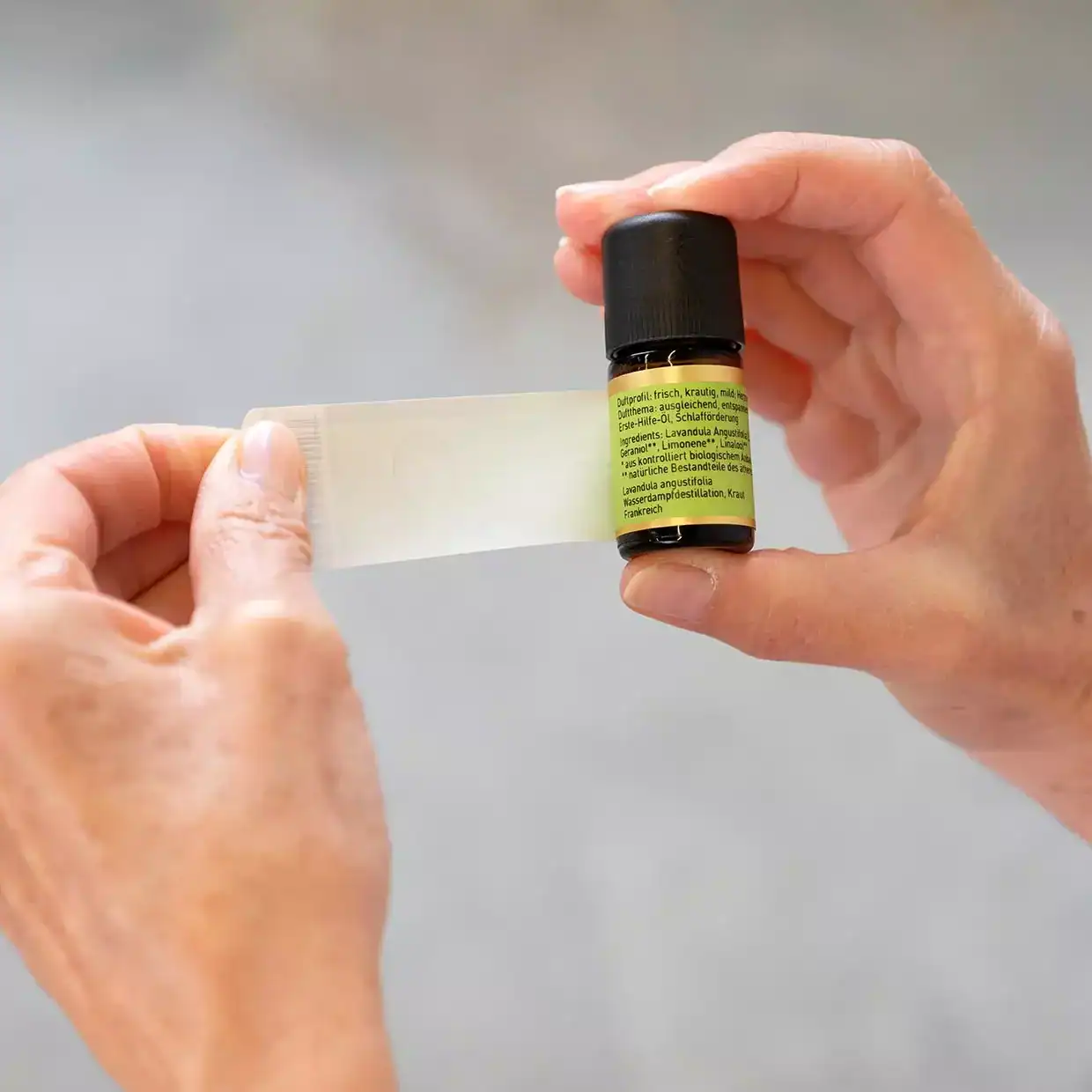
Be wary of companies promoting their essential oils as "therapeutic." There is no worldwide regulatory body that classifies or certifies essential oils as "therapeutic." This is done solely for marketing purposes - more sales. The term "pure essential oil" or "100% pure essential oil" is used in the aromatherapy industry. Therefore, check if it is present on the label of the oil you buy. However, keep in mind that this is not a guarantee that the product you are purchasing is of pure origin. High-quality essential oils are bottled in a dark glass bottle and are most commonly found in 5 or 10 ml.
Avoid buying oils whose labels do not list the essential oil's botanical name (Latin name), country of origin, or extraction method. Botanical names are important because of the properties of the essential oil itself. The country of origin of the raw materials is also important, because of the climate and soil conditions that can affect the properties of the oil.
The quality of raw materials used by different companies often determines the price of the final product. Transport costs, the type of extraction, etc. are also important. So don't be surprised that you can find the same essential oils at different prices. It is important that the labels contain information about the botanical name of the plant, the country of origin, the method of extraction, the expiration date and that they are in a dark, opaque glass bottle.
Storage rules
When storing essential oils, it is important to be aware that light, heat, and oxygen can affect the integrity of the oil. Products should come from a reliable source, and should be certified by the appropriate authority in the specific country to ensure their quality. Carefully following the instructions reduces the risk of compromising your health. You can read more about storing essential oils here.
Safety rules
Some beauty and household products, such as lotions, makeup, and candles, contain ingredients that may appear to be essential oils, but are actually synthetic fragrances. Like medications, essential oils should be treated with respect. It is important to seek professional advice and carefully follow the instructions on the packaging of the products you purchase. For more information on the proper application and use of essential oils, read our article here.
Important for the absorption of essential oils
We trust the International Federation of Aromatherapists, which does not recommend that essential oils be taken internally unless the application is under the supervision of a physician qualified in clinical aromatherapy! Taken orally, the oils can damage the liver, kidneys and nervous system. They can lead to interactions with other drugs and undergo unexpected changes while in the gut.
Because essential oils cause chemical reactions in the body, they can cause adverse effects when combined with medications. They can reduce the effectiveness of conventional medicines or can exacerbate a person's health conditions.
Those of you with high blood pressure, for example, should avoid using stimulant essential oils such as rosemary. Certain combinations, such as fennel, anise and sage, have similar effects to the hormone estrogen and should be avoided by people with breast or ovarian cancer who are highly dependent on the production of this hormone. Concentrated products can be poisonous before dilution and must be handled with great care. The maximum concentration is recommended to be up to 5%, but only for extremely healthy people.
How to do an allergic reaction test
Dilute the essential oil in a carrier oil at twice the concentration you plan to use. Rub the mixture onto a quarter-sized area on the inside of your forearm. If you don't have an allergic reaction within 24 to 48 hours, the essential oil is safe to use.
Some people report developing allergies to essential oils after using them many times before. If this happens to you and a new allergic response occurs, you should immediately stop using it and avoid its smell.
Those of you who have the following conditions should be especially careful when using essential oils at home:
- Allergy and hay fever.
- Asthma.
- Skin conditions, such as eczema or psoriasis.
- People who suffer from epilepsy, hypertension, or high blood pressure should also be extremely cautious when using essential oils.
Important information for certain health conditions
The use of aromatherapy by pregnant or nursing mothers has not been proven safe through research, so it is not recommended. During the first trimester of pregnancy, aromatherapy may pose a risk to the developing fetus. Women who are breastfeeding should avoid peppermint essential oil, as it can also be expressed in breast milk.
Essential oils derived from citrus fruits can make the skin more sensitive to ultraviolet light, increasing the risk of sunburn. Some oils can affect the function of conventional drugs, so people using drugs of any type should first consult a qualified pharmacist or doctor.
Aromatherapy Terms
There is so much terminology in the world of aromatherapy and essential oils that sometimes we can easily get confused about the definitions and their meanings, even if we are not clear about the properties that certain oils have. For this reason, we at the organic store MaKaSa have decided to present you with a short glossary of terms, through which you can easily navigate the rich world of aromatherapy and through which we hope to clear up any confusion.
Absolute
Absolutes are similar to essential oils, but are extracted from the concrete using ethanol. An absolute is a highly concentrated, strongly aromatic essential oil extracted from plants. While essential oils are produced by distillation, boiling or pressing, absolutes are obtained by traditional extraction or solvent extraction (liquid–liquid extraction). This method is for delicate plant material that is difficult to distill. A couple of absolutely fantastic examples of absolutes are Rose and Jasmine.
Absolute is a clear or cloudy liquid depending on the particular from which it is extracted. The color of rose absolute, for example, is dark red to brownish.
Base (vegetable) oil
Essential oils should not be applied directly to the skin undiluted, as they can cause rashes, burns, and more dangerous side effects. That’s why carrier oils are so important—they ensure that essential oils are safe to apply to the skin. A carrier oil is derived from the fatty part of a plant, usually the seeds or nuts. Each has its own therapeutic properties that can enhance the benefits of the essential oils you dilute in them.
Blend (synergy)
A blend of essential oils carefully selected by the companies aromatherapists that you can use in a diffuser or diluted in a carrier oil. There are also some that you can apply directly to the skin, such as Plant Therapy's roll-on blends for children. There are also blends with a specific application, for example Primavera's "Tranquility" aroma blend.
Botanical name
Or the so-called "scientific name". The botanical name is written in Latin and identifies the genus and specific species of the plant. The first word is the genus, that is, the larger group to which the plant belongs, and the second is the species. The botanical name for Bergamot, for example, is Citrus bergamia . The Royal Botanic Gardens near London and the Missouri Botanical Garden, USA, present a database containing the names of all plants.
Diffuser
Most diffusers you can find are ultrasonic. It's a simple technology that uses electronic frequencies that cause a small disc to vibrate at the bottom of the diffuser. Vibrating, the disc creates a fine mist that causes essential oils to evaporate into the air so you can scent any space. Check out all the diffusers at MaKaSa here.
Infusion
An infusion (tincture) is made when the plant material is soaked in water or vegetable oil for a certain period of time. When you make a water-based infusion, you're actually making herbal tea without boiling – you boil the water beforehand, add the desired herb and steep for 5 to 30 minutes. When making an infusion with vegetable oil, the steeping time of the herbs is longer and can last up to several weeks depending on your desire to get a greater saturation of the aroma.
Vegetable oil can be preheated or cold. Our recommendation is that before soaking the herbs, leave the olive oil/oil in the sun for about an hour to warm up naturally.
Carcinogenic
When essential oils are not diluted properly, they can be very dangerous. They can have so-called "systemic toxicity", which leads to cytotoxicity, hepatotoxicity, neurotoxicity and carcinogenicity. Some essential oils have natural chemical constituents that, when used or taken in large doses, have the potential to cause or induce cancer. Some of these ingredients include safrole, methyl havicol, and methyl eugenol. This is one of the many reasons why proper dilution is important when using essential oils.
Concrete
The most important thing to know when we encounter it in the descriptions of essential oils is that it is extracted into an absolute . The concrete in perfumery is the semi-solid mass obtained by solvent extraction from fresh plant material. It is produced mainly from flowers (rose, jasmine, narcissus, ylang-ylang, mimosa, boronia, etc.), but also from other plant materials (lavender, geranium, sage, oakmoss, etc.). In the production of jasmine concrete, for example, about 0,3% is extracted based on the starting material of flowers.
Extraction by carbon dioxide CO₂
This extraction method uses liquid carbon dioxide as a solvent to remove the oil from plant material. Through carbon dioxide extraction, the precious oils are extracted at a much lower temperature, which means there is much less loss of oil in the process (and therein lies its beneficial properties). The aromas of the extracts, through CO2, resemble the aroma of a freshly plucked plant from which the oils are extracted.
Extraction by steam distillation
The majority of essential oils offered in the MaKaSa store are obtained by steam distillation. Passing steam through plant substances separates the essential oils and transports them to a collection vessel, where they float on the surface of the water (hydrosol), then are separated and bottled. View all essential oils we offer here
Cold-pressed extraction
The term is also used as “extraction” or “mechanical separation.” Cold pressing is a way of extracting essential oils without the use of heat. As the name suggests, the aromatic parts of plants (bark and bark, for example) are pierced and pressed without heat to extract the essential oils. After pressing, centrifugal forces are used to separate and capture the oils. Some of the essential oils obtained through cold pressing are: grapefruit, bergamot, lemon, sweet orange.
Solvent extraction
This extraction method is for parts of plants whose therapeutic compounds would be damaged by traditional steam distillation. Solvent extraction uses chemicals such as alcohol to extract the volatile elements. This process produces what we call "absolutes."
Essential oil
Essential oils are concentrated volatile aromatic compounds of plants that typically consist of terpenes, esters, aldehydes, ketones, alcohols, phenols, and oxides. In other words, the aromatic compounds of the plant are separated to create an oily substance. We should clarify for the pickiest of professionals that "technically" essential oils are not oils like the real thing, which are composed of lipids.
Typically, essential oils are extracted by steam distillation. The plant is placed in a large pot of water and boiled. The vapors that are released draw the aromatic compounds through a system of pipes. When the vapor cools, it turns into water and collects at the bottom of the tank, while the essential oils are drained into a separate tank. The water that collects at the bottom is known as a hydrosol and contains traces of the essential oil and other components of the plant.
Essential oils capture the "essence" of the plant, either through distillation or mechanical pressing. Essentially, these oils are concentrated extracts that retain or enhance the aroma and effect of their source. Oils from different plants or different parts of the same plant can have very different chemical constituents that change their aroma, absorption, and effect on the body and mind.
Essential oils to drink or not
We are often asked – can essential oils be drunk? Our short answer is – no! When it comes to ingesting essential oils (oral administration of essential oils), the International Federation of Aromatherapists does not recommend taking them internally unless the application is under the supervision of a physician qualified in clinical aromatherapy! Without careful medical supervision, ingesting essential oils can cause serious toxic poisoning of the body.
Oxidation
In scientific terms, oxidation occurs when an atom, molecule, or ion begins to lose electrons due to a chemical reaction. When an essential oil oxidizes, its smell and color change. If moisture gets into the bottle, the oxidation process will accelerate. If you notice that the oil has changed its aroma, throw it away immediately. Remember that proper storage extends the life of essential oils (in a cool, dark place out of direct sunlight).
Organic quality
All essential oils in the organic store MaKaSa are 100% pure and undiluted. So what's so special about organic labels? Each natural raw material used to produce the given product has a certificate. Essential oils are certified according to the strict standards of the respective country. Usually, this means that no genetically modified organisms (GMOs) have been used, and the soil where the plants grow must not have been contaminated with banned substances for at least three years. No harmful pesticides can be used either. In addition, the production of organic products helps to preserve biodiversity.
Dilution
A 1% dilution would mean one drop of essential oil for every 100 drops of carrier oil. Essential oils are made up of hundreds, if not thousands, of different chemical constituents that make up the total oil. It's these different ingredients that give essential oils their "magical powers," but also what makes them potentially dangerous. We dilute essential oils because applying them undiluted can lead to adverse reactions.
Sensitization (sensitivity)
Also known as allergic contact dermatitis (ACD), sensitization is an allergic immune response. This usually happens when essential oils are applied undiluted. Signs to look out for include itching, rash, eczema, shortness of breath and chest tightness. This is why it is so important to follow the correct dilution guidelines.
Synergy
When you combine two or more substances and the resulting effectiveness is greater than the sum of their parts, you get what we call "synergy." So when we combine several different essential oils, we create a synergistically therapeutic beneficial combination because the interaction between the chemical ingredients results in something new and greater than the oils used alone.
Phototoxicity
There are some essential oils (bergamot, sweet orange, grapefruit) that intensify the effects of sunlight, causing burns, blisters and discoloration on the skin. Basically, phototoxic oils contain chemical ingredients that absorb UV light, store it and release it into the skin. Because reactions can occur up to 18 hours after using the oil, we must be careful after applying phototoxic oils. Use the recommended dilution levels for these oils to avoid a phototoxic reaction.
However, if you love the aroma and healing properties of bergamot, Plant Therapy's oil , which is safe for use in the sun, as it does not contain bergapten.
Therapeutic grade
(known, but it's just a marketing term)
"Therapeutic grade" is a marketing term that companies use to cast doubt on others' products. This term is misleading, not a factor of quality, and is not supported by any certifications, studies or testing whatsoever. 100% fiction, please don't fall for any marketing tricks! Instead, look for published test reports that show the essential oils have no additives and are 100% pure.
Therapeutic properties
When we talk about essential oils, we're usually talking about their aromatic properties or their therapeutic properties (how they interact with the body). When a product has "therapeutic properties", it means that it contains ingredients that are used to treat specific diseases. For example, Eucalyptus Globulus is known for its anti-inflammatory properties, so we could say that it has a therapeutic property that supports muscle and joint health.
Hemotype
A chemotype is a way of saying that the same plant can have different types of chemical constituents. Most essential oils do not have distinct chemotypes, but it is important to note that the chemotype determines their therapeutic properties. These variations usually occur when the same plant is grown in different environments. Thyme, for example, has six hemotypes that have different effects on the body and mind. It is also important to find out the country of origin of the plant and the extraction process used.
Conclusion
Aromatherapy offers many ways to support the body and mind through quality essential oils – provided we dilute, store and apply them safely. For more detailed guidelines, see How to Use Essential Oils Safely and How to Store Essential Oils Safely.
The information in this article is for educational purposes only and is not intended to be a basis for prevention or treatment. The International Federation of Aromatherapists does not recommend that essential oils be taken internally except under the supervision of a physician qualified in clinical aromatherapy.
More interesting articles from the blog
- How to use essential oils safely
- How to safely store essential oils
- Blending essential oils - theory and practice
- Phototoxicity and safety of essential oils
- What are terpenes – benefits
Categories
- Aromatherapy
- Essential oils
- Carrier oils
- Diffusion methods
- Natural cosmetics
- Recipes with essential oils
- News
Sources: Wikipedia, National Holistic Aromatherapy Association (NAHA) USA, www.aromaweb.com, International Federation of Professional Aromatherapists (IFPA)
Photos: Primavera Life, Depositphotos, all rights reserved
59.90 €Add to cart

Price range: €6.90 through €10.90Options This product has multiple variants. The options may be chosen on the product page

15.90 €Add to cart
Price range: €9.90 through €15.90Options This product has multiple variants. The options may be chosen on the product page