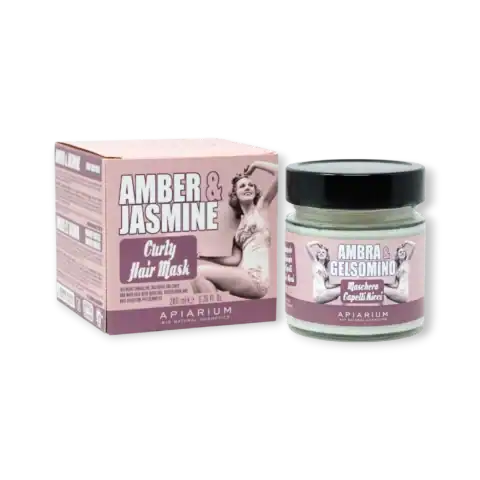
Discount: -10%
Original price was: €19.00.17.10 €The current price is: €17.10.Add to cart
Free shipping on orders over €30
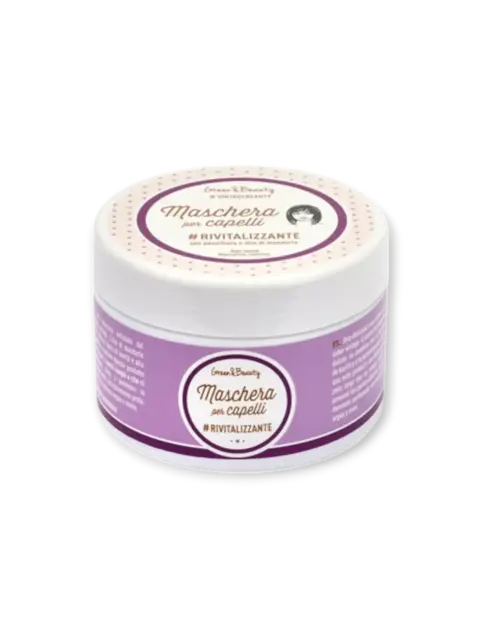
Regenerating care that restores life, density and strength even to the driest ends
Original price was: €19.00.17.10 €The current price is: €17.10.Add to cart
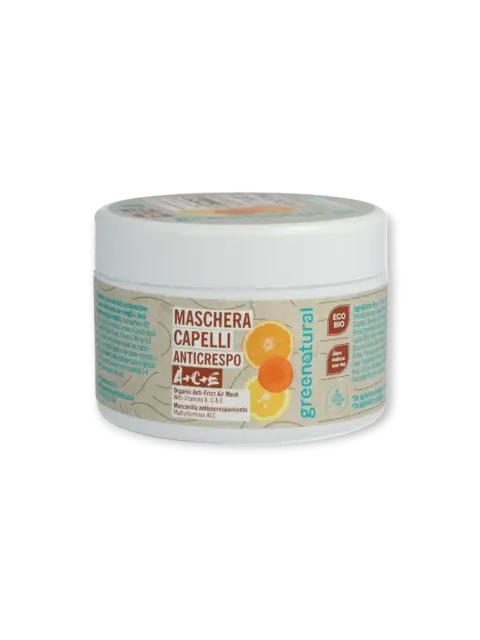 Discount: -15%
Original price was: €16.20.13.77 €The current price is: €13.77.Add to cart
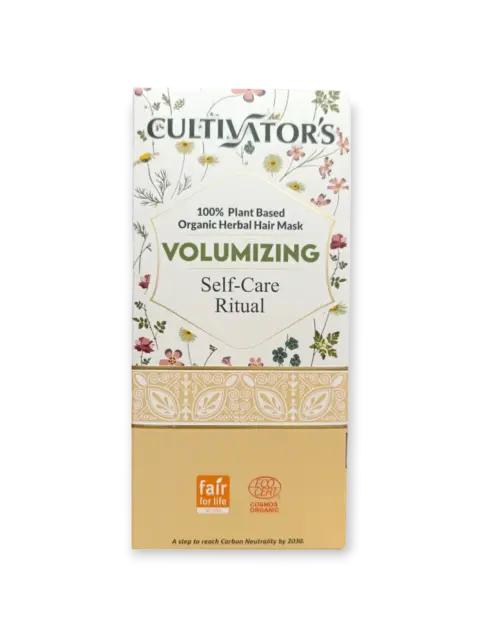
7.90 €Add to cart
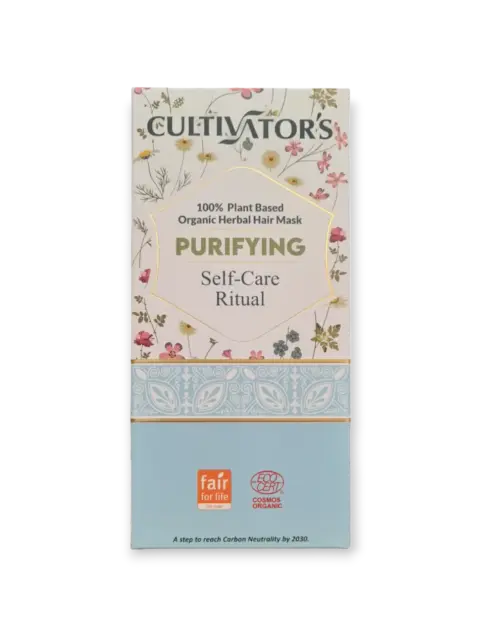
7.90 €Add to cart
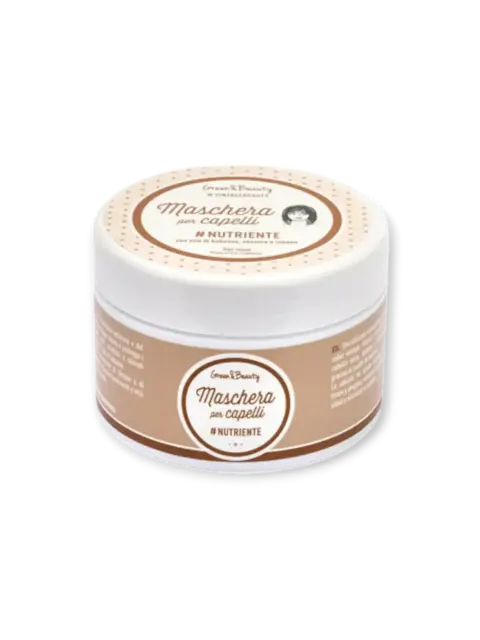 Discount: -10%
Original price was: €13.75.12.38 €The current price is: €12.38.Add to cart
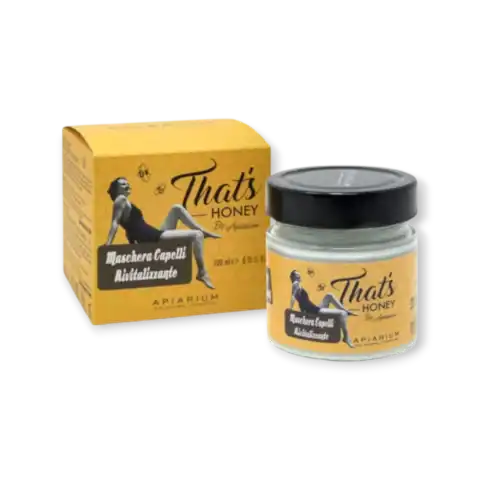 Discount: -10%
19.00 €
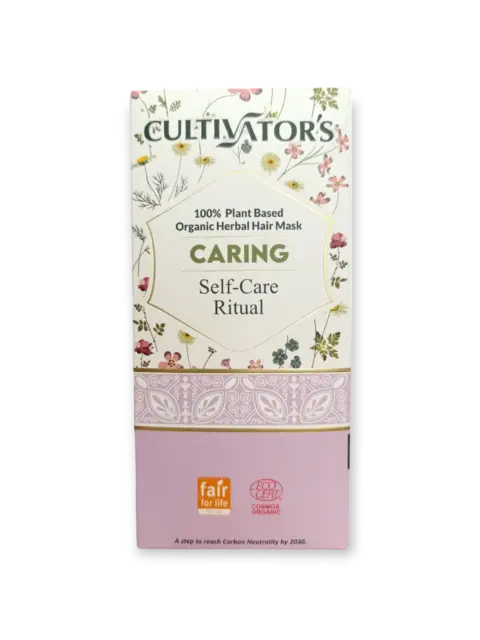
7.9 €
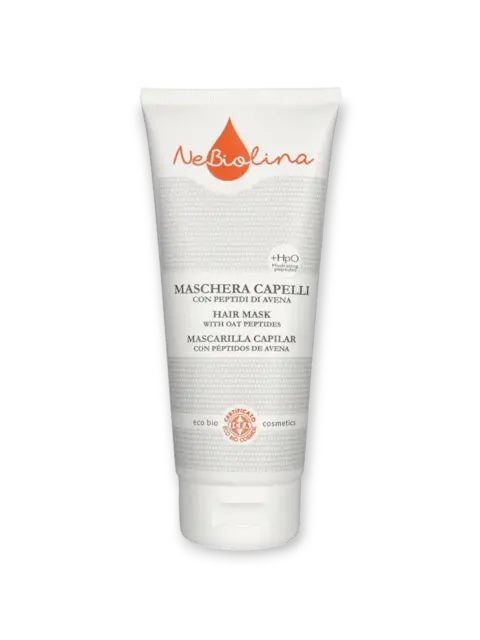 Discount: -10%
13.05 €
 Discount: -10%
13.75 €
Hair masks – additional care that works in depth and restores damaged hair or hair that needs deeper nourishment. Apply to well-washed and dried hair. This way, the mask absorbs better and its effect is stronger. For even better results, you can wrap your hair with a warm towel for the time indicated on the package, usually 10-15 minutes.
For optimal care, use hair masks once or twice a week, depending on the individual needs of your hair. At MaKaSa, we have taken care to provide you with a wide selection of natural hair masks with different effects, enriched with natural oils , plant extracts and marine collagen, to make your hair shine.
Hair masks are a quick, yet very powerful and effective way to provide your hair with tons of health benefits in less than 30 minutes. Think of hair masks that give your hair benefits like softening and hydrating, stimulating growth, adding shine, and even fighting infections.
While some hair salons offer expensive hair treatments that give great results, we decided to turn to Mother Nature for our hair masks. Our selection helps nourish, protect, and moisturize your hair naturally, so you can be sure you're taking the best care of your hair to keep it healthy and strong.
Choosing from the many hair masks doesn't depend so much on whether your hair is thick or thin, but the most important consideration is "what it needs" - whether it's hydration, repair, nourishment, etc. Aim to use a hair mask about once or twice a week (in place of your usual conditioner), leave it on for about 15 to 30 minutes, and rinse with cool water to enhance shine.
Choosing from natural hair masks can transform your hair overnight. No other hair care product has as much power as this one. Once you determine exactly what your hair needs, be it hydration, vitamins or nourishment, you will be able to benefit from the right remedy, right here.
It significantly hydrates and nourishes your hair, which is the first and most visible benefit. The natural oils, proteins, and vitamins included in hair masks can penetrate deep into the hair shaft and help heal damage caused by heat styling, coloring, or external elements like pollution and sun.
These are hair masks that hydrate hair from the inside out using deeply moisturizing oils such as shea, macadamia, jojoba, avocado, or coconut. Use a hair mask to help coat the hair shaft, seal split ends, and tame frizz when and where needed.
Do DIY hair masks really work?
The short answer is: Yes! Hair masks are more than just a trend – they’re a great part of maintaining your style at home. Whether you’re between salon visits or your hair just needs a refresh and a little care, giving it some extra care is always a good idea.
Here is a recipe that you can easily apply at home:
APPLE CIDER VINEGAR + HONEY + OLIVE OIL
In a small bowl, whisk together the apple cider vinegar, honey, and olive oil until smooth. Apply the hair mask to your scalp and hair using your fingers.
It is believed that some of the best ingredients for maintaining healthy, strong and shiny hair are avocado and rosemary oils. Avocado contains healthy fats that also nourish the hair naturally. Rosemary oil has become popular for hair restoration and also prevents hair loss.
Rosemary oil has become popular for hair restoration and also prevents hair loss. You can mix the pulp of half an avocado with 1 teaspoon of cold-pressed organic coconut oil, 1 teaspoon of aloe vera gel, and 10-12 drops of rosemary essential oil.
If your hair is brittle, lacking moisture, or damaged due to over-processing, we suggest using a deeply hydrating or nourishing mask to stimulate natural oil production and ensure a healthier scalp (the foundation of healthy hair).
For thick, coarse or curly hair, you'll need a mask that will truly refresh! Using oily and rich masks with ingredients like coconut oil, shea butter and avocado will soften your strands to make them smoother and more supple.
If your hair is thin or delicate, you need to prevent it from getting weighed down. This means avoiding thick, texturizing treatments like hair masks. Instead, opt for a product with lightweight moisturizers, such as jojoba oil, coconut oil, or almond oil, which will help rejuvenate and lift your strands.
Like dry and damaged hair, color-treated hair is also often dehydrated and needs extra care. In this case, a very rich hair mask will do the trick.
Most hair masks work best when applied to clean, towel-dried, and still damp hair.
However, if you're using a hair mask made primarily of oils, like coconut or olive oil, it may be best to apply the mask to dry hair. Because oil can repel water, some hair care experts believe that dry hair is able to absorb the oil better than wet hair.
Once the hair mask is ready to apply, follow these steps:
As a general rule, you should aim to use a mask once or twice a week. Using a mask more frequently will reduce the effectiveness of the product and can weigh down your hair. Most manufacturers will describe in the instructions how often to use a particular hair mask.
The ingredients found in hair masks can vary greatly, but the best hair masks are those that are carefully formulated by professionals who know what will work effectively on your strands, contain natural ingredients, and avoid harsh chemicals.
This depends on the specific mask, follow the manufacturer's instructions, as there are masks that are used before bathing, after shampooing, or after a bath.
Once your hair is sufficiently damp, section your hair into two to four sections depending on its thickness. Unless otherwise specified on the product, apply the hair mask along the length of the hair, not the scalp. Make sure to cover the entire length, paying special attention to the ends where the hair is most damaged and stressed.
This again depends strictly on the manufacturer and the ingredients that are put into it. In general, you should leave the hair mask on your hair for at least five minutes, but if your hair is coarser or dehydrated and you have time, you can let it soak into damp hair for 15 to 20 minutes. If your hair is very dry and damaged, you can leave it on overnight and wash it out in the morning.
For best results, it is recommended to apply to damp hair, not dry or wet. This will help the ingredients penetrate the inside of the strand. However, as we have already described, if the mask is composed of more saturated oils, it can also be applied to dry hair.
The benefits of using a hair mask are many, and they vary depending on the ingredients and your hair type. Generally speaking, the benefits of using a hair mask include:
You can browse all natural hair products here.
Visit us at our physical store in Burgas, 22 Aleko Bogoridi Blvd.