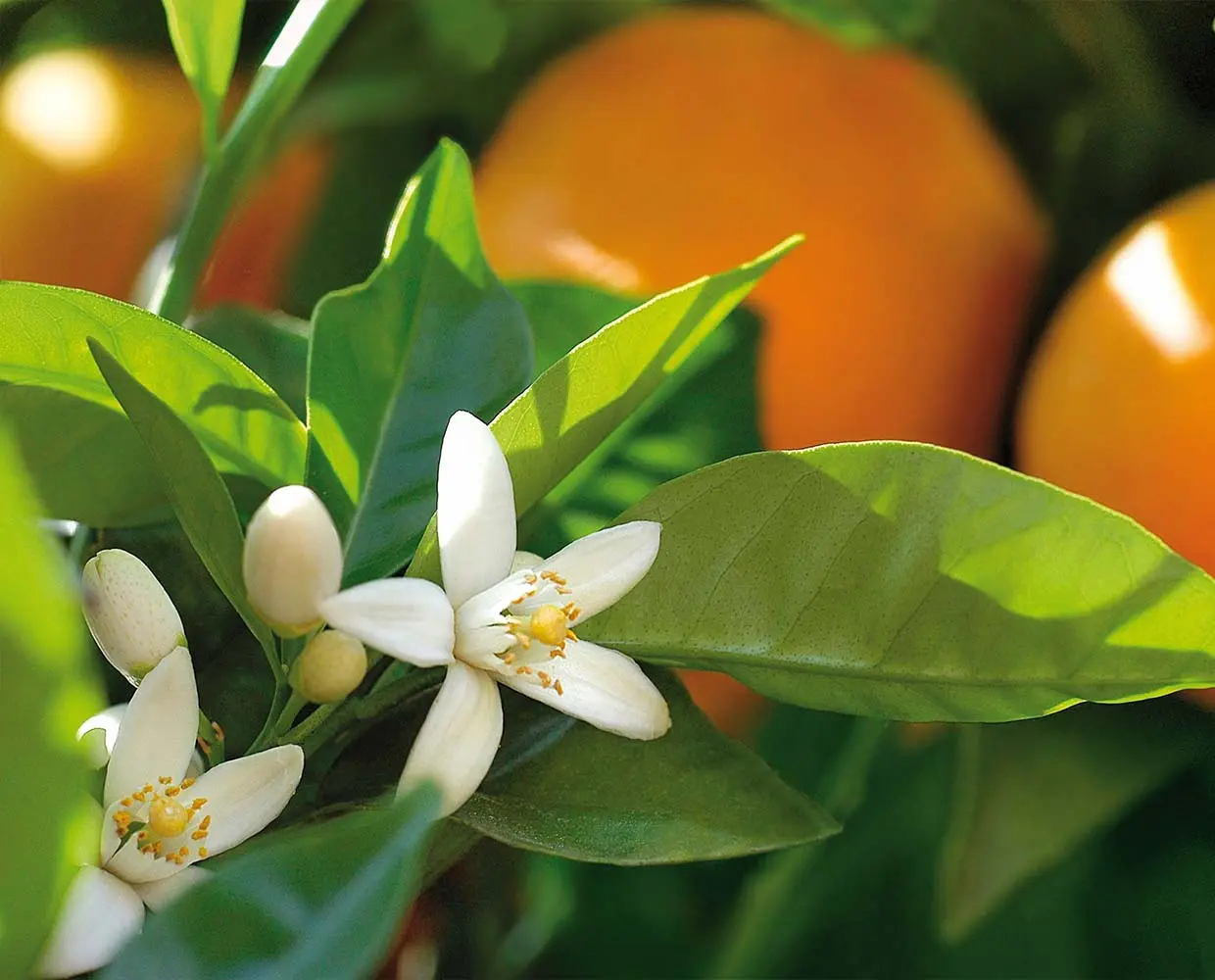
Native to the Mediterranean region, myrtle is a large, fragrant evergreen shrub in the Myrtaceae family. According to Greek mythology, the plant is associated with love, fertility, peace and youth. Biblical references note that the myrtle tree is seen as a symbol of God's promise, blessing and abundance. Myrtle essential oil has a fresh, invigorating aroma similar to that of eucalyptus and provides several skin care benefits when applied topically.

Harvest
All year

Part of the plant
Leaves, branches and flowers

Extraction method
Steam distillation
Oil for health and happiness
Myrtle has ceremonial significance for many peoples. In Germany, for example, the myrtle is a symbol of virginity, youth and beauty. The ancient Egyptians steeped myrtle leaves in wine to reduce fevers and prevent infections.
Myrtle essential oil has antibacterial and anti-inflammatory properties and is effective in asthma, chronic bronchitis, sinusitis and respiratory infections caused by colds. At the same time, it can calm anxiety and tension, improve self-esteem, and inspire courage and courage. It is a very mild essential oil, so it is also suitable for children, and can be used in massage mixtures in low concentrations to deal with respiratory problems.
| Botanical name myrtle common | Aroma Profile Sweet, fresh, grassy |
| family myrtaceae | fragrance Top and Middle note |
| Origin The Mediterranean and the Middle East, it is also grown in the warmer regions of North America. | application Effective for asthma, chronic bronchitis, sinusitis and respiratory infections caused by colds |

Application and effect
Extracted from the myrtle plant, myrtle essential oil has many beneficial properties that make it a popular ingredient in skin care, aromatherapy, and the household. Here's how this oil can improve your daily life.
Main ingredients and features
The main ingredients of myrtle are alpha pinene, myrtle acetate and terpinyl acetate, and cineole is the main ingredient of eucalyptus globulus (more than 70% of cineole in eucalyptus globulus, which is the main effective antibacterial and anti-inflammatory ingredient). Myrtle essential oil contains certain esters that have a soothing effect and make the oil more gentle, making it suitable for use by young children.
Myrtle essential oil has antibacterial, anti-spastic properties, thins mucus and helps expectoration, which makes it extremely suitable for dealing with respiratory problems. It can be used as an adjuvant treatment for colds, chest infections and other ailments, as well as for the prevention of respiratory diseases. In addition, myrtle essential oil is used as a preservative, antiseptic and disinfectant.
Skin benefits
As far back as the 16th century, myrtle was a major ingredient in a popular skin lotion called "angel water" used to cleanse and tone the skin. Myrtle essential oil has powerful cleansing properties that prevent infections and keep pores clean with regular use.
2018 research found that myrtle oil reduces the signs of acne, regulates excess sebum and removes dead cells, leaving the skin brighter and healthier. Additionally, its firming properties increase skin elasticity and reduce the appearance of wrinkles and fine lines.
Myrtle oil is also known for its ability to improve skin metabolism by stimulating blood circulation and oxygen delivery to cells. This helps to nourish and soothe the skin, reducing the appearance of wrinkles.
To reap these benefits, combine myrtle oil with a carrier oil and apply daily.
Calming and relaxation
Myrtle is soft and unobtrusive and contains a large amount of esters, which give the oil its softness. Using it at night not only promotes good sleep, but also helps balance and relax the nervous system.
Against stress
Myrtle oil contains terpenes that increase adrenaline, the hormone that fights stress and strengthens the will. It gives the courage to face inner fears and promotes self-knowledge.
Natural product for the mouth
Myrtle essential oil can be used as a natural alternative to mouthwash. As far back as Pliny the Elder, myrtle's ability to treat bad breath, which he called an "unpleasant nuisance," was described. In the practice of oil gargling—adding a few drops of essential oil to a carrier oil—myrtle protects gums from infection and strengthens teeth.
Important: Make sure you only use safe products designed for external use.
Antibacterial and antifungal properties
The compound cineole in myrtle oil acts as an effective antibacterial agent that successfully deals with staph infections. Myrtle oil is also relatively mild, making it suitable for use around small children, but it should always be diluted.
2019 research shows that myrtle oil has strong antifungal properties that make it useful for eliminating unwanted odors and inhibiting the growth of microorganisms.
Natural deodorant
Myrtle oil is a natural deodorant that eliminates unpleasant odors and prevents their appearance. Apply diluted oil to problem areas, avoiding sensitive areas.
Aromatherapy and home use
Myrtle oil is excellent for aromatherapy. With its herbal and refreshing aroma, it can clean the air and eliminate unwanted odors. Add a few drops to a diffuser or aroma lamp to freshen up your home.
In the household, myrtle oil can be used as a natural cleaner. Mix a few drops of oil with water in a spray bottle and spray on surfaces to clean and disinfect.
| Mental Application: Anxiety, tension, low self-esteem | Psychological action: Soothing, encouraging, stimulating and tonic |
| Physical Application: Respiratory problems, bronchitis, cough, colds, fatigue, exhaustion, insomnia, acne, boils, hemorrhoids, urinary tract infections | Physical action: Antibacterial, antiviral, antiseptic, regenerating, astringent and expectorant |
Recipes with myrtle essential oil

Aroma blend for respiratory problems
- 3 drops myrtle essential oil
- 2 drops lemon essential oil
- 2 drops eucalyptus essential oil

Drop into an aromatherapy device , 1 drop of essential oil is recommended for every 5 square meters.
Blend for purifying indoor air
- 3 drops myrtle essential oil
- 2 drops essential oil of juniper berries
Drop into an aromatherapy device, 1 drop of essential oil per every 5 square meters is recommended.
Rhinitis, sore throat
- 4 drops myrtle essential oil
- 2 drops Himalayan cedar essential oil
- 2 drops ravintsara leaf essential oil
- 30 ml grape seed oil

Apply to forehead, temples, around nose, behind ears, throat, chest and other parts, massage gently until absorbed. (Dilution for children according to Primavera instructions: under 6 months – no essential oils; from 6 months to 4 years – up to 0,25% for the whole body and up to 0,5% for a small area of skin; from 4 to 12 years – up to 0,5% for the face, up to 1% for the whole body and up to 2% for a small area. Primavera does not give a separate value for the face of children under 4 years.)

Read more about diluting essential oils in: How to use essential oils safely?
More interesting articles from the blog
- Ravintsara essential oil – benefits and uses
- Himalayan Cedarwood Essential Oil – Benefits and Uses
- Lemon essential oil – health benefits
- Frankincense – the golden essential oil
- Essential oils – uses and benefits in aromatherapy
Categories
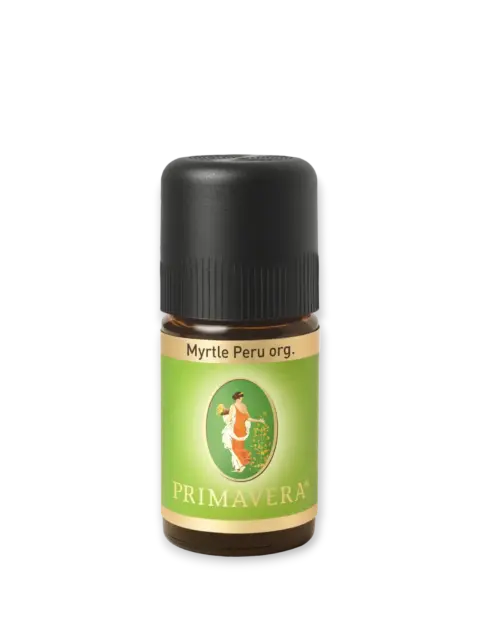 Discount: -20%
Original price was: €13.90.11.12 €The current price is: €11.12.Add to cart
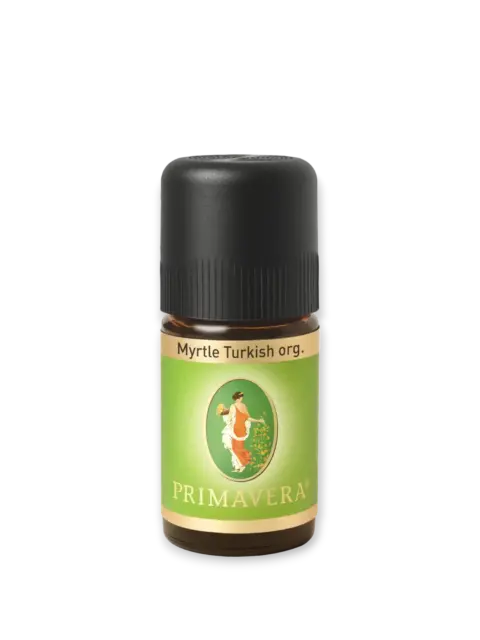 Discount: -20%
Original price was: €10.90.8.72 €The current price is: €8.72.Add to cart
 Discount: -20%
Original price was: €9.90.7.92 €The current price is: €7.92.Add to cart
 Discount: -20%
 Discount: -20%
Original price was: €8.90.7.12 €The current price is: €7.12.Add to cart
 Discount: -20%
Original price was: €10.90.8.72 €The current price is: €8.72.Add to cart
 Discount: -20%
Original price was: €7.90.6.32 €The current price is: €6.32.Add to cart