Lemon essential oil is more than just a fragrant addition to your cleaning routine. It is a versatile natural remedy with a wide range of potential health and wellness benefits. Lemon essential oil has a lot to offer, from reducing anxiety and depression to treating skin problems and even as a pain reliever. In this article, we'll look at its benefits, how to use it safely, and where to find the best quality products.
Lemon essential oil is one of the most common essential oils in aromatherapy that you should have on hand. The oil has so many uses – natural bleach, household cleaner, laundry freshener, mood enhancer, nausea reliever, and more.
Lemon essential oil supports the body's immune function, regulates hormone levels, balances the endocrine system, and even supports a healthy mood. Lemon essential oil has also been shown to have many aromatherapy benefits, including the ability to reduce stress levels, stimulate concentration, boost immunity, and boost mood.
The oil has the cleansing properties of antibacterial and antiviral agents that can help kill germs, helping to stop the spread of illnesses such as the common cold or flu.

Lemon is a versatile fruit that is often used in natural medicine because it has a high antibacterial and astringent profile. Lemons contain high levels of vitamin C, antioxidants and flavonoids that provide immune support.
Lemon essential oil is extracted from the peel of fresh lemons by cold pressing. The process of extracting essential oil from lemons by steam extraction does not transfer vitamin C to the oil, making it less photosensitive, but at the same time the beneficial substances are in very small quantities.
The main component of the volatile oil from citrus peels is the terpene “limonene”. Terpenes are phytonutrient compounds in plants, responsible for their unique aroma and taste. Limonene is a specific type of terpene, which is also found in other essential and carrier oils – rosemary , chamomile , ginger, turmeric, juniper and peppermint, hemp. It has strong anti-inflammatory properties, positively affects our entire body.
In this article, we'll take a detailed look at how lemon essential oil and the other components of this bright citrus fruit can help your body.
What are the main benefits of lemon essential oil?
- Antibacterial properties
- Antifungal properties
- Helps to heal wounds
- It lifts the mood
- Relieves nausea
- It relieves the pain
- Relieves cold symptoms
- It gives the mind energy and clarity
Health benefits of using lemon essential oil
Calms, helps with depressive states
Lemon essential oil can be added to massage blends or diluted in a bath to soothe, relieve symptoms of fatigue, boost energy, improve mood and generally tone the body. By diffusing, the oil can help you relax, lift your mood, improve concentration by clearing the mind.
A 2006 study found that lemon essential oil is a powerful mood-enhancing and calming agent, even more effective than some other essential oils like lavender and rose. There is also evidence that it may help with symptoms of anxiety and depression in humans.
It helps in better blood circulation
Lemon essential oil helps to boost blood circulation, metabolism, and digestive function. Always apply lemon essential oil to the skin diluted in a carrier oil, such as almond or apricot kernel oil.
In aromatherapy, lemon essential oil can be used to relieve cold and flu symptoms. Diffusing lemon oil can help clear the nasal cavity, larynx and bronchi, as well as increase energy levels.
Relieves rashes and allergic reactions
To relieve hay fever or hives, combine a few drops each of lemon, lavender and peppermint oil, dilute them in 50 ml of almond carrier oil and rub the mixture on the back of your neck and feet. Lemon essential oil can also be added to natural, homemade scented candles for a refreshing scent at home.
It has antifungal properties
Lemon essential oil has powerful antifungal properties. It helps to relieve certain skin conditions. A 2017 study noted that lemon essential oil is effective when applied topically against fungi that cause athlete's foot and fungal infections.
Relieves morning sickness
For pregnant women, morning sickness can be a challenge. A 2014 study involving aromatherapy with lemon essential oil showed a significant reduction in nausea and vomiting.
Improves skin condition
Lemon essential oil has antimicrobial properties, making it effective against bacteria such as Staphylococcus aureus and E. coli . This makes it suitable for topical use to clean small wounds and possibly prevent skin inflammation.
It relieves the pain
Some studies show that lemon oil used in aromatherapy can affect the way our body perceives pain. Further research is needed to determine its effectiveness in relieving pain in humans.
For cold symptoms
The invigorating aroma of lemon essential oil can help relieve a runny nose and sore throat. Diffuse it or inhale the aroma to find comfort during a cold.
Feel energized
The bright and citrusy aroma of this oil can improve your mood and cognitive function. It has been shown to improve cognitive function in individuals with Alzheimer's disease.
Acne treatment
When diluted and applied topically, lemon essential oil can help eliminate acne-causing bacteria and exfoliate dead skin cells, which can contribute to clearer skin.
Wound healing
Thanks to its antimicrobial properties, lemon essential oil can help disinfect and speed up the healing process of small cuts and scrapes.
Treatment of fungus
Review of 2017 studies found that lemon essential oil was effective against the fungus that causes conditions such as athlete's foot and yeast infections when applied topically.
A great home disinfectant
As a household cleaner, lemon essential oil acts as a natural disinfectant. Drop lemon essential oil into a spray bottle filled with water and pure alcohol (it will dilute the oil) and spray on shower walls, windows, kitchen counters to remove mold and achieve a spot-free shine.
For a cleaning spray, mix lemon essential oil with tea tree oil and dilute in water and vinegar. Due to its antiseptic quality, lemon essential oil can also be added to homemade soaps.
How to use lemon essential oil?
Lemon essential oil can be safely used by diffusion or topical application. To diffuse, place 3-4 drops in a diffuser in a well-ventilated area for sessions of up to 30 minutes. When using topically, always dilute it with a carrier oil and do a test to make sure there are no adverse reactions.
Let's talk about potential unwanted side effects
- May cause skin sensitivity. Citrus essential oils have been shown to make the skin more sensitive to the sun (a condition also known as photosensitivity) and cause temporary redness that resembles sunburn. If you use lemon essential oil topically, avoid exposure to direct sunlight for at least 24 hours.
- Toxicity to pets. Some essential oils are toxic to our friends. Avoid topical application on a dog or cat and consult a veterinarian before using aromatherapy around pets. Remember, essential oils should always be used in a well-ventilated area.
- It can cause a general malaise of the body. Never ingest essential oils. You can read more about the correct use of essential oils and why their ingestion is not useful in our article "How to use essential oils safely?".
Conclusion
Lemon essential oil is a powerful and versatile agent that can boost your mood, promote skin health, and provide a variety of health benefits. However, it is important to use it responsibly, following dilution and safety guidelines, and to buy from reliable sources. While essential oils can complement your wellness routine, they should not replace prescribed medical treatment. Incorporate lemon essential oil consciously to enjoy its potential benefits and improve your overall well-being.
More interesting articles from the blog
- Mandarin essential oil – health benefits
- Lime essential oil – benefits and uses
- Lavender essential oil – the oil of antiquity
- Sweet almond oil – benefits and uses
- Essential oils – uses and benefits in aromatherapy
Categories
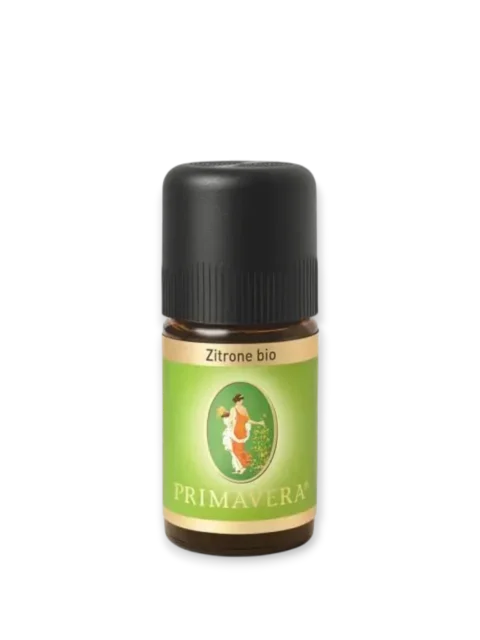 Discount: -20%
Original price was: €6.90.5.52 €The current price is: €5.52.Add to cart
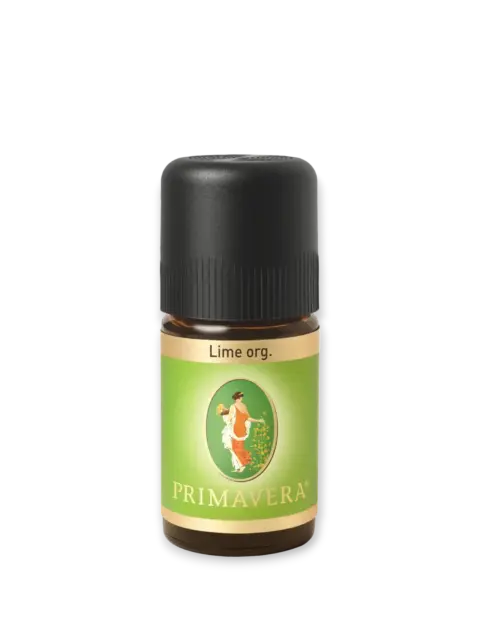 Discount: -20%
Original price was: €8.90.7.12 €The current price is: €7.12.Add to cart
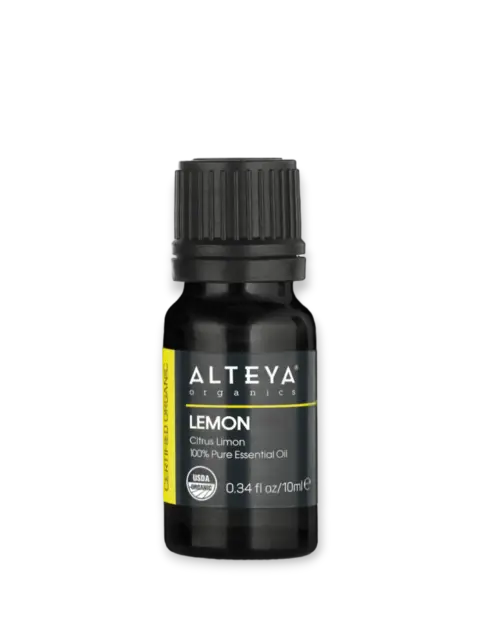
4.95 €Add to cart
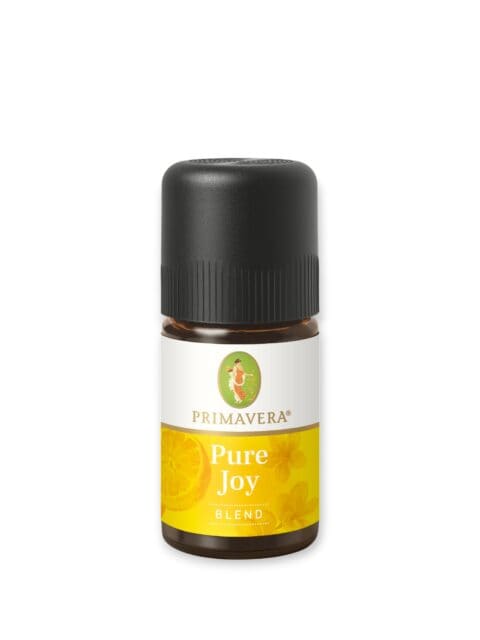 Discount: -20%
Original price was: €9.90.7.92 €The current price is: €7.92.Add to cart