
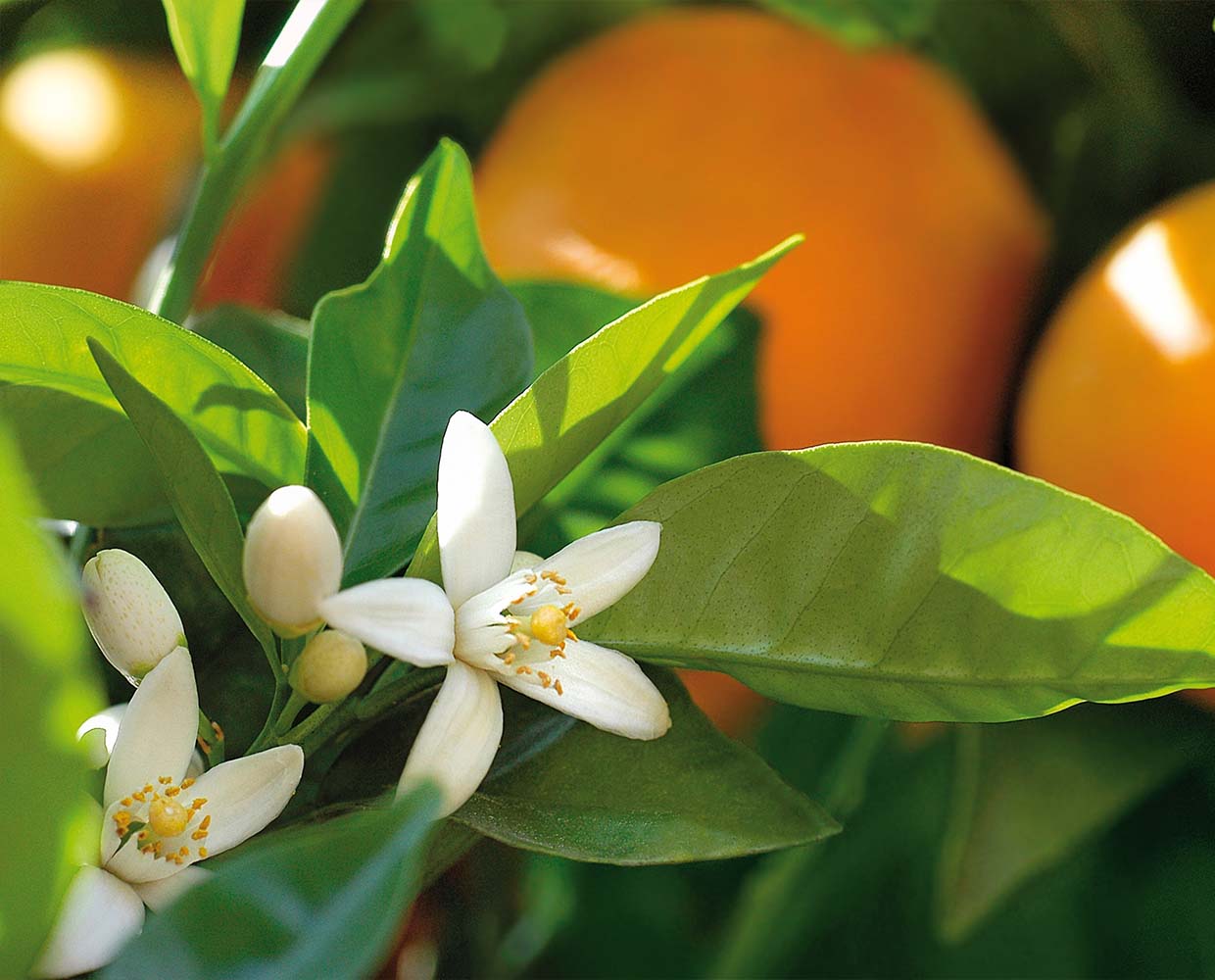
Neroli essential oil comes from the flowers of the bitter orange ( Citrus aurantium ssp. aurantium ), a tree in the Rutaceae family. It is grown in the Mediterranean, Morocco and Egypt; Primavera's organic partner is Morocco. In everyday life, people seek it mainly for its calming effect on nervous tension and for gentle skin care.
The scent has been valued in perfumery since the 17th century. In aromatherapy, neroli is often called the “oil for emotional emergencies”: when you are anxious, stressed, or simply need a soft, comforting scent.
History and name
The name "neroli" is associated with the Sicilian princess Flavia Orsini of Nerola (17th century), who made the scent of orange blossom fashionable in European courts - she perfumed gloves, herself and the space around her with it. According to legend, even Napoleon carried neroli with him to calm his nerves during campaigns.
Where does it come from and how is it obtained?
Flowering is almost year-round, but the best flowers for oil come after about 20 years of growth on the tree. Harvesting is in April, early in the morning: blankets are laid under the trees and the branches are gently tapped until the flowers fall. For about 1 kg of essential oil, approximately 1500 kg of flowers are needed - that is why pure neroli is so expensive.
Three different essential oils are obtained from the same tree :
- Neroli – from the colors
- Bitter orange – from the peel of the fruit
- Petitgrain – from the leaves and young fruits
If you're just starting out, a practical choice is 10% neroli essential oil – Primavera offers it already diluted in organic alcohol, more affordable and convenient for daily use.

HARVEST
In April, the blossoms are picked at dawn, by spreading blankets under the trees and tapping the branches with sticks until the blossoms fall. About 1500 kg of blossoms are needed to produce 1 kg of essential oil.

PART OF THE PLANT
The flowers

METHOD OF EXTRACTION
Steam distillation
Aroma and note
Profile: gently floral, fresh, sweet, "beloved".
Note: heart (middle) note in perfume compositions.
Benefits in everyday life
About emotions and stress
Neroli is used as a calming oil for inner restlessness, emotional problems, fear and moments of intense tension and anxiety, as well as for ordinary daily stress – an exam, a stage performance, a plane ride. The effect that people most often seek: very calming, relaxing, uplifting and comforting. It is also suitable when sleep is disturbed by tension. This does not replace professional help for severe anxiety – however, it can be a pleasant ritual to support the main treatment. More ideas: essential oils for emotional balance.
For the skin
In skin care, neroli is valued for irritated skin, in scar oils and in pregnancy blends (always with caution and consultation). It acts as a nourishing and soothing oil for the skin – when properly diluted in a base oil . Good partners: jojoba , almond oil , neroli floral water.
In winter and for children
Due to its mild nature, neroli is often included in winter aroma rituals for children (always highly diluted and according to age). It is not a substitute for cold treatment - just a pleasant, gentle aroma during the cold season.
How to use it at home
- Diffuser / aroma lamp: 2–4 drops of neroli 10% (or 1–2 drops pure) for 20–30 minutes.
- On the skin: only diluted. Neroli 10% is now more gentle; pure neroli always in a base oil.
- Inhaler/handkerchief: 1–2 drops for quick soothing “on the spot”.
- Bathtub: First, mix the drops with honey, cream, or coconut milk – the oil itself does not dissolve in water.
Recipes with neroli essential oil
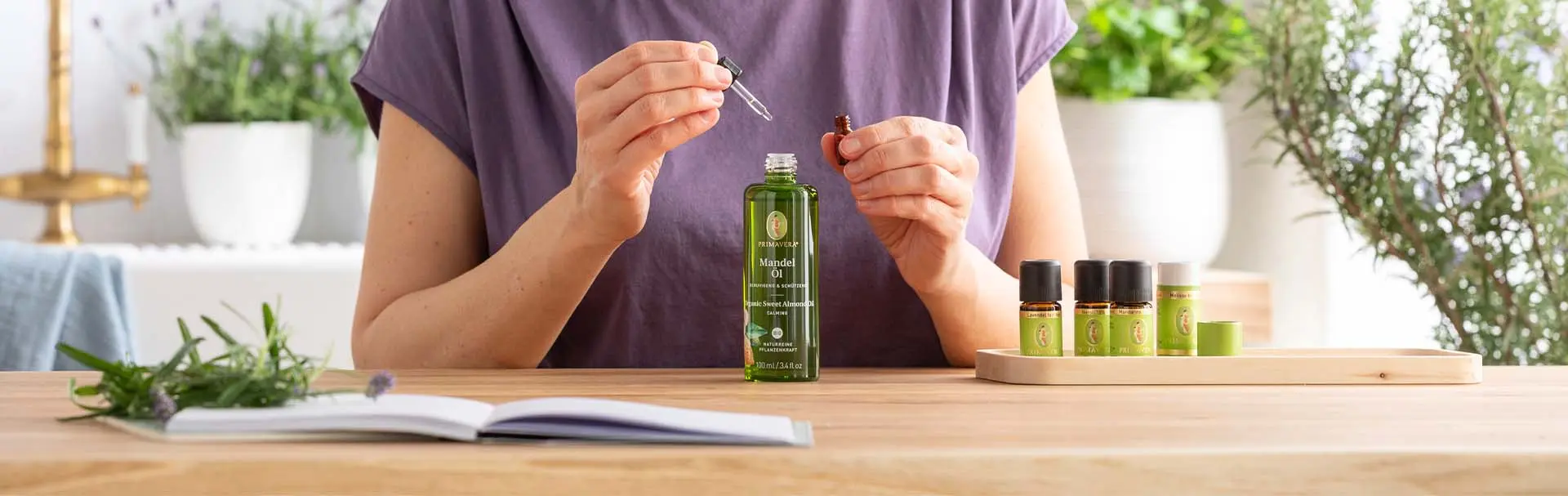
The recipes below are from Primavera Life (Pflanzenglossar Neroli). Where "neroli 10%" is specified, use 10% neroli essential oil.
Grounding foot oil
- 50 ml organic almond oil
- 7 drops Swiss pine essential oil Organic
- 5 drops neroli essential oil 10%
- 2 drops Organic cedar essential oil

Mix the essential oils into the almond oil. During difficult periods, massage the feet for soothing and “grounding”.
Body Oil "Support and Comfort"
- 50 ml organic almond oil
- 10 drops neroli essential oil 10%
- 10 drops ylang-ylang essential oil Extra Supérieur Bio
- 10 drops Organic fine lavender essential oil
In tense moments, apply around the solar plexus (the area under the chest/upper abdomen) and breathe calmly.
Hand oil "Sunny Thoughts"
- 50 ml organic almond oil
- 5 drops Organic tangerine essential oil
- 2 drops neroli essential oil 10%
- 1 drop Benzoin Siam essential oil Organic
Mix. Apply to hands and massage gently – a convenient gesture for emotional support throughout the day.
Nourishing facial oil
- 40 ml organic almond oil or organic jojoba oil
- 10 ml organic macadamia oil or organic evening primrose oil
- 2 drops Organic Somali Frankincense Essential Oil
- 1 drop rose essential oil 10%
- 1 drop neroli essential oil 10%
- 1 drop iris essential oil 1%

Mix in a 50 ml bottle. In the evening after cleansing, apply to a slightly damp face and massage gently.
Pleasant aroma bath
- 3 tbsp cream or coconut milk
- 1 med
- 5 drops Geranium Bio essential oil
- 2 drops Organic fine lavender essential oil
- 1 drop neroli essential oil 10%
- 1 drop rose essential oil 10%
From 12 years. Mix the cream/milk with honey, add the essential oils and pour into the running bath water.
Aroma inhaler for emotional moments
- 3 drops Swiss pine essential oil Organic
- 2 drops neroli essential oil 10%
- 1 drop Organic cedar essential oil
- aroma inhaler (cotton/filling)

Drop the oils onto the cotton of the inhaler. In an emotionally difficult moment, hold it to your nose and breathe deeply into your belly. (Based on “Handbuch Ätherische Öle” – Anusati Thumm & Katharina Zeh.)
Space fragrance "Help in crisis"
- 3 drops Sandalwood essential oil New Caledonia Organic
- 3 drops rose essential oil 10%
- 2 drops neroli essential oil 10%
Add to aroma lamp or diffuser. (Based on “Handbuch Ätherische Öle” – Anusati Thumm & Katharina Zeh.)
Safety
- Always dilute pure neroli before applying to skin; the 10% option is more convenient for beginners.
- Neroli from flowers (steam distillation) is generally not phototoxic like cold-pressed citrus peel – see phototoxicity and safety.
- In pregnancy and for young children: consultation and strong dilution; aromatherapy during pregnancy.
- Do not take internally without a qualified professional.
- Store in a cool, dark place, away from children.
Conclusion
Neroli is the soft “orange blossom” in a bottle – a floral scent for calm, comfort and gentle skin care. Start with 10% Neroli in a diffuser or in a simple hand blend. If you like floral oils, also check out rose oil or bergamot essential oil.
The information in this article is for educational purposes only and is not intended to be used as a basis for prevention or treatment. The International Federation of Professional Aromatherapists (IFPA) does not recommend that essential oils be taken internally unless under the supervision of a physician qualified in clinical aromatherapy. Like medications, essential oils should be treated with respect. It is important to seek professional advice and follow the instructions on the package carefully.
More interesting articles from the blog
- Orange essential oil – benefits and uses
- Bergamot Essential Oil – Uses and Benefits
- Panic Attacks - 13 Essential Oils for Calming and Emotional Balance
- Phototoxicity and safety of essential oils
- Rose oil – history, extraction and applications
Categories
- Aromatherapy
- Essential oils
- Carrier oils
- Diffusion methods
- Natural cosmetics
- Recipes with essential oils
- News
Sources
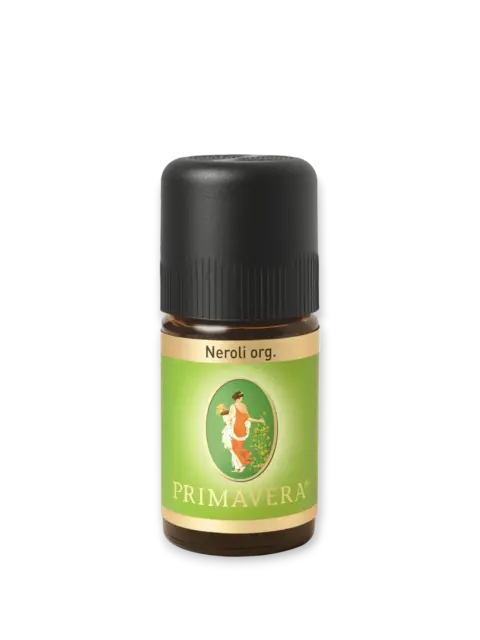
16.90 €Add to cart
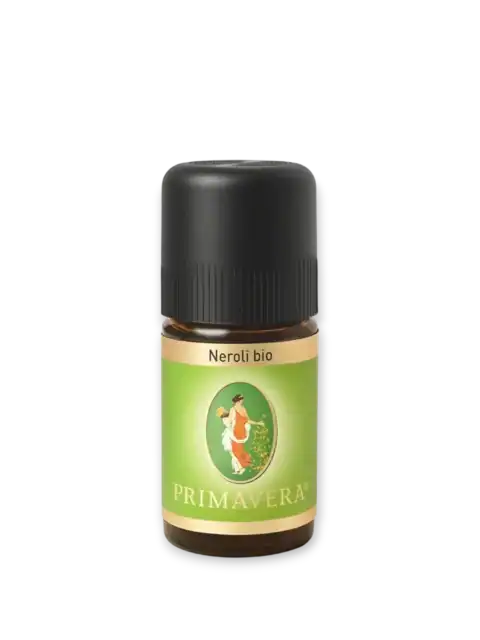
105.90 €Add to cart
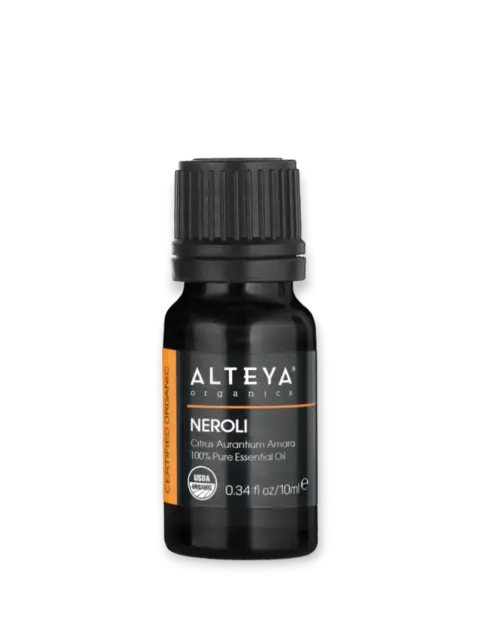
9.95 €Add to cart
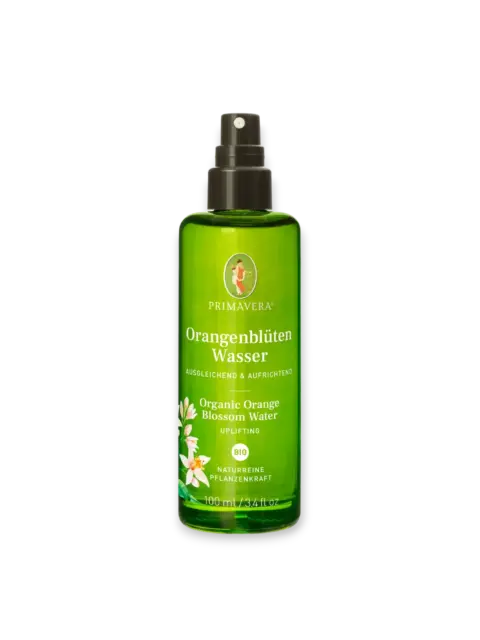
11.90 €Add to cart
14.90 €Add to cart

9.90 €Add to cart

9.90 €Add to cart

15.90 €Add to cart