
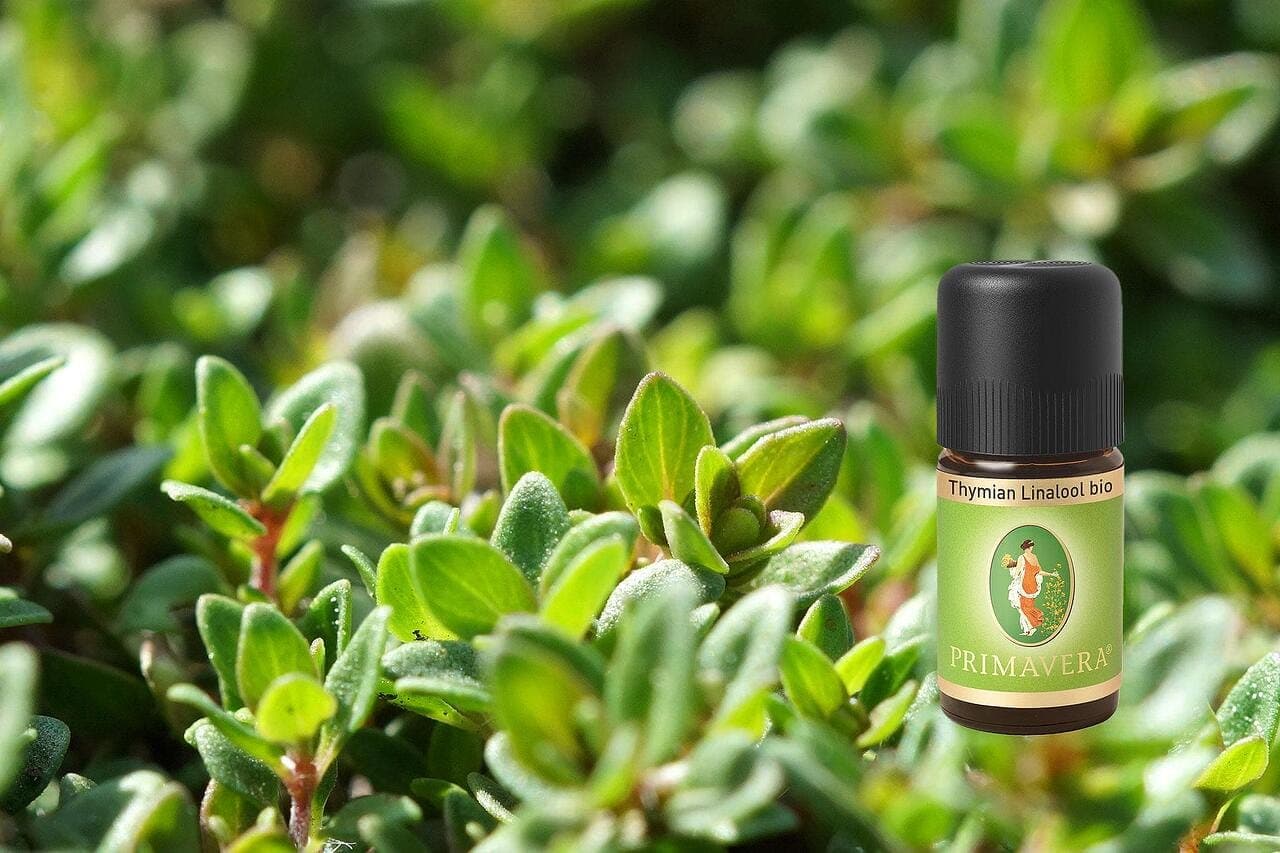
We are all familiar with the use of thyme as an herb and spice in cooking. But in addition to adding a unique flavor to our food, thyme essential oil is also extracted from the thyme plant ( Thymus vulgaris ).
Thyme essential oil is popular for its antifungal, anti-inflammatory, and antibacterial properties. It has excellent soothing properties for respiratory problems. It is also often found as a preservative in foods, cosmetics, and toiletries.
There are several studies that confirm the ability of thyme essential oil to reduce or eliminate bacteria, support heart health, and reduce inflammation in the body.
For centuries, thyme has been used by various peoples and cultures for incense in sacred temples, in ancient embalming practices, and against nightmares. Just as thyme's history is rich in diverse uses, the many benefits and uses of the essential oil continue to this day.
Types of Thyme Essential Oil
Thyme is a small flowering plant belonging to the Lamiaceae family and the genus Thymus . It is native to the Mediterranean and has small gray-green leaves and small pink-purple or white flowers that bloom usually in early summer. Due to the ease with which it is pollinated, thyme has quite a few different species, with about 300 of them containing variants of its strongly aromatic essential oil. Popular types of thyme include:
- Thymus vulgaris – Common (garden) thyme.
- thymus zygis – Spanish (white) thyme
- Thymus citriodorus – Lemon thyme
- Thymus serpyllum – Wild thyme
- Thymus satureioides – Moroccan thyme
Thyme is different from most essential oils in that the same plant of a given species can produce different chemotypes. A chemotype is a specific variation that belongs to the same species of plant, yet shows significant differences in the chemical composition of the essential oil.
In short: a chemotype is a way of saying that the same plant can have different types of chemical constituents. Most essential oils do not have different chemotypes, but it is important to note that the chemotype determines their therapeutic properties. These variations usually occur when the same plant is grown in different environments. For example, the commonly available chemotypes of common thyme ( Thymus vulgaris ) include:
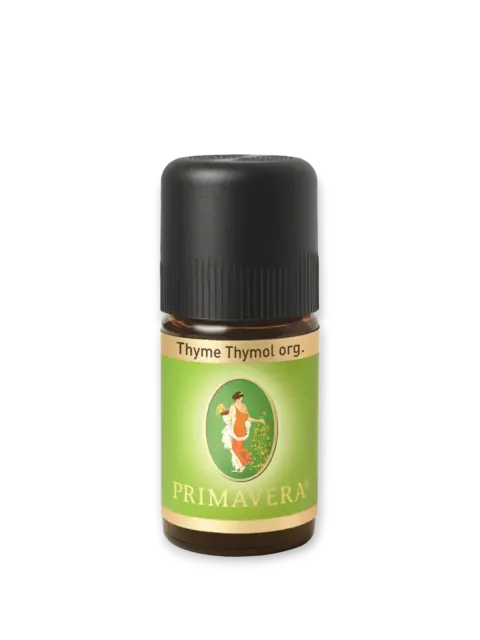
- Thymus vulgaris ct. thymol – The most famous and widely available variety of thyme, rich in the phenolic compound thymol and renowned as an excellent natural antiseptic, powerful in both its aroma and therapeutic effects. Thyme essential oil, chemotype thymol you will find in the MaKaSa store of the German brand PRIMAVERA.
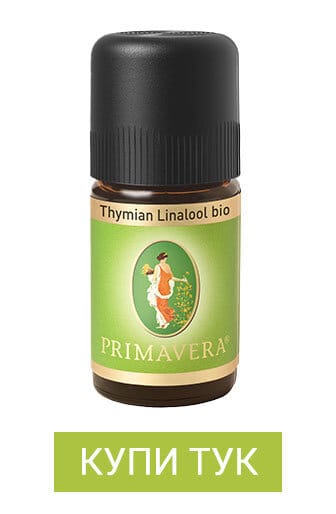
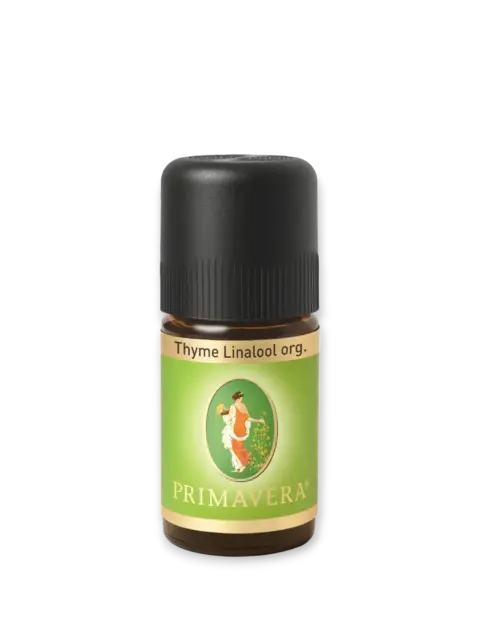
- Thymus vulgaris ct. linalool – Less common, this variety is rich in linalool, with a softer, sweeter, grassy aroma. It is known to be gentler in its action and is used especially in topical applications. From this variety, the MaKaSa store offers the German brand PRIMAVERA Thyme essential oil, chemotype linalool.
- Thymus vulgaris ct. geraniol – Even rarer, this variety is rich in geraniol, with a softer, more floral scent. It is also known to have a gentler effect.
The diversity of thyme is a true reflection of its hardiness and adaptability to its environment. As one of the most potent and valuable oils in aromatherapy, it is important to know the Latin name and chemotype (if any) of a particular thyme oil before using or purchasing it. Its therapeutic properties, recommended uses and safety profile will vary depending on its characteristics.
History of Thyme Essential Oil
From the Middle Ages to the present day, thyme has been considered a powerful spiritual, medicinal, and culinary herb. Burning this highly aromatic plant has long symbolized the cleansing and purification of all that is negative and unwanted, whether pests, pathogens, insecurities, fears, or nightmares. It was Pliny the Elder, the famous Roman philosopher and author, who aptly summed up this sentiment: “Thyme drives away all poisonous creatures.” Accordingly, the word “thyme” is believed to derive from the Greek word “timon” (meaning “to smoke” or “to purify”).
The Romans are known to have added thyme to their herbal baths to aid in cleansing; their soldiers used the herb as a means of instilling courage and bravery before entering battle. The Greeks used thyme to induce restful sleep and overcome any fears that might manifest as nightmares. The Egyptians reserved thyme for the deceased, using it in sacred embalming rituals to preserve the body and aid in its spiritual passage to the afterlife.
Thyme was often burned in homes and places of worship to cleanse the premises of unpleasant odors and prevent disease. Its purifying and protective properties were well known even in those days. It has been used by the public, herbalists, traditional healers and medical facilities to ward off deadly diseases and infections by cleaning wounds, disinfecting hospitals, purifying meat before consumption and fumigating the air.
Benefits and composition of thyme essential oil
The rich chemical composition of thyme essential oil contributes to its well-known purifying and therapeutic properties. One of its most well-known constituents is thymol, a compound with strong antibacterial and antifungal properties. Other active compounds found in the oil include carvacrol, p -Cymene, and gamma-terpinene. Keep in mind that the exact chemical composition, and therefore its uses and therapeutic effects, may vary depending on the variety or chemotype of thyme essential oil.
Thymol is a highly aromatic monoterpene phenol that has been extensively studied for its antimicrobial properties. It has been shown to combat various strains of bacteria and fungi, viruses, parasites, and insects. Due to its intriguing antiseptic nature, thymol is used as an ingredient in mouthwashes, various disinfectants, and for pest control.
Carvacrol, also a monoterpene phenol, has a warm and pungent odor. Like thymol, it exhibits antifungal and antibacterial properties. Both thymol and carvacrol have been observed to have antioxidant and antitussive (cough suppressant) effects. Thyme essential oil is popular for its ability to relieve respiratory problems.
p -Cymene is a monoterpene compound with a fresh citrus scent. It exhibits antimicrobial benefits along with analgesic and anti-inflammatory properties. Gamma-terpinene is naturally present in many citrus fruits and exhibits strong antioxidant properties. It exudes a refreshing, sweet, pungent odor.
Thyme oil is also known to strengthen the immune system and contribute to our overall health and well-being. It facilitates the function of the digestive system, eliminates excess gas and helps relieve stomach bloating. Thanks to its soothing effect, thyme oil provides natural pain relief for those suffering from physical fatigue, as well as muscle pain, tension and stiffness. The expectorant properties of thyme oil facilitate the recovery of the respiratory tract and can relieve mild respiratory discomfort, while suppressing cough.
In aromatherapy, thyme essential oil serves as a tonic and has a strengthening effect on both the body and the mind. Inhaling its penetrating aroma can be helpful during times of stress, fatigue, fear, or when feeling deep sorrow. The oil is great for gaining more confidence and self-esteem, for more courage in important decisions or times of uncertainty. The essential oil promotes more restful sleep, protects the body during common seasonal illnesses such as the flu, and relieves headaches and other general ailments.
Also widely used in cosmetics, thyme oil is ideal for people with oily skin or acne. Its antimicrobial properties help clear skin, reduce texture issues and achieve a more even complexion.
Thyme essential oil for radiant skin
Thyme essential oil is a powerful skin care agent with a wide range of skin benefits. Here are some key ways thyme essential oil can help you achieve healthy and glowing skin:
Acne and skin irritations
Thyme essential oil is renowned for its antibacterial and antiseptic properties, making it an effective natural remedy for acne and various skin irritations. Its ability to fight harmful bacteria and reduce inflammation can help prevent and treat acne. In addition, its high levels of antioxidants help fight free radicals that damage skin cells, effectively reducing the visible signs of aging.
Tenderness and redness
If you have sensitive skin prone to redness and irritation, thyme essential oil can provide relief. It has the ability to soothe inflammation and reduce redness, making it a great choice for people with sensitive skin. The soothing properties of thyme essential oil can help soothe skin discomfort and restore a balanced complexion.
Skin care products
Thyme essential oil is a popular ingredient in many skin care products. Whether used on its own or as a component in a skin care routine, it's a must-have for anyone looking to achieve healthy, glowing skin. Look for products that include thyme essential oil to take advantage of its skin-friendly properties.
Thyme essential oil for mental clarity
The benefits of thyme essential oil extend beyond skin care. Its unique properties can also support mental well-being and cognitive function. Here's how thyme essential oil can help you achieve mental clarity and focus:
Reducing stress and anxiety
Thanks to its high thymol content, thyme essential oil has a calming effect on the mind and body. It is known to reduce stress and anxiety levels, promoting a sense of calm and relaxation. Incorporating thyme essential oil into your daily routine, whether through aromatherapy or topical application, can help relieve the stress of modern life.
Improving focus and concentration
In addition to reducing stress, thyme essential oil has been found to improve focus and concentration. This makes it a valuable helper for people who are studying, working on complex projects or looking to increase their productivity. Diffusing thyme essential oil into your workspace can create an environment conducive to clear thinking and enhanced cognitive abilities.
Improving mood
The invigorating aroma of thyme essential oil has the added benefit of improving your mood. Its refreshing and soothing aroma can improve general well-being and create a positive atmosphere in your home or workplace.
Thyme essential oil for physical health
Thyme essential oil is known for its powerful properties when it comes to physical well-being. Here are some ways thyme essential oil can help your body, from muscle relief to improving circulation:
Muscle pain and inflammation
Thyme essential oil is highly valued for its ability to soothe muscle pain and inflammation. It contains compounds such as camphene, cymene and carvacrol, which have an analgesic and anti-inflammatory effect on the body. If you lead an active lifestyle or suffer from muscle discomfort, thyme essential oil can be a natural and aromatic solution to relieve symptoms.
Improving blood circulation
Thyme essential oil has the added benefit of improving blood circulation in the body. By improving circulation and increasing the flow of oxygen and nutrients to the muscles, it can aid in muscle recovery and reduce the risk of injury. Incorporating thyme essential oil into your post-workout routine can help maintain muscle and optimal physical function.
Thyme essential oil for shiny hair
While thyme essential oil is known for its skin and mental health benefits, it also offers valuable benefits for your hair. Here's how thyme essential oil can improve the health and appearance of your hair:
Dandruff and itching
The antiseptic, antibacterial, and antifungal properties of thyme essential oil make it an ideal remedy for treating a variety of hair and scalp problems. If you have problems with dandruff or an itchy scalp, thyme essential oil can help relieve these common problems. Regular use can restore scalp health and improve hair quality.
Stimulating hair growth
Thyme essential oil stimulates blood circulation in the scalp, thus accelerating hair growth. By increasing blood flow to hair follicles, it promotes hair growth and strengthens existing hair. Whether your hair is extremely thin or you simply want to add volume and vibrancy to your hair, thyme essential oil offers a natural solution.
Thyme essential oil for aromatic bliss
Thyme essential oil is a popular choice among aromatherapy enthusiasts. Whether you want to relax, reduce stress, or create a soothing atmosphere, thyme essential oil can be your aromatic companion. Here are a few ways to incorporate thyme essential oil into your aromatherapy treatments:
Diffusion
Diffusing thyme essential oil into your living space is an effective way to take advantage of its aromatic properties. A few drops of thyme essential oil in a diffuser can create a calming and stress-relieving environment. It is an excellent choice for those looking for relaxation and mood enhancement.
Massage
Thyme essential oil can be diluted with a carrier oil and used in massage. This not only provides the therapeutic benefits of thyme essential oil, but also promotes physical relaxation. Aromatherapy massages with thyme essential oil can reduce stress and relieve muscle tension.
Inhalation
Inhaling the aroma of thyme essential oil can have a positive effect on your mental and emotional state. If you're feeling mentally fatigued or in need of an energy boost, adding thyme essential oil to your diffuser blend during the day can stimulate your senses and promote a sense of vibrancy.
Recipe for oil serum with thyme essential oil for hair loss
- For the base, choose a base oil such as jojoba oil or grape seed oil.
- In 200 ml of base oil, dissolve 3 drops of essential oil of thyme, lavender, rosemary verbenone и cedar. Each of these oils has properties that are beneficial for hair growth and scalp health.
- Massage a small amount into the scalp daily for about 5 minutes. Leave as a mask for about an hour or overnight.
- Then rinse with a mild shampoo (without sulfates and drying ingredients) and a suitable conditioner.
Apply the serum for a few months and you will see results in revitalizing your hair. However, before undertaking any home treatments, it is a good idea to determine the cause of hair loss – hormonal problems, stress, etc. Discontinue use if you experience scalp irritation.
Contraindications for thyme essential oil
Thyme essential oil contains a high amount of phenols, which are strong irritants to the skin and mucous membranes. Thyme oil should never be applied to the skin undiluted. We recommend using the gentler oil with the chemotype linalool, and performing a patch test on the elbow before use.
Due to the potency of thyme essential oil, those of you with specific health conditions and under medical supervision should avoid using thyme oil. Pregnant and breastfeeding women should not apply thyme essential oil in any form. Thyme essential oil should never be used around the eyes, inside the nose, or other sensitive areas of the skin.
In case of allergic reaction, discontinue use of the products and immediately seek advice from a doctor, pharmacist or allergist. To prevent adverse reactions, consult a healthcare professional before use. This oil should always be stored out of the reach of children.
Choosing the right thyme essential oil
When choosing thyme essential oil for your needs, it is important to consider various factors to ensure you are getting the best quality and effectiveness. Here are some considerations to keep in mind:
- Look for thyme essential oil that is pure and unadulterated. Make sure it is sourced from reputable suppliers who adhere to strict quality standards. Pure thyme essential oil will provide the strongest and most consistent results.
- Pay attention to the source of thyme essential oil. Sustainable and environmentally friendly sourcing practices are critical to protecting the environment and maintaining ethical production.
- Quality is a crucial factor when choosing essential oils. Choose established brands known for producing high quality oils. Consider reading reviews and looking for testimonials to identify reliable sources.
- If you're a stickler for organic products, look into the availability of organic thyme essential oil. Organic options can offer additional benefits for both your well-being and the environment.
By choosing the right thyme essential oil, you can maximize its benefits and ensure a safe and effective experience. At the MaKaSa online store, we have selected only reputable manufacturers and you can safely trust the qualities of the essential oils we offer.
Conclusion
The information in this article is for educational purposes only and is not intended to serve as a basis for prevention or treatment! The International Federation of Professional Aromatherapists (IFPA) does not recommend that essential oils be taken internally unless the application is under the supervision of a physician qualified in clinical aromatherapy!
Like medications, essential oils should be treated with respect. It is important to seek professional advice and carefully follow the instructions on the packaging of the products you purchase.
More interesting articles from the blog
- Top 9 essential oils for hair loss
- Rosemary essential oil – benefits and uses
- Lavender essential oil – the oil of antiquity
- Jojoba oil – the liquid gold of the desert
- Essential oils – uses and benefits in aromatherapy
Categories
15.90 €Add to cart
14.90 €Add to cart
5.75 €Add to cart
10.90 €Add to cart
27.05 €Add to cart
12.55 €Add to cart

8.00 €Add to cart

4.85 €Add to cart

11.75 €Add to cart