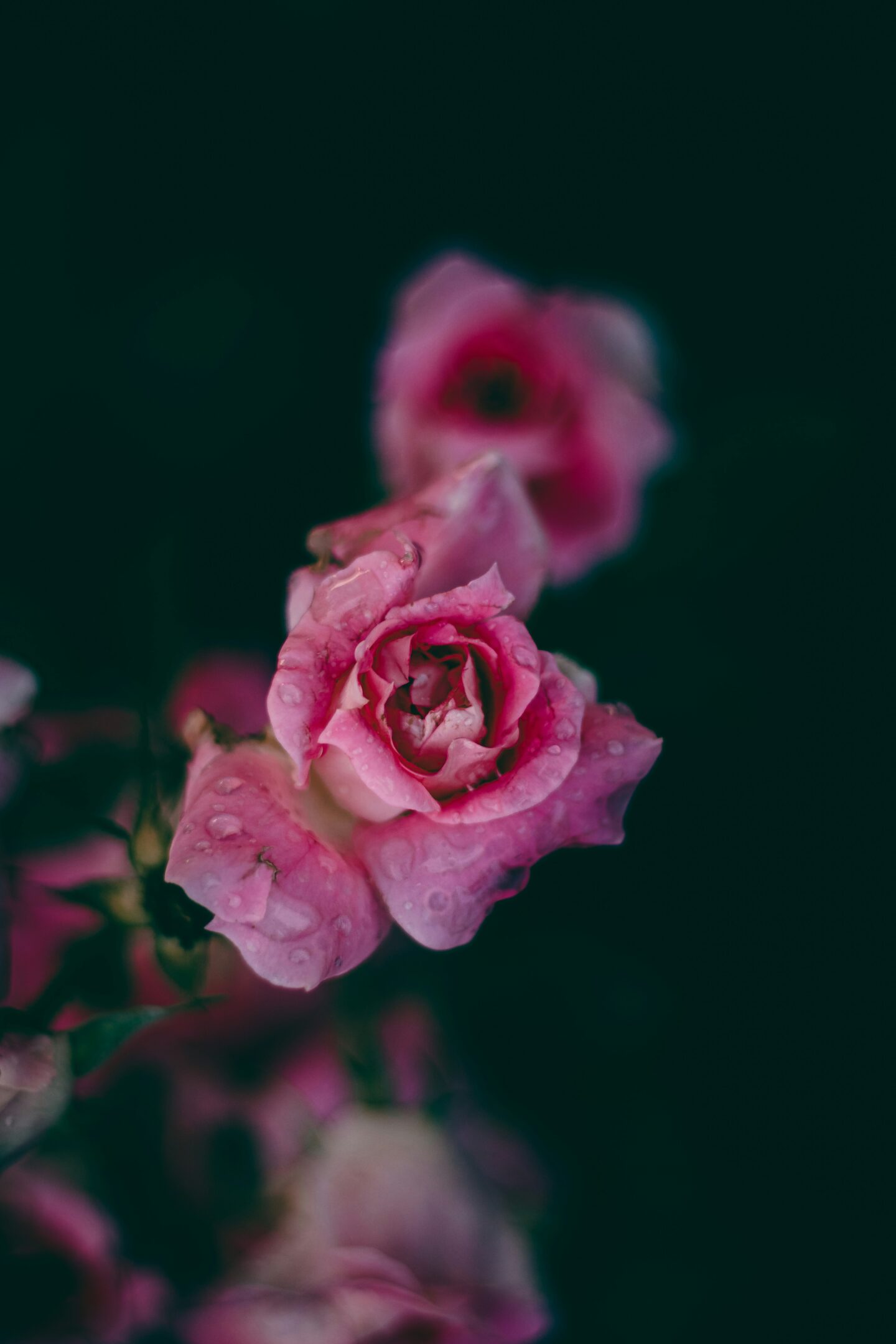
Rose oil is one of the most expensive and prized essential oils in the world. It is extracted primarily from the flowers of the oil-bearing rose Rosa damascena – the Kazanlak rose, whose gardens in the Rose Valley have given Bulgaria a reputation as a leading producer. Approximately 3–4 tons of freshly picked flowers are needed to produce about 1 kg of oil, collected by hand in the early morning hours.
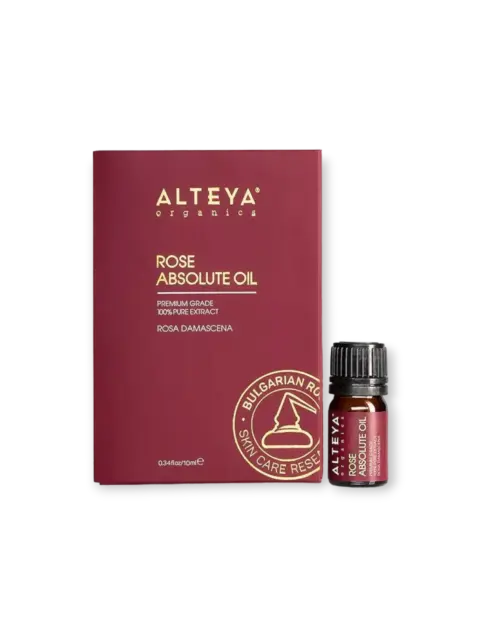
If you are looking for organic rose oil in Burgas, MAKASA is one of the places in the city where you can find high-quality organic certified rose oil – both in the physical store at 22 Aleko Bogoridi Street and online. You can see for example Organic Rose Oil ( Rosa damascena ) Alteya Organics.
Historical significance of roses
Roses have been cultivated and used in various cultures for millennia – in perfumery, rituals and skin care. Three species are most commonly used for the production of aromatic products: Rosa damascena , Rosa alba and Rosa centifolia . Each has its own scent character and its own role in the industry.
Damask rose
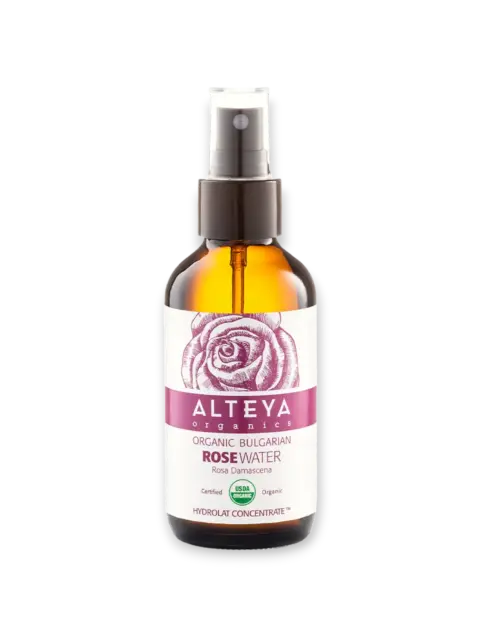
Rosa damascena , also called Kazanlak rose, is the main species for Bulgarian rose oil. It is considered a hybrid between the Gallic and Musk roses, with a possible contribution from Rosa fedtschenkoana.
The species originates from the Middle East; it was introduced to Europe in the 13th century. Today, Bulgaria, Turkey and Iran are among the leading producers. The Kazanlak Valley is world-famous for its oil obtained through steam distillation: the rich soil, temperate climate and traditional hand-picking create the dense, honey-floral profile that the perfume industry seeks for its intensity and durability.
In aromatherapy, damascene oil is associated with calming stress and tension. In cosmetics, it is valued for its hydration, softness, and sense of elasticity of the skin. The labor-intensive extraction explains its high price: several tons of color for one kilogram of oil.
Rosa alba
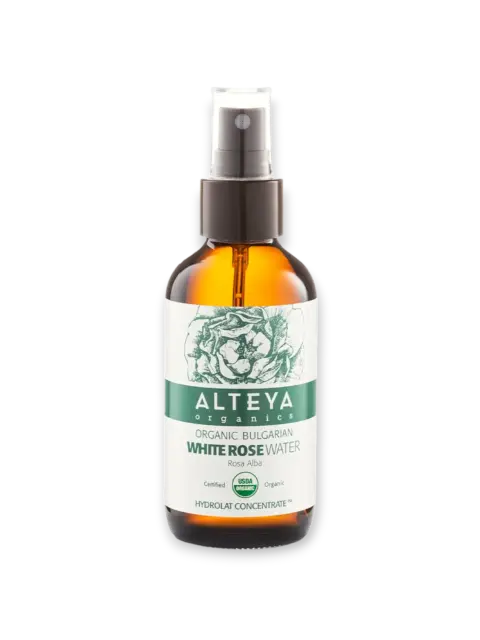
Rosa alba ( Rosa × alba ), also known as the white rose of York, is a hardy European hybrid. The shrub grows to about two meters tall, with pale gray leaves and white to light pink flowers. The fragrance is softer and lighter than that of the damask rose.
The species is resistant to cold and disease, so it is also found in northern gardens (in Sweden and Finland it is known as Mustialanruusu). Alba oil and floral water are rarer; they are used for their delicate aroma and gentler feel on sensitive skin. In the MAKASA store in Burgas you will also find organic rose water from Rosa Alba – the hydrolate that remains after distillation.
Rosa centifolia
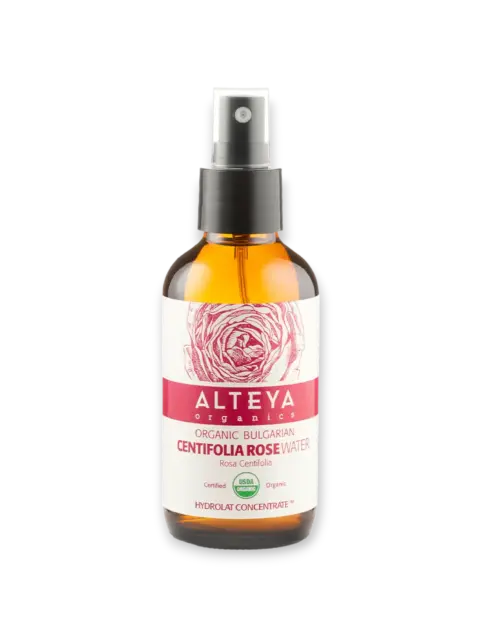
Rosa centifolia ( Rosa × centifolia ), also called the centifolia or Provencal rose because of its dense, spherical flower, is a hybrid selected in the Netherlands between the 17th and 19th centuries.
The shrub is about 1,5–2 m tall, with densely clustered, highly fragrant flowers. The species is associated with Grasse, France – a historical center of perfumery. The oil and absolute have a sweet, honey-fruity character and are often included in luxury compositions. In cosmetics, centifolia is sought after for its softening and nourishing properties; we also have organic rose water from centifolia rose.
How is rose oil extracted?
Extraction is labor-intensive and this determines the price. The two main routes are steam distillation (true rose oil, also called rose otto) and solvent extraction (concrete and absolute). They are not interchangeable products: the different method gives a different chemical and aromatic profile.
Steam distillation: rose oil
The flowers are picked early in the morning, when the content of aromatic substances is highest, and are treated with steam. When cooled, the essential oil is separated from the distilled water. Approximately 3–4 tons of flowers are needed for about 1 kg of rose oil. The water phase is rose water (hydrolate) – a valuable product in itself, for example, Organic Rose Water Hydrolina InaEssentials.
Steam distilled oil is the purest form for aromatherapy. Some of the water-soluble aromatic molecules (including phenylethyl alcohol) remain mostly in the hydrosol, which is why otto and absolute smell different.
Pink concrete
Pink concrete is obtained by solvent extraction (most often hexane): a waxy, highly concentrated mass. After evaporation of the solvent, the concrete serves as a raw material for absolutes or directly in perfumery, where a dense, long-lasting aroma is sought.
Rose absolute
Absolute is extracted from the concrete with alcohol, after which the alcohol is removed. The result is a thick, intense extract with more heavy, "honey" notes. It is used mainly in perfumery and luxury cosmetics. It may contain traces of the extraction process, so steam-distilled essential oil is usually preferred for diffuser and skin at home.
Chemical profile
The therapeutic and perfumery character of Rosa damascena oil comes from a complex mixture of monoterpene alcohols and oxides. In a typical Bulgarian rose oil (otto), citronellol and geraniol are the leading ones, followed by nerol, linalool and traces of rose oxide – the compound that gives the recognizable “pink” note even in minimal amounts. Phenylethyl alcohol is more strongly represented in the hydrolate and absolute than in the otto.
This profile explains why the oil is associated with both a floral softness on the skin and a calming effect when inhaled – without being confused with a medicine and without replacing medical care.
Key benefits for the skin
Anti-aging and regeneration
Rose oil is rich in antioxidant compounds that help the skin cope with oxidative stress from the environment. With regular use in low concentration (in serum or facial oil), a smoother appearance, a feeling of elasticity and support for natural renewal are sought. It does not even out the complexion like an acid peel and does not replace dermatological treatment of scars or pigmentation, but is a valued addition to daily care.
Sebum balance and sensitive skin
Contrary to the expectation that “oil makes you fat”, well-diluted rose oil is used for both oily and dry skin: it helps to feel balanced without clogging pores with the right base. Its antimicrobial and anti-inflammatory properties make it a logical choice in care for acne-prone and redness-prone skin – always diluted and after testing on a small area. It is not a therapy for rosacea, eczema or dermatitis; consult a specialist before using it.
Aromatherapy and emotional balance
The scent of rose is associated with calming, gentleness, and uplifting. A few drops in an ultrasonic diffuser or 1 drop on a tissue for inhalation are often used for tension and emotional fatigue. Rose combines well with lavender , rose geranium , and jasmine absolute . This is an aromatherapeutic support, not a treatment for anxiety or depression.
Methods of application
Aromatherapy and diffusion
For a diffuser, 1–3 drops of pure rose oil or 3–5 drops of a 10% solution in jojoba are enough – the aroma is concentrated. Do not overdo it in small rooms and ventilate. Read more about safe use in How to use essential oils safely?.
Topically on the skin
On the skin, rose oil is always diluted in a base oil – for example, organic jojoba oil . For the face, you usually work with about 0,2–1% (1–6 drops of pure oil per 30 ml of base). The ready-made 3% solution in jojoba from Primavera or the Bulgarian rose oil 10% organic Primavera are convenient if you don’t want to dose the pure oil drop by drop. Apply in the evening on damp skin or mix 1 drop of diluted oil into your cream.
Bath and hair care
Essential oils do not dissolve in water. Before bathing, mix them with a carrier oil, honey or milk, then add to the water. For hair, a few drops in a mask or in length oils add a floral scent; avoid applying undiluted to the scalp.
Where to buy organic rose oil in Burgas
True organic rose oil is expensive, easily imitated, and often sold as “synthetic rose” or heavily diluted without a label. That’s why it’s important to buy it from a place that works with documented, certified batches.
MAKASA is one of the places in Burgas where you can find high-quality organic rose oil – from Bulgarian producers such as Alteya Organics, InaEssentials and Ecomaat, as well as Primavera organic series. In the store at 22 Aleko Bogoridi Street, you can compare the aroma on the spot, ask about dilution and choose pure essence or ready-made 3% / 10% solution.
- Address: Burgas, 22 Aleko Bogoridi Street
- Phone (store): +359 895 85 85 82
- Opening hours: Monday–Friday 10:00–19:00, Saturday 11:00–18:00, Sunday closed (in July–August the hours are extended – see the current schedule on page Contact Us)
- Online: Alteya organic rose oil, organic rose oil InaEssentials, 0,7 ml, Rose essential oil 10% Ecomaat
Recipes with rose essential oil

Rose facial oil

Mix in a dark glass bottle. Apply 3–4 drops to damp face and neck in the evening. For very sensitive skin, start with 1–2 drops of rose per 30 ml base. Store in a cool place, protected from light.
Diffuser Blend Pink Evening

Drop into an ultrasonic aroma diffuser with water according to the device's instructions. Diffuse for 20–30 minutes in the evening. If using pure rose oil instead of a 10% solution, start with 1 drop of rose.
Wellness bath with rose
Mix the essential oils into the jojoba, then spread the mixture in a warm bath (not on plain water). Soak for 15–20 minutes. Rinse the bath afterwards – the oils leave a film on the surface.
Safety and storage
Do not use undiluted on skin. Test behind the ear or on the inside of the forearm and wait 24 hours. Avoid contact with eyes and mucous membranes. Do not take internally. If pregnant, nursing, young children or have chronic illnesses, consult an aromatherapist or physician before use.
Store in a dark glass bottle, tightly closed, in a cool place – see how to store essential oils safely . Pure oil is thick and can solidify in the refrigerator; bring the bottle to room temperature before using.
Conclusion
Rosa damascena rose oil has history, rare yield, and real value in skincare and aromatherapy – as long as it’s real, organic, and properly diluted. If you’re in Burgas and want to smell it before you buy, visit MAKASA at 22 Aleko Bogoridi Street: one of the places in town for high-quality organic rose oil, with on-site advice available.
The information in this article is for educational purposes only and is not a substitute for medical advice. Essential oils are not medicines. For skin or mental health concerns, seek medical attention.
More interesting articles from the blog
- Rose Geranium Essential Oil – Benefits and Uses
- Lavender – the essential oil of antiquity
- The exotic scent of jasmine absolute
- How to use essential oils safely?
- Happy rose bath additive
Categories
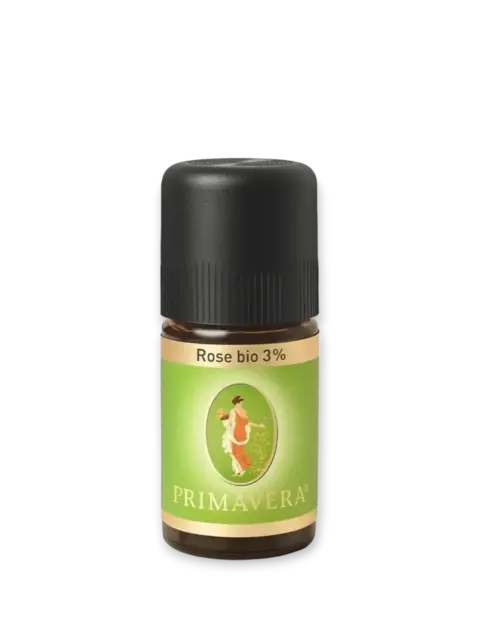
10.90 €Add to cart
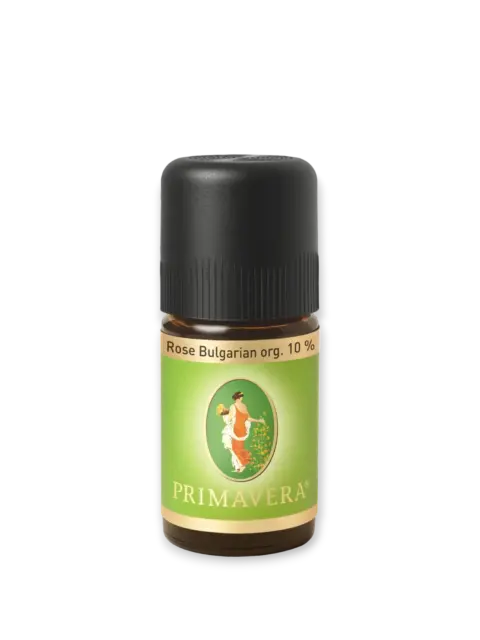
28.90 €Add to cart
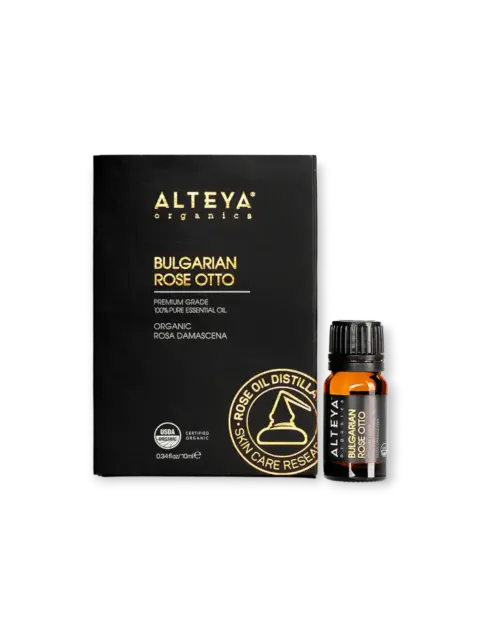
Price range: €39.75 through €269.95Options This product has multiple variants. The options may be chosen on the product page
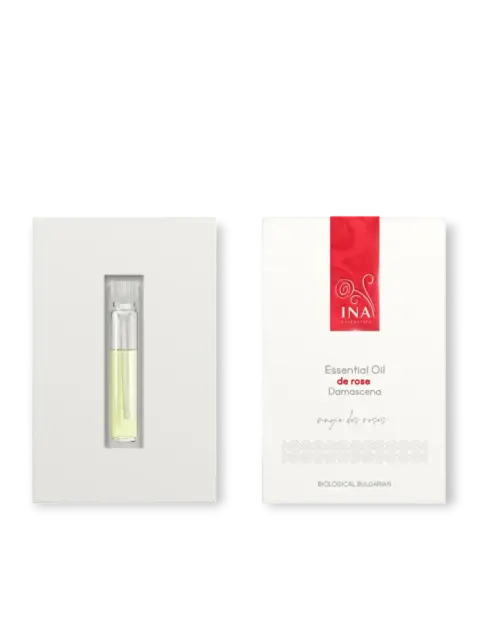
30.50 €Add to cart
Price range: €38.70 through €67.50Options This product has multiple variants. The options may be chosen on the product page
Price range: €6.95 through €9.20Options This product has multiple variants. The options may be chosen on the product page
Price range: €6.95 through €9.20Options This product has multiple variants. The options may be chosen on the product page
Price range: €6.95 through €9.20Options This product has multiple variants. The options may be chosen on the product page
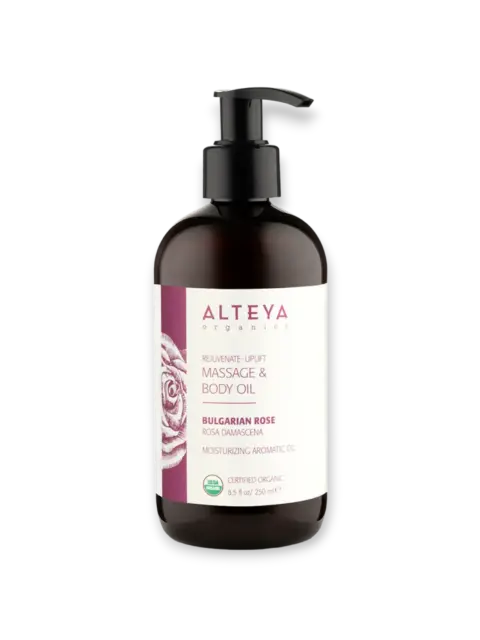
15.95 €Add to cart
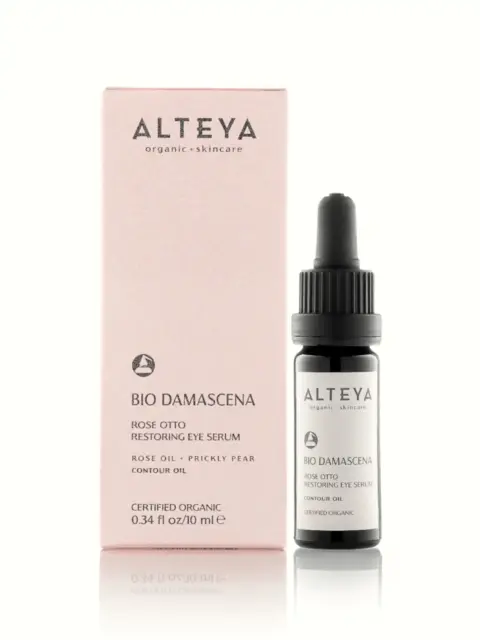
29.95 €Add to cart
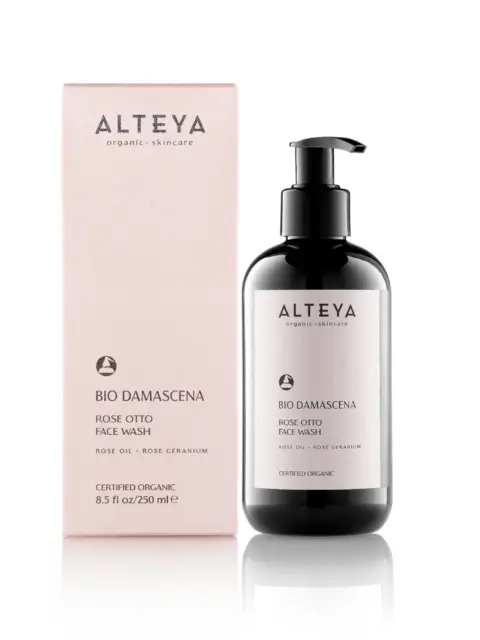
14.95 €Add to cart
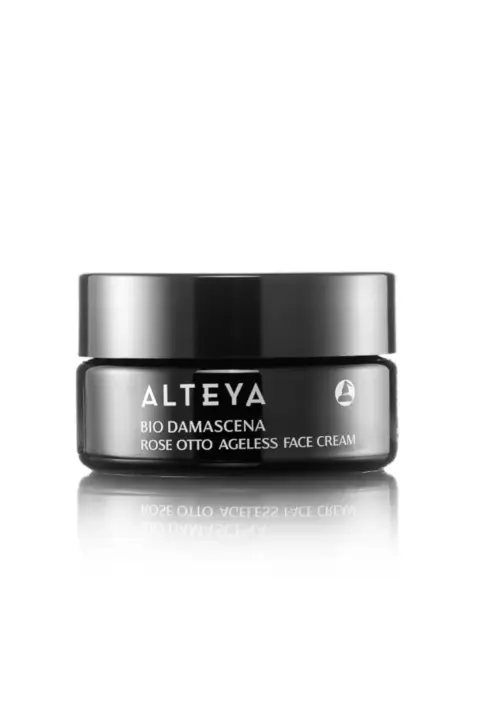
43.95 €Add to cart