
Contents
Natural, organic vegetable (base) oils, which are widely used as ingredients in cosmetics, have been extremely popular in recent years. Despite the great abundance, there is one base oil that can do wonders for both your skin and your hair – this is jojoba oil.
In short
- Jojoba oil is a multifunctional base oil for face, body and hair.
- It is suitable for humidification and for diluting essential oils.
- Its composition (including vitamin E and fatty acids) is close to the skin's natural sebum.

Jojoba oil is a multifunctional oil that can be used as a moisturizer, to dilute essential oils , to increase hair shine, to remove makeup, to soften nail cuticles, as an emollient for rough skin on the feet, as a lip balm, and to relieve skin after sunburn.
The main chemical constituents of jojoba oil are: gadoleic acid (eicosenoic acid), erucic acid, as well as other acids, such as oleic, palmitic, stearic acid. Jojoba oil contains vitamin E and vitamin B complex.
You have surely seen that jojoba oil is often an ingredient in some of your favorite beauty products. In this article, we'll tell you in detail about this glamorous superstar of the vegetable oil world, including what it is, where, how and when to use it, and much more.
Today, jojoba oil is popular and widely used due to its hypoallergenic properties. Its composition contains almost all the vitamins and minerals necessary to improve and maintain the health of the skin and hair. The oil continues to prove its effectiveness even on the most sensitive skin. Jojoba oil has countless benefits, such as its ability to moisturize while cleansing and controlling oiliness of the skin, the ability to improve its appearance and eliminate skin irritations.
What is jojoba oil?
Jojoba oil is the liquid extracted from the seeds of the Simmondsia chinensis plant and is a wax in nature, but is popularly known as an oil. It is known for its stability and longer shelf life, as well as its strong resistance to high temperatures. Jojoba oil is commonly mixed into body lotions, facial moisturizers, shampoos, and conditioners.
The oil itself can also be used on the skin, hair and cuticles of the nails, but always on damp skin that you have previously hydrated with floral water. Never apply base oil to dry skin (this can have the opposite effect (dehydration).
Quality organic/bio jojoba oils are unrefined (heated) and grown using sustainable practices that maintain a healthy, nutrient-rich environment. This allows the growth of a larger number of plants. When the oil has a certificate of organic quality, it is guaranteed that it does not contain any chemical additives found in conventionally grown plants.
How is jojoba oil extracted?
The oil of the jojoba plant is obtained by cold pressing its seeds. After being placed in a special press, the seed oil is squeezed out by tightening the mechanism's screw. In this method, the oil is not heated, as heat can cause it to lose some of its beneficial properties, which would make it less effective. Unrefined jojoba oil has a clear, golden color, is liquid at room temperature, and has a slight nutty aroma. Refined jojoba oil is colorless and odorless.
History of jojoba oil
Extracted from the seeds of the Simmondsia chinensis plant , the liquid known as jojoba oil is not actually an oil, but rather a liquid wax ester. The name "Jojoba" comes from the word "Hohowi," a name given to the seeds by the O'odham Native American tribe , who discovered their versatility and benefits. The tribe created and used an antioxidant paste made from these seeds for skin and hair care.

They used this paste and the oil to treat wounds and burns. Sometimes they ground the seeds and made hot drinks, and in emergency situations or during hunting and raids, they ate the jojoba seeds to survive. Pregnant women believed that eating the seeds would ease childbirth. The nut is made up of 50% wax, which is usually not easily absorbed by the body, meaning it passes through the human intestinal tract unaffected, acting as a laxative.
In the 18th century, native peoples softened the jojoba seeds by heating them and then grinding them in a mortar into an ointment that they used as a cosmetic ingredient on the skin and as a hair conditioner. Ointment was also used to soften and preserve animal hides.
What are the benefits of jojoba oil for the face and body?
Jojoba oil is fantastic for the skin on your face and body. It feels lighter, but at the same time is deeply hydrating and full of nutrients, vitamins and minerals that are integral to skin health. Here are some of the benefits of jojoba oil:
- Moisturizes the skin
The reason the oil has such a powerful hydrating effect is because of its ability to act just like our skin's natural oils. When using the oil on your skin, it is recommended to apply it immediately after cleansing so that it is fully absorbed. Always apply base oils to still damp skin that has been spritzed with floral water. Thus, the oil will further seal in this beneficial moisture and enhance the hydrating effect.
You can also mix it with your favorite moisturizer for an even stronger hydrating effect, but make sure you use an oil-based product, as oil won't mix well with water-based formulas.
- Softens rough cuticles
Due to its rich content of fatty acids, jojoba oil helps to soften and soothe chapped cuticles. Apply a small drop to the desired area and massage. If there is excess oil, massage into back of hands and palms to keep hands hydrated and smooth.
- Nourishes and softens dry lips.
Thanks to its nourishing vitamins and minerals, jojoba oil can soothe dry, chapped lips. It absorbs very easily, so you don't have to worry about it leaving a greasy residue. Apply the oil to dry, chapped lips daily, in the evening before going to bed.
- Relieves sunburns
The powerful antioxidant vitamin E helps reduce inflammation and accelerate cell regeneration in both the body and skin, making jojoba oil a great skin reliever after sunburn. Massage a quarter of the amount onto damp skin into sunburned areas to reduce inflammation and achieve a soothing effect.
- It has antibacterial properties
Jojoba oil helps relieve combination, irritated skin by controlling sebum production. It contains a large amount of iodine, which fights bacterial growth leading to rashes. Apply 1 drop in the morning and evening on damp skin prone to irritation.
- Eliminates wrinkles
With vitamin B complex to fight free radicals and repair cell damage, and vitamin E to help accelerate cell regeneration, jojoba oil is a great anti-aging ingredient. Use it by applying to clean and dry skin in the morning and evening.
- Soothes eczema-prone skin
The combination of vitamin E and iodine helps heal inflamed or compromised skin, such as that suffering from eczema. Rub a small amount of oil on the affected areas to soothe and relieve inflammation.
- Has a low comedogenic index (no danger of clogging pores)
If you're worried that jojoba oil might cause breakouts on your face, don't: its composition is very similar to the sebum that is secreted by our skin, so there's no danger of it clogging your pores. However, it is not recommended to use jojoba oil on oily and comedogenic skin.
- It can remove makeup
It can also be used as a makeup remover. Oil is a great way to remove excess dirt without drying out the skin. Gently massage the oil all over the skin in circular motions and wipe off with a warm, wet cloth.
- It can be used as a base for diluting essential oils
A wonderful base for diluting essential oils, for various cosmetic products made at home. Due to its higher stability, due to the content of vitamin E, jojoba oil is suitable as a basis for various synergistic blends.
What are the benefits of jojoba oil for your hair?
When added to conditioners or used alone, jojoba oil can be used to protect your hair from dryness, breakage and split ends. Here's how the oil can take care of your hair:
- Moisturizes hair
Thanks to the fatty acids and other vitamins and nutrients, jojoba oil is a great treatment for dry hair. Massage the oil itself into freshly washed hair and leave it overnight to penetrate and nourish the strands.
- Prevents flowering
Similar to the way jojoba oil heals the skin, it can also help heal the damaged ends of your hair. You can use it as a hair mask at night once or twice a week, or add the oil to your conditioner and apply to the ends for 30 minutes and then rinse.
- Accelerates hair growth
High concentrations of vitamins and minerals from groups B and E enhance hair density and growth. Jojoba oil also contains zinc and copper, which are essential for good hair health, making strands healthier and reducing the risk of hair loss.
How should you use jojoba oil?

There isn't just one right way to use jojoba oil: how often and how you apply it depends on the results you want to achieve. However, the evening is the optimal time to use it. If you have dry skin, you can use jojoba oil daily or even twice a day. Remember, always apply the oil to wet skin, you can spray with floral water beforehand!
Jojoba oil is quickly absorbed into the skin without leaving a residue, so there is no need to wash it off. It is recommended that you only rinse it off if you use it as a make-up remover or hair treatment at night, then you should shampoo it in the morning.
As already mentioned, jojoba oil is great for the skin and face, but when it comes to makeup, there are a few things you should know. Do not use the oil directly under the foundation, as it can quickly break down the makeup. It would be better to apply a makeup base for your skin type, then mix a drop or two of oil into your foundation before applying it to give your skin a healthy and glowing look.
How to choose the best jojoba oil for your skin and hair?
When shopping for jojoba oil, make sure it's 100% pure – organic, cold-pressed, unrefined – because processed oil, which contains preservatives and other ingredients, can irritate the skin and cause unwanted side effects, such as eczema or allergic reactions .
It's also important to look at the ingredients list to make sure jojoba is listed as the main ingredient and not as an added byproduct.
Frequently Asked Questions
What is jojoba oil used for?
Jojoba is a liquid wax, similar to skin sebum. It is used for face, body and hair as a light moisturizer. In the store you can find: organic jojoba oil in the category base oils.
How is jojoba applied to the face and hair?
A few drops on clean skin or on the lengths of hair. Can be a carrier for essential oils. No need to rinse off the face.
Is jojoba suitable for oily skin?
It is often chosen for combination and oily skin because it does not leave a heavy oily film. For acne or sensitive skin, test on a small area.
Conclusion
In addition to all the skin benefits listed, jojoba oil also offers hair care benefits. It can help nourish hair, prevent protein loss, improve breakage resistance and improve hair shine. Its non-comedogenic properties also make it suitable for use in various cosmetic products, such as moisturisers, balms and lipsticks.
Jojoba oil's versatility and natural gentle properties have made it a favorite choice for skin and hair care, offering a wide range of benefits for those looking for natural solutions to common skin and hair problems. Whether you're looking to hydrate, soothe or protect, jojoba oil is a versatile and effective option to consider.
The information in this article is for informational purposes only and is not a substitute for professional medical advice.
More interesting articles from the blog
- Almond oil – properties for skin and hair
- Black cumin oil – benefits and uses
- Cocoa butter – skin benefits
- Argan oil – the gold of Morocco
- Hemp oil – an elixir for the skin
Categories
- Aromatherapy
- Essential oils
- Carrier oils
- Diffusion methods
- Natural cosmetics
- Recipes with essential oils
- News

Written by: Kremena Petrova; translated by: Nadezhda Georgieva
Sources: Wikipedia, Good Housekeeping, Healthline, New Directions Aromatics
Photos: Adobe Stock, all rights reserved
 Discount: -20%
Original price was: €18.90.15.12 €The current price is: €15.12.Add to cart
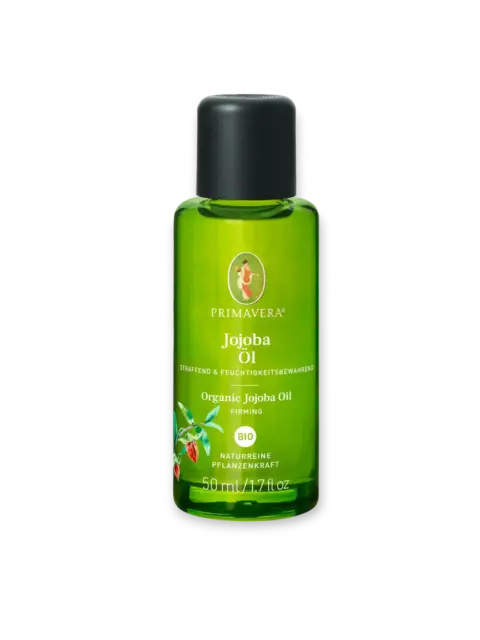 Discount: -20%
Original price was: €10.90.8.72 €The current price is: €8.72.Add to cart
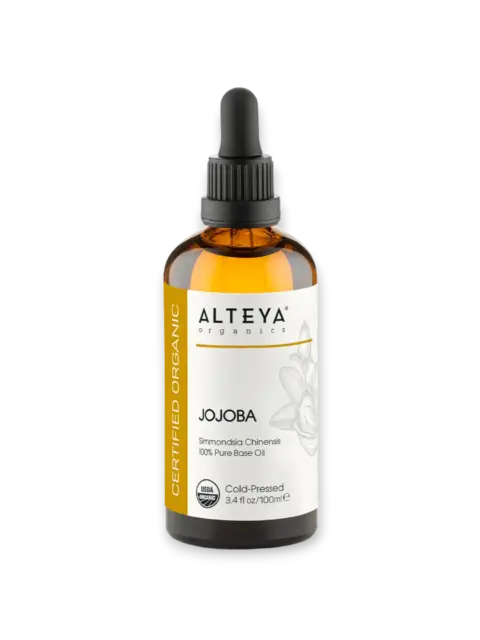
11.50 €Add to cart
7.15 €Add to cart


