

One of the most popular essential oils , eucalyptus is well known for its wonderful benefits and uses for respiratory problems, including relieving nasal congestion from colds, flu, fever, and even bronchitis. It is a great essential oil for massage or other topical blends to relieve muscle pain and arthritis.
In this article, we will tell you a little more about the types, the benefits of its use and how we can apply it in our daily lives. The eucalyptus tree is often associated with koala bears, as its leaves are their main source of food. Most of the 700 varieties of eucalyptus grow as trees, while others grow as shrubs. Despite the many varieties of eucalyptus, they all share common characteristics, including their fresh, clean camphor aromas, which are sometimes described as notes of lemon, mint or woody nuances. Its exceptional properties are well known to the Aboriginal people of Australia, who used it to heal various injuries.
Today, eucalyptus continues to be a popular essential oil, used in various cosmetic products such as creams, ointments, as well as in pastes and oral hygiene products to support the respiratory system, improve oral health, and soothe various health ailments.
Interesting facts about eucalyptus essential oil
An English legend tells of the first use of eucalyptus tree leaves for medicinal purposes: When an early English settler's thumb was accidentally severed with an axe, his father advised him to apply a bandage made of tied eucalyptus leaves around the stitched incision—something he had learned from studying Aboriginal folk medicine.
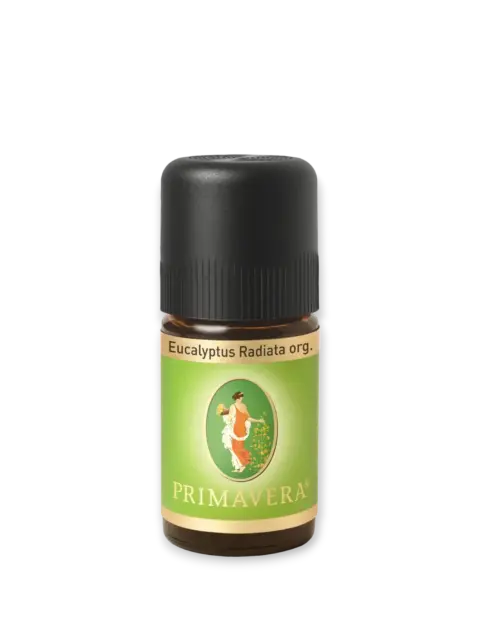
The surgeon who later examined the wound was impressed by the speed of healing and the absence of infection in the finger. As stories like this spread throughout Australia, pharmacists began to develop a plan for the commercial production of eucalyptus oil. Shortly thereafter, the leaves of the Eucalyptus radiata species began to be distilled.
Origin and types of eucalyptus oil
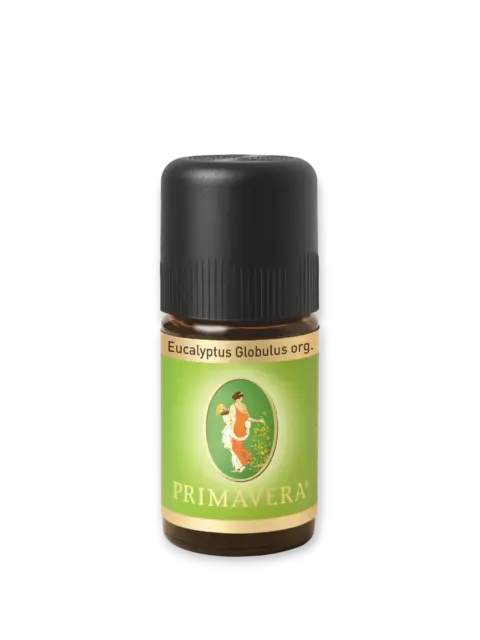
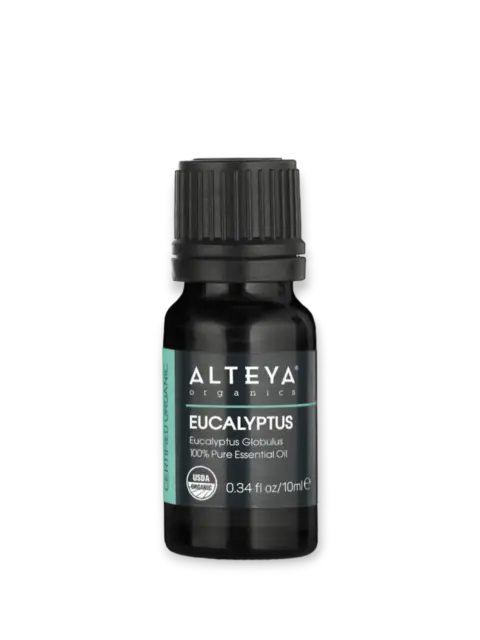
Although Australia is the leading source of eucalyptus oil, its production is also widespread in other parts of the world, including Brazil, Europe, China, and India. Of the 700 species of eucalyptus worldwide, approximately 500 produce essential oil, and the world's eucalyptus oil production is primarily from the species Eucalyptus globulus.
The difference between Eucalyptus globulus and Eucalyptus radiata comes down to slight variations in their therapeutic properties and aroma, with Eucalyptus globulus being the stronger of the two in both respects. However, Eucalyptus radiata has exceptional healing properties and many users who are new to essential oils prefer it for its softer, sweeter aroma.
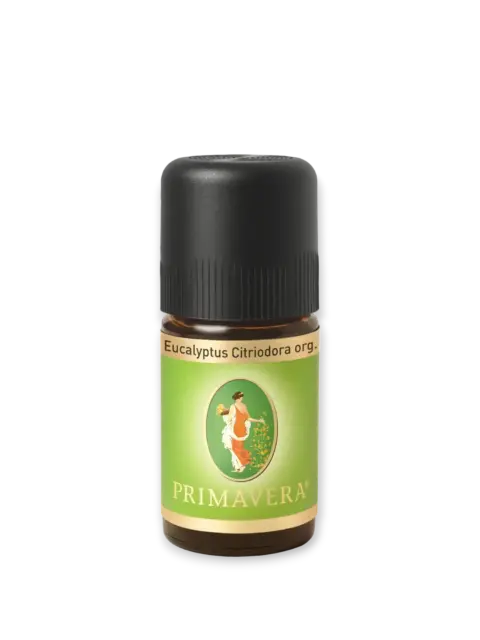
Eucalyptus citriodora – also known as lemon eucalyptus essential oil, is obtained by steam distillation of the leaves and branches of the Eucalyptus citriodora plant . Although it belongs to the eucalyptus family, lemon eucalyptus essential oil does not have the distinctive cineole (camphor-like) aroma found in Eucalyptus globulus and Eucalyptus radiata . Instead, this variety has a lovely, sweet lemon scent.
Lemon eucalyptus essential oil contains citronellol, an aldehyde that is responsible for its aroma, antimicrobial properties, and insect repellent properties.
Eucalyptus dives – is obtained by steam distillation of the leaves of the peppermint tree. It has a strong herbal, woody, minty aroma that stimulates and uplifts the mood.
Eucalyptus dives has incredible therapeutic properties. Use it to stop a runny nose and sneezing. Its refreshing properties can help treat tired feet in a relaxing bath after a tiring day. The stimulating aroma can help boost your motivation when you lack the necessary desire.
Eucalyptus essential oil is one of the favorite oils for use in the household – as an additive or as a main ingredient in cleaning products. After using a cleaner with eucalyptus oil, your home will smell fresh and clean. It effectively removes grease and dirt, making it an excellent cleaning product for the kitchen. It can also be mixed with homemade hand soaps and laundry detergents.
Added to natural household sprays, it can be used to clean toilets, floors, countertops, and windows. Its fresh scent makes it an effective fabric freshener, and it can be mixed with lemon or tea tree essential oils diluted with water and then sprayed inside shoes. Eucalyptus oil is also effective in removing mold in the bathroom.
Another application is in facial cosmetics - it can even out the complexion and tone the skin, especially that prone to pimples.
Benefits of eucalyptus oil
The active chemical components of eucalyptus essential oil contribute to its reputation as a purifying and immune-boosting oil, ideal for both topical use and aromatherapy. It is known for its ability to reduce and eliminate harmful bacteria as well as infections on contact. Other benefits include: facilitating breathing, enhancing feelings of relaxation, creating a refreshing sensation when used in massages, and calming nervous tension. These beneficial healing benefits are due to the oil’s anti-inflammatory, antispasmodic, antiseptic, antibacterial, and stimulant properties, among other valuable properties.
Eucalyptus oil is a versatile essential oil with a wide range of practical uses. It offers various health benefits and can be used in a variety of ways. Here are some main uses and benefits of eucalyptus oil:
Respiratory health
Eucalyptus oil is effective in improving respiratory conditions such as asthma, bronchitis and sinusitis.
It helps clear the nasal passages, reduces inflammation, and provides relief from a runny nose, making breathing easier.
It can be inhaled through an inhaler or used in diffuser.
Cough relief
Eucalyptus oil serves as a natural cough and cold reliever.
It acts as an expectorant, helping to remove mucus and relieve cough symptoms.
It can be applied topically to the breasts or used in homemade steam rubs.
Seasonal allergies
Eucalyptus oil can help relieve the symptoms of seasonal allergies.
It has anti-inflammatory properties and can modulate the immune response.
Diffusing eucalyptus oil at home or applying it topically can provide relief.
Prevention of infections
Eucalyptus oil has antimicrobial properties that make it effective against bacteria, viruses and fungi.
It can be used to disinfect surfaces, clean your home, and prevent mold growth.
It is also useful in treating wounds and can be applied to cuts, burns, and insect bites.
Reducing pain and inflammation
Eucalyptus oil is known for its ability to reduce muscle pain and swelling.
It can be applied topically, often diluted with base oil, to relieve pain.
Inhaling eucalyptus oil can help relieve pain, making it useful for headaches and even recovery from surgery.
Mental clarity and increased energy
Eucalyptus oil can invigorate and promote mental activity.
It promotes relaxation and relieves tension, making it a useful remedy for headaches.
It can be diffused or applied topically.
Immune system support
Eucalyptus oil can boost your immune system when combined with other essential oils.
Diffusing it at home or at work can boost your body's defense mechanisms.
Oral health
Eucalyptus oil can be used as an ingredient in mouthwash to combat bad breath and maintain oral hygiene.
It should not be swallowed and should be spit out after gargling.
Recipes with eucalyptus essential oil

Liquid hand soap for deep cleansing from bacteria
- ¼ cup distilled water
- ¼ cup Dr. Liquid Castile Soap Bronner's
- 1 ½ teaspoons vitamin E
- 1 ½ teaspoons sweet almond oil or jojoba
- 10 drops eucalyptus essential oil
- 5 drops tea tree essential oil
- 5 drops lemon essential oil

Mix water and liquid soap in a glass pump bottle, add vitamin E, sweet almond oil and essential oils. Close and shake well.
An inhaler for energy and focus
- 4 drops eucalyptus essential oil
- 4 drops frankincense essential oil
- 4 drops peppermint essential oil
- 4 drops rosemary essential oil
- 4 drops sandalwood essential oil
- Materials: Pre-cut cotton swab and inhaler refill

Place the swab in the inhaler tube, drop the essential oils directly onto the swab. Open the inhaler and inhale deeply five times when you need a quick, focused boost of energy and mental clarity.
Conclusion
The information in this article is for educational purposes only and is not intended to be a basis for prevention or treatment! The International Federation of Professional Aromatherapists (IFPA) does not recommend that essential oils be taken internally unless under the supervision of a physician qualified in clinical aromatherapy! Like medications, essential oils should be treated with respect. It is important to seek professional advice and carefully follow the instructions listed on the packaging of the products you purchase. When storing essential oils, it is important to be aware that light, heat, and oxygen can affect the integrity of the oil. Products should come from a reliable source, be certified by the appropriate authority in the specific country, to ensure their quality. Carefully following the instructions reduces the risk of compromising your health.
More interesting articles from the blog
- Oregano oil – for respiratory problems
- Ravintsara essential oil – benefits and uses
- Tea tree essential oil – uses and benefits
- Thyme essential oil – benefits and uses
- Pine oil – the ancient medicinal plant
Categories
Price range: €6.90 through €9.90Options This product has multiple variants. The options may be chosen on the product page
8.90 €Add to cart
5.75 €Add to cart
7.90 €Add to cart