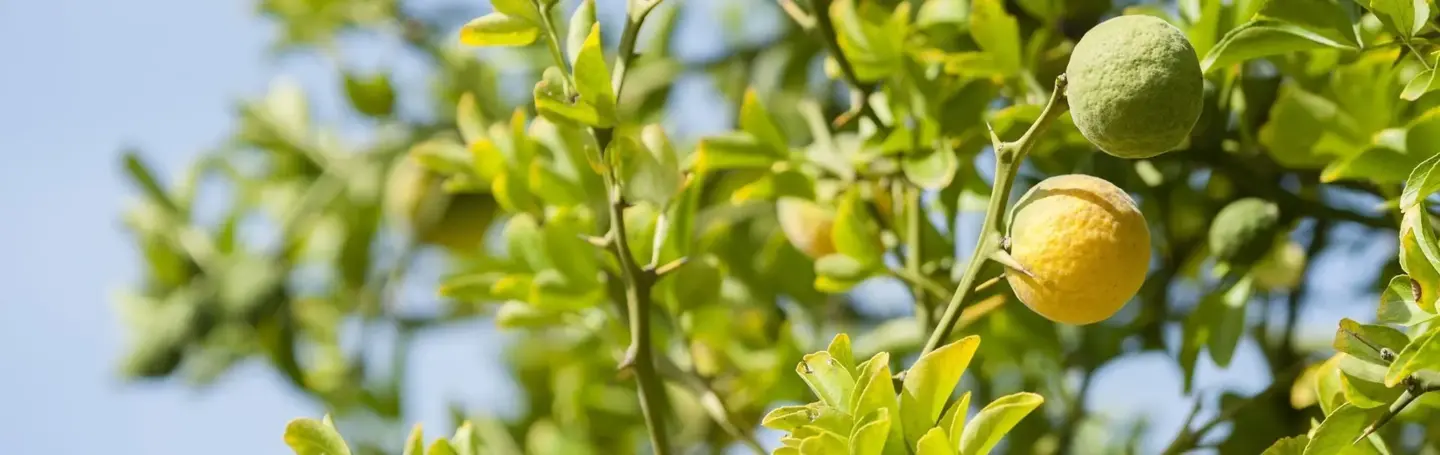
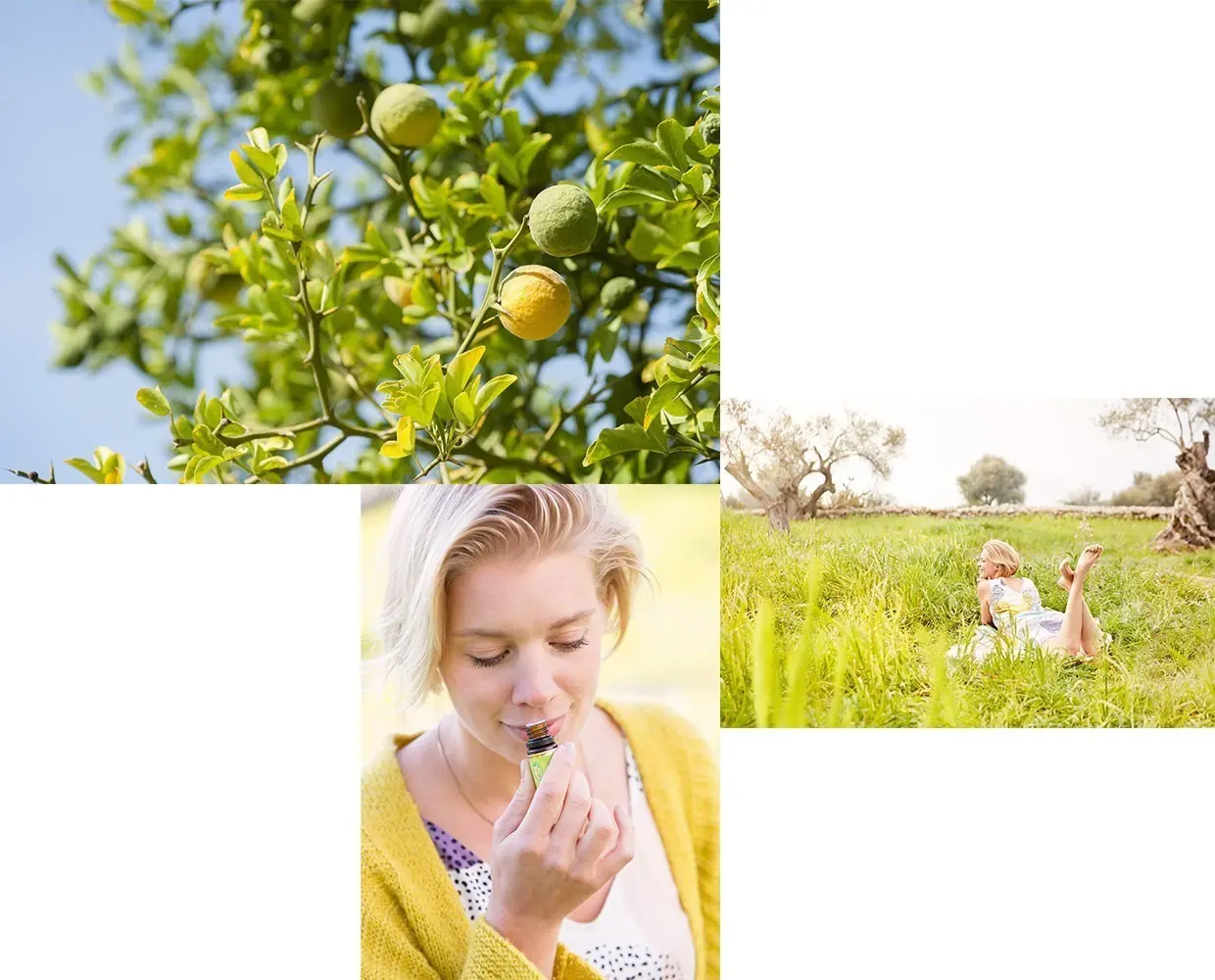
Bergamot essential oil is extracted by cold pressing the rind of the fruit of the Citrus bergamia tree. This hybrid citrus species is grown primarily in the coastal regions of Calabria, southern Italy, where specific climatic conditions and soil contribute to the high quality of the raw material and ensure its status as a Protected Designation of Origin (PDO). Bergamot is recognized worldwide not only as a key flavoring in the classic Earl Grey tea and a major ingredient in perfumery, but also as an extremely valuable therapeutic agent in modern aromatherapy and clinical practice. Its chemical profile combines the refreshing properties of citrus with the calming characteristics of floral oils, making it applicable to various physiological and psychological conditions.
Chemical profile and active components
The therapeutic effectiveness of bergamot essential oil is due to its complex chemical composition, which includes over 90% volatile compounds and a small percentage of non-volatile fractions.
- Limonene:It represents between 25% and 53% of the oil composition. Limonene is a monoterpene characterized by strong antioxidant, anti-inflammatory and analgesic properties. It helps neutralize free radicals and protects cells from oxidative stress, including lipid damage.
- Linalyl acetate:It is found in concentrations of 15% to 40%. This ester is responsible for the oil's powerful antispasmodic and anti-inflammatory effects.
- Linalool: It represents between 2% and 20% of the oil. Linalool is a monoterpene alcohol with proven sedative, anxiolytic (anti-anxiety) and neuroprotective effects. The presence of high levels of linalool and linalyl acetate makes the chemical profile of bergamot functionally similar to that of lavender.
- Gamma-terpinene and beta-pinene (γ-terpinene, β-pinene): They support the antimicrobial activity of the oil and contribute to its chemical stability.
- Non-volatile compounds (Furocoumarins): The oil contains between 4% and 7% pigments, waxes and furocoumarins, among which the most significant is bergapten (5-methoxypsoralen). Bergapten is a photosensitizing compound that is crucial for safety regulations for topical application.

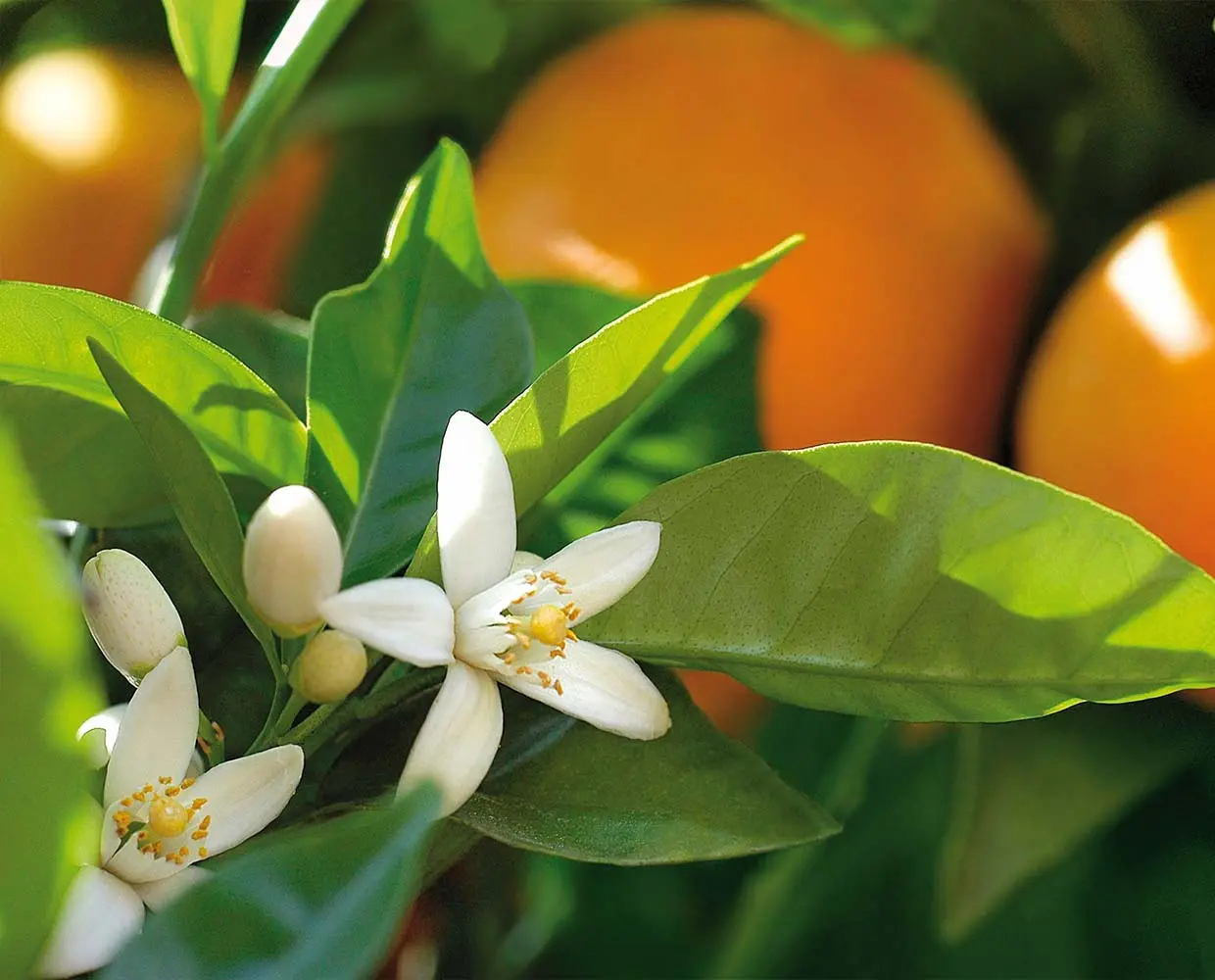
HARVEST
In winter, hand picking

PART OF THE PLANT
The skin of the fruit

METHOD OF EXTRACTION
Cold pressing
Main therapeutic benefits and applications
Regulation of the nervous system and emotional health
Scientific research has shown that bergamot essential oil has a direct effect on the central nervous system. Inhalation of the oil molecules stimulates olfactory receptors and transmits signals to the limbic system, which leads to activation of the parasympathetic division of the autonomic nervous system. Clinical studies have found that bergamot reduces levels of cortisol (the main stress hormone) and modulates the release of key neurotransmitters such as glutamate and gamma-aminobutyric acid (GABA) in the hippocampus.
These mechanisms account for its effectiveness in reducing symptoms of anxiety, depression, and burnout. The use of bergamot in clinical settings – for example, in medical professionals with high workloads or in patients recovering from addictions in rehabilitation programs – has shown significant improvements in sleep quality, reductions in subjective feelings of fatigue, and relief of psychological tension.
Cardiovascular health and metabolic balance
Bergamot extracts and derivatives have demonstrated potential in supporting cardiovascular health and metabolism. The active components help modulate lipid profiles. Research data suggest that long-term administration of bergamot polyphenols and bioactive compounds can reduce total cholesterol, triglycerides, and low-density lipoprotein (LDL) levels, while increasing high-density lipoprotein (HDL) levels. In addition, antioxidant components protect vascular endothelium from free radical damage and activate enzymes (such as AMPK) that regulate energy metabolism, insulin sensitivity, and glucose tolerance.
Anti-inflammatory, antimicrobial action and tissue regeneration
Bergamot essential oil has a broad spectrum of antimicrobial activity against various pathogens. The compounds limonene, linalool, and linalyl acetate demonstrate a synergistic effect in suppressing inflammatory processes in the body by reducing the expression of proinflammatory cytokines. In laboratory models, it has been found that topical application of the oil promotes tissue regeneration, increases collagen content in the skin, and accelerates wound healing.
Neuroprotective properties
Modern research reveals the potential of bergamot in the field of neuroprotection. It has been found that the essential oil can counteract neurotoxicity and cellular damage caused by exposure to heavy metals (such as cadmium, mercury and lead). By reducing intracellular oxidative stress, preserving glutathione levels and stabilizing mitochondrial function, bergamot extract protects neurons from degeneration and apoptosis (cell death).
Supporting women's health
Thanks to its analgesic properties, due to linalool and limonene, bergamot finds application in pain management. In women suffering from premenstrual syndrome (PMS) and dysmenorrhea (painful menstruation), aromatherapy interventions with bergamot help relieve physical cramps, regulate emotional fluctuations, and reduce irritability by lowering the activity of the sympathetic nervous system.
Application methods
Aromatherapy and inhalation
Diffusion is the safest method for influencing the emotional state and purifying the air in enclosed spaces. It is recommended to add 4 to 6 drops of essential oil to an ultrasonic diffuser. This method does not pose a risk of phototoxicity and can be applied at any time of the day. In the morning, bergamot has an invigorating and toning effect, while evening diffusion promotes relaxation and preparation for sleep. Personal aroma inhalers (15-20 drops on a cotton swab) are an alternative option for dealing with stress in a work environment.
Topical application to the skin
When applied topically, bergamot essential oil must be diluted in a carrier oil (almond, jojoba, coconut or olive oil). The recommended concentration for safe dermal application is between 1% and 3% (approximately 3 to 9 drops of essential oil per 30 ml of carrier oil). The diluted oil can be used for relaxing massages, added to cosmetic products to balance oily skin or treat local imperfections. With this method, it is imperative to strictly follow the safety rules related to phototoxicity.
Wash-off products and baths
Adding 3 to 4 drops of bergamot essential oil, previously dissolved in a carrier oil or Epsom salts, to the bath provides a relaxing effect. The use of the oil in rinse-off cosmetic formulas (soaps, shower gels, shampoos) is safe, as the active compounds do not remain permanently on the epidermis.
Recipes with bergamot essential oil
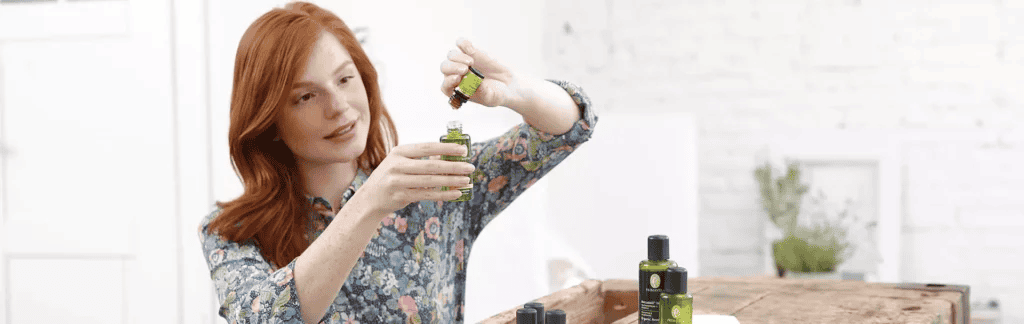
Body spray for PMS
- 50 ml rose water
- 10 drops of organic clary sage
- 8 drops organic bergamot
- 6 drops of Turkish rose 10% organic
- 2 drops ylang-ylang (full extract) organic
Mix the essential oils with the rose water. Shake well before each use and spray on the face and body as needed. Enjoy the moment.
Blend "Happiness"
- 5 drops of organic orange
- 2 drops organic bergamot
- 4 drops organic grapefruit
Drop essential oils directly into an aroma lamp, diffuser (nebulizer) or onto an aromatic stone.
Relaxing body oil
- 50 ml organic sweet almond oil
- 7 drops organic bergamot
- 4 drops vanilla extract
- 2 drops of ylang-ylang bio
Add essential oils to almond oil and shake well. Massage onto slightly damp skin after an evening shower.
Revitalizing body oil
- 50 ml almond oil
- 4 drops organic bergamot
- 3 drops of petigren bio
- 2 drops of palmarosa bio
- 2 drops of Ho-Leaf organic
Drop the essential oils into the almond oil and shake well. It is best to apply to damp skin in the morning after a shower.
Blend "Self-esteem"
- 8 drops organic bergamot
- 5 drops organic cedarwood
- 5 drops of cypress bio

Drop essential oils directly into an aroma lamp, diffuser, or onto an aromatic stone.
Safety, phototoxicity and contraindications
Bergamot essential oil requires strict safety regulations, mainly due to the presence of photosensitizing compounds.
Phototoxicity and effects of bergapten
Cold-pressed bergamot essential oil contains bergapten (5-methoxypsoralen), a type of furocoumarin. When bergapten molecules are applied to the skin and subsequently exposed to ultraviolet (UV) light (from direct sunlight or tanning beds), they become activated and cause a severe phototoxic reaction. This reaction damages the DNA of skin cells and leads to inflammation resembling severe sunburn, blistering, and permanent hyperpigmentation (darkening of the skin) that can last for months. Side effects can occur within the first 24 hours after application and peak between 36 and 72 hours after exposure to UV rays.
UV radiation avoidance rule
When using standard, cold-pressed bergamot essential oil on the skin, sun exposure or tanning beds should be avoided for a minimum of 12 to 24 hours after application. It is recommended that the treated areas be protected with thick clothing. To avoid risk, topical application of unfiltered oil should only be done in the evening hours.
FCF (Furocoumarin-Free) Bergamot Essential Oil
To eliminate the risk of phototoxicity, the industry offers a purified version of the oil, labeled FCF (Furocoumarin-Free) or Bergapten-Free. In this version, the furocoumarins are completely removed through a process of fractional distillation. The aromatic and therapeutic profile of the oil is preserved, but it is completely safe for topical application during the day. For products that remain on the skin (creams, lotions, perfumes), the use of FCF bergamot is the only safe option for all-day use.
Additional precautions
- Pregnancy and children: Inhalation is considered safe during the second and third trimesters of pregnancy, as well as in children over 6 years of age. Topical application requires a high degree of dilution and strict adherence to photosensitivity rules.
- Pets: Citrus essential oils are toxic to cats due to the lack of specific enzymes in their livers to process terpenes. Topical contact should be avoided and diffusion should be done in well-ventilated areas that the animal does not have access to.
- Medical interactions: Patients undergoing photodynamic therapy (such as PUVA) should completely avoid all essential oils containing furocoumarins due to the risk of adverse skin reactions.
More interesting articles from the blog
- Myrrh Oil – The Mysteries of Antiquity
- Frankincense – the golden essential oil
- Immortelle – the herb of the Mediterranean
- Vetiver essential oil – the scent of the earth
- Essential oils – uses and benefits in aromatherapy
Categories
- Aromatherapy
- Essential oils
- Carrier oils
- Diffusion methods
- Natural cosmetics
- Recipes with essential oils
- News
Sources:
https://pmc.ncbi.nlm.nih.gov/articles/PMC6392855/ https://pmc.ncbi.nlm.nih.gov/articles/PMC11545342
https://pmc.ncbi.nlm.nih.gov/articles/PMC12044709/ https://pmc.ncbi.nlm.nih.gov/articles/PMC12024135
https://pmc.ncbi.nlm.nih.gov/articles/PMC12332428
https://pmc.ncbi.nlm.nih.gov/articles/PMC9859127/ https://www.newdirectionsaromatics.com/blog/phototoxicity-and-safety-using-essential-oils
https://www.primaveralife.com/aromatherapie/pflanzenglossar/bergamotte
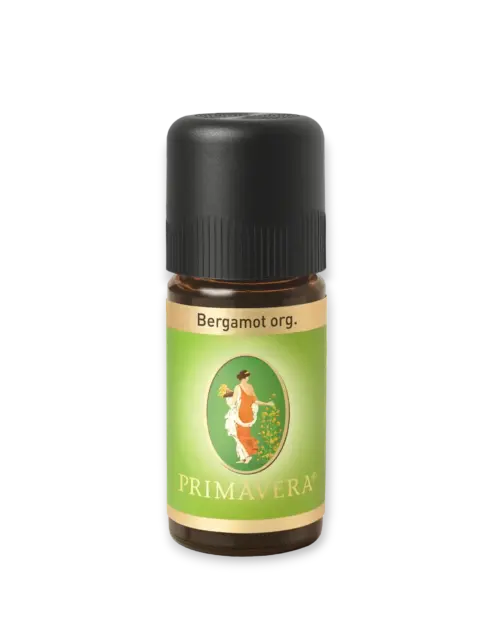
14.90 €Add to cart

8.90 €Add to cart
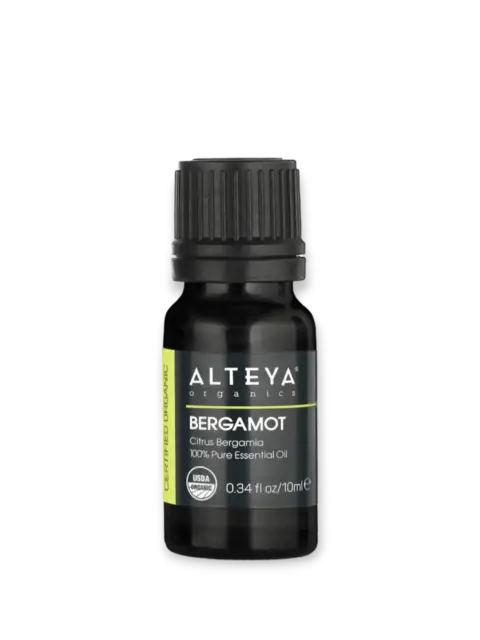
5.95 €Add to cart
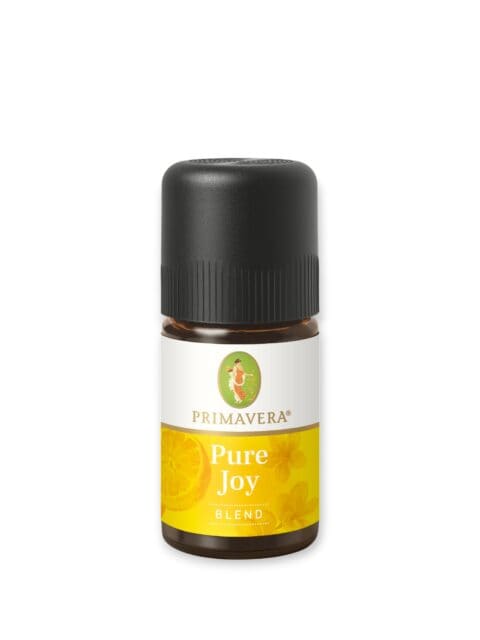
9.90 €Add to cart
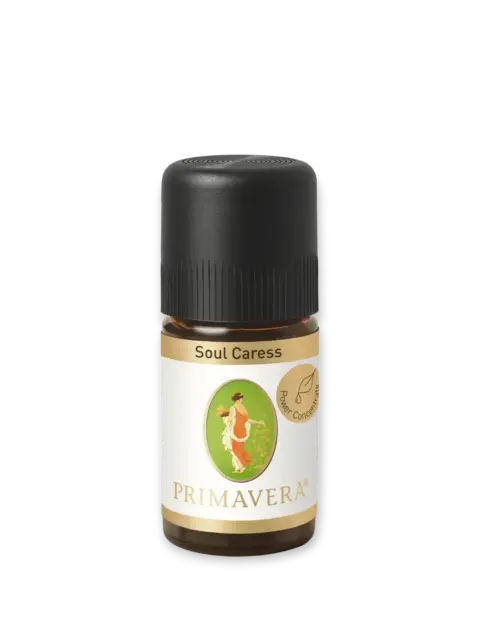 Discount: -20%
Original price was: €19.90.15.92 €The current price is: €15.92.Add to cart
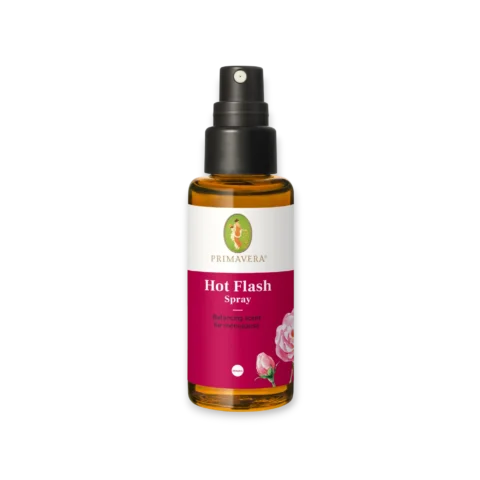
16.90 €Add to cart
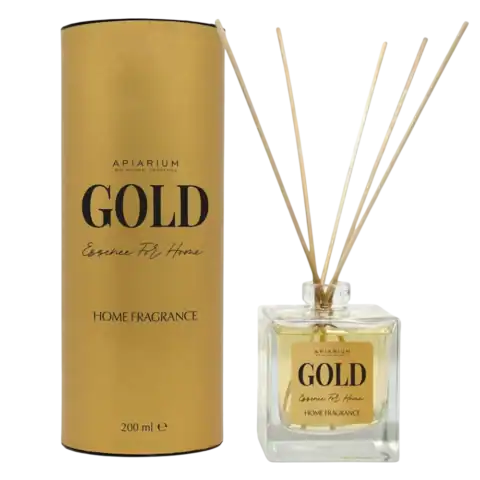
32.00 €Add to cart
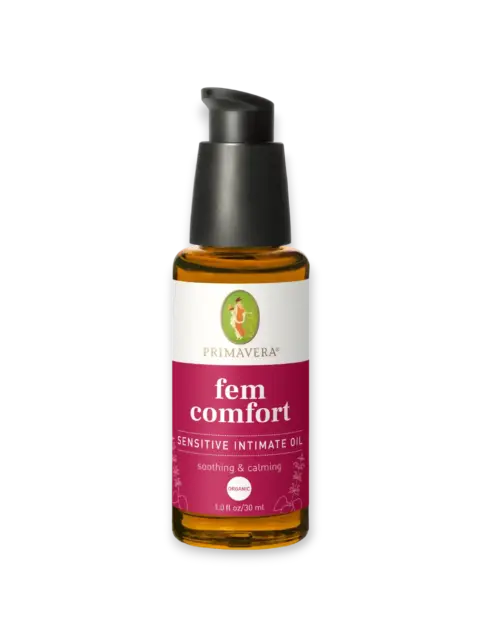 Discount: -20%
Original price was: €14.90.11.92 €The current price is: €11.92.Add to cart
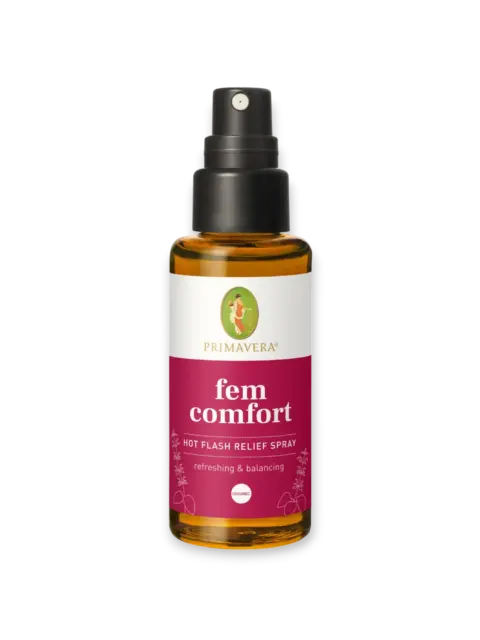 Discount: -20%
Original price was: €14.90.11.92 €The current price is: €11.92.Add to cart
4.00 €Add to cart