
Varicose veins, or more commonly known as varicose veins, can be genetic or caused by weak veins, blood pooling and poor circulation. Pain, burning, swelling and itching may occur. Some essential oils can be used as an adjunct in the treatment of varicose veins.
In the past, this disease was considered a problem of the elderly, but nowadays it is increasingly affecting young people as well.
Causes of varicose veins
- Lack of physical activity
- Overweight
- Smoking
- Hereditary predisposition
- Leg injury
- Weakness of the connective tissue
- Damage to the venous system
Pregnancy is also a factor in the appearance of varicose veins due to the hormonal changes that occur during this period, the increase in the volume of circulating blood in the vessels and the gradual increase in the size of the fetus and the pressure in the area of the vessels of the lower extremities.
Excessive salt consumption can also increase the total amount of blood in the body due to water retention.
Early symptoms of varicose veins
- Fatigue easily
- Weight
- Pain
- Redness
- Feelings of warming
- Cramps at night
- Tingling
- Swollen ankles at the end of the day
Varicose veins can occur anywhere in the venous system, but most often occur in the lower extremities, in the popliteal segment of the large superficial vein.
What research shows about the use of essential oils for varicose veins
As with many alternative treatments, there is no published scientific research on the effectiveness of essential oils for varicose veins. However, in theory, essential oils , which are used to improve circulation, reduce swelling, and relieve pain, may help.
Lavender essential oil is used in aromatherapy to relieve pain and reduce inflammation. A 2012 study showed that lavender oil helped reduce the duration and size of ulcers. Skin ulcers are a common complication of varicose veins. Another study also showed that lavender oil has analgesic and sedative properties, which may help you cope with the pain of varicose veins.
Rosemary essential oil is believed to improve blood circulation. Results from a 2009 in vitro study suggest that rosemary oil improves local blood circulation and relieves pain.
According to the Ann Arbor Massage Therapy Institute, other essential oils used to improve circulation are:
- lemon balm
- cypress
- grapefruit
- immortelle (helichrysum)
- lemon
- lemon grass
- orange
- rose
- Gradinsky Chai
- mandarin
Some essential oils with anesthetic or anti-inflammatory properties are:
How to use essential oils for varicose veins
The West Coast Institute of Aromatherapy recommends several ways to topically use essential oils for varicose veins.
Essential oil recipes for varicose veins

Usage: Soak a washcloth in the mixture (warm or cool) and apply to the affected area for 15 minutes. Keep your legs elevated during application.

Use: Mix and massage the affected area in the direction of the heart. You can also add the oils to shea butter or cocoa butter.
For calm and pain relief: inhale directly from the bottle or inhaler, apply to a handkerchief/cotton swab, or diffuse with an essential oil diffuser.
Risks and warnings
Diluted essential oils are generally considered safe for external use. If you apply undiluted essential oil to the skin, you may experience irritation or inflammation.
All essential oils can cause an allergic reaction. Symptoms of an allergic reaction may include:
- rash
- hives
- skin burning
- skin irritation
- difficulty breathing
- rapid heart rate
Always test the diluted mixture on a small area of skin to determine if you will have a reaction. If your skin does not react, it should be safe to apply the mixture to a larger area of skin. If you experience symptoms of an allergic reaction after using essential oils, discontinue use and contact your doctor.
If you are pregnant or breastfeeding, you should not use these oils without the supervision of your doctor or a trained aromatherapist.
For children and babies, essential oils should be used under the supervision of a healthcare professional. Some essential oils have significant side effects in children.
Don't assume that all pain and swelling in your legs is caused by varicose veins. Other serious, even life-threatening conditions, such as blood clots, can cause the same symptoms and should be ruled out.
Other methods of treating varicose veins
Lifestyle changes
- avoiding prolonged sitting or standing
- weight loss if you are obese
- avoiding clothes that are tight around your waist and legs
- lifting the legs higher than the head when possible
- regular exercise
- wearing compression stockings
Medical treatments
- Sclerotherapy: A solution is injected into the varicose veins. This seals the veins and helps them fade.
- Laser surgery: Powerful light pulses are transmitted into the veins. This causes the veins to fade and eventually disappear.
- Catheter-assisted surgery: The tip of the catheter is heated using radiofrequency or laser energy and inserted into a large vein. When the catheter is removed, the vein is constricted.
- Vein removal: Large veins are interrupted and removed through small incisions.
- Phlebectomy: Small veins are removed through small skin punctures.
- Endoscopic surgery: Under the guidance of a video camera, large, ulcerated veins are removed through small incisions.
Herbal remedies
- Horse chestnut: A 2006 study. shows that horse chestnut is effective in treating symptoms of poor circulation in the legs, such as heaviness, pain, and itching.
- Bear's broom: Research shows that bear's broom helps reduce leg swelling caused by poor circulation.
- Grape Seed Extract: This extract is believed to contain compounds that increase the elasticity of blood vessels. This can also help prevent the leakage that leads to swollen feet.
Herbal remedies can cause side effects and interact with medications. Consult your doctor before using them.
What you can do right now
If you're new to aromatherapy, learn all you can about how to use essential oils before adding them to your varicose vein treatment arsenal. A trained aromatherapist can help you figure out which oils may help in your situation.
In the meantime, there are small things you can do at home and at work to reduce pressure on your veins and improve blood flow:
- Add more fiber to your diet to prevent constipation.
- Walk as much as possible to improve the circulation in your legs.
- Set a timer to go off every hour to remind you to get up and move. Walk, jump, or run in place for at least five minutes.
- If your job requires you to sit or stand for long periods of time, change positions often. Do calf stretches while sitting and walk in place while standing.
- Don't sit cross-legged.
- Wear low heels to tone your calf muscles and prevent blood pooling.
- Follow a low-salt diet to prevent water retention, which can cause bloating.
Conclusion
Essential oils can be a complementary tool in varicose vein care – especially to relieve discomfort and support circulation – but they are not a substitute for medical evaluation. For pain, ulcers, or worsening, consult a specialist.
The information is for educational purposes and is not intended for prevention or treatment. For safe use, see How to Use Essential Oils Safely ; for citrus oils, also keep in mind phototoxicity.
More interesting articles from the blog
- Phototoxicity and safety of essential oils
- Witch hazel hydrolate – benefits and application
- Aromatherapy during pregnancy and childbirth
- How to use essential oils safely?
- What are terpenes – benefits
Categories
- Aromatherapy
- Essential oils
- Carrier oils
- Diffusion methods
- Natural cosmetics
- Recipes with essential oils
- News
Sources
- Varicose veins – Wikipedia
- Healthline: Essential oils for varicose veins
- Valerie Ann Worwood, The Complete Book of Essential Oils and Aromatherapy
Photos: Primavera Life, Adobe Stock
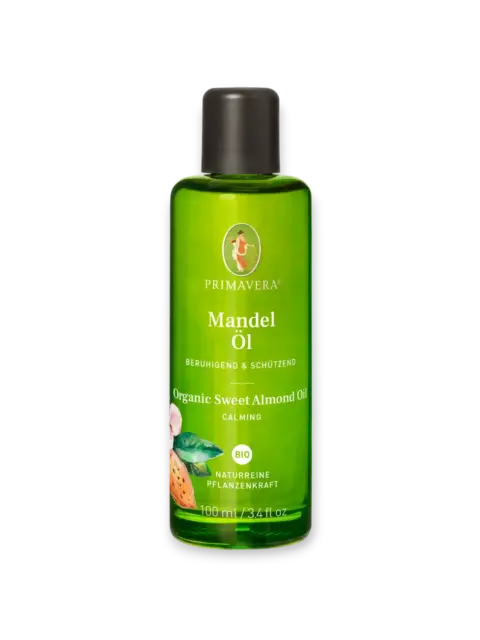
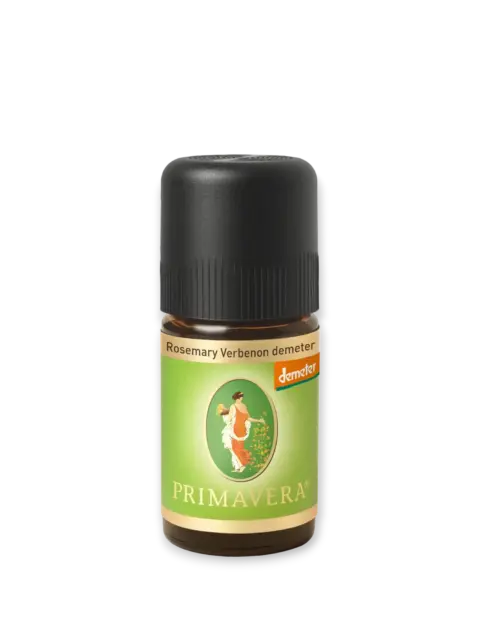
13.90 €Add to cart
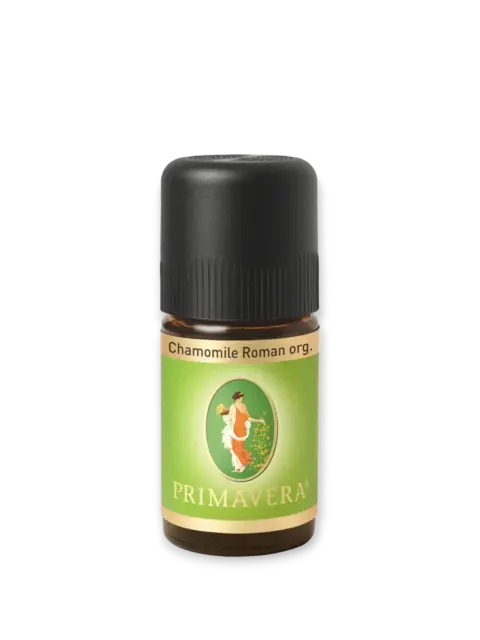

15.90 €Add to cart

10.90 €Add to cart
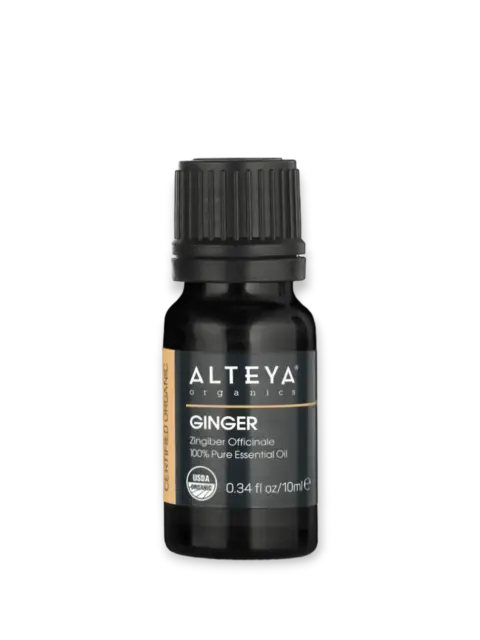
7.95 €Add to cart