
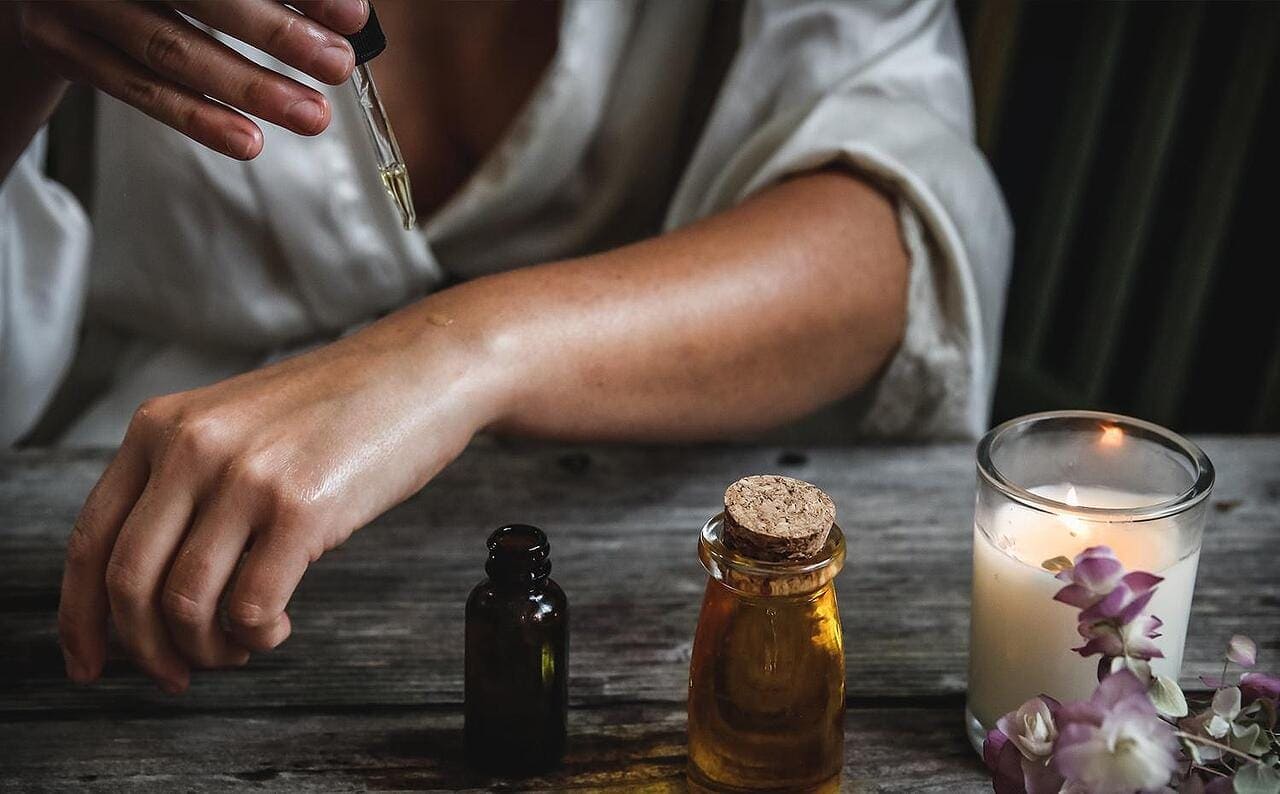
With knowledge about the safe application of aromatherapy, we can improve our overall well-being and positively influence our lifestyle. However, we must not forget that essential oils are powerful substances and can harm us if we are not sufficiently informed and do not pay the necessary attention to them. Essential oil in a bottle is 50 to 100 times more concentrated than in the plant, which is why we must follow the specified instructions for its use.
There are many things we need to know about the safe use of essential oils, and in this article we will try to introduce you to the most important ones.
Topical application and dilution
Do not apply undiluted essential oils to your skin ! Remember this rule and do not experiment without consulting a specialist. The most common adverse reaction experienced by hundreds of people every year is skin irritation and the most common reason for this is the use of undiluted essential oil. This happens because most of us have not received enough information about the use of oils or have been informed incorrectly.
The table here will give you general guidelines on how to dilute some of the most commonly used essential oils (lavender, tea tree, lemon, peppermint). We have described how to use oils for children in a special section below in this article and in How to Use Essential Oils on Children.
Some essential oils, such as lemongrass, clove or cinnamon bark, can cause skin reactions. However, people often have complaints about essential oils, which are relatively safe when used undiluted. So be very careful!
The very companies that claim that natural essential oils cannot cause adverse reactions are the same brands whose products cause the most reactions. The truth is that dilution and the risk of adverse reactions are directly related, and this is a well-known phenomenon in dermatology and toxicology.
If you have an allergic reaction to an essential oil, your immune system is also affected, so you may need to avoid that oil indefinitely. Skin irritation is something different, it does not involve the immune system and usually happens when the oil is used incorrectly.
Safety and dilution are inextricably linked
We will introduce you to a few specific oils that must be diluted in a certain way to avoid the risk of skin allergy:
- Clove oil should be used at no more than 0,5%
- Basil oil can be used up to 1%
- Lemon oil should be used at no more than 2%
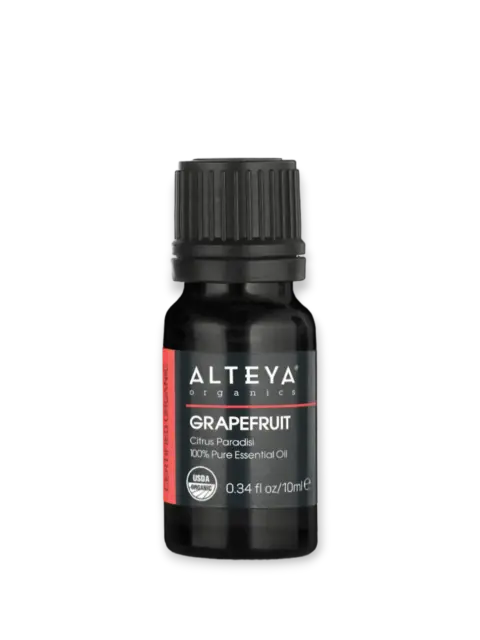
- Grapefruit oil can be used up to 4%.
Knowing how to properly use and dilute essential oils is critical to the safe practice of aromatherapy. The information "dilute before use on the skin" is not enough in most cases. You need to know how to safely apply oils to your skin.

Inhalation and diffusion
It is not recommended to directly and intensively inhale essential oils for more than 15-20 minutes, such as steam inhalation. However, this does not apply to inhalation of oils that evaporate into the air. Be careful with aromatherapy. Diffuse your favorite essential oils intermittently rather than throughout the day. Ideally: for about 30–60 minutes, then take a break also of 30–60 minutes. This is not only safer but also more effective as our bodies and nervous systems become accustomed to essential oils after this period of time. Whenever using or diffusing essential oils, it is advisable to ventilate the room first so that the air is clean and fresh.
How to safely use essential oils in the bath?
Remember – do not put drops of essential oil in the bath and then immediately immerse yourself in it. Essential oils are not diluted with water , they float in small droplets on the surface and you can sit right on these droplets of undiluted essential oil. Whenever essential oils are “mixed” with water without a dispersing (diluting) agent, there is a risk of irritation, as the undiluted droplets of essential oil attach to the skin, often in sensitive areas. Since the oils are heated by the water and cannot evaporate, you can often feel a strong burning sensation. Therefore, essential oils should always be fully diluted using a suitable base before being added to the bath.
Using essential oils for the ears
Undiluted essential oils should not be placed in the ears. Always dilute the oil, place it on a cotton swab, and only then put it in the ear. Consult a specialist.
Using essential oils for the eyes
Do not put undiluted essential oils directly into your eyes, as this will cause a chemical burn and may lead to temporary blindness. Consult a doctor if you want to treat your eyes. And remember, essential oils should always be diluted and applied around the eyes.
Are essential oils flammable?
Essential oils are flammable and should not be used in close proximity to an open flame or any other place that presents a fire hazard. Essential oils are non-explosive and safe when used in a diffuser, but there is some degree of risk involved. Burners that are lit with a candle flame are not recommended, but scented candles are safe.
Essential oils and children

We remind you again that essential oils are highly concentrated plant extracts and should be used judiciously and carefully. Keep essential oils out of the reach of small children and never let them play with the bottles. There is a risk that the child will open the bottle and drink the contents, which is very dangerous. In this case, immediate medical attention is required. Although the end result is rarely fatal, many similar cases are observed every year, which still carry dangers. To prevent such incidents, all essential oils should be very well sealed and, as already mentioned, stored out of the reach of children.
In the table you will find how to dilute the essential oils according to the age of the child. Depending on what percentage you want the solution to be, add the appropriate drops of essential oil to the selected amount of carrier oil. For the younger age group (3 to 6 years) this applies to each topical application. For children over 6 years of age, the percentages are for whole body applications. More concentrated dilutions can be used for topical applications (small areas of skin).
Important for ingesting essential oils
We trust the International Federation of Professional Aromatherapists (IPFA) , which does not recommend that essential oils be taken internally unless under the supervision of a physician qualified in clinical aromatherapy! Taken orally, oils can damage the liver, kidneys, and nervous system. They can interact with other medications and undergo unexpected changes while in the gut.
Because essential oils cause chemical reactions in the body, they can cause adverse effects when combined with medications. They can reduce the effectiveness of conventional medicines or can exacerbate a person's health conditions.
And again – do not ingest essential oils unless recommended by a professional who is qualified/licensed to prescribe essential oils in this way! In Bulgaria, we still don't have a controlling/certifying body for this kind of specialists, so we again call for common sense and do not recommend ingestion, self-medication and oral use of essential oils!
Be aware that taking essential oils by mouth carries many risks and can lead to complications. Do not take essential oils even if diluted without consulting a doctor, as there is a risk of irritation in the mouth/stomach. The reaction is similar to that with the skin, except that the mucosal tissues are more sensitive than the skin, but the intestines only send us pain signals when the erosion is already advanced. However, remember that even after consulting a specialist, you can safely take only one drop of some essential oils per day. Longer use is not recommended.
To summarize briefly
- Remember that a small amount is enough.
- Be sure to use only pure essential oils and follow all label warnings and instructions.
- To apply essential oils topically to the skin, always dilute essential oils in a carrier oil, such as coconut oil, jojoba oil or almond oil.
- Essential oils should not be applied to the eyes, inside the ear canal, or on open wounds. In case of accidental contact with an essential oil, rinse with a carrier oil.
- Do not take essential oils internally unless the label states that it can be used as a dietary supplement and includes instructions for use and safety warnings.
- Never take more than a few drops of essential oil, even in a gelatin capsule, or more than 1-2 drops at a time.
- Discontinue use of any essential oil if you experience severe skin, stomach, esophageal, or respiratory irritation or discomfort.
- When using essential oils on children, DILUTE HEAVILY! Apply a small amount of the oil to test for skin or other sensitivities. Do not apply oils on children's palms and fingers, as they may get into their eyes or mouth!
- Consult your doctor before using essential oils if you are pregnant or under medical supervision, if you are taking any medications, dietary supplements or herbal preparations, or if you have other questions about the safety of using essential oils.
It is important to remember that essential oils are highly concentrated plant extracts and should be used wisely and carefully. Consulting with someone experienced in the application of essential oils will make your first encounter with them more pleasant and rewarding.
When you learn how to use essential oils through your personal experience, share your knowledge with others in a safe and sensible way and encourage them to do the same!
Storage rules
When storing essential oils, it is important to be aware that light, heat, and oxygen can affect the integrity of the oil. Products should come from a reliable source, and should be certified by the appropriate authority in the specific country to ensure their quality. Carefully following the instructions reduces the risk of compromising your health.
How to do an allergic reaction test
Dilute the essential oil in a carrier oil at twice the concentration you plan to use. Rub the mixture onto a quarter-sized area of the inside of your forearm. If you don't have an allergic reaction within 24 to 48 hours, the essential oil is safe to use.
Some people report developing allergies to essential oils after using them many times before. If this happens to you and a new allergic response occurs, you should immediately stop using it and avoid its smell.
Those of you who have the following conditions should be especially careful when using essential oils at home:
- Allergy and hay fever.
- Asthma.
- Skin conditions, such as eczema or psoriasis.
People who suffer from epilepsy, hypertension, or high blood pressure should also be extremely cautious when using essential oils.
Important information for some conditions
The use of aromatherapy by pregnant or nursing mothers has not been proven safe through research, so it is not recommended. During the first trimester of pregnancy, aromatherapy may pose a risk to the developing fetus. Women who are breastfeeding should avoid peppermint essential oil, as it may also be expressed in breast milk.
Essential oils derived from citrus fruits can make the skin more sensitive to ultraviolet light, increasing the risk of sunburn. More in Phototoxicity and Essential Oil Safety.
Some oils can affect the function of conventional drugs, so people using drugs of any type should first consult a qualified pharmacist or doctor.
Those of you with high blood pressure, for example, should avoid using stimulant essential oils, such as rosemary. Some combinations, such as fennel, anise, and sage, have similar actions to the hormone estrogen and should be avoided by people with breast or ovarian cancer, which are highly dependent on the production of this hormone.
Conclusion
Important: The information in this article is for educational purposes only and is not intended to serve as a basis for prevention or treatment! The International Federation of Aromatherapists does not recommend that essential oils be taken internally unless the application is under the supervision of a physician qualified in clinical aromatherapy! Please consult your physician if you experience any adverse reaction from the use of essential oils!
The safety guidelines we publish here are recommended by Robert Tisseran. Robert Tisseran is a lecturer, educator, and aromatherapy consultant who teaches primarily about the benefits of essential oils and their safe and effective use. In 1977, he wrote the first book on aromatherapy to be published in English. In addition to teaching online, in recent years he has inspired many people with his lectures in Europe, Asia, North America, and South America. Robert Tisseran was awarded the Lifetime Achievement Award by the AIA in Denver in 2007, and in 2014 he co-authored the second edition of Essential Oil Safety, which helped set industry safety standards. Robert is the director of the Tisseran Institute.
More interesting articles from the blog
- How to safely store essential oils
- How to use essential oils on children
- Phototoxicity and safety of essential oils
- Aromatherapy during pregnancy and childbirth
- Blending essential oils - theory and practice
Categories
- Aromatherapy
- Essential oils
- Carrier oils
- Diffusion methods
- Natural cosmetics
- Recipes with essential oils
- News
Sources:
- Safety guidelines from the Tisseran Institute https://tisserandinstitute.org/safety/irritation-allergic-reactions/ – Translated by Nadezhda Georgieva
- Wikipedia
- The National Holistic Aromatherapy Association (NAHA) of the USA
- International Federation of Professional Aromatherapists IPFA
- www.aromaweb.com
- "The Healing Power of Essential Oils", author Eric Zelinski, "Inspirations" Publishing House, 2019.
6.75 €Add to cart
9.90 €Add to cart
7.90 €Add to cart
Price range: €11.90 through €18.90Options This product has multiple variants. The options may be chosen on the product page
8.50 €Add to cart