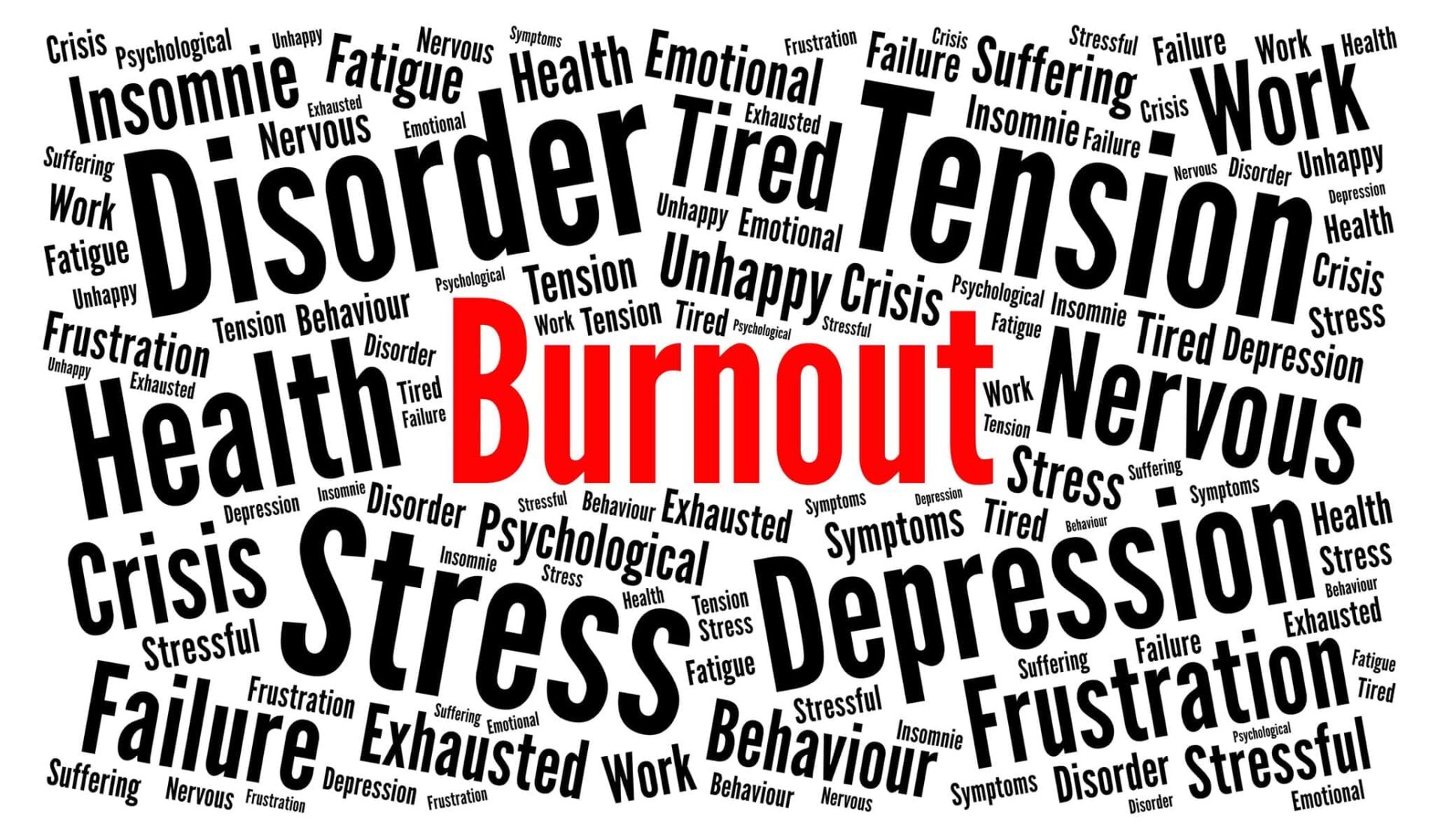

Panic attacks are one of the most debilitating manifestations of anxiety, which can affect both mental and physical health. While conventional therapies, including psychotherapy and medication, play an important role, aromatherapy is emerging as a complementary, natural method for dealing with these conditions. Essential oils offer a powerful combination of therapeutic aromas and biological compounds that can relieve stress and help with sudden panic attacks.
What is a panic attack?
Panic attacks can be an incredibly frightening experience. These episodes usually come on suddenly, leaving people overwhelmed with intense fear and anxiety.
Symptoms of a panic attack often include palpitations, shortness of breath, a constant feeling of impending doom, an upset stomach, or dizziness. These physical and emotional manifestations can be really disturbing.
For people experiencing panic attacks, finding effective interventions and coping mechanisms is of the utmost importance. One potential way to alleviate the situation is aromatherapy. If you understand how panic attacks affect you physically and emotionally, you can appreciate the potential benefits of aromatherapy for dealing with these distressing episodes.
In people prone to panic attacks, the HPA axis may be overly sensitive and react to non-threatening events as if they were in a crisis. The adrenal glands flood the body with stress hormones, which causes the terrifying physical and psychological symptoms of a panic attack. Finding ways to modulate the HPA axis and vagus nerve response may help prevent panic attacks from spiraling out of control.
Understanding the body's response to stress and panic attacks

Our bodies are equipped with natural mechanisms to adequately cope with stress. In some cases, however, this response can get out of control, leading to debilitating panic attacks. Key players in the stress response system are the vagus nerve and the HPA axis. Understanding how they work can help us deal with stress more effectively.
The vagus nerve acts as a communication highway, passing messages back and forth between the brain and major organs such as the heart and intestines. Research shows that stimulating the vagus nerve can calm us by lowering our heart rate and blood pressure. Practices such as controlled breathing, meditation and cold water immersion aim to activate the vagus nerve to suppress anxiety.
The HPA axis refers to the coordinated efforts between the hypothalamus, pituitary gland, and adrenal glands. When faced with stress, the hypothalamus tells the pituitary gland to release hormones that tell the adrenal glands to pump out cortisol and adrenaline. This speeds up the heart rate and gives us energy to respond to the perceived threat.
How do essential oils work for panic attacks?
Essential oils help relieve panic attacks
Our sense of smell is a powerful way to influence our emotions and mood. Clinical research shows that inhaling certain essential oils can activate brain areas associated with regulating stress, anxiety and fear. Using aromatherapy in times of panic activates the parasympathetic nervous system to prevent escalation of the fight-or-flight principle. Portable inhalers make it easy to inhale relaxing essential oil blends throughout the day.
Aromatherapy uses the mind-body connection to help ease overwhelming feelings of fear and anxiety during a panic attack.
Think of essential oils as powerful circuit breakers in the brain, able to interpret the signals that trigger a sense of danger, prompting you to be on high alert. By using essential oils through inhalation, you can essentially reset your brain's response to stress and anxiety, creating a more calm and balanced state.
Incorporating essential oils into your daily routine may be the natural and effective solution you've been looking for to promote your emotional well-being and achieve a state of calm.
13 essential oils for panic attacks
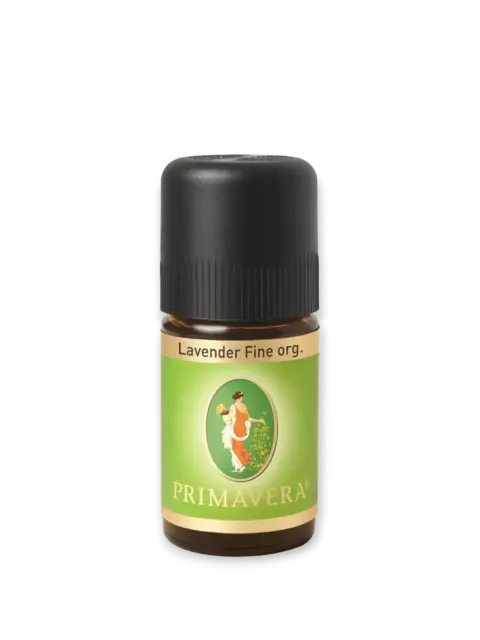
Lavender (Lavandula angustifolia)
Lavender oil is known for its unique balancing effect on the nervous system. Its aroma calms the mind and promotes emotional stability. The oil contains linalool and linalyl acetate, ingredients that act as natural sedatives (calming agents). Lavender is extremely effective in reducing stress hormones, such as cortisol, and helps normalize heart rate and breathing during panic attacks.
Studies published in Frontiers in Behavioral Neuroscience show that inhaling lavender oil reduces anxiety and improves sleep quality.
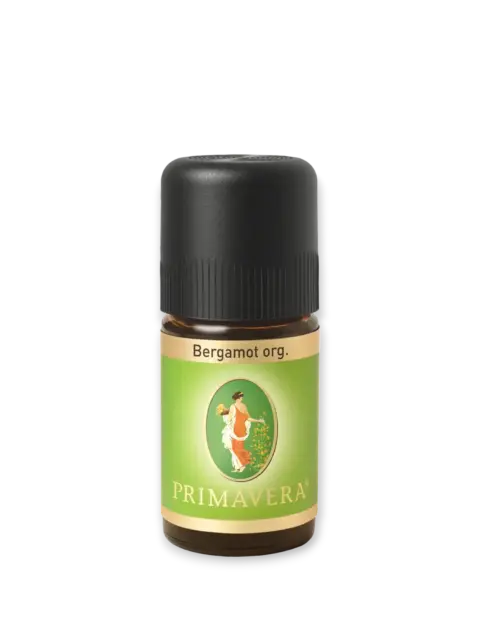
Bergamot (Citrus bergamia)
Bergamot oil is one of the most preferred in aromatherapy because of its calming but also energizing effect. It is rich in limonene, which has antidepressant properties. For panic attacks, the oil helps reduce feelings of anxiety and improves mood by stimulating the production of dopamine and serotonin.
Studies published in Phytotherapy Research confirm that just five minutes of inhaling bergamot reduces cortisol levels by about 15%. This makes it extremely useful for quickly dealing with stressful situations.
Roman chamomile (chamaemelum nobile)
Roman chamomile is distinguished by its mild but deeply soothing action. The oil contains active ingredients such as apigenin and bisabolol, which are known for their relaxing properties. For panic attacks, chamomile helps relieve anxiety symptoms by providing a sense of emotional stability.
A study published in Molecular Medicine Reports highlights that regular use of Roman chamomile oil can reduce the frequency and intensity of panic attacks. It is especially effective when used as part of an evening routine, such as added to a bath, massage blends, or in a diffuser.
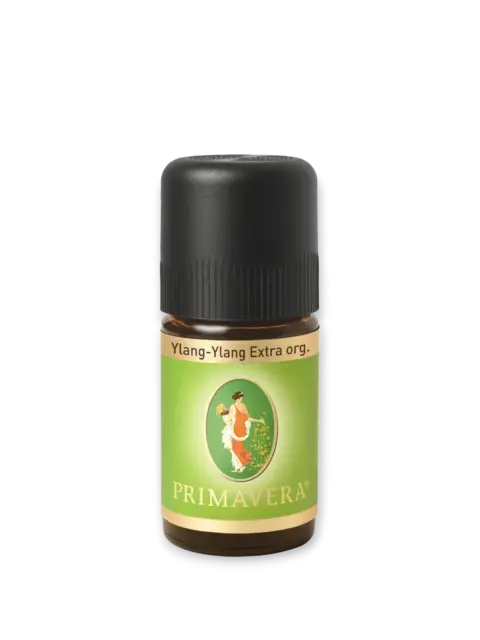
Ylang-ylang (Smelly cananga)
Ylang-ylang is an oil that is used to reduce physical symptoms of stress, such as heart palpitations and high blood pressure. Its sweet and floral aroma acts directly on the limbic system, inducing a sense of calm and relaxation. The oil contains sesquiterpenes that help reduce adrenaline in the body.
Research published in the Journal of Exercise Rehabilitation shows that using ylang-ylang in aromatherapy reduces physiological markers of stress, making it ideal for instant relief from panic attacks.
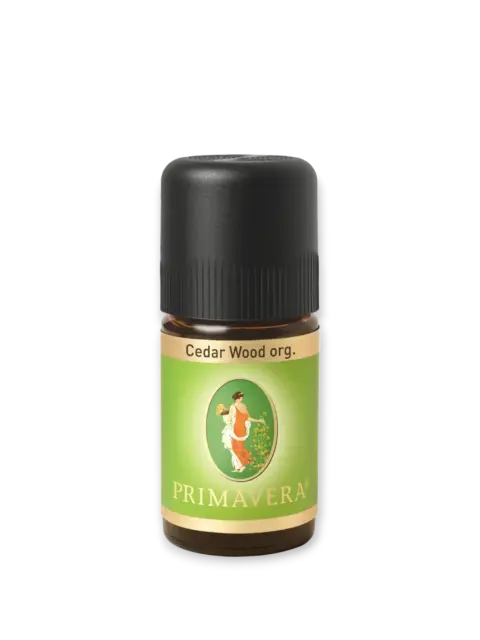
Cedar tree (Cedrus atlantic)
Cedarwood oil offers a grounding effect that is extremely helpful in sudden panic attacks. Its main ingredients, such as sesquiterpenes and cedrol, support the release of serotonin, which leads to an improvement in mood.
Research shows that the oil is especially effective when used in combination with other calming oils, such as lavender. Cedarwood oil can be applied to the temples diluted with a carrier oil or used in inhalers for a quick effect.
Rosemary (Rosmarinus officinalis)
Rosemary oil is known for its cognitive-stimulating properties. It not only improves concentration but also helps to calm the nerves. Its main ingredients, such as rosmarinic acid, act as a natural antidepressant.
A study published in Psychiatry Research shows that regularly inhaling rosemary oil improves the ability to cope with stressful situations, making it suitable for people who suffer from chronic anxiety and panic attacks.
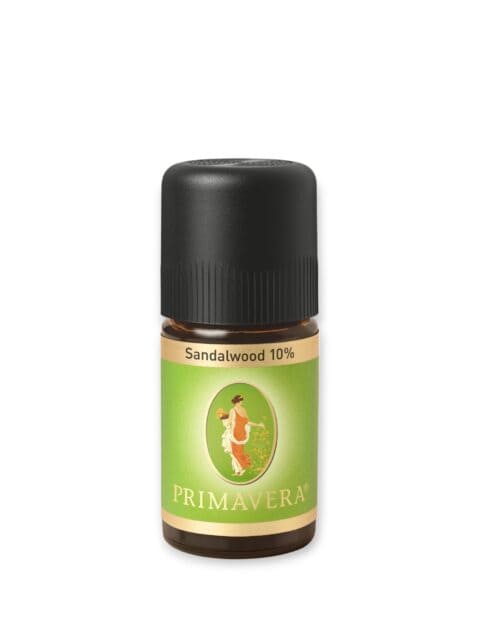
Sandalwood (Santalum album)
Sandalwood oil is one of the most effective for aiding meditation and deep relaxation. It contains sesquiterpenes that support brain function and relieve feelings of anxiety. Its warm and woody aroma creates a sense of inner peace.
Research published in the International Journal of Aromatherapy highlights that the oil is particularly effective in addressing chronic stress and insomnia, while also improving quality of life.
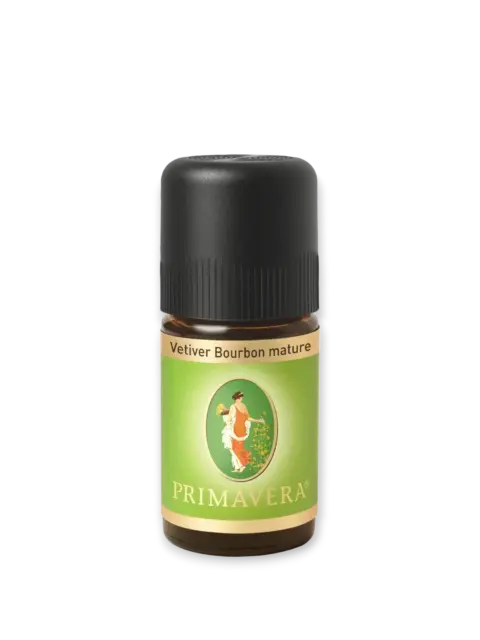
Vetiver (Vetiveria zizanioides)
Vetiver is known as the "oil of tranquility" because of its powerful calming effect. Its heavy, earthy scent helps ground emotions and reduce panicky thoughts.
A study published in Natural Product Research demonstrated vetiver's ability to regulate heart rate and blood pressure, making it an ideal remedy for acute symptoms of panic attacks.
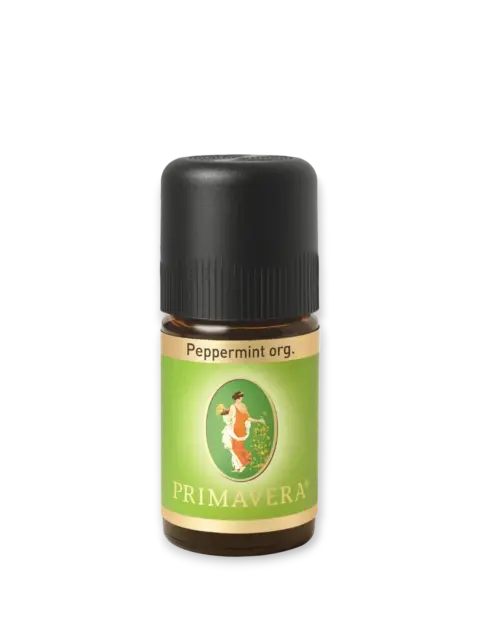
Mint (Mentha piperita)
Peppermint oil offers a refreshing effect that helps calm the nervous system. Its active ingredients, such as menthol, support better stress management.
Studies show that peppermint is especially helpful when used with other oils to relieve the physical symptoms of panic attacks, such as chest tightness.
rose flower (Rosa damascena)
Rose oil is known for its exceptional balancing effect on emotions. Its active ingredients, such as phenylethanol, promote the release of endorphins, which induce feelings of happiness.
Research published in Complementary Therapies in Clinical Practice confirms that rose oil reduces anxiety and improves quality of life with regular use.
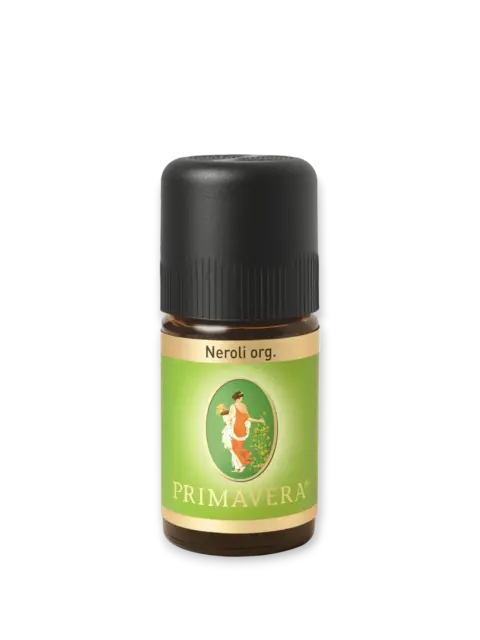
Neroli (Citrus × aurantium subsp. bitter)
The sweet, floral aroma of neroli essential oil is extremely soothing to the nervous system. Inhaling the scent of neroli has been shown to reduce feelings of anxiety, slow heart rate and stabilize mood. Applying a few drops of this precious oil in times of panic can help prevent a full-blown attack by signaling the brain and body to relax.
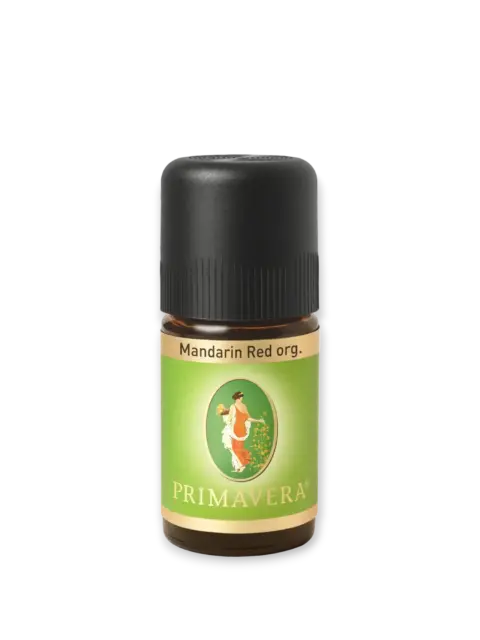
Mandarin (Citrus reticulata)
Mandarin essential oil has a fresh, citrusy aroma known for its uplifting and stress-relieving properties. It contains the compound limonene, which has a proven sedative effect. Inhaling the gentle scent of tangerine can help interrupt anxious thoughts and panicky feelings. Aroma sends signals to the nervous system that promote calmness and relaxation.
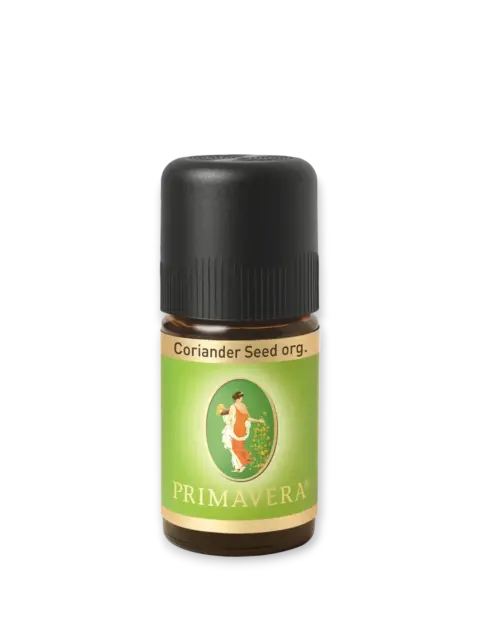
Coriander (Coriandrum sativum)
Coriander seed essential oil has a sweet aromatic, floral-balsamic and peppery-woody top note that can help calm feelings of anxiety. Coriander seeds contain linalool, which has a proven sedative and calming effect on the nervous system.
Essential oil recipes for dealing with panic attacks

Soothing diffusion
- 3 lavender drops
- 2 bergamot drops
- 1 drop Roman chamomile

Use: Add the oils to a diffuser and let them spread throughout the room.
Antistress roll-on
- 10 ml carrier oil (jojoba)
- 3 ylang-ylang drops
- 2 drops vetiver
- 2 drops of rose

Use: Apply to wrists, temples and behind ears when feeling anxious.
A soothing bath
- 5 drops sandalwood
- 4 lavender drops
- 2 drops of cedarwood
- 1 cup sea salt
Usage: Mix the essential oils with the salt and add to the bath.
Massage for relaxation
- 30 ml carrier oil (almond)
- 3 drops of rosemary
- 2 drops of peppermint
- 3 lavender drops
Use: Massage neck and shoulders for instant relief.
Aroma inhaler Pause u0026amp; Breathe
- 12 drops of mandarin essential oil
- 5 drops of sage essential oil
- 8 drops of coriander seed essential oil
Usage: Add the oils to the inhaler and inhale deeply as needed.
Conclusion
Essential oils provide a natural way to deal with panic attacks, offering instant relief and long-lasting support. However, they are not a substitute for medical care, especially for chronic anxiety. Consult a specialist before starting to use essential oils.
This article is for educational purposes and is not a substitute for professional advice. For safe use, see also How to Use Essential Oils Safely . For citrus oils (e.g. bergamot), be aware of phototoxicity.
More interesting articles from the blog
- Aromatherapy for burnout
- Mental health with essential oils
- Essential oils for restful sleep
- Calming the mind and body with aromatherapy
- Bergamot Essential Oil – Uses and Benefits
Categories
- Aromatherapy
- Essential oils
- Carrier oils
- Diffusion methods
- Natural cosmetics
- Recipes with essential oils
- News
Sources
- Frontiers in Behavioral Neuroscience – A study on the effects of lavender oil.
- Phytotherapy Research – The effect of bergamot oil on stress.
- Molecular Medicine Reports – Calming properties of chamomile.
- Journal of Exercise Rehabilitation – Ylang-ylang and the autonomic nervous system.
- Psychiatry Research – Effect of rosemary on anxiety.
- Complementary Therapies in Clinical Practice – Benefits of rose oil.
- Medical news today – Which essential oils can relieve anxiety?
- Aromatic Studies – Essential Oils for Panic Attacks
Price range: €9.90 through €13.90Options This product has multiple variants. The options may be chosen on the product page
19.90 €Add to cart
12.90 €Add to cart
Price range: €8.90 through €14.90Options This product has multiple variants. The options may be chosen on the product page
7.90 €Add to cart
14.90 €Add to cart
26.90 €Add to cart
7.90 €Add to cart
16.90 €Add to cart
8.90 €Add to cart
14.90 €Add to cart