
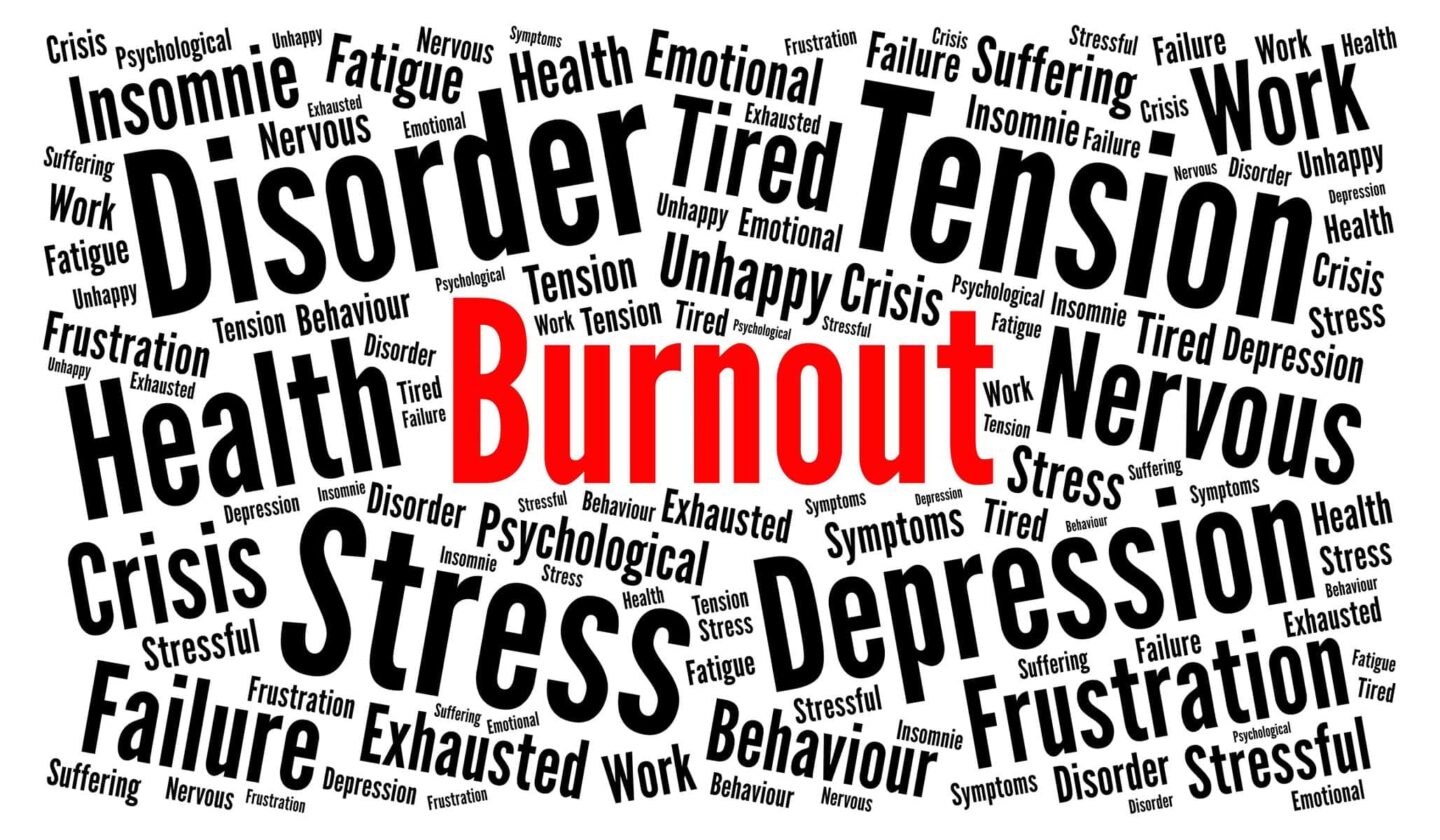
A holistic approach with essential oils to manage stress and burnout (emotional exhaustion)
In recent years, aromatherapy and essential oils have become established as effective tools for dealing with stress and its associated physical and emotional problems. Chronic stress, often the result of an intense work environment and insufficient rest, can lead to feelings of exhaustion that require attention and appropriate interventions. In this article, we will look at how essential oils can be integrated into daily life to improve well-being, analyze scientific research, and present practical recipes for their application.
What is burnout (emotional exhaustion)?
Burnout is a state of chronic stress characterized by feeling overwhelmed and unable to cope with everyday tasks. This condition often affects both physical health and emotional balance. Symptoms may include:

The term "burnout" was introduced in the 70s by the American psychologist Herbert Freudenberger, who described it as a state of physical or mental collapse as a result of excessive work. According to him, physical symptoms include feelings of exhaustion, constant fatigue, insomnia, headaches and even stomach upsets. Behavioral manifestations are quick irritability and a tendency to anger, and cognitive symptoms include "closed thinking" that blocks progress and constructive change.
In 2019 The World Health Organization (WHO) includes burnout in the 11th edition of the International Classification of Diseases (ICD-11), defining it as an occupational phenomenon resulting from chronic work stress that has not been successfully managed. According to the WHO, burnout has three main dimensions:
- Feeling low on energy or exhausted;
- Increased mental distance from work or work-related negativity and cynicism;
- Feelings of ineffectiveness and lack of achievement.
WHO emphasizes that the term "burnout" refers specifically to phenomena in an occupational context and should not be used to describe experiences in other areas of life. However, the effects of burnout can extend to personal life, making recognizing and managing this condition extremely important.
How do essential oils work?
Essential oils are concentrated plant extracts that contain biologically active compounds. They interact with the limbic system of the brain – the area that regulates emotions, memories and mood. When inhaled, essential oil molecules stimulate the nervous system and can:
- Reduce stress levels;
- Improve mood;
- Relaxation and quality sleep are supported.
The application of essential oils can be done by:
- Inhalation (through diffusers or inhalers);
- Topical application (diluted with base oils);
- Add to the bath for relaxation.
The best essential oils for dealing with burnout
Numerous studies support the effectiveness of essential oils in managing stress and improving emotional state:
- Lavender (Lavandula angustifolia): Reduces cortisol levels, improves sleep and reduces anxiety. Ideal for feeling overwhelmed or stressed, supporting relaxation and concentration.
- Mint (Mentha × piperita): Contains menthol, which relieves headaches and improves cognitive function. Refreshes and restores mental clarity.
- Bergamot (Citrus aurantium there. bergamia): It has an invigorating effect and reduces anxiety, improving mood. Excellent for restoring energy.
- Rosemary (Rosmarinus officinalis): Stimulates memory and concentration, suitable for mental clarity.
- Jasmine (Jasminum officinale): Improves self-esteem and reduces anxiety.
- Ylang-ylang (Smelly cananga): Balances emotions and promotes a sense of calm.
- Immortal (Helichrysum italicus): Has calming properties and supports emotional resilience.
- Basil (Ocimum basilicum): Known for its adaptogenic properties, it helps manage stress.
- Cypress (Cupressus sempervirens): Stimulates the mind and emotional clarity. It reduces stress and nervous tension.
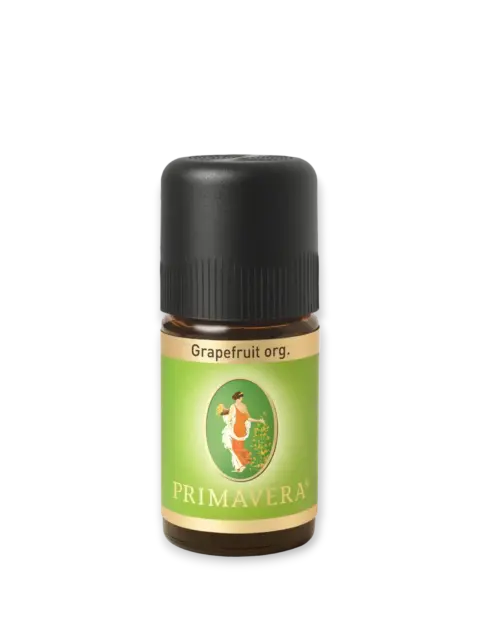
- Grapefruit (Citrus Paradisi): With its sweet, citrus aroma, it lifts the mood and reduces fatigue. It also detoxifies and purifies the air.
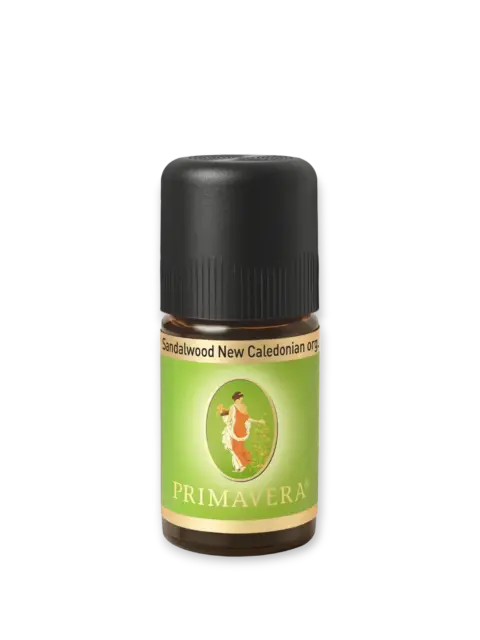
- Sandalwood (Santalum album): A calming and relaxing fragrance that helps manage anxiety and promotes better sleep.
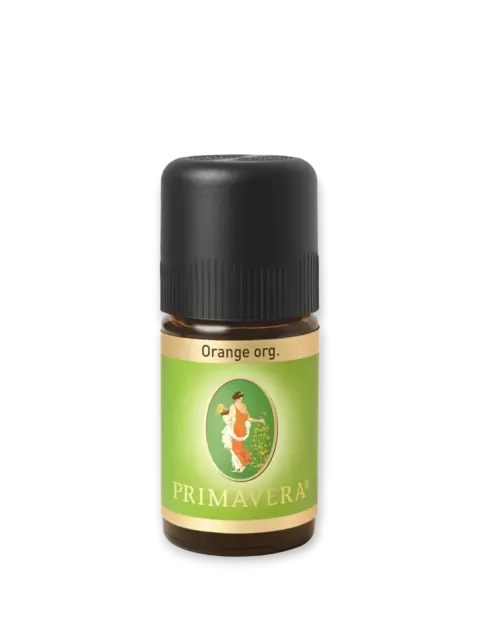
- Orange (Citrus): A refreshing and invigorating fragrance that reduces fatigue and elevates mood.
Research: Essential oils for mental fatigue and moderate burnout
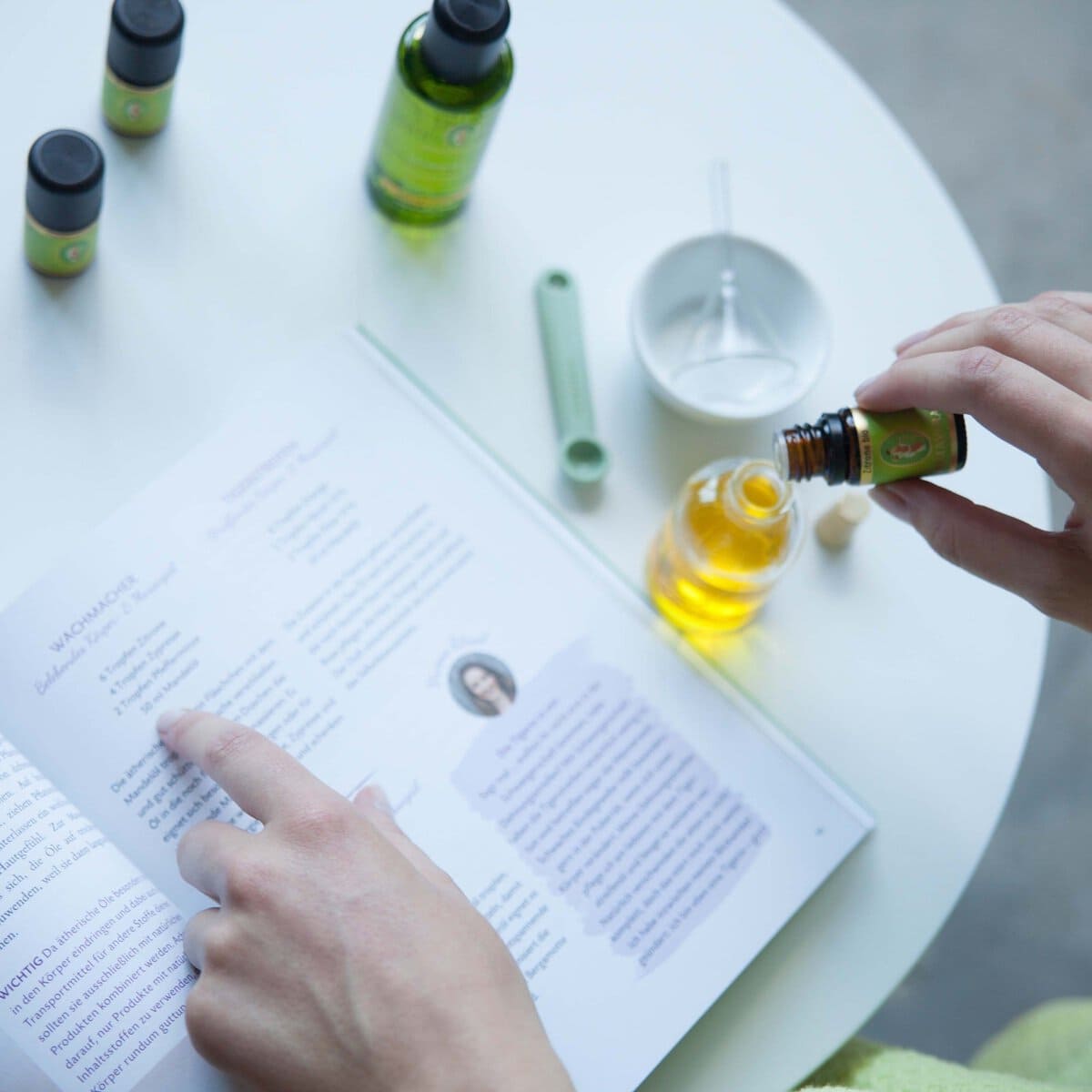
A pilot study investigated the effectiveness of a blend of essential oils on mental fatigue and moderate burnout, via a personal inhaler. The oils used are peppermint (Mentha piperita), basil (Ocimum basilicum) and immortelle (Helichrysum italicum).
Research process :
- The study was randomized, controlled and double-blind.
- Data were collected three times daily for three weeks (Monday to Friday).
- The first week was baseline, the second week was intervention (aromatherapy or placebo), and the third was a washout period.
Participants and methodology :
- The sample included 13 women and 1 man who self-rated their condition as mental fatigue or moderate burnout.
- Participants used a personal inhaler at home or at work.
- The groups were divided into those receiving a mixture of essential oils and those receiving rose water as a placebo.
Results :
- Both groups showed a reduction in feelings of mental fatigue and burnout, but the aromatherapy group achieved a significantly greater improvement.
Conclusion : The results suggest that inhaling essential oils may reduce perceived levels of mental fatigue and burnout. Further research is needed to confirm these findings.
Source: Elizabeth Varney and Jane Buckle. The Journal of Alternative and Complementary Medicine . January 2013, 19(1): 69-71. doi:10.1089/acm.2012.0089.
Recipes for burnout symptoms

Soothing diffuser blend
- 3 drops lavender oil
- 2 drops ylang-ylang
- 2 drops bergamot

How to use: Add the oils to the diffuser tank (pre-filled with water according to the device's directions) and turn on the diffuser in the room where you want a relaxing atmosphere.
How to use: Mix in a small bottle, apply to skin and massage into areas of tension (shoulders, back).
How to use: Combine in a spray bottle, shake well, and spray the air in the room or around you.
Relaxation bath
- 5 drops ylang-ylang
- 3 drops lavender
- 1 tbsp base oil (e.g. almond)

How to use: Mix essential oils with carrier oil, add to warm bath water and soak for 20–30 minutes.
Practical advice
- Use oils of proven quality.
- Always dilute essential oils before applying topically.
- If you are pregnant or have specific health problems, consult a specialist before use.
Conclusion
Essential oils provide a natural and effective way to deal with everyday stress and burnout. By using them correctly, you can improve your quality of life, increase your energy and maintain your emotional balance. The variety of oils and methods of use makes them suitable for every lifestyle and need. Integrate aromatherapy into your everyday life and give yourself a moment of peace and harmony.
The information is for educational purposes and does not replace professional advice. For safe use, see How to Use Essential Oils Safely . For citrus oils, be aware of phototoxicity.
More interesting articles from the blog
- Panic Attacks - 13 Essential Oils for Calming and Emotional Balance
- Mental health with essential oils
- Essential oils for restful sleep
- Calming the mind and body with aromatherapy
- Aromatherapy for hope and happiness
Categories
- Aromatherapy
- Essential oils
- Carrier oils
- Diffusion methods
- Natural cosmetics
- Recipes with essential oils
- News
Sources
- NCBI: Lavender oil and stress
- NCBI: The effects of peppermint oil
- NCBI: The role of essential oils in the treatment of stress
- How the inhalation of Bergamot (Citrus bergamia) helps reduce feelings and symptoms of burnout
- Essential Oils Study For Mental Exhaustion And Moderate Burnout
- Effect of inhaled essential oils on mental exhaustion and moderate burnout: a small pilot study
- Best Essential Oils for Burnout Relief and Prevention with DIY Recipes
Price range: €9.90 through €13.90Options This product has multiple variants. The options may be chosen on the product page
14.90 €Add to cart
9.90 €Add to cart
Price range: €8.90 through €14.90Options This product has multiple variants. The options may be chosen on the product page
Price range: €19.90 through €59.90Options This product has multiple variants. The options may be chosen on the product page
13.90 €Add to cart
9.90 €Add to cart
5.90 €Add to cart
59.90 €Add to cart
18.50 €Add to cart
12.90 €Add to cart
26.90 €Add to cart
16.90 €Add to cart