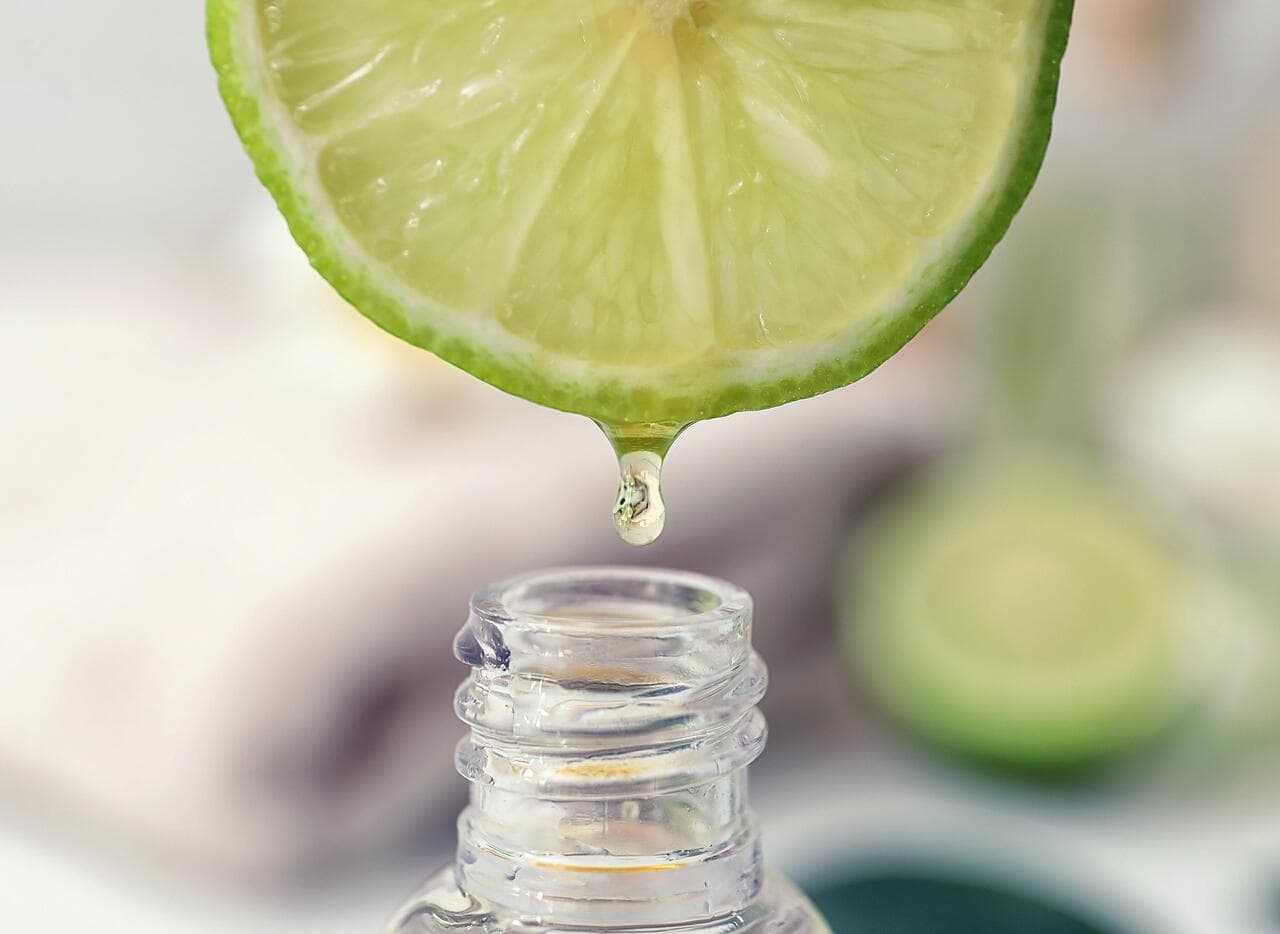
Summer is in full swing, and what essential oils complement the sunny and playful season better than sparkling citrus oils?
Cold-pressed citrus oils such as bergamot, lemon, lime and grapefruit have a juicy and energizing aroma profile that perfectly captures the cheerful spirit of the hottest season of the year. You might be tempted to put one of these oils in your bag for the beach or a walk around town. However, if you apply cold-pressed citrus oils topically, the result may not be all sunshine and rainbows, especially if your skin is exposed to UV light.
While all essential oils carry the risk of irritation when applied without a carrier oil , cold-pressed citrus oils contain ingredients like furanocoumarins that can cause skin reactions when exposed to sunlight or UV rays after application. The reaction can lead to photosensitivity and even phototoxicity. Side effects of phototoxicity include inflammation, blistering, redness, and burning of the skin. Staining is also a potential risk and can last up to several months.
This is not to say that phototoxicity or potentially phototoxic essential oils have no place in the summer personal care regimen. With the help of safe dilutions, aromatherapy agents, proper sun protection, and furanocoumarin-free formulas, you can safely enjoy peppery and citrus essential oils worry-free during your favorite summer activities!
Bergamot has the highest percentage of furocoumarin, which is why some essential oil manufacturers extract furocoumarin, and bergamot oil is labeled as being free of furocoumarin. It is wrong to classify all citrus oils as phototoxic, for example in mandarin essential oil, whether it is cold pressed or steam distilled, the furocoumarin content is practically zero percent.
It is important to note that some essential oils, such as lemon verbena, may have different furocoumarin contents, even from the same manufacturer but different batches.
Phototoxicity and essential oils
Not all cold-pressed citrus essential oils are phototoxic, and citrus essential oils that are obtained by steam distillation are virtually non-phototoxic. "FCs are relatively non-volatile molecules and are commonly found in expressed (cold-pressed) citrus oils, but not in distilled citrus oils." [Robert Tisserand and Rodney Young, Essential Oil Safety (Second Edition. United Kingdom: Churchill Livingstone Elsevier, 2014), 85.]
List of common essential oils that are phototoxic
- Angelica root essential oil
- Bergamot (cold pressed)
- Bitter orange (cold pressed)
- Cumin
- Fig leaf absolute
- Grapefruit (cold pressed)
- Lemon (cold pressed)
- Lime (cold pressed)
- Tangerine leaves
Oils that may be phototoxic
- Mandarin (cold pressed)
- Angelica root absolute
- Angelica root CO2
- Celery leaves
- Celery Seed Absolute
- Caraway seed absolute
- Cumin seeds CO2
- Leaves of devesil
- Parsnip
Citrus oils that are not considered phototoxic
- Bergamot FCF (FCF has bergapten/furanocoumarins removed)
- Bergamot (steam distilled)
- Red orange (cold pressed or steam distilled)
- Lemon (steam distilled)
- Lime (steam distilled)
- Tangerine (cold pressed or steam distilled)
- Sweet orange (cold pressed or steam distilled)
- Petitgrain
- Yuzu oil (cold pressed or steam distilled)
Source for the above lists: Robert Tisserand and Rodney Young, Essential Oil Safety (2nd ed. UK: Churchill Livingstone Elsevier, 2014), 85, 87, 370-371.
“In general, there is no risk of phototoxicity if the oils are used in a product that is not applied to the body or washed off the skin, such as shampoo, bath soap, or soap. However, essential oils can stick to the skin if used in a sauna. There is no risk to the skin if you use sunscreen lotion after applying the essential oils.”
"We recommend that skin treated with phototoxic oils at levels higher than those for maximum use not be exposed to UV light for 12-18 hours." [Robert Tisserand and Rodney Young, Essential Oil Safety (Second Edition. United Kingdom: Churchill Livingstone Elsevier, 2014), 88.]
Recommended doses when diluting phototoxic oils
Bergamot essential oil – 2 drops per 30 ml of base oil
Lemon essential oil – 12 drops per 30 ml of base oil
Grapefruit essential oil – 24 drops per 30 ml of carrier oil
Lime essential oil – 4 drops per 30 ml of base oil
Orange essential oil – 8 drops per 30 ml of base oil
The International Fragrance Association ( IFRA ) establishes guidelines for the safe use of phototoxic essential oils for skin care applications. The recommendations for restricted and/or prohibited substances outlined by IFRA are based on an assessment by an independent research institute called RIFM, which stands for (Research Institute for Fragrance Materials). The IFRA guidelines are the best guarantee of dermal safety, however, this is not the only concern for compliance regulations or requirements when it comes to subjective fragrances. IFRA (International Fragrance Manufacturers Association) certificates provide information on the safety of fragrances and the acceptable limits to be used based on different cosmetic products. It is highly recommended that you understand the use of essential oils according to the IFRA guidelines for cosmetic applications.
Photosensitive Essential Oils: Summer Safety Tips
What is the best way to reduce the risks of a negative reaction?
Using photosensitive oils at night helps reduce the risks associated with these oils. Feel free to add these oils to your nightly skin care, evening body wash or lotion, bedtime bath, or relaxing foot, neck, or back massage before bed.
Cover the application area
Blocking UV rays by covering up will also help reduce your risk of a reaction. Just make sure that any area where you apply photosensitive oil is completely covered with a heavy or tightly knit fabric.
Follow the instructions on the label
The best way to avoid a negative reaction is to follow the label instructions. Most undiluted photosensitive oils require 12 hours before sun exposure, but some can take up to 48 hours. Keep in mind that both the amount you use and how strongly you dilute it with carrier oils affect the saturation of the photosensitive compounds—and always remember that sunscreen helps you stay safe in the sun, even after the recommended waiting time has passed.
What should I do if I have a reaction?
If you or someone you know has a reaction, immediately move away from UV exposure and do one of the following:
After a skin reaction:
1. Wash immediately with cold water and soap. Rinse thoroughly.
2. Apply vegetable oil to dilute the essential oil.
After a reaction around the eyes:
1. Rinse the closed eye for several minutes under running water.
2. Apply vegetable oil with a sterile cloth around the eye to dilute the excess essential oil.
Always seek medical advice if the skin is painful or the reaction covers a large part of the body.
We love essential oils and we know you do too. That's why we want to provide you with some general information to help increase your understanding of the proper use of essential oils. To best care for yourself and your family, always read and follow label instructions. The best news is that there are many oils that do not contain photosensitive compounds, so they are ready for your summer adventures. This is the perfect opportunity to try something new and discover a new favorite product!
Conclusion
Cold-pressed citrus and some other essential oils can cause phototoxicity when exposed to UV light if applied to the skin in too high a concentration. Use safe dilutions, cover the treated areas, use at night, and always follow the label and IFRA guidelines. If in doubt or if you have a severe reaction, seek medical advice. For more information on proper use, see How to Use Essential Oils Safely.
More interesting articles from the blog
- How to use essential oils safely
- How to safely store essential oils
- Blending essential oils - theory and practice
- Is octocrylene in sunscreen safe?
- Aromatherapy and weight loss
Categories
- Aromatherapy
- Essential oils
- Carrier oils
- Diffusion methods
- Natural cosmetics
- Recipes with essential oils
- News

18.50 €Add to cart
8.90 €Add to cart
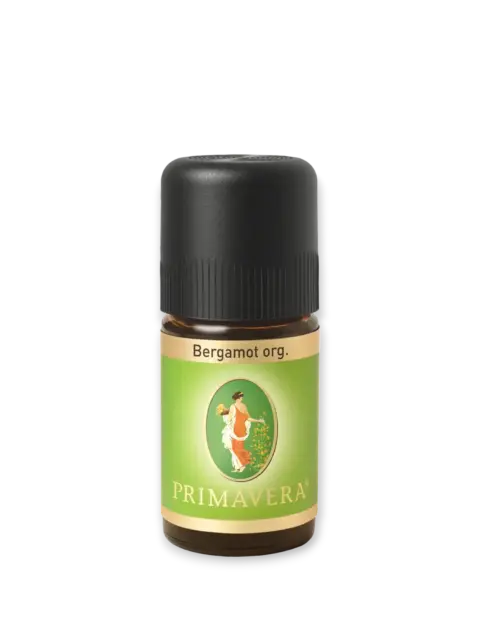
Price range: €8.90 through €14.90Options This product has multiple variants. The options may be chosen on the product page
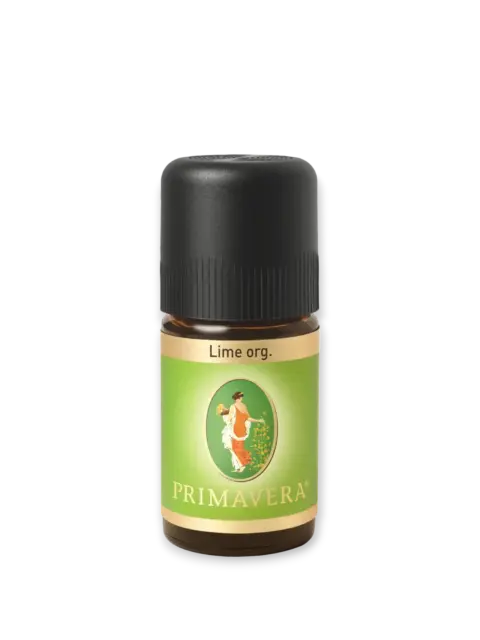
8.90 €Add to cart