
History of the use of witch hazel hydrosol
Witch hazel hydrolate, sometimes called “witch hazel floral water” and “witch hazel herbal water,” is extracted from the bark and leaves of the botanical shrub Hamamelis virginiana , more commonly known as witch hazel. When Native Americans and Puritans discovered the healing properties of witch hazel—a botanical plant also commonly called winterflower, spotted alder, hazel nut, tobaccowood, and brittle hazel—they began boiling parts of the plant to create infusions intended to treat skin irritations, wounds, swellings, infections, and growths.
Currently, extracts from the witch hazel plant continue to be used for their cleansing, toning, clarifying, and refining properties.
Both types of witch hazel hydrosol – with and without alcohol – are believed to offer a wide range of skin care benefits and have similar cosmetic and medicinal uses. Both can be used topically to tone the skin, soothe itching, irritation and inflammation, tighten pores, remove excess oil, cleanse, restore the skin’s pH balance and formulate a variety of natural beauty products.
This article highlights the therapeutic properties, benefits, and various safe uses of witch hazel distillate. You can also read more about floral waters in our general guide.
Benefits of witch hazel hydrosol

Used in cosmetics, witch hazel hydrolate can regulate the production of oil in the skin, eliminate excess sebum, nourish, tighten, tone, soothe and reduce the likelihood of future pimples. With mild astringent properties, as well as a refreshing and cooling effect, it is an ideal ingredient for after-shave products, as it reduces swelling and soothes other signs of shaving chafing and other irritations.
Witch hazel is also known to naturally and effectively cleanse the skin without drying it out and minimize the appearance and size of pores, thus helping to control blemishes while toning the complexion.
Known for its antioxidant properties that slow down the aging process, witch hazel distillate can be added to acne products, shaving and aftershave creams, antiaging serums, as well as shampoos, healing gels, washes and lotions, repellents against insects and even nail treatment products.
Used medicinally, witch hazel distillate soothes insect bites and stings, as well as cuts, wounds, swelling and bruises, and its antibacterial properties facilitate healing. Its mild astringent properties make it suitable for even the most sensitive skin types, including acne-prone, blistered and chapped skin, and works gently to soothe the irritation common to skin that has recently been shaved or sunburned.
With its protective properties that protect the skin from environmental pollutants, witch hazel hydrosol helps prevent skin damage and overall skin health.
As shown, witch hazel distillate is known to have many therapeutic properties. Its many benefits and the types of activity it is believed to exhibit are highlighted below:
| Cosmetic: Antioxidant, astringent, soothing, moisturizing, toning, antiperspirant, antiitching, balancing, perfecting, cleansing, firming, nourishing, collagen booster. | Therapeutic: Antioxidant, astringent, soothing, antibacterial, wound healing, anti-inflammatory, antimicrobial, hemostatic, astringent, soothing, antiviral, antiseptic, nourishing, analgesic, protective. |
Use of witch hazel hydrolate
Used in cosmetics and topically, witch hazel's natural astringent effect means it is able to remove excess oil from the skin and minimize the appearance of enlarged pores. In this way, it strengthens the skin to make it less vulnerable to environmental pollutants and thus less prone to breakouts.
One of the simplest yet most popular uses of witch hazel extract is to apply it directly to the skin. It can be applied as a toner and is known for its enhanced anti-pruritic, anti-inflammatory and analgesic properties. When massaged into areas of the skin where varicose veins occur, it is believed to help prevent the worsening of these veins as well as bruising.
Used medicinally, witch hazel exhibits antibacterial, antioxidant, and astringent properties that facilitate wound healing, stop bleeding, and eliminate harmful bacteria that can cause infections, skin damage, or premature aging.
To disinfect a wound before applying a bandage, soak a cotton swab in witch hazel and gently rub it over the abrasion. This is also applicable to insect bites and stings, rashes caused by nettles, and local allergic reactions characterized by swelling, redness, bruising, itching, dryness and sores. Witch hazel is known to have the added benefit of fading discoloration or uneven skin tone.
Recipes with witch hazel hydrolate

Witch hazel hydrosol is also very useful for acne caused by bacteria on the skin. Simply soak a clean cotton pad and apply topically directly to the pimples to eliminate the bacteria that caused them. This can be repeated several times a day and applied to any irritated area of the skin, although it is advisable to leave enough time between repeated applications to allow the skin to adapt.
Additionally, this application will reduce redness and swelling while helping to balance oil production, reduce sweating, prevent further development of whiteheads and blackheads, and prevent infection.
Antibacterial treatment for acne
- 100 ml witch hazel hydrolate
- 10 drops tea tree essential oil

Dilute the essential oil in the hydrosol and apply it with a cotton swab to the pimples in the same way as the above-mentioned method.
To naturally lighten dark circles and reduce puffiness, soak a cotton pad with a small amount of witch hazel and apply it to your closed eyelids for 5 minutes. Make sure not to get it in your eyes, as this can cause dryness, which can lead to discomfort or pain. For another, less concentrated application, dilute the hydrosol further with cold water before soaking a cotton pad and applying it to your eyes for 10 minutes. This cooling application is known to be equally effective in reducing redness, dark circles and the feeling of heaviness in tired eyelids.
To soothe skin before and after shaving or waxing, including waxing, apply directly to areas of skin that will be or have been shaved or waxed. This app is suitable for both men and women. Its anti-inflammatory action is known to clean cuts, prevent bleeding, soothe itching, irritation and swelling, help fade stretch marks and scars, and facilitate the healing of scrapes and infections.
Makeup remover
- 2 tbsp. jojoba oil or sweet almond oil
- 2 tbsp. witch hazel water
Combine ingredients in a clean spray bottle. Cap and shake well. Pour a small amount onto a cotton pad and wipe over entire face, especially closed eyelids. Also works well with waterproof mascara.
For a soap-free face wash that's perfect for use on oily or acne-prone skin, first place a small funnel into a clean amber glass bottle, then pour in:
Washing your face without soap
- ¼ cup witch hazel
- ¼ cup Rosewater
- 2 tsp vegetable glycerin or aloe vera gel
Then close the bottle and shake it well to mix all the ingredients. Pour a small amount onto a clean cotton pad and gently wipe the entire face. The process can be repeated until all visible dirt or makeup is removed, and can be followed by a moisturizer.
A simple makeup remover
- 3 tbsp. witch hazel hydrolate
- 2 tbsp. olive oil
Combine in a small bottle. Close and shake well before use, then apply to face with a cotton pad.
For a protective antioxidant serum believed to protect skin's elasticity and collagen while protecting it from the harsh effects of sun exposure and UV radiation, combine the following ingredients in a glass measuring cup:
Antioxidant serum spray
- 2 tbsp. witch hazel
- ¼ cup aloe vera gel
- ½ tsp. liquid vitamin E
- 2 tbsp. almond oil
- 10 drops lavender essential oil
- 2 drops peppermint essential oil
Mix the oils together, then pour the mixture into a 120ml spray bottle. Spray onto skin, avoiding the eye area, then gently massage in. Can be applied several times a day. Bottle can be stored at room temperature or refrigerated.
For a facial toner that is known to slow down the signs of aging, start by steeping ½ cup of green tea overnight and letting it cool. Once you’ve finished this step, pour the green tea into a spray bottle. Add ¼ cup of witch hazel and a total of 10 drops of your preferred essential oils. Cap the bottle and shake well. First, cleanse your hands and face, then spray the toner onto your face. For faster absorption, use light patting motions. When not in use, the toner can be stored in the refrigerator.
To prepare a natural shampoo enriched with witch hazel that cleanses the scalp and hair of dirt and excess sebum while soothing inflammation, itching, and dryness, combine the following ingredients in a glass measuring cup or glass bowl:
Natural shampoo with witch hazel
- 100 ml witch hazel hydrolate
- 1 tbsp. jojoba oil
- 2 tbsp. aloe vera gel
- ¼ cup liquid castile soap
- 3 drops tea tree essential oil
Pouring slowly will help prevent soap bubbles from forming. Stir well and pour into an airtight container. Use as you would regular shampoo.
To get a hair stimulant to enhance growth, pour:
Hair growth stimulant
- 100 ml witch hazel
- 10 drops lavender essential oil
- 7 drops rosemary essential oil
- 3 drops thyme essential oil
- 3 drops essential oil of cedar
Stir the mixture well. You can mix the oils directly into the witch hazel water bottle. Close and shake. Spray directly onto scalp as needed. Store in a cool, dark, dry place.
Conclusion
The information in this article is for educational purposes only and is not intended to serve as a basis for prevention or treatment.
More interesting articles from the blog
- Floral waters – a dose of freshness for the body
- Natural facial cleansing gel – benefits
- Eye cream according to skin type
- Bakuchiol – the natural alternative to Retinol
- Let's make a natural mosquito and insect repellent
Categories
- Aromatherapy
- Essential oils
- Carrier oils
- Diffusion methods
- Natural cosmetics
- Recipes with essential oils
- News

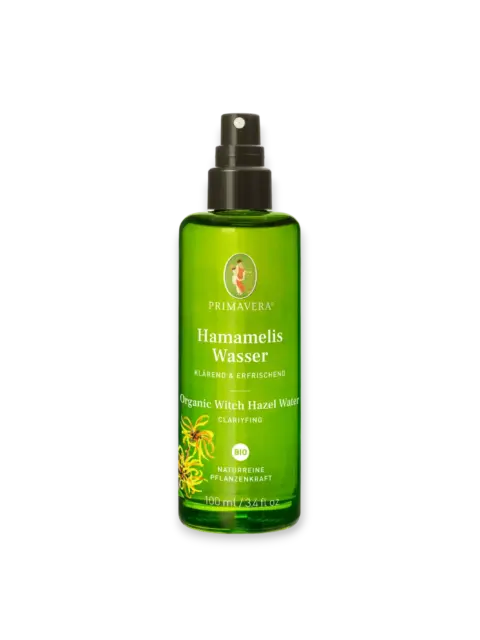 Discount: -20%
Original price was: €11.90.9.52 €The current price is: €9.52.Add to cart
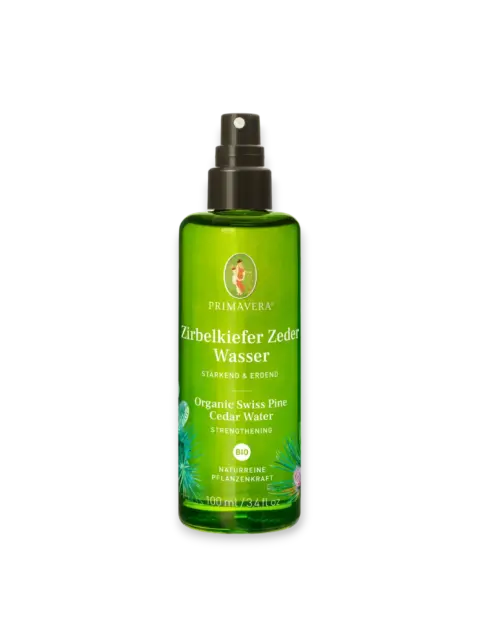 Discount: -20%
Original price was: €11.90.9.52 €The current price is: €9.52.Add to cart
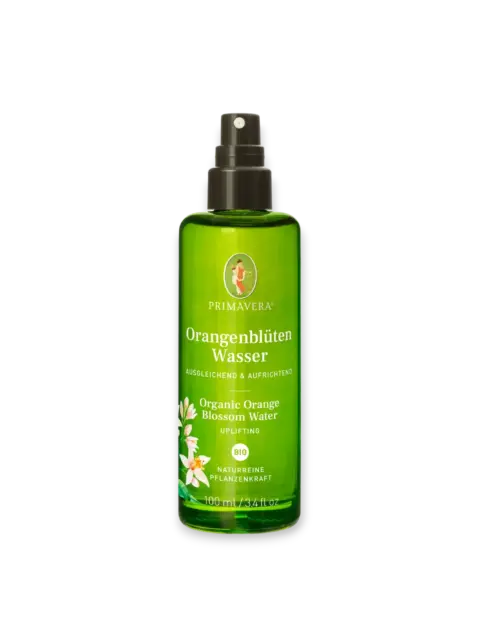 Discount: -20%
Original price was: €11.90.9.52 €The current price is: €9.52.Add to cart
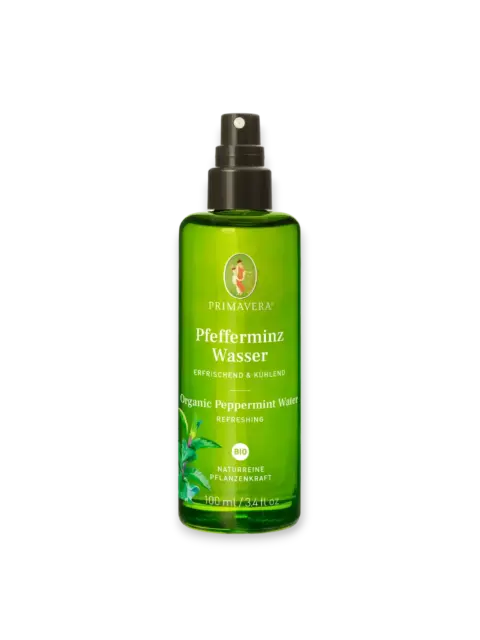 Discount: -20%
Original price was: €11.90.9.52 €The current price is: €9.52.Add to cart
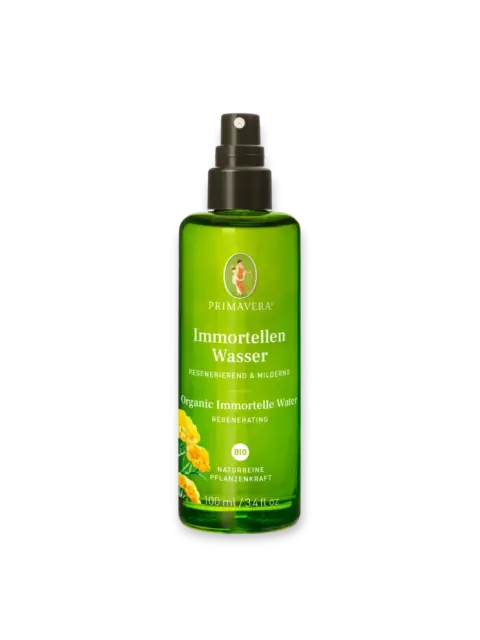 Discount: -20%
Original price was: €11.90.9.52 €The current price is: €9.52.Add to cart
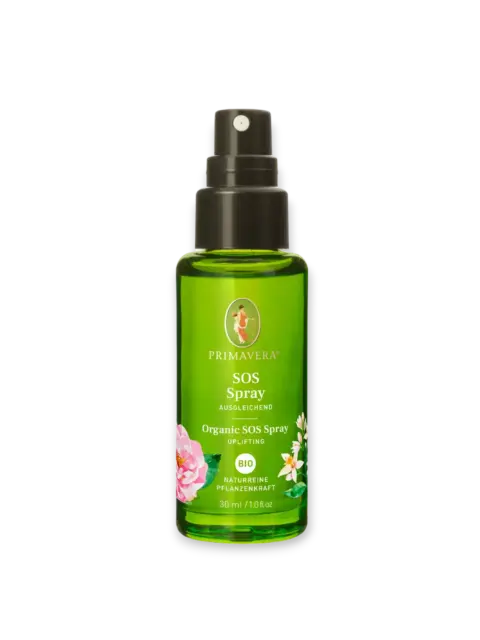 Discount: -20%
Original price was: €8.97.7.18 €The current price is: €7.18.Add to cart


