

A strong, rich, citrusy green scent, its freshness is unmistakable. This is citronella essential oil , which is popular for its natural mosquito and insect repellent properties. However, its uses and benefits extend beyond keeping pesky bugs at bay during the warmer months.
Citronella is often confused with lemongrass because they have a similar appearance, growth habit, and method of cultivation. The two plants are considered “cousins” because they belong to the same plant family – Cymbopogon , which is commonly called simply lemongrass. They differ in their stems – lemongrass has almost white stems, while those of the citronella plant are reddish in color.
Quick Pick: Natural Citronella Essential Oil & Organic Products
Looking for pure citronella oil or ready-made repellent care? Buy directly with a guarantee of organic quality:
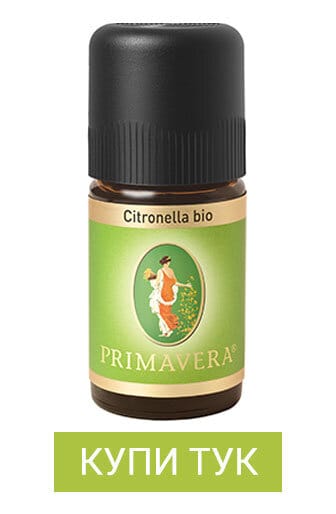
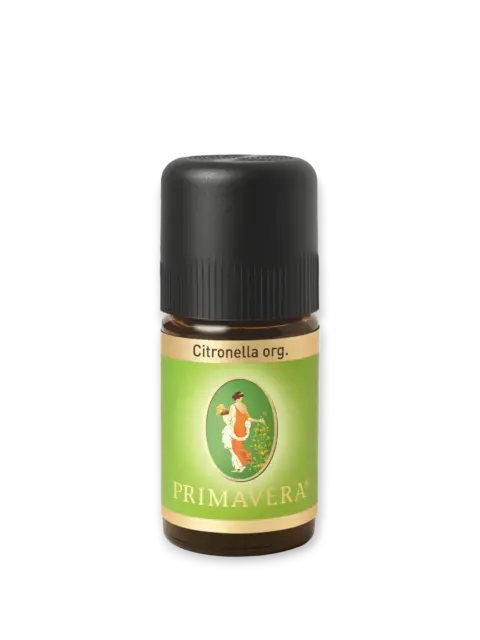
- Buy citronella essential oil (Primavera Bio 5 ml) – 100% pure organic oil
- Buy Lemongrass Essential Oil (Primavera Bio 5 ml) – fresh citrus flavoring
- Buy Neem Oil (Alteya Organics 50 ml) – base oil for household repellents
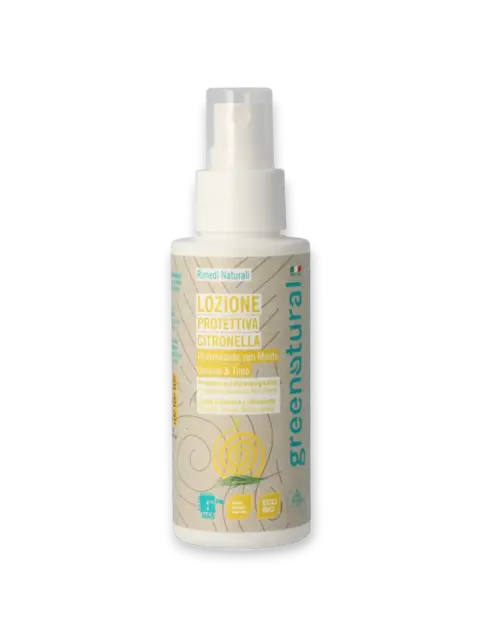
- Buy Greenatural Mosquito Repellent Lotion (100 ml) – ready bio spray with citronella
The fragrant herb gets its name from the French word for “lemon balm” because of its floral, strongly citrus-like scent. Citronella is a herb that grows mainly in some Asian countries, as well as on islands in the South Pacific.
Citronella essential oil is extracted from two varieties – Ceylon, whose botanical name is Cymbopogon nardus , and Java, Cymbopogon winterianus . Both oils range in color from pale yellow to a brownish hue. The Java variety has a fresher, lemony aroma, reminiscent of lemon essential oil, while the Ceylon variety can have a warmer, woody undertone to its citrus aroma. The two varieties also differ in their composition, with the Java variety being more concentrated in geraniol and citronellol.
Like many essential oils, citronella oil has a variety of benefits that are not limited to its repellent properties. In this article, we will also look at the other benefits of citronella oil and how you can apply it safely at home.
Short story
For centuries, citronella oil has been a natural healing agent and food ingredient, widely used in China, Sri Lanka and Indonesia. It is traditionally used as a culinary flavoring, pain reliever, infection, rash and inflammation reliever, non-toxic insect repellent, natural and aromatic household cleaner and ingredient in perfumery, soaps, detergents, scented candles and beauty products.

Citronella oil is still highly valued today for its cleaning, disinfecting, refreshing, and deodorizing properties. In addition to being used as a flavoring for foods and beverages, citronella oil has a variety of uses, which we will list below.
Natural insect repellent
This is one of the most commonly used properties of citronella essential oil, as it repels insects and prevents bites. It has been found to be particularly effective against a type of mosquito called Aedes aegypti , whose bite causes yellow fever. Citronella oil is also effective against lice (on the body and head) and fleas (it has repellent properties only).
A 2011 study in Tropical Medicine and International Health concluded that citronella oil combined with vanillin (a compound found in vanilla beans) is among the most effective natural insect repellents, providing up to three hours of continuous protection.
Citronella oil is a natural substitute for the chemical repellent DEET (diethyl-meta-toluamide, N,N -diethyl- m -toluamide), which is the main ingredient in conventional insect repellents.
According to a 2019 study, citronella essential oil is between 52 and 85% effective in protecting against mosquito bites, making it particularly suitable for use in insect control products.
Bacterial growth inhibitor
According to a study published in the Microbios Journal , chemical compounds such as methyl isoeugenol and several others found in citronella essential oil are responsible for inhibiting all types of bacterial growth. The antibacterial function of citronella essential oil is especially useful for treating infections and aiding in faster healing of skin wounds.
Helps with depression
Citronella oil fights depression and relieves anxiety, sadness and negative feelings. Diffuse at home to evoke fresher feelings of happiness and hope.
Removes bad smell
The bright, fresh, rich citrus-lemon scent of citronella essential oil banishes unpleasant odors. Citronella essential oil has an overall toning effect on the body. But be careful: like lemongrass, the oil is quite strong and you shouldn't overdo it.
Acts as a stimulant
The stimulating effect of citronella essential oil will increase the activity of the nervous system. This essential oil also stimulates the body's immune mechanisms and metabolism.
Citronella essential oil forms fine blends with the essential oils of:
- cedar tree,
- Gradinsky Chai,
- eucalyptus,
- geranium,
- lavender,
- lemon,
- peppermint,
- rosemary,
- Tea tree.
How to use citronella oil
Homemade insect repellent with neem and citronella
- 2 tbsp. base neem oil
- 1 s. l. organic olive oil
- 1 s. l. coconut oil
- 10–15 drops citronella essential oil

Melt the coconut oil (or you can also use fractionated coconut oil, which is in liquid form). Mix all the ingredients and store them in a small jar with a dropper. To use, rub a small amount onto the skin.
Note: You should not use neem seed oil if you are pregnant or trying to conceive.
For concentration and focus
Used through aromatherapy, citronella oil improves concentration and promotes mental clarity. Diffuse 3 drops of citronella oil in your home diffuser and enjoy a sense of focus and concentration. The aroma calms the body and mind, reducing the burden of chaotic and conflicting emotions.
With a cold
With its anti-inflammatory and antibacterial properties, citronella oil will relieve throat or sinus irritation, shortness of breath, mucus production, and symptoms of bronchial infections. Diffuse a blend of 2 drops each of citronella, lavender, and peppermint oils to achieve this relief, while also improving circulation and reducing stress and anxiety.
For the body
Citronella oil is particularly suitable for making a gentle and antibacterial body spray that can cover or eliminate unpleasant odors, especially those caused by underarm bacteria.
Natural deodorant with citronella and lemon
- 2 tbsp. baking soda
- 2 tbsp arrowroot powder (maranta)
- 4 tbsp. base argan oil
- 4 drops lemon essential oil
- 4 drops citronella essential oil

For a lemon-scented deodorant with antibacterial benefits, mix 2 tablespoons of baking soda and 2 tablespoons of arrowroot powder in a small bowl. Then add 4 tablespoons of a carrier oil, such as argan oil, 4 drops of lemon essential oil, and 4 drops of citronella essential oil, and mix everything together thoroughly. Pour the mixture into an empty roll-on bottle or other suitable bottle that you can easily apply.
Important for safety
Citronella essential oil should not be used on the skin of young children and should be avoided during pregnancy. In high concentrations, applied topically, it causes irritation and skin sensitivity. If you have made a homemade insect repellent, do not allow children to apply the product themselves. They often lick their hands, so it is best to put the repellent on your hands and apply it to the child's body.
Conclusion
The information in this article is for educational purposes only and is not intended to serve as a basis for prevention or treatment! The International Federation of Professional Aromatherapists (IFPA) does not recommend that essential oils be taken internally unless the application is under the supervision of a physician qualified in clinical aromatherapy!
Like medicines, essential oils should be treated with respect. It is important to seek professional advice and carefully follow the instructions on the packaging of the products you purchase. When storing essential oils , it is important to be aware that light, heat and oxygen can affect the integrity of the oil. Products should come from a reliable source and be certified by the appropriate authority to ensure their quality. Carefully following the instructions reduces the risk of compromising your health.
More interesting articles from the blog
- Lemongrass essential oil – health benefits
- Lemon essential oil – health benefits
- Sage essential oil – benefits and uses
- Lavender essential oil – the oil of antiquity
- Essential oils – uses and benefits in aromatherapy
Categories
10.20 €Add to cart
7.90 €Add to cart
12.55 €Add to cart
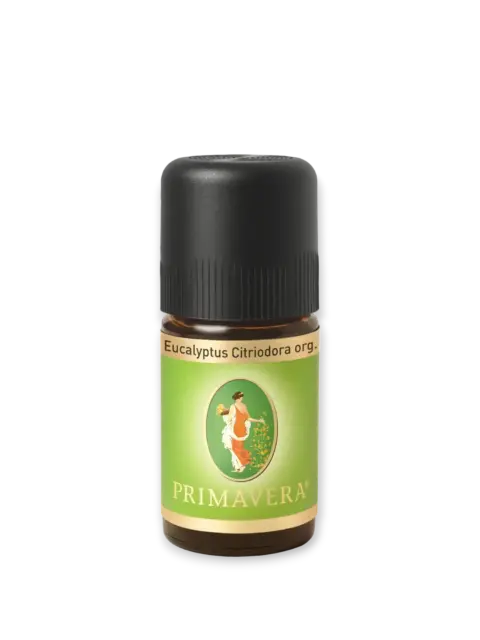
7.90 €Add to cart
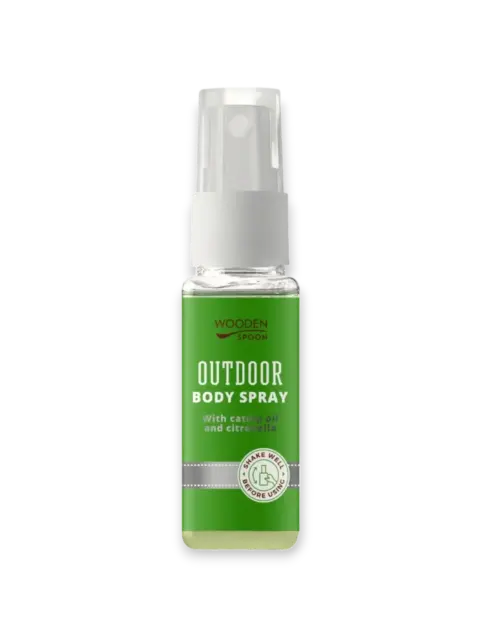
8.00 €Add to cart
5.15 €Add to cart