
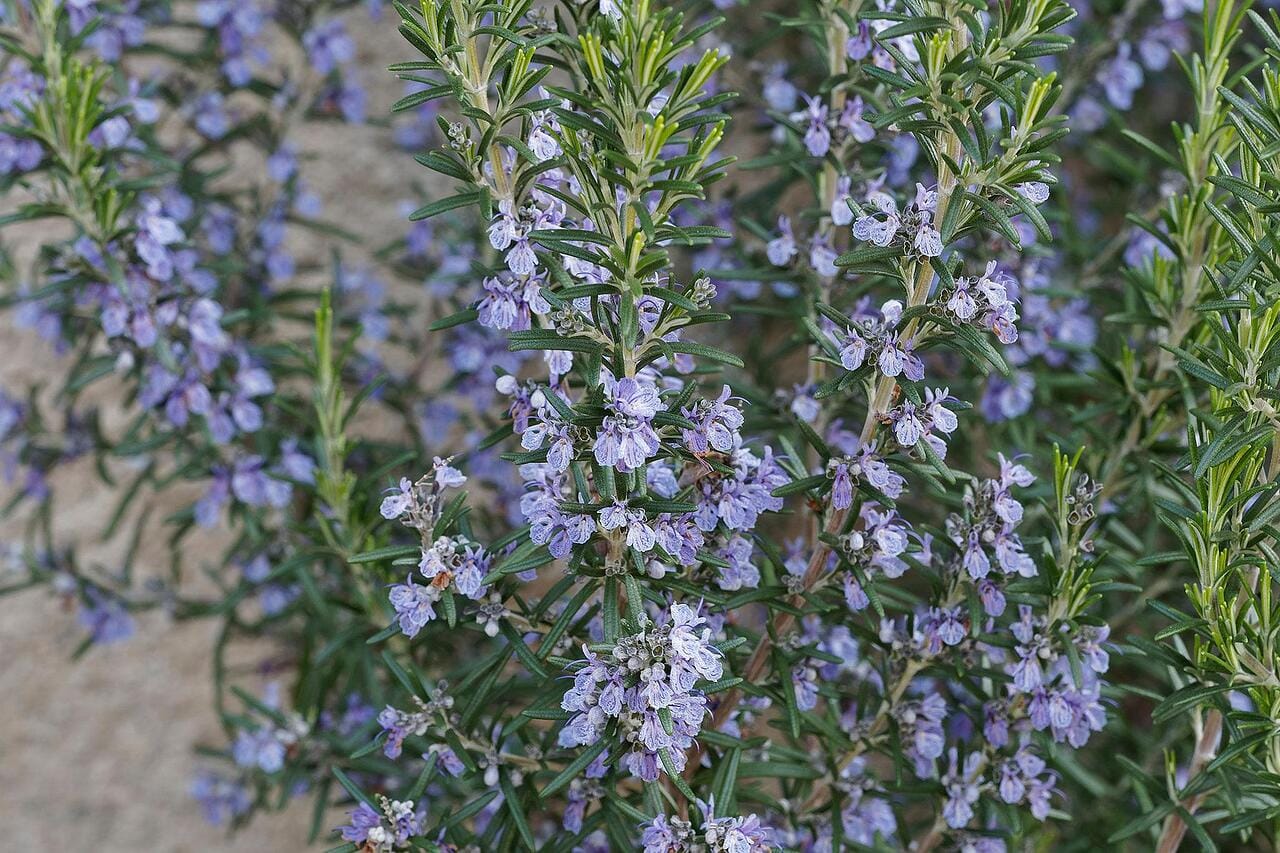
Rosemary essential oil captivates with its energizing, woody, sweet-grassy, herbal aroma.
Rosemary ( Rosmarinus officinalis ) is an aromatic herb native to the Mediterranean and gets its name from the Latin words “ros” (dew) and “marinus” (sea), which literally means “dew of the sea.” Rosemary essential oil is extracted from the aromatic herb Rosmarinus officinalis , a plant belonging to the mint family, which includes basil , lavender , myrtle , and sage.
In antiquity, rosemary was dedicated to Aphrodite and symbolized fidelity. Rosemary was an ingredient in the famous "Hungarian Water", one of the oldest perfumes, dating back to the 13th century. Due to its many beneficial properties, it is an ingredient in "Herbs of Provence", a mixture of spices and an important raw material for perfumery, cosmetics and pharmacy.
In ancient times, rosemary was considered sacred by the ancient Greeks, Egyptians, Jews, and Romans, and was used for numerous purposes. The Greeks wore garlands of rosemary around their heads while studying, as it was believed to improve memory. The Romans used rosemary in almost all festivals and religious ceremonies, including weddings, as a reminder of life and death.
In the Mediterranean, rosemary leaves and rosemary essential oil were popular for culinary purposes, and in Egypt, the plant, as well as its extracts, were used for fumigation/incense in various ceremonies.
The highest quality rosemary essential oil is obtained from the flowering tops of the plant and is best known for its stimulating, calming and pain-relieving properties. Rosemary is quite stimulating and helps preserve memory and maintain concentration and alertness. Rosemary is a good choice for blends for long-distance driving and for long study sessions. The essential oil is popular for its ability to strengthen hair and hair follicles, heal the scalp, prevent hair loss , and help with alopecia.
Rosemary essential oil has several chemotypes. A chemotype is a way of saying that the same plant can have different chemical constituents. Most essential oils do not have different chemotypes, but it is important to note that the chemotype determines their therapeutic properties. These variations usually occur when the same plant is grown in different environments/locations:
- Rosemary essential oil, chemotype verbenone (Rosmarinus officinalis ct. verbenone) contains less camphor. The aroma is more herbaceous and is preferred by many. In aromatherapy it is used for topical application in the liver and abdomen, for massage and various compresses. Its properties are ideal for overcoming spring fatigue and for enhancing overall concentration.
- Rosemary essential oil, chemotype cineole (Rosmarinus officinalis ct. cineole) is most effective for relieving respiratory ailments, especially respiratory and bronchial. The essential oil has strong anti-inflammatory, analgesic and bronchial decongestant properties.
- Rosemary essential oil, camphor chemotype (Rosmarinus officinalis ct. camphor) has an intense minty and herbaceous aroma. It effectively cleanses and detoxifies the liver. The essential oil is a powerful stimulant, also known for its tonic properties - it favors drainage and blood circulation, making it a preferred oil for relieving problems with water retention, heavy legs or cellulite.
Rosemary Oil for Hair – Benefits and Uses
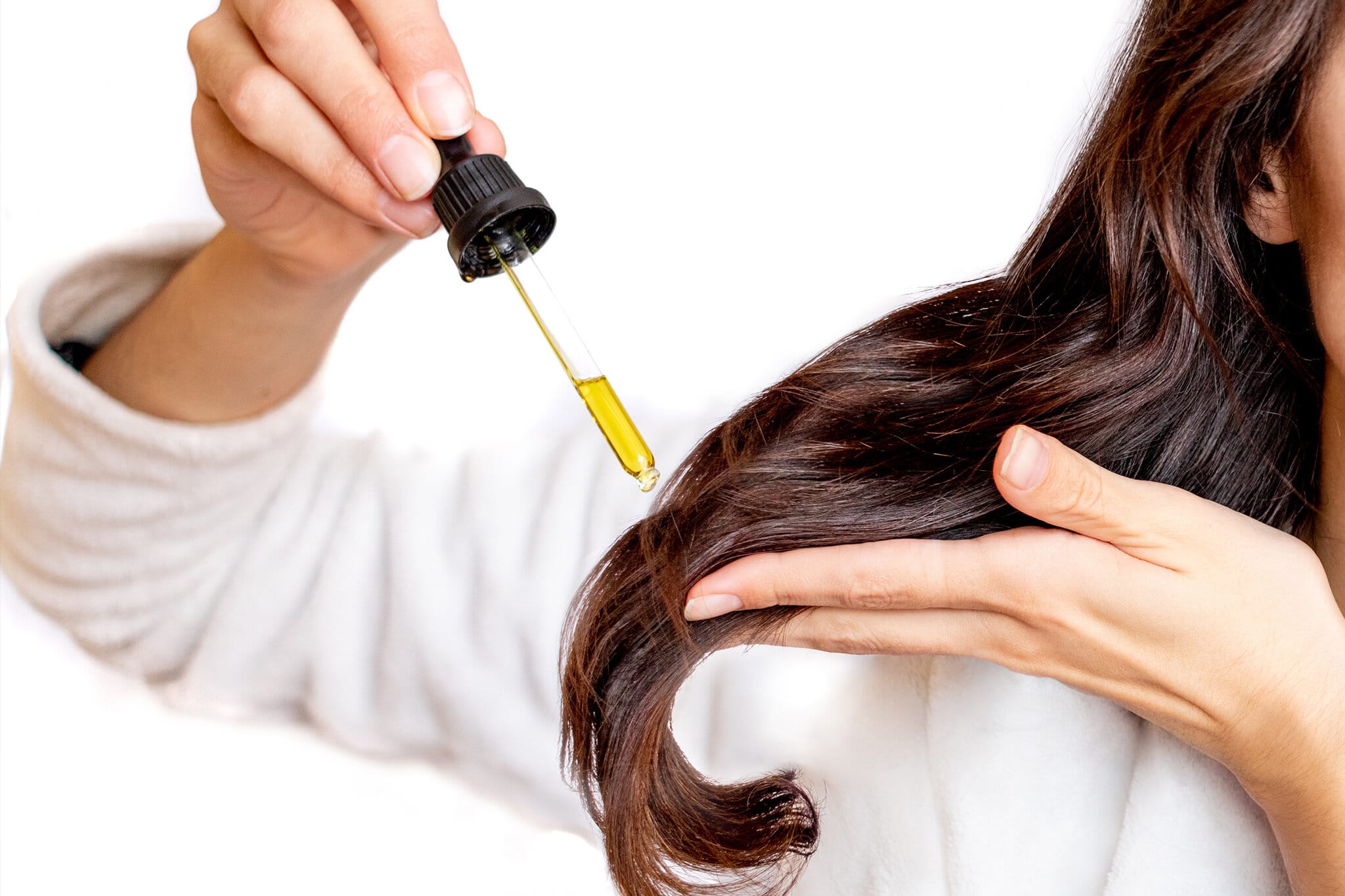
Rosemary oil has a long-standing reputation as a hair growth aid, often used in hair washes to stimulate growth and prevent hair loss. Derived from the rosemary herb, this essential oil has a number of health benefits, from anti-inflammatory properties to improving circulation and stimulating hair growth. When applied topically, rosemary oil can potentially promote hair growth and prevent hair loss by improving blood circulation to the scalp, which can help re-grow hair.
Scientific research shows promising results regarding the efficacy of rosemary oil in hair care. Active compounds such as carnosic acid in rosemary have shown the ability to heal tissue and nerve damage, potentially reviving scalp nerves and promoting hair growth. Studies comparing rosemary oil to commercial hair growth products have shown positive results, showing the effectiveness of the oil in conditions such as androgenic alopecia (male or female pattern baldness). Remarkably, rosemary oil not only showed similar effectiveness to minoxidil, but also managed itchiness on the scalp more effectively.
However, caution is advised when using rosemary oil. Direct contact with the eyes should be avoided, and excessive application to the scalp may cause irritation. Pregnant or breastfeeding women should also use it with caution due to limited information on its safety in these cases.
Rosemary oil offers a simple and potentially effective home remedy for hair care, with minimal reported side effects when used properly. Although further research is needed, its use to stimulate hair growth and prevent hair loss shows promising results, making it a compelling alternative to commercial products. Remember that individual experiences may differ, so consultation with a medical professional is recommended before starting a new hair care regimen.
How to use rosemary essential oil to prevent hair loss and strengthen hair
Incorporating rosemary oil into your hair care routine can be done in a number of ways. You can massage a diluted mixture of rosemary oil and carrier oil into your scalp before or after bathing or mix it into your shampoo or conditioner. Homemade shampoo recipes often include essential oils like rosemary for their health benefits.
You can use rosemary essential oil as a hair treatment, but for any potential hair growth benefits to be achieved, application must be regular and long-term. Don't expect visible results after the third application.
When using rosemary oil for hair growth, it is recommended to apply it daily, as a hair mask at night, for at least the first 6 months. In addition, use only sulfate-free, non-aggressive hair shampoos, and limit all styling products.
- Make your own oil hair serum: Combine rosemary essential oil with your favorite carrier oil, such as almond or jojoba. You can add other oils to treat hair growth, such as pumpkin seed oil or castor oil. Apply it to your scalp and be sure to massage it in with your fingertips. Leave it on for about 4-6 hours before washing it off.
- Add rosemary oil to shampoo: You can add a few drops of rosemary oil to your shampoo before washing your hair. This probably won't be as effective as applying it directly, but you may still get some of the benefits of the oil.
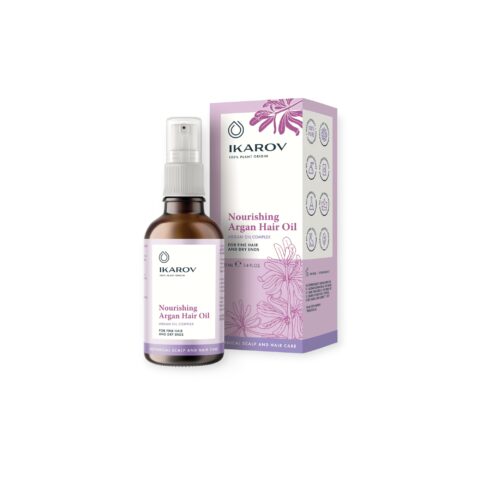
- Use products with rosemary oil: Ikarov's hair line contains three products – two hair oils and a serum, which contain rosemary oil and other ingredients that promote hair growth. They are suitable for daily use, as a mask before bed or before a bath. You can buy them at MaKaSa online store.
Other beneficial properties of rosemary essential oil
Today, many therapeutic ointments and cosmetics contain rosemary essential oil. And this is no coincidence, since it is one of the essential oils for which there is already more research on its benefits for our health. Here are some of them:
Helps with hair loss and alopecia
Regular use of rosemary essential oil can help stimulate follicles, making hair grow longer and stronger. It can also help slow down premature graying and hair loss. According to a report in the Skin Med Journal, the oil helps thicken hair. The study found that volunteers suffering from severe hair loss saw significant improvement after applying the oil for six months. Regularly massaging the scalp with rosemary oil nourishes the scalp and eliminates dandruff.
Improves cognitive functions
Rosemary is traditionally associated with memory and learning. Studies have found that aromatherapy with rosemary essential oil improves both cognitive abilities and our overall mood. Higher concentrations improve results. And not only that, tests show significant improvements in concentration and memory.
It relieves stress
Feeling stressed? A few drops of the oil in your favorite aromatherapy diffuser can help you de-stress and feel more energized and energized. Inhaling a combination of rosemary and lavender oil for five minutes significantly reduces levels of cortisol (our stress hormone) in your saliva. In fact, rosemary essential oil is often used in aromatherapy to improve mood.
Strengthens the immune system
Massaging and diffusing rosemary essential oil can boost your immunity by increasing cortisol levels in the body and protecting it from oxidative stress. A 2017 study published in the journal Cogent Biology found that an essential oil blend that included rosemary oil increased the body’s anti-inflammatory and immune-modulating responses. So regularly using or inhaling the oil in aromatherapy sessions can help boost your immune system.
It relieves the pain
Rosemary oil has shown strong pain relief potential in various studies. In a South Korean study, stroke survivors with shoulder pain experienced a 30 percent reduction in pain after applying acupressure with mixed oils that included rosemary oil. Another study shows that the oil has anti-inflammatory properties and can help relieve pain. It is used in aromatherapy to relieve headaches, muscle pain, rheumatism and even arthritis.
It can improve brain function
In ancient Greece and Rome, rosemary was revered for its ability to strengthen memory. Recent research supports this traditional notion. Inhaling rosemary oil can help prevent the breakdown of acetylcholine, a brain chemical critical to thinking, concentration and memory. Studies have shown that individuals exposed to rosemary oil show increased speed and accuracy in performing cognitive tasks. In addition, inhaling rosemary oil during tests improves concentration and retention of information, suggesting its potential to improve cognitive abilities, especially in older adults with dementia.
Repels some insects
Rosemary essential oil is a valuable insect repellent. Whether you want to protect your garden or yourself from pests, rosemary oil can be a natural alternative to chemical products. It has been found to reduce the population of arachnids in greenhouses without harming the plants. Rosemary oil is also effective in repelling blood-sucking insects such as the Aedes aegypti mosquito , which carries diseases such as the Zika virus.
Conclusion
- Anti-inflammatory and vasodilator
- Main benefits: Stimulates hair growth, improves blood circulation and soothes the scalp, improves memory, calms, has a pain-relieving effect. Helps with respiratory problems.
- Rosemary essential oil application: Anyone who has problems with split ends or damaged hair, hair loss and alopecia can dissolve a few drops of rosemary oil in a carrier oil and rub into the scalp. Before attempting any self-treatment, we recommend that you first consult your personal physician to determine the cause of your hair loss.
- How often you can use it: It can be used daily or as often as you wash your hair, as long as you are not allergic to the oil. Never apply it undiluted to your skin, hair, or scalp. Follow the manufacturers recommended dilution rates.
- Mixes well with: Other ingredients that promote hair growth, such as pumpkin seed oil, castor oil.
- Do not use with: There are no ingredients known to negatively affect rosemary oil. However, there is always the possibility of irritation and you should discontinue use if this occurs.
Rosemary essential oil, with a rich history in traditional medicine, is now receiving scientific recognition for its many health benefits. Rosemary oil offers a wide range of potential uses, from improving brain function and stimulating hair growth to relieving pain and repelling insects. If you are considering incorporating it into your health care routine, always follow safety guidelines and consult a medical professional, especially if you have specific medical conditions or concerns. The versatility and natural properties of rosemary oil make it a valuable addition to your holistic health and wellness practices.
More interesting articles from the blog
- Top 9 essential oils for hair loss
- Sage essential oil – benefits and uses
- Lavender essential oil – the oil of antiquity
- Jojoba oil – the liquid gold of the desert
- Essential oils – uses and benefits in aromatherapy
Categories
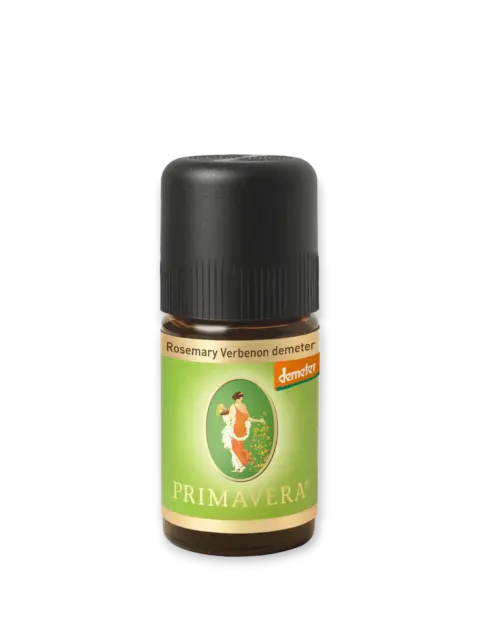
13.90 €Add to cart
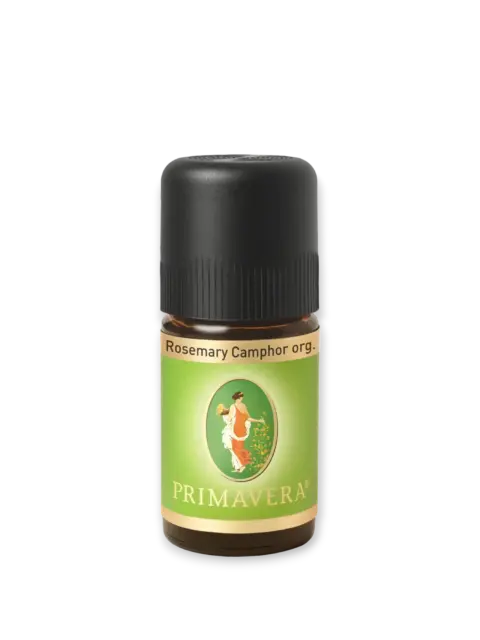
Price range: €8.90 through €12.90Options This product has multiple variants. The options may be chosen on the product page
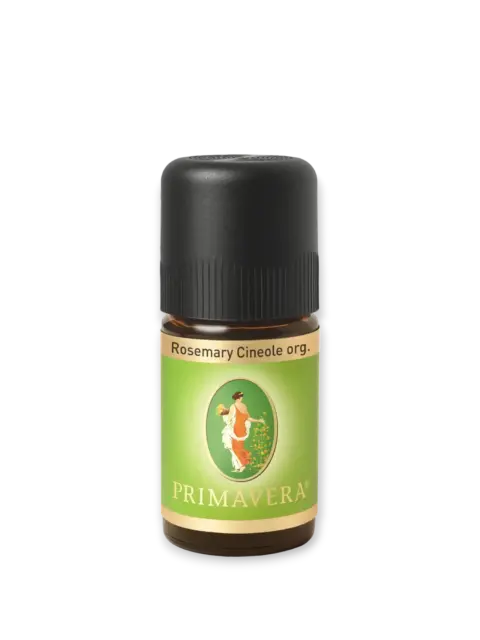
8.90 €Add to cart
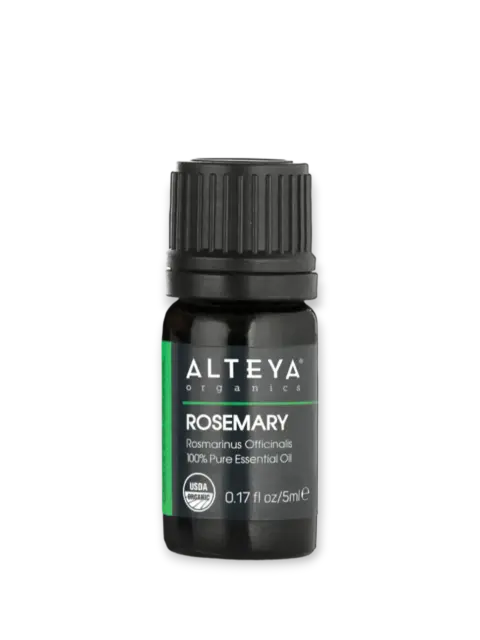
Price range: €4.15 through €5.55Options This product has multiple variants. The options may be chosen on the product page
4.85 €Add to cart
9.15 €Add to cart
15.00 €Add to cart
15.00 €Add to cart