

Lemongrass essential oil has a refreshing citrus scent and is one of the most common oils used in aromatherapy for beauty and health. Lemongrass is a tall grass found in tropical climates, native to the islands of Southeast Asia. A common spice in Indian, Thai and Chinese cuisine, it is also used to make tea.
Lemongrass essential oil has anti-inflammatory properties, helps ease digestion, and relieves headaches. Inhaling the oil’s aroma or applying it topically (dissolved in a carrier oil) has a variety of health benefits. In this article, we’ll tell you a little more about this fragrant essential oil.
Quick Pick: Organic Lemongrass Essential Oil & Natural Ingredients
Looking for pure lemongrass oil or ingredients for homemade blends? Buy directly with a guarantee of organic quality:
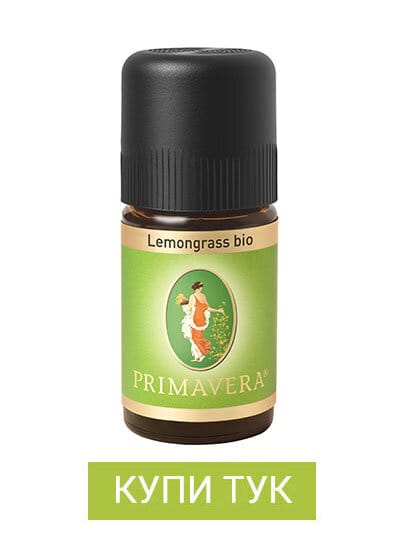
- Buy Lemongrass Essential Oil (Primavera Bio 5 ml) – 100% pure organic oil
- Buy citronella essential oil (Primavera Bio 5 ml) – natural citrus repellent
- Buy organic almond oil (Alteya Organics) – gentle base oil for massage
- Buy an ultrasonic aroma diffuser – for purification and diffusion at home
What is lemongrass essential oil?
Lemongrass essential oil is extracted through a process of steam distillation of dried lemongrass. Also called Cymbopogon , lemongrass is one of approximately 55 species of grasses in the family Poaceae . Of the numerous varieties, the two most popular are Cymbopogon citratus and Cymbopogon flexuosus.
Although essential oils can be produced from both, the former is primarily used for culinary purposes, while the latter is more popular for the production of essential oils and perfumes. The herb lemongrass has fibrous stems with a milder citrus scent. In essential oil, the aroma of lemongrass is fresh, grassy, with a slight hint of lemon.
The main constituents of its essential oil are myrcene, citronellal, geranyl acetate, nerol, geraniol, neral, limonene and citral.
5 Health Benefits of Lemongrass Essential Oil
Repels mosquitoes
Lemongrass essential oil is closely related to citronella and can be just as effective at repelling mosquitoes thanks to its unique scent, which is thought to be unattractive to insects.
Reduces depression and anxiety
With its fresh citrus-herbaceous aroma, lemongrass oil uplifts the spirit, increases confidence, hope, and mental strength. It relieves anxiety and intrusive thoughts. When diffused, the essential oil can be very useful in relieving depression, insecurity, loneliness, experienced family trauma, and other mental conditions.
Suppresses the growth of microorganisms
Lemongrass has proven antimicrobial properties, making it an inhibitor of microbial and bacterial growth in the body. The oil is known to be successfully used to suppress bacterial infections. [1]
Application for minor injuries and cuts
The antiseptic properties of lemongrass oil find application in various lotions and creams for topical application to the skin. The antiseptic properties of this oil prevent minor cuts and wounds from becoming infected.
Deodorizing and fragrance properties
Lemongrass oil is widely used in many soaps and personal care products. This is no coincidence – the essential oil has excellent deodorizing properties. You can dilute it with a carrier oil, such as almond oil , and use it on pulse points on the body instead of perfume.
It relieves the pain
Lemongrass essential oil helps relieve muscle and joint pain. It helps reduce general body pain resulting from physical fatigue after a busy day or playing sports.
How to use lemongrass essential oil?
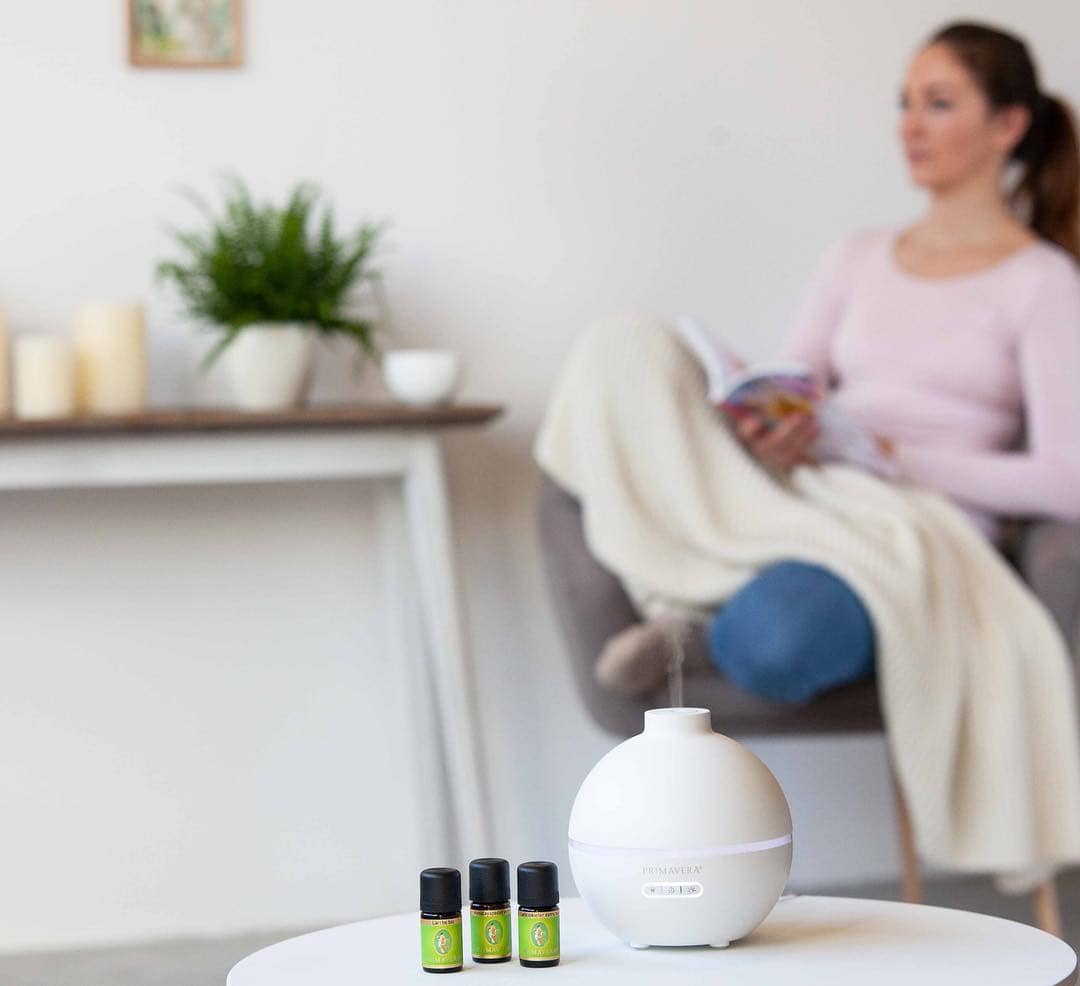
Recommended dose for dilution and application to the skin according to PRIMAVERA: maximum 15 drops of the essential oil in 50 ml of organic almond base oil.
Spray against unpleasant odors and insects
- 10 drops lemongrass essential oil
- 100 ml of distilled water

Add up to 10 drops to a small pump spray bottle filled with distilled water and spray on carpets, upholstered furniture or bedding. You can also use lemongrass to make a natural mosquito repellent.
Relaxing massage oil with lemongrass
- 5 drops lemongrass essential oil
- 10 ml base almond butter

Dilute 5 drops of lemongrass oil with 10 ml of carrier oil and gently massage into the skin.
Aroma blend for diffuser for focus and freshness
- 8-10 drops lemongrass essential oil

Put 8 to 10 drops in a diffuser and inhale the refreshing citrus-green aroma.
Interesting facts
- In some cultures, lemongrass is called fever grass (or fever grass) due to its ability to reduce fever.
- Lemongrass essential oil is closely related to citronella oil, but its smell is much sharper than sweet.
- Lemongrass oil combines well with essential oils from geranium, Tea tree, grapefruit and pine.
Conclusion
The information in this article is for educational purposes only and is not intended to serve as a basis for prevention or treatment! In accordance with NAHA guidelines, MaKaSa does not recommend the ingestion of essential oils. Before using lemongrass essential oil for therapeutic purposes, be sure to consult a clinical aromatherapist. The oil should always be stored out of the reach of children. It is not recommended for use by pregnant and lactating women.
Due to its high citral content, lemongrass essential oil can potentially burn the skin, so it is a good idea to do a skin test before using the oil. After topical application, sun exposure should be avoided, as lemongrass oil can cause skin sensitivity to ultraviolet rays. Lemongrass oil should never be used near the eyes, inside the nose and ears, or on other particularly sensitive areas of the skin.
More interesting articles from the blog
- German Chamomile Essential Oil – Benefits and Uses
- Lemon essential oil – health benefits
- Lime essential oil – benefits and uses
- Sweet almond oil – benefits and uses
- Essential oils – uses and benefits in aromatherapy
Categories
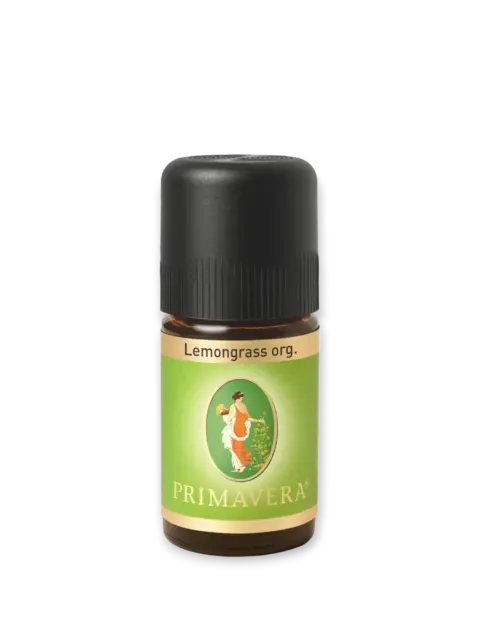 Discount: -10%
Original price was: €7.50.6.75 €The current price is: €6.75.Add to cart
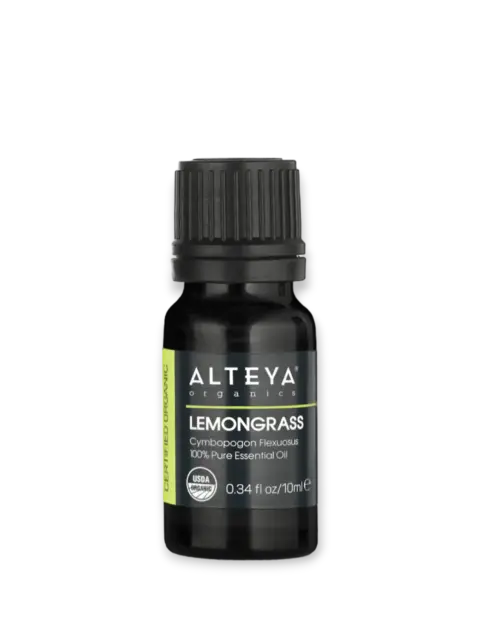
6.75 €Add to cart
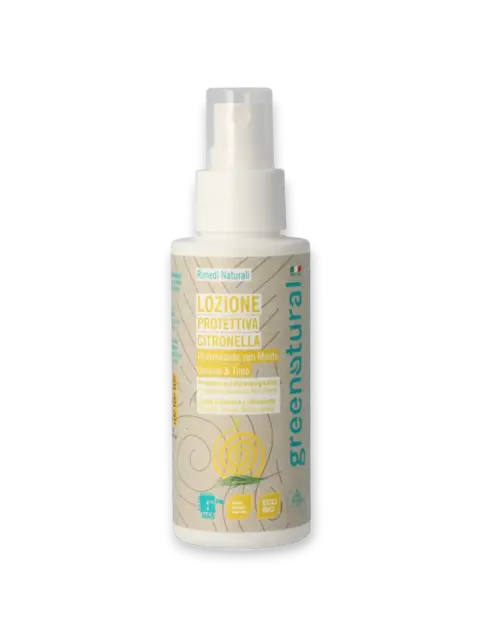 Discount: -10%
Original price was: €12.55.11.30 €The current price is: €11.30.Add to cart
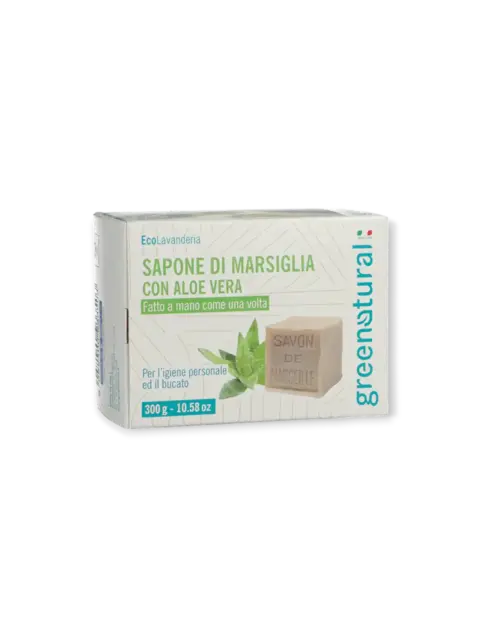 Discount: -10%
Original price was: €7.40.6.66 €The current price is: €6.66.Add to cart
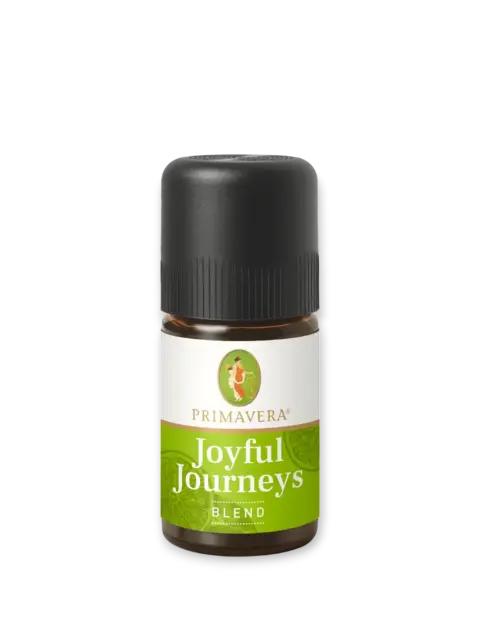 Discount: -10%
Original price was: €9.90.8.91 €The current price is: €8.91.Add to cart
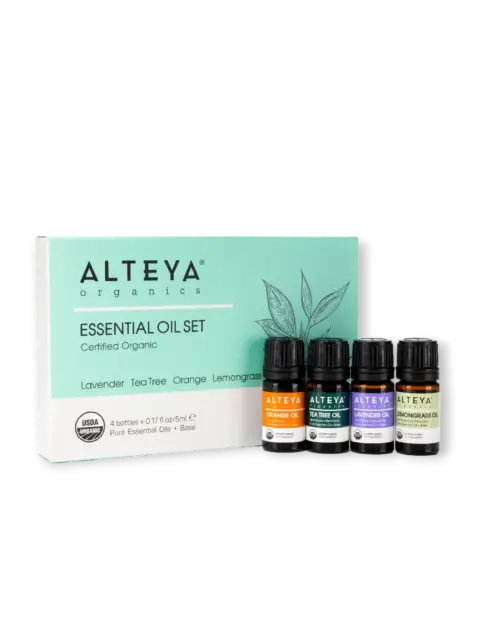
14.95 €Add to cart
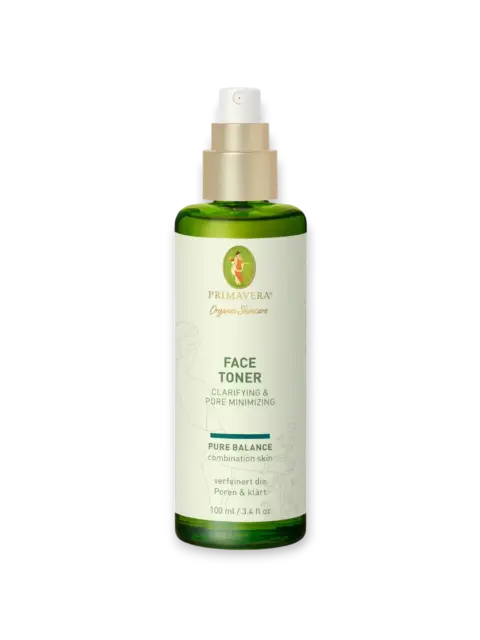 Discount: -10%
Original price was: €19.90.17.91 €The current price is: €17.91.Add to cart
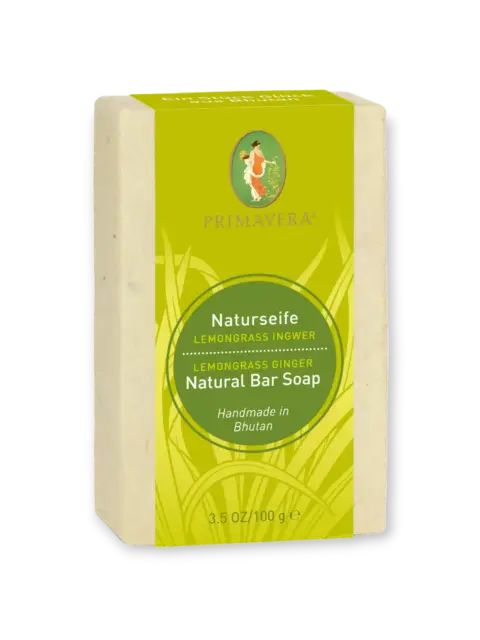 Discount: -10%
Original price was: €5.95.5.36 €The current price is: €5.36.Add to cart