
Coughs, runny noses and sore throats are an integral part of our daily lives, especially during the cold months. When a cold hits us, it's only natural to look for any possible means of relief. There is still no magic cure for the common cold and flu, but essential oils offer natural ways to relieve symptoms. With them, we can reduce inflammation, relax the airways and soothe an irritated throat. However, it is important to approach their use carefully, as they are highly concentrated and still incompletely studied. In case of a serious cough or in the presence of another health condition, you should always consult a medical specialist.
Essential oils are gaining attention for their natural properties and are extracted from plants that are grown all over the world. The use of essential oils as a method to relieve health symptoms is known as complementary alternative therapy. These methods are considered to be a supplement to traditional medical methods.
This article will look at the most effective essential oils for coughs and colds, as well as recommendations for using them safely to achieve maximum benefits in relieving cold and cough symptoms.
What we will learn about essential oils for cough
- Why are essential oils useful for coughs and colds?
- Ways to use essential oils for coughs
- The best essential oils for coughs and colds
- Frankincense from Boswellia carteri
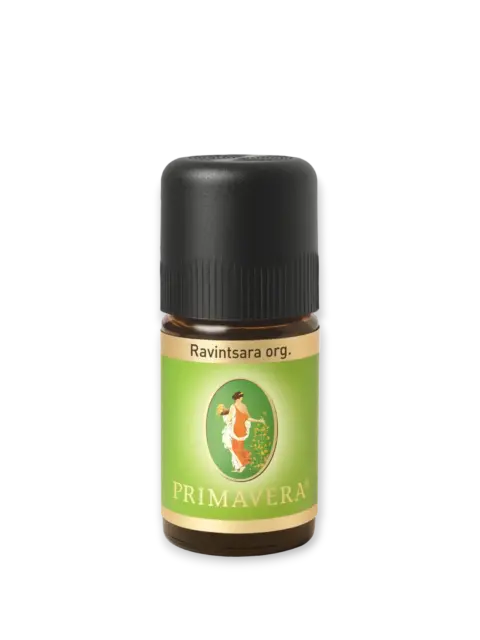
- Ravintsara (Cinnamom camphora)
- Swiss pine
- Eucalyptus oil (Eucalyptus globulus and Eucalyptus radiata)
- Lavender oil (Lavandula angustifolia)
- Rosemary oil (Rosmarinus officinalis)
- Tea tree oil (Melaleuca alternifolia)
- Cypress oil (Cupressus sempervirens)
- Peppermint oil (Mentha × piperita)
- Thyme oil (Thymus vulgaris) – chemotypes Linalool and Thymol
- Lemon essential oil
- Safe use of essential oils for coughs
- Daily ritual to increase immunity
- Anti-influenza mixture for diffusion
- Blend to fight bronchitis
- Conclusion
- MORE INTERESTING ARTICLES FROM THE BLOG
- CATEGORIES
Why are essential oils useful for coughs and colds?

The evidence for the efficacy of essential oils is based on both folk medicine and modern scientific research.
Essential oils are natural concentrates extracted from plants that contain active components with medicinal properties. These oils have antiviral, antimicrobial and anti-inflammatory properties that make them effective in fighting infections and respiratory disease symptoms.
According to research, essential oils can help unclog your nose, reduce coughing, and improve your overall well-being during a cold ( NCBI, 2020 ). For example, a 2022 study demonstrated their effectiveness in treating cough symptoms ( Inflammopharmacology, 2022 ).
Essential oils can be used in several different ways to relieve coughs and respiratory symptoms, each method having its own advantages and specific uses.
Ways to use essential oils for coughs
Direct inhalation from the bottle
One of the simplest and fastest ways to use essential oils is to inhale directly from the bottle. Simply open the bottle of your chosen oil, hold it to your nose and inhale deeply several times. This method is suitable for instant relief and quick access to the beneficial properties of the oil.

Vapor inhalation
For deeper cleaning of the respiratory tract and relief of coughing, you can use inhalation (inhalation with steam). Fill a bowl with hot water and add a few drops of essential oil. Then bend your head over the bowl and cover your head and bowl with a towel to trap the steam. Breathe deeply through the nose, allowing the steam to penetrate the airways and relieve coughing symptoms.
Room spray
You can use a pre-made or make your own room spray, a combination of antibacterial oils, distilled water, and alcohol, to purify the air in a room. Shake well before each use.
Using a diffuser
One of the most popular and easiest ways to use essential oils is through a diffuser. It disperses small particles of oil into the air, allowing the entire room to be saturated with aroma. There are different types of diffusers, and you can choose according to your preferences, for more on choosing a diffuser see how to choose an essential oil diffuser. This method is extremely effective in relieving coughs and creating a soothing atmosphere.
Local application
Essential oils can also be applied topically to the skin, being diluted with a carrier oil to avoid skin irritation. The mixture can be applied to the chest, throat or back to help relieve coughs and unclog airways. A convenient way of application is through a roller bottle, which makes it easy to apply the oil to the affected areas.
The best essential oils for coughs and colds
Different oils can be grouped according to their chemical composition and the effects they offer on the respiratory system.
- Pine oils: Essential oils extracted from conifers such as pine, fir, cypress and cedar are excellent in relieving respiratory problems. They have refreshing and antiseptic properties that help widen the airways and reduce inflammation while stimulating the immune system.
- Camphor oils: Camphor oils such as eucalyptus, ho tree leaves, ravintsara are known for their strong decongestant action. They help relieve nasal congestion, relax the airways and thin mucus, making it easier to breathe during colds and flu.
- Peppermint oils: Oils like peppermint oil contain menthol, which has a cooling effect and helps to quickly relieve a stuffy nose and sore throat. Peppermint oils also offer anti-inflammatory properties, making them suitable for acute respiratory problems.
- Flower and herbal oils: Lavender and thyme are examples of oils with soothing and antiseptic properties. Not only do they help relieve a cough, but they also help reduce the stress and anxiety that can accompany prolonged illness.
These groups of oils have specific properties that make them ideal for various conditions related to coughs and runny noses. In the following sections, we'll introduce you to our selection of the best essential oils for cold and cough relief, as well as when and why each one is appropriate.
Incense from Boswellia carteri
Frankincense, from the Boswellia carteri variety , is great for relieving coughs and inflammation thanks to its powerful anti-inflammatory properties. This oil is effective for chronic and acute respiratory problems when the airways are irritated and inflamed. It can also calm the nervous system, making it useful for stress and anxiety that accompany a persistent cough. It is suitable for both adults and older children.
Ravintsara (Cinnamom camphora)
Ravintsara is extremely suitable for viral infections that cause coughs and runny noses, thanks to its antiviral properties. This oil is especially useful in the initial stages of a cold, when the immune system is under stress. It is recommended for people with a weaker immune system and can be used by both adults and children as it is mild and gentle on the skin and respiratory tract.
Swiss pine
Swiss pine oil has strong antiseptic and anti-inflammatory properties that make it extremely useful for respiratory problems. It is suitable for use in case of dry cough or runny nose accompanied by inflammation of the sinuses. Its refreshing aroma also helps boost the immune system, making it an excellent choice during cold and flu season.
Eucalyptus oil (Eucalyptus globulus и eucalyptus radiata)
- Eucalyptus Globulus: is best for the elderly and people with severe respiratory problems as it contains high levels of cineole which acts as a decongestant and mucolytic. It is ideal for severely blocked noses and deep coughs that require a stronger irritant to clear the airways.
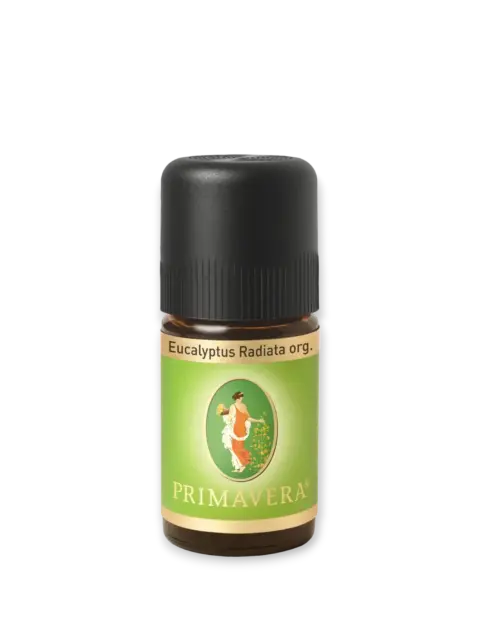
- Eucalyptus Radiate: is a milder version and suitable for children as it is less irritating and easy to tolerate. It can be used for mild to moderate coughs and nasal congestion, especially in younger children for whom stronger oils are not suitable.
A simple method of using eucalyptus oil is inhalation. You can soak a washcloth in warm water, add a few drops of the oil and inhale the steam during a warm shower. This method helps to unblock the nose and calm the airways.
Lavender oil (Lavandula angustifolia)
Lavender oil is particularly useful for coughs associated with anxiety and stress, as it has a calming effect on the nervous system. It is suitable for mild respiratory symptoms and can help improve sleep, which is often disturbed during colds. The oil is soft and safe for both adults and children, especially when combined with stressful conditions.
Rosemary oil (Rosmarinus officinalis)
Rosemary oil also contains eucalyptol, which makes it good for relieving coughs and clearing nasal congestion. You can dilute rosemary oil with a carrier oil and apply it topically to your chest, neck, or under your nose for relief ( Respiratory Research, 2020 ).
Tea tree oil (Melaleuca alternifolia)
Tea tree oil has powerful antiviral and antimicrobial properties and is a powerful immune system stimulator, making it particularly effective in aiding recovery from illness. Thanks to its sabinene content, tea tree oil helps prevent the spread of viruses, bacteria and fungi, while exhibiting an antioxidant effect and soothing inflammation.
Cypress oil (Cupressus sempervirens)
Cypress oil has a refreshing, coniferous aroma that helps open airways and relieve coughs. Cypress oil can be used for both inhalation and topical application. To use it, dilute two drops of the oil with a carrier oil and add to a bottle of warm water. Shake the mixture well, then soak a compress with it and apply it to the forehead or chest.
Peppermint oil (Mentha × piperita)
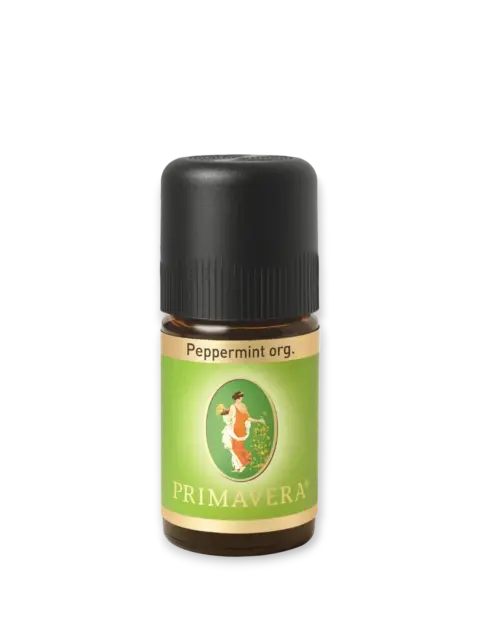
Peppermint oil is known for its cooling properties, which can help relieve symptoms of nasal congestion and cough. It contains menthol, which helps relax the muscles in the airways, improving breathing ( Respiratory Research, 2020 ).
Thyme oil (Thymus vulgaris) – chemotypes Linalool and Thymol
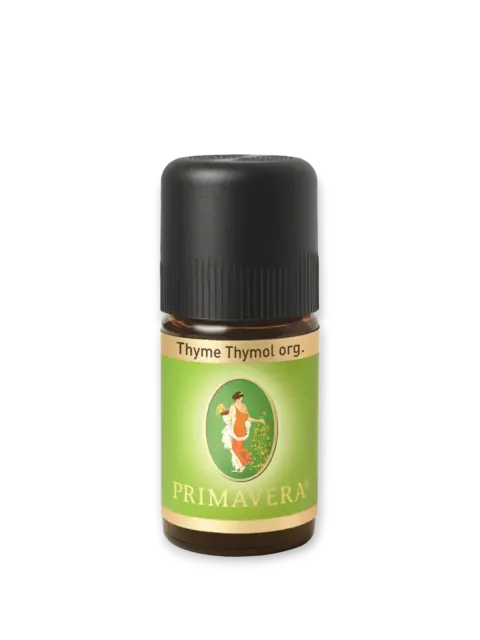
Thyme Thymol : is a strong chemotype and is intended for adults, especially for severe cases of persistent cough and bronchitis. Thymol has powerful antiseptic and mucolytic properties, making it extremely effective in breaking up accumulated mucus and relieving inflamed airways.
Thyme Linalool : Suitable for children and people with more sensitive skin and respiratory tracts, this is a gentler version of thyme oil, which helps relieve mild coughs and has antiseptic properties.
Lemon essential oil
The invigorating “liquid sunlight” has cleansing and purifying properties, making lemon oil the most powerful antimicrobial of all essential oils. Key constituents include a-pinene, camphene, sabinene, and limonene, which contribute to lemon oil’s antiseptic, anti-inflammatory, antioxidant, and antifungal properties, making this brilliant oil ideal for treating cold symptoms and boosting immunity.
Safe use of essential oils for coughs
Using essential oils can be extremely beneficial, but it is important to follow certain safety rules to avoid adverse reactions. Here are some of the main recommendations:
- Diluting the oils: Essential oils are highly concentrated and can cause skin irritation if not diluted properly. For topical application, always dilute the essential oil with a carrier oil such as almond or jojoba.
- Avoid contact with eyes and mucous membranes: Never apply essential oils directly near the eyes or other sensitive parts of the body.
- Perform a sensitivity test: Before using essential oil, apply a small amount on the inside of the elbow to see if there is any reaction.
- Consultation with a doctor: If you are pregnant, nursing, taking medication, or have a chronic illness, consult a medical professional before using essential oils.
- Suitable oils for children: Avoid strong oils like Eucalyptus globulus и Thyme thymol for children. Instead, use softer options like eucalyptus radiata и Thyme linalool.
Aromatherapy for prevention during cold and flu season
Essential oils not only help relieve cold and cough symptoms, but can also be an effective prevention tool.
Recipes with essential oils for coughs and colds

Daily ritual to boost immunity
- 6 drops lemon essential oil (Citrus limon)

Use: Diffuse in the air daily. Lemon oil stimulates the production of white blood cells and supports the body's defenses.
Anti-influenza mixture for diffusion
- 2 drops eucalyptus
- 2 drops lemon
- 2 drops Tea tree
Use: Add to a diffuser. Eucalyptus acts as an antiviral and decongestant, and tea tree acts as an antibacterial agent.
Blend to fight bronchitis
- 1 drop Tea tree (Melaleuca alternifolia)
- 1 drop eucalyptus (Eucalyptus globulus)
- 1 drop bergamot (Citrus bergamia)

Usage: Add the drops to a bowl of hot water and inhale with a towel over your head 2–3 times daily to help expectorate and fight infection.
Conclusion
Essential oils offer natural ways to deal with coughs and colds, providing relief and improving overall well-being during a cold. With the proper use of oils like frankincense, eucalyptus, lavender, and tea tree, you can aid in recovery.
The information is for educational purposes only and is not a substitute for medical advice. For safe use, see How to Use Essential Oils Safely and, if necessary, the phototoxicity of citrus oils.
More interesting articles from the blog
- Aromatherapy for cold weather
- Strengthen the immune system with essential oils
- Essential oils have been proven to effectively complement treatment
- How to choose an essential oil diffuser?
- How to use essential oils safely?
Categories
- Aromatherapy
- Essential oils
- Carrier oils
- Diffusion methods
- Natural cosmetics
- Recipes with essential oils
- News

Sources
- https://www.primaveralife.com/duftwelten/herbstliche-entspannung
- https://www.youngliving.com/blog/canada/8-best-essential-oils-coughs-colds/
- https://www.newdirectionsaromatics.com/blog/recipes/essential-oils-for-treating-cold-symptoms.html
- https://www.healthline.com/health/cold-flu/essential-oils-for-colds
- https://www.tisserand.com/blog/seasonal/aromatherapy-for-cold-and-flu-season/
- Valerie Ann Worwood, The Complete Book of Essential Oils and Aromatherapy, p. 55,56,57,58,59
Photos: Depositphotos, Primavera Life, makasa.org, all rights reserved