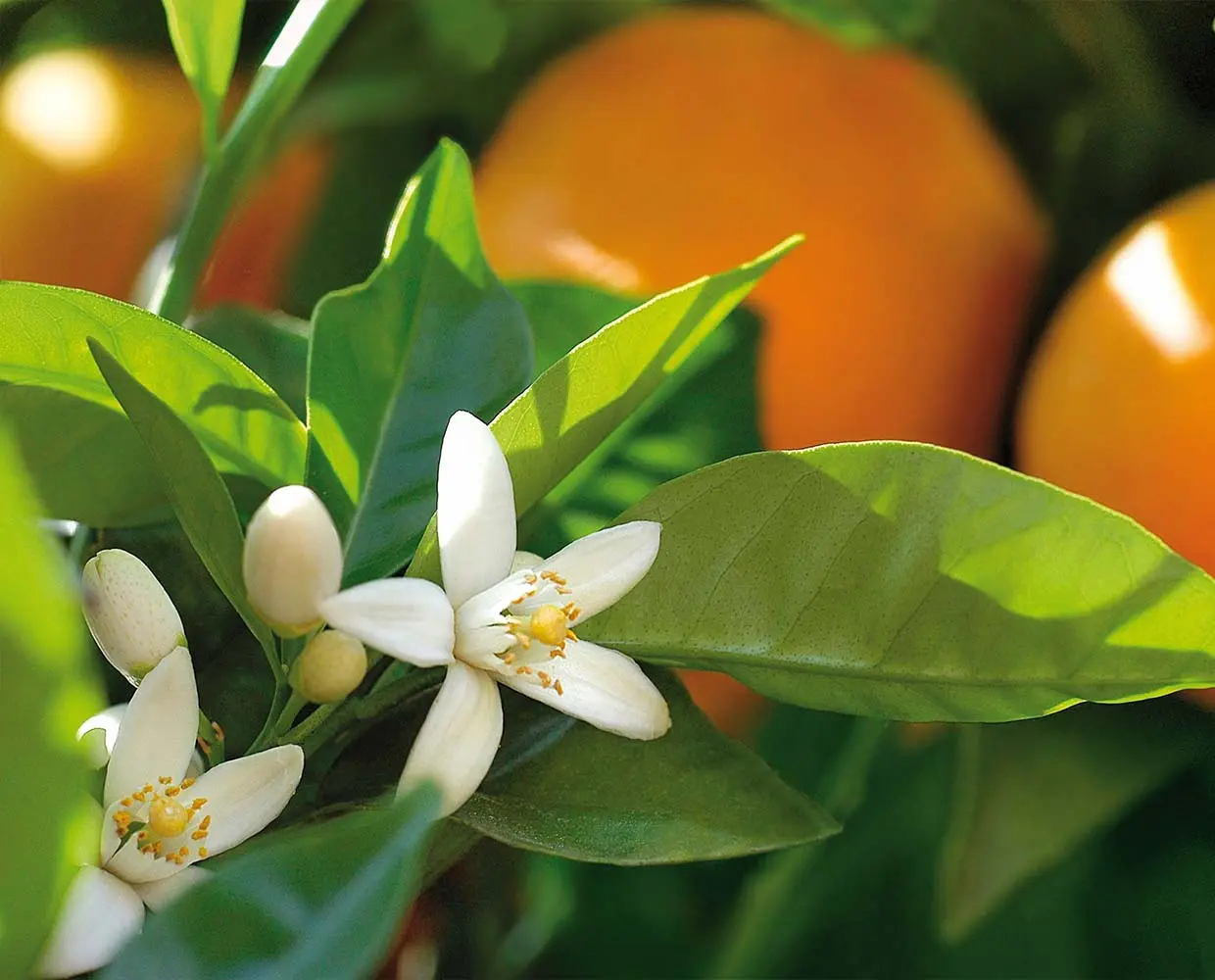
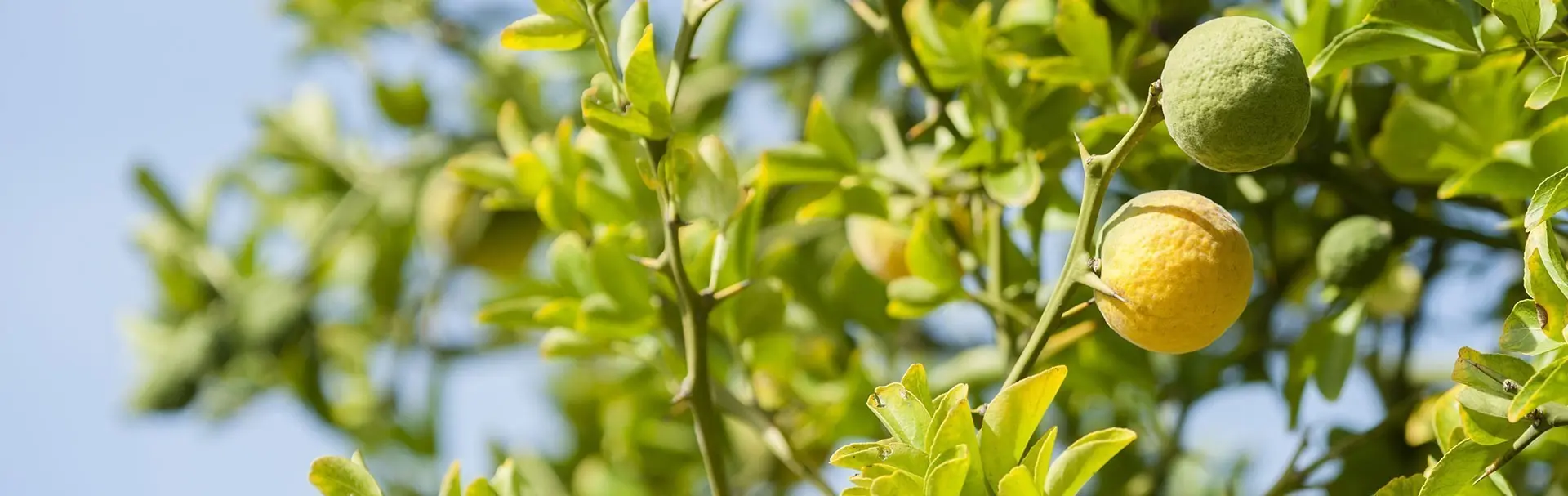
The most beloved part of the year is approaching – Christmas, and imperceptibly this time transports us to the freshness of the pine forest and the sweet aroma of tangerines and oranges. A time to tell about the properties of pine essential oil – a scent of joy, warmth and coziness in the family home!
Pine essential oil is popular in aromatherapy, cosmetics, soap making, and is especially widely used in cleaning products. In short, pine oil relieves cold symptoms, soothes inflammation and headaches, and relieves respiratory discomfort. It is believed to have purifying, stimulating, and invigorating properties. When diffused, it positively affects mood, clears the mind of worries, and energizes the body. It eliminates fatigue and increases concentration. These qualities make it one of the most useful oils for meditation.
In this article, we will talk about its other advantages, as well as the characteristics of the different types.
History and interesting facts
Did you know that pine is one of the most ancient medicinal plants? More than two thousand years ago, the Sumerians recorded many different recipes that mentioned pine resin, and they used dried pine needles for compresses.

In Ancient Egypt, the resin was part of the composition and secret rituals of embalming, which to this day – after thousands of years – have not lost their bactericidal properties! The ancient Greeks and Romans considered pine resin one of the best remedies for treating colds. Hippocrates recommended regular baths and massages with essential oils , and it is believed that this saved Athens from a plague epidemic.
The ability of a decoction of pine needles to treat scurvy was known for centuries to northern peoples, travelers, and sailors. According to Avicenna, even the smoke from burning pine wood was beneficial.
In some Native American tribes, the tree is called the "Guardian of the Sky" because of its height and its desire to always be higher and thus catch the sun's rays. This is a belief shared by many cultures, which also call it the "Lord of Light."
Pine wood is popular because of its wide use in various industries – food (pine honey, jam, etc.), construction and others. It is rich in resin, suitable for biofuel, as well as for making tar and turpentine – substances that are traditionally used in construction. Pine cones are used to dye woolen products in dark blue. The resulting white pine wood is popularly known as “pine” and is used extensively in woodworking.
Properties and benefits in aromatherapy
Scots pine essential oil has a fresh, woody, resinous aroma and is used as a middle note in perfumery. It combines well with essential oils of lemon, lime, lemongrass, cypress, sandalwood, mint, grapefruit, bergamot, indriche, cedar. It is suitable for oily and oily skin and hair. It has an invigorating and toning effect. It helps reduce mental fatigue.

The action of Scots pine oil is bactericidal, antiseptic, antiviral, expectorant, diuretic, activating mental activity, stimulating the function of the adrenal glands. It stimulates the immune system, cleanses the body of toxins, improves microcirculation, tones, deodorizes, purifies and limits the spread of infectious diseases through the air.
It relieves the general condition of inflammation of the upper respiratory tract, flu, pneumonia, bronchitis. It helps with arthritis, depression, dandruff, hair loss, increased sweating, neuralgia, premenstrual syndrome, general fatigue, unpleasant odors in the premises, as well as for aromatizing a sauna.
General beneficial properties and application
Topical application to the skin – applied to the skin of the face and body, diluted with an appropriate carrier oil, helps soothe skin conditions such as itching, inflammation and dryness, acne, eczema and psoriasis. Effectively prevents the development of infections in minor abrasions, cuts and bites.
Its antioxidant properties make it a perfect ingredient for natural homemade serums that delay the appearance of the first signs of aging (fine lines, wrinkles, sagging skin and pigmentation). It also stimulates circulation and has a warming effect.
When applied topically in massage, pine oil soothes muscles and joints affected by arthritis, rheumatism, or other conditions characterized by inflammation and pain. It stimulates blood circulation and helps facilitate the healing of minor scrapes and cuts. It is also believed to help relieve muscle fatigue.
For application to hair – with its antimicrobial properties, it cleans excess oil, dead cells and accumulated dirt. It helps relieve symptoms of inflammation, itching and infection and restores the natural shine of the hair. Pine essential oil is also one of the oils used for prevention against lice.
Used in an aromatherapy diffuser , pine essential oil is an excellent immune stimulant. It eliminates harmful bacteria in the air and on the skin. It eases breathing and soothes the first symptoms of colds, coughs, sinusitis, asthma and flu - it has excellent expectorant and decongestant properties.
Features and extraction methods
In aromatherapy, the most common essential oils are from Scots pine Pinus sylvestris and black pine Pinus nigra . Both species are tall coniferous trees, reaching a height of up to 50 m. They have reddish-brown, deeply fissured bark, long and hard needles that grow in pairs and have pointed brown cones at their tips. They are obtained from the heart of the tree or from the needles and branches, and in addition to essential oil, turpentine is also produced.
The oil contains approximately 90% monoterpenes – exceptional not only for its aromatic qualities, but also for its antibacterial, antineoplastic and pharmacological properties. Due to its high monoterpene content, it oxidizes easily, so it is best to store it in the refrigerator to extend its shelf life.
Scots pine needle essential oil (Pinus sylvestris) , better known simply as Scots pine, is one of the most beneficial and safe oils to use.
Useful recipes

TONING AND IMMUNOSTIMULATING DIFFUSER BLEND
- 2 drops pine essential oil,
- 1 drop eucalyptus essential oil,
- 1 drop sage essential oil,
- 1 drop rosemary essential oil

Use in an aroma diffuser – this blend tones and stimulates the immune system, soothes inflamed respiratory tracts, purifies the air, and limits the spread of airborne infections.
FRESH AIR IN THE LUNGS
- 5 drops lemon essential oil,
- 5 drops pine essential oil,
- 5 drops lavender essential oil,
- 5 drops peppermint essential oil
Use in an aroma diffuser for complete respiratory cleansing and freshness at home!
RENEWAL THERAPY FOR TIRED LEGS
- 4 drops eucalyptus essential oil,
- 4 drops pine essential oil,
- 4 drops peppermint essential oil,
- 3 drops geranium essential oil,
- 15 ml almond oil

Fill a bowl with warm water and add the oils. Soak your feet for at least 15 minutes.
Conclusion
The information in this article is for educational purposes only and is not intended to serve as a basis for prevention or treatment! The International Federation of Professional Aromatherapists (IFPA) does not recommend that essential oils be taken internally unless the application is under the supervision of a physician qualified in clinical aromatherapy! Like medications, essential oils should be treated with respect. It is important to seek professional advice and carefully follow the instructions listed on the packaging of the products you purchase.
When storing essential oils, it is important to be aware that light, heat, and oxygen can affect the integrity of the oil. Products should come from a reliable source, and should be certified by the appropriate authority in the specific country to ensure their quality. Carefully following the instructions reduces the risk of compromising your health.
* Information from www.lechitel.bg
Sources: https://www.aromaweb.com/essential-oils/scotch-pine-oil.asp
https://www.rockymountainoils.com/learn/pine-essential-oil-uses/
The Encyclopedia of Essential Oils - Yulia Lawless
Photos: PhotoMIX Company from Pexels, Photo by Dušan S. on Unsplash, Depositphotos, Primavera, makasa.org
More interesting articles from the blog
- Douglas Fir Essential Oil – Benefits and Uses
- Eucalyptus essential oil – benefits and types
- Camphor oil and anti-inflammatory properties
- Rosemary essential oil – benefits and uses
- Lemon essential oil – health benefits
Categories
 Discount: -20%
Original price was: €9.90.7.92 €The current price is: €7.92.Add to cart
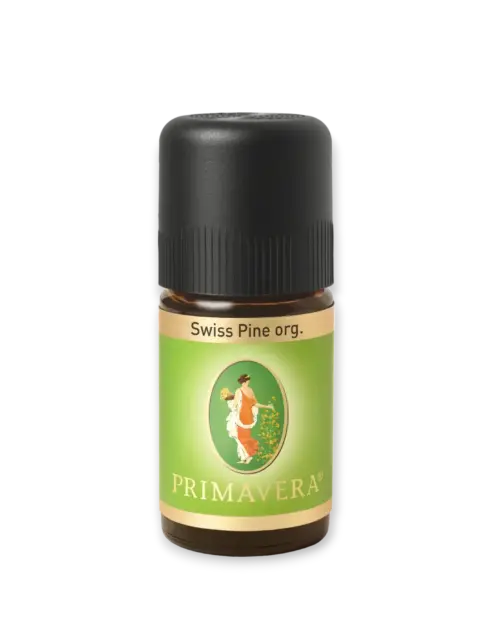 Discount: -20%
Original price was: €15.90.12.72 €The current price is: €12.72.Add to cart
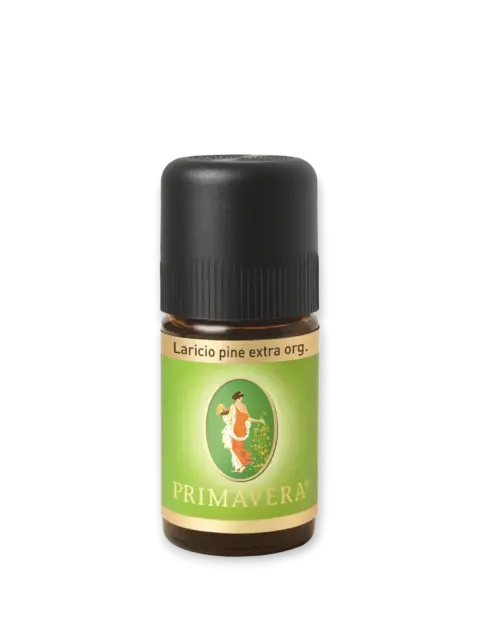 Discount: -20%
Original price was: €19.90.15.92 €The current price is: €15.92.Add to cart
 Discount: -20%
Original price was: €18.90.15.12 €The current price is: €15.12.Add to cart
 Discount: -20%
Original price was: €14.90.11.92 €The current price is: €11.92.Add to cart
 Discount: -20%
Original price was: €8.50.6.80 €The current price is: €6.80.Add to cart
 Discount: -20%
Original price was: €11.90.9.52 €The current price is: €9.52.Add to cart
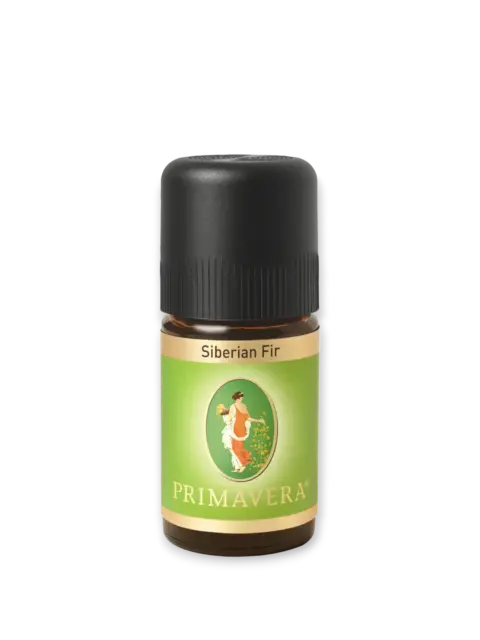 Discount: -20%
Original price was: €6.90.5.52 €The current price is: €5.52.Add to cart
 Discount: -20%
Original price was: €7.90.6.32 €The current price is: €6.32.Add to cart