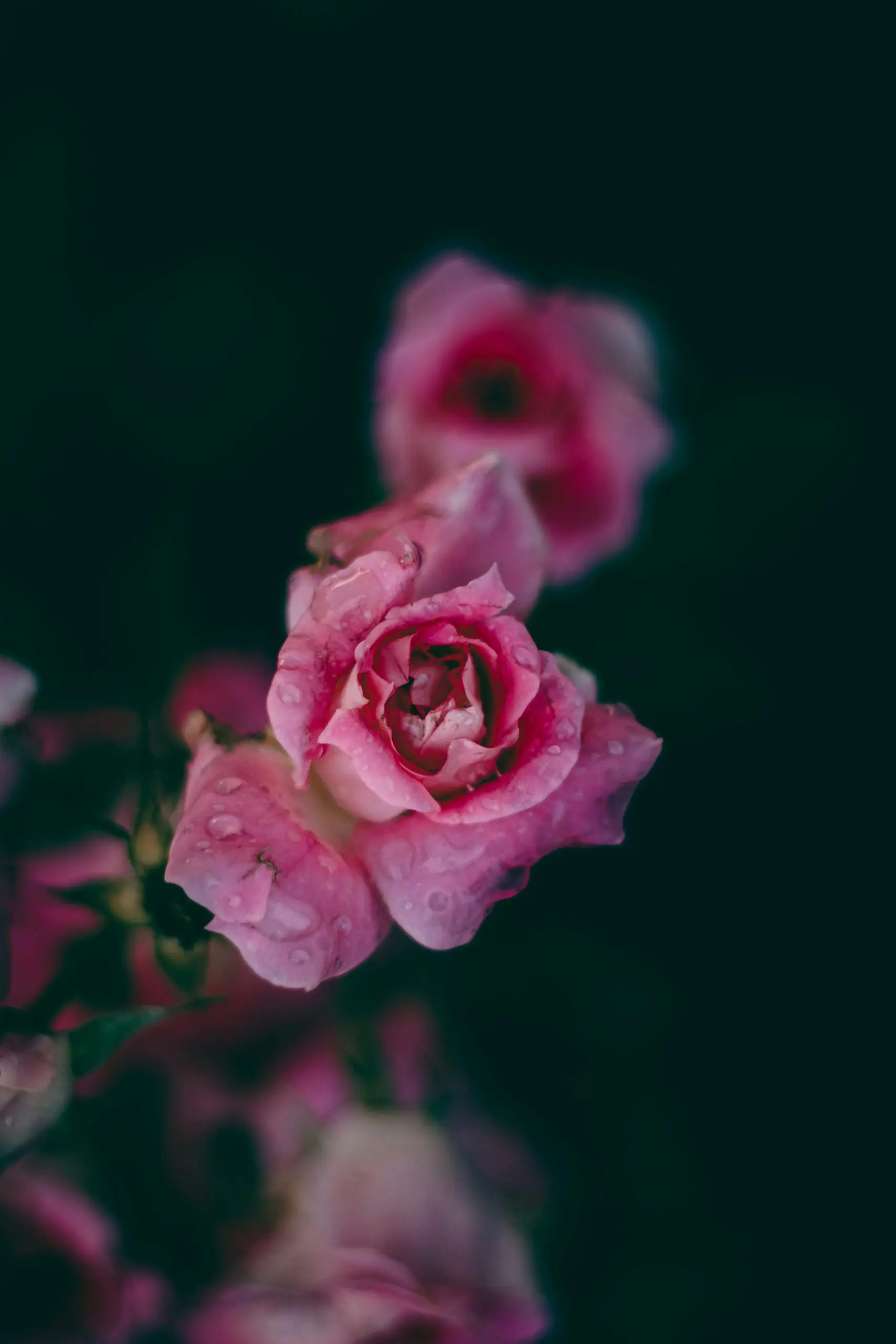
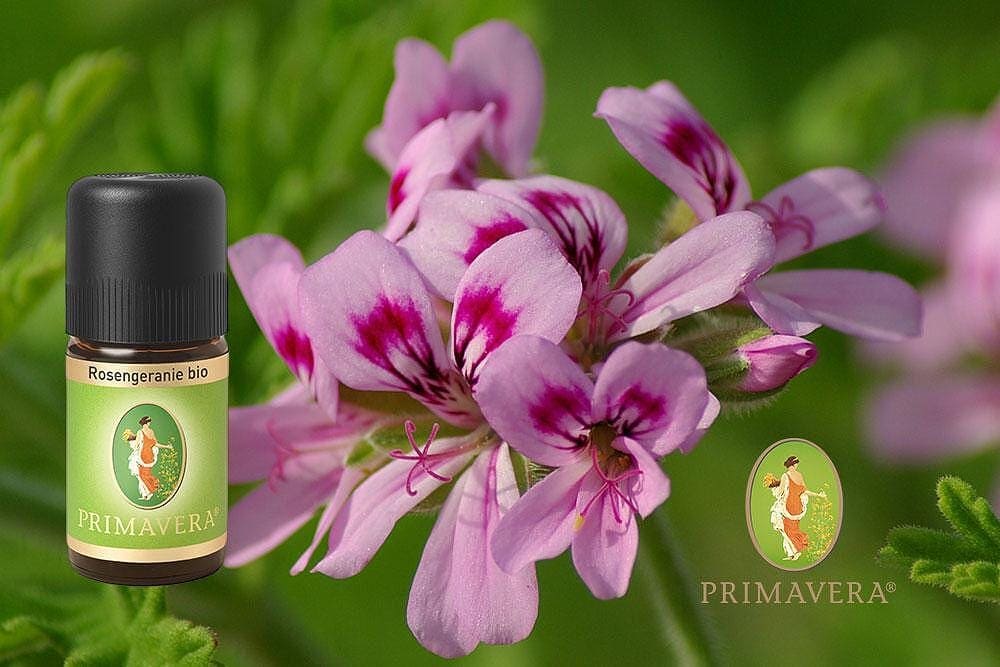
One of our many favorite essential oils in the MaKaSa store for its sweet, floral, rose-like aroma – geranium (in Bulgarian known as fragrant geranium or indrishe), is extremely popular in aromatherapy for its numerous benefits for our physical, mental and emotional health. Used since the ancient Egyptians in beauty rituals, this essential oil is also extremely suitable for skin prone to irritation and acne. Geranium essential oil has the ability to reduce stress levels, feelings of sadness, fatigue and tension. Geranium increases the overall feeling of well-being and calmness, and also relieves conditions such as insomnia and severe anxiety. Its sweet, uplifting, floral aroma makes it an ideal ingredient in the production of soaps and cosmetic products such as creams and perfumes. In addition, its aroma improves concentration, cognitive function, balances emotions and hormones.

HARVEST
Approximately 700 kg of plant material for 1 kg of essential oil

PART OF THE PLANT
The flowers, leaves and stem

METHOD OF EXTRACTION
Steam distillation
It combines wonderfully with essential oils of basil , bergamot , cedarwood , citronella , grapefruit , jasmine , lavender , lemon , orange and rosemary . The oil is also known to effectively eliminate dead cells and promote the regeneration of newer and healthier skin. Extremely beneficial, with astringent properties that help reduce the appearance of the first wrinkles. It is believed to increase collagen production, improve elasticity and maintain the softness and smoothness of the skin. The oil also soothes the symptoms of menstruation and menopause and reduces blood pressure. For decades, the oil has been used to promote hair growth by nourishing the scalp and balancing sebum production.
Along with clary sage oil , geranium is the other extremely useful “female oil” in aromatherapy.
A little botany or why there are so many different species
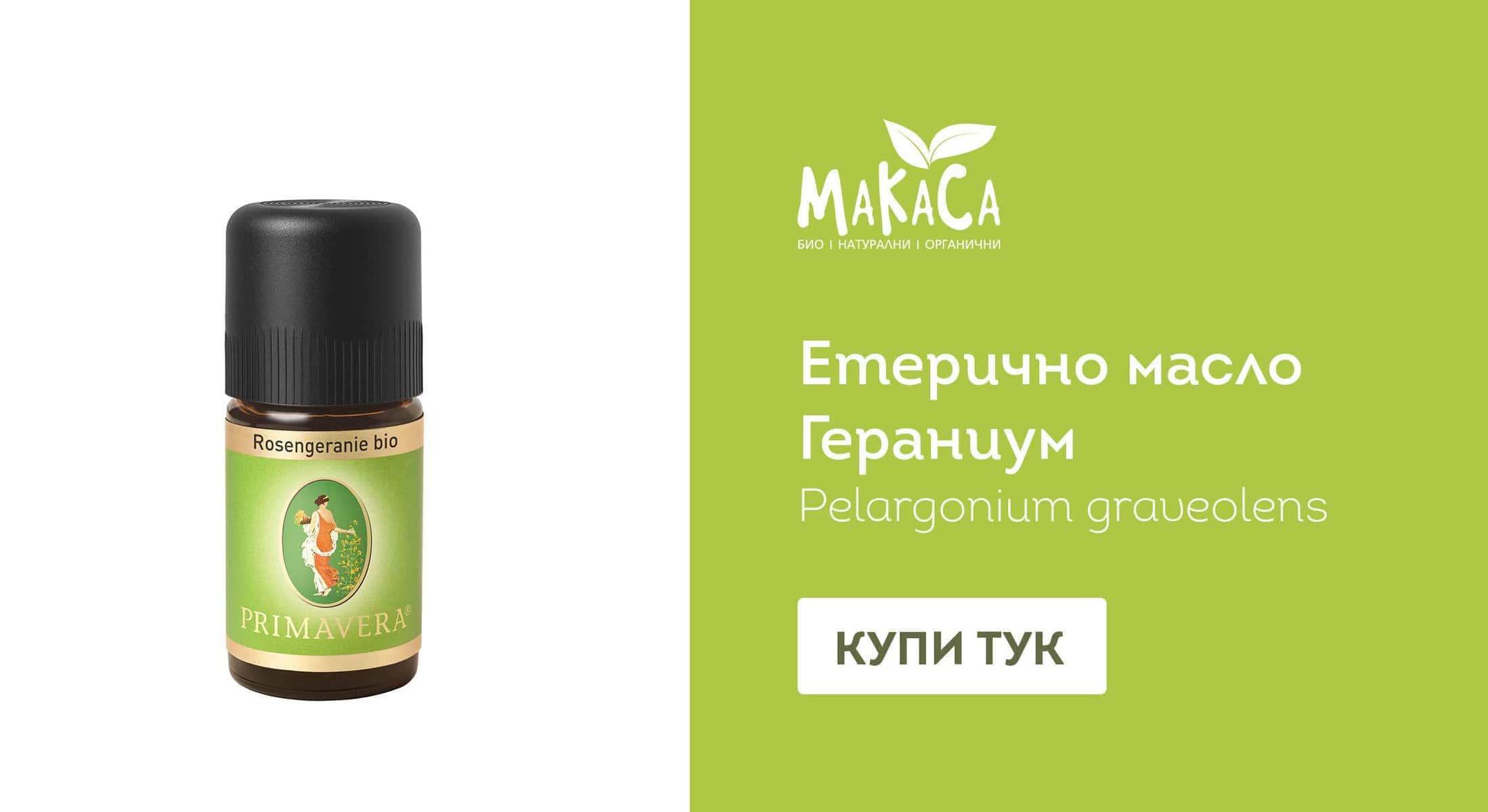
The Geraniaceae family contains about 800 species of plants (according to the database of the Royal Botanic Gardens, Kew, London). The most important genera in terms of number are those of Geranium , Pelargonium , and Erodium . The fragrant plants of the genus Pelargonium , which are discussed in this article, are classified by modern botany in the genus Geranium, often also known as "fragrant" or "fragrant" geranium.
The Pelargonium graveolens plant is a valuable raw material in perfumery because of its aroma, which slightly resembles that of Rosa damascena (Damascus rose). This similar quality has also led to numerous counterfeits intended to mislead people into thinking that geranium is rose oil. But any professional aromatherapist and essential oil distributor will tell you that the difference between the two oils is enormous – not only in terms of aroma and therapeutic properties, but also in terms of yield from the raw material itself.
Is there a difference between geranium oil ( Pelargonium graveolens ) and rose geranium oil ( Pelargonium graveolens var. roseum )? If we were to compare them, both oils come from the Pelargonium graveolens plant , but are derived from different cultivars. They are extremely similar in terms of active chemical components and benefits, but one oil has a more pronounced rose scent.
| Botanical name Pelargonium graveolens | Aroma profile Colorful, pink, warm |
| family Picaceae (geraniaceae) | fragrance Middle note |
| Origin South Africa, Reunion Island (near Madagascar) | application It relieves tension and fear, harmonizes the senses, has a hormone-regulating and antispasmodic effect |
Short story
Although this perennial shrub is mainly found in South Africa, the plant is cultivated all over the world - in Central America, Europe, Congo, Egypt, Russia and Japan. Depending on the country from which the specific varieties originate, the essential oils can also show different properties. The Latin name ( Pelargonium ) comes from the Greek word pelargos (πελαργός) - "stork", due to the similarity between the shape of the inflorescence and the head of a stork. It can reach a height of 1.20 m and is highly valued for its aroma, which, depending on the species, can resemble that of lemon, mint, rose or various spices.
Since the time of the ancient Egyptians, the oil has been used extensively, including for achieving a radiant complexion, balancing hormones, and relieving anxiety and fatigue. Traditionally, geranium essential oil has been used as an insect repellent, as well as in cooking.
Chemical composition and features
The main chemical components of geranium essential oil are citronellol, geraniol, citral, limonene, linalool, etc. Citronellol is a terpene alcohol with the familiar rose scent, which has the property of repelling insects, which is why it is often found as an ingredient in mosquito repellents. Geraniol is known for its antioxidant, antibacterial and antiseptic properties, and is also a good analgesic. These two ingredients are one of the main components of rose oil and palmarosa oil, which is why they actually have similar aromatic notes.
Application and effect
Used in aromatherapy, geranium essential oil is known to reduce feelings of stress, anxiety, sadness, fatigue and tension, thereby improving a general sense of well-being and relaxation, and offering relief to insomniacs.
Its sweet, invigorating floral scent makes it an ideal ingredient for making soaps and cosmetics, such as creams and perfumes. In addition, the scent of geranium oil is known to increase concentration, improve cognitive function, and balance emotions and hormones.
Its calming and tonic properties are known to regulate several body systems, including respiratory and circulatory function. This facilitates functions such as nutrient absorption and digestion and as a result improves overall health.
Used cosmetically or topically in general, geranium essential oil has a reputation for contributing to the health of skin cells. It is known to effectively remove dead cells and promote the regeneration of newer, healthier skin, thus benefiting acne-prone skin. Its firming properties help reduce the appearance of signs of aging, such as sagging and wrinkling of the skin.
For decades, geranium oil has also been used to stimulate hair growth by nourishing the scalp and balancing the production of sebum and natural oils.
Geranium essential oil recipes

Women's body oil
To relieve symptoms such as pain, soreness, and tightness, mix in ½ tsp. a cup of your favorite carrier oil :
- 15 drops geranium essential oil
- 5 drops lavender essential oil
- 4 drops mandarin essential oil

Stir the resulting mixture well, preferably in a dark glass jar, and leave it in the refrigerator overnight. Apply the resulting massage synergy with a pipette to the skin of the abdomen and lower back in a clockwise direction. This mixture can be used daily for a week until the start of the menstrual cycle.
- 2 drops Primavera Geranium Organic Essential Oil
- 1 tsp. wheat germ oil
- 1 yolk

Beat the egg yolk and wheat germ oil well with a mixer, add 5 drops of geranium essential oil to them. Apply the resulting mixture and massage well on a dry scalp. Leave it on for up to 60 minutes, then rinse well with water and wash with a mild, sulfate-free shampoo.
Anti-aging facial oil
- 20 ml (about 3 tablespoons) rosehip base oil
- 2 drops geranium essential oil
- 2 drops lavender essential oil
- 2 drops sandalwood
- 2 drops rose
- 2 drops frankincense essential oil
Since there are quite a few essential oils added, shake the bottle gently to mix everything well. Cleanse and tone your face before massaging 2 drops of the resulting oil onto your skin. Focus more on areas with fine lines, wrinkles and age spots, avoiding the eye area. Once the product is well absorbed, you can apply a moisturizer. Please follow all safety recommendations when using essential oils.
Detox bath
- 2 cups of sea salt
- 10 drops geranium essential oil
- 10 drops lavender
- 10 drops essential oil of cedar
Pour this salt mixture into your bath, but make sure the salt is completely dissolved before getting in. Enjoy this aromatic, relaxing bath for 15–30 minutes to stimulate better circulation in your body.
- 5 drops organic geranium oil
- 4 drops sandalwood
- 2 drops lemon balm 10%

Drop the essential oils directly into the aroma lamp, diffuser or aroma stone.
Conclusion
All essential and base oils described in this article can be found in the organic store MaKaSa in Burgas, 22 Aleko Bogoridi Blvd., as well as ordered online at www.makasa.org.
The information in this article is for educational purposes only and is not intended to serve as a basis for prevention or treatment!
Safety rules
Some beauty and household products such as lotions, makeup, and candles contain ingredients that may look like essential oils, but are actually synthetic fragrances. Like medications, essential oils should be treated with caution. It is important to seek professional advice and carefully follow the instructions listed on the packaging of the products you purchase.
Important for ingesting essential oils
We trust the International Federation of Aromatherapists, which does not recommend that essential oils be taken internally unless under the supervision of a physician qualified in clinical aromatherapy! Taken orally, oils can damage the liver, kidneys, and nervous system. They can interact with other medications and undergo unexpected changes while in the gut. Because essential oils cause chemical reactions in the body, they can cause adverse effects when combined with medications. They can reduce the effectiveness of conventional medications or exacerbate a person's health conditions. Those of you with high blood pressure, for example, should avoid using stimulant essential oils such as rosemary. Some combinations such as fennel, anise, and sage have similar actions to the hormone estrogen and should be avoided by people with breast or ovarian cancer, which is highly dependent on the production of this hormone. Concentrated products can be harmful to the body before dilution and must be handled very carefully.
How to do an allergic reaction test
Dilute the essential oil in a carrier oil at twice the concentration you plan to use. Rub a small amount of the mixture into the crook of your elbow. If you don't have an allergic reaction within 24 to 48 hours, the essential oil is safe to use. Some people have reported developing allergies to essential oils after using them many times before. If this happens to you and you develop a new allergic response, you should stop using it immediately and avoid its scent.
Those of you who have the following conditions should be especially careful when using essential oils at home: allergies and hay fever, asthma, skin conditions such as eczema or psoriasis. People who suffer from epilepsy, hypertension or high blood pressure should also be extremely cautious when using essential oils.
Storage rules
When storing essential oils, it is important to be aware that light, heat, and oxygen can affect the integrity of the oil. Products should come from a reliable source, be of proven quality, and be of pure origin. Storing essential oils in dark glass bottles and tightly closed caps extends their shelf life.
More interesting articles from the blog
- Myrrh Oil – The Mysteries of Antiquity
- Frankincense – the golden essential oil
- Immortelle – the herb of the Mediterranean
- Vetiver essential oil – the scent of the earth
- Essential oils – uses and benefits in aromatherapy
Categories
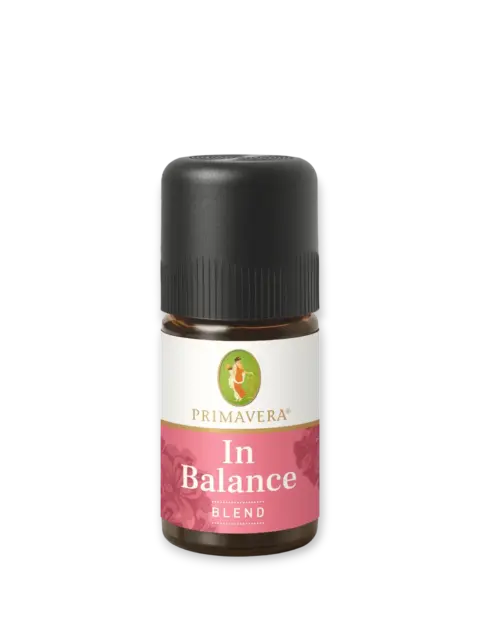
9.90 €Add to cart
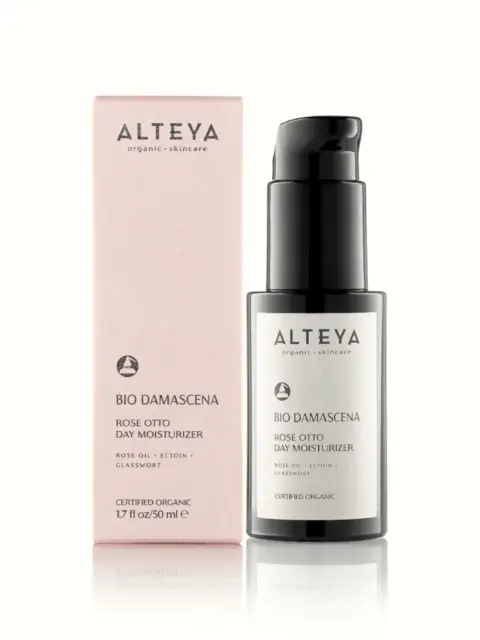
23.95 €Add to cart
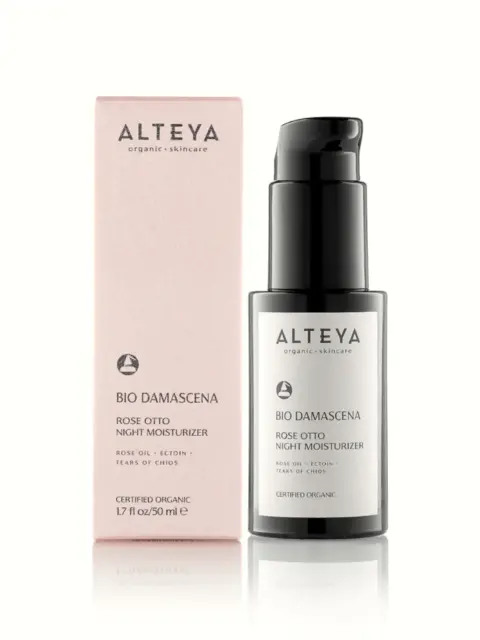
23.95 €Add to cart
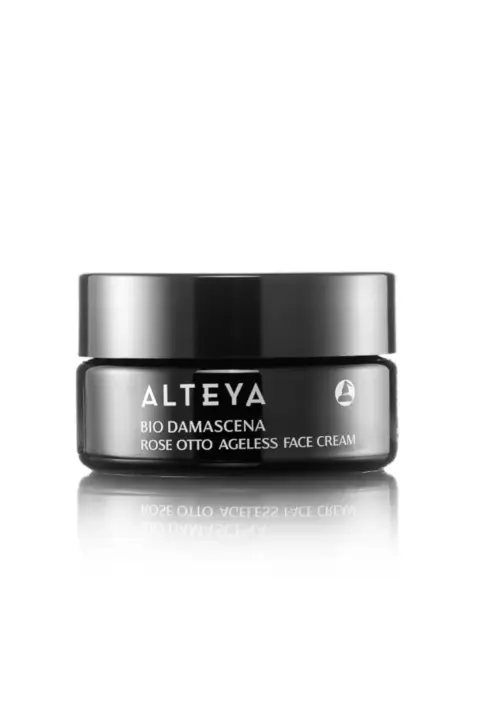
43.95 €Add to cart
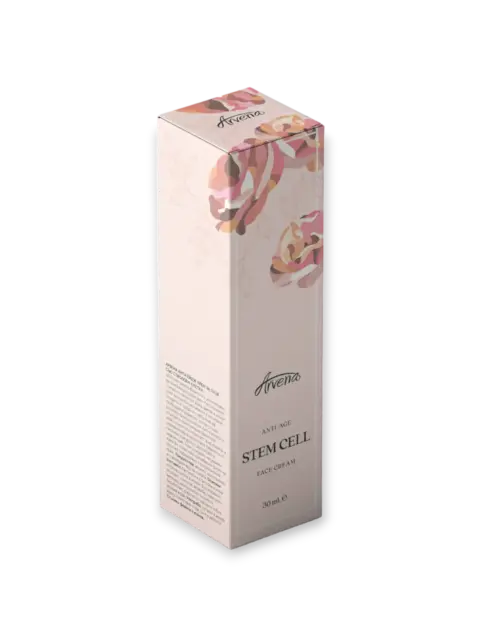
37.80 €Add to cart
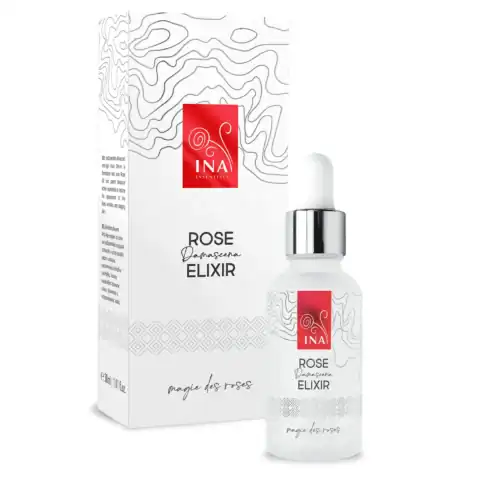
39.00 €Add to cart
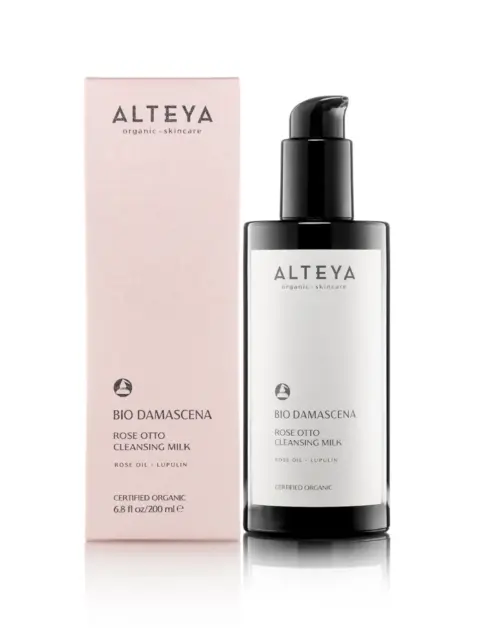
22.95 €Add to cart
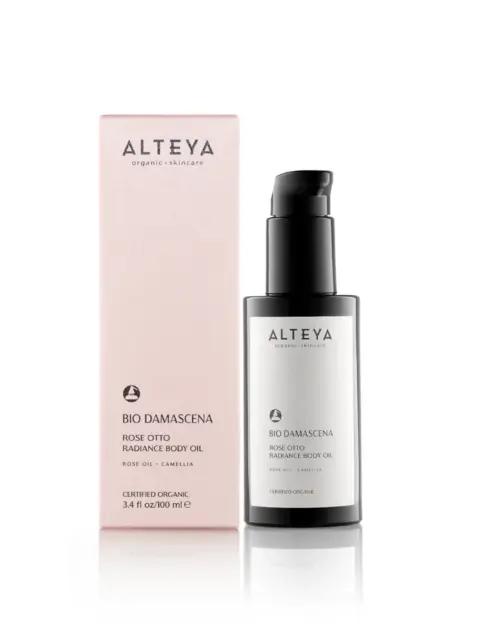
22.95 €Add to cart