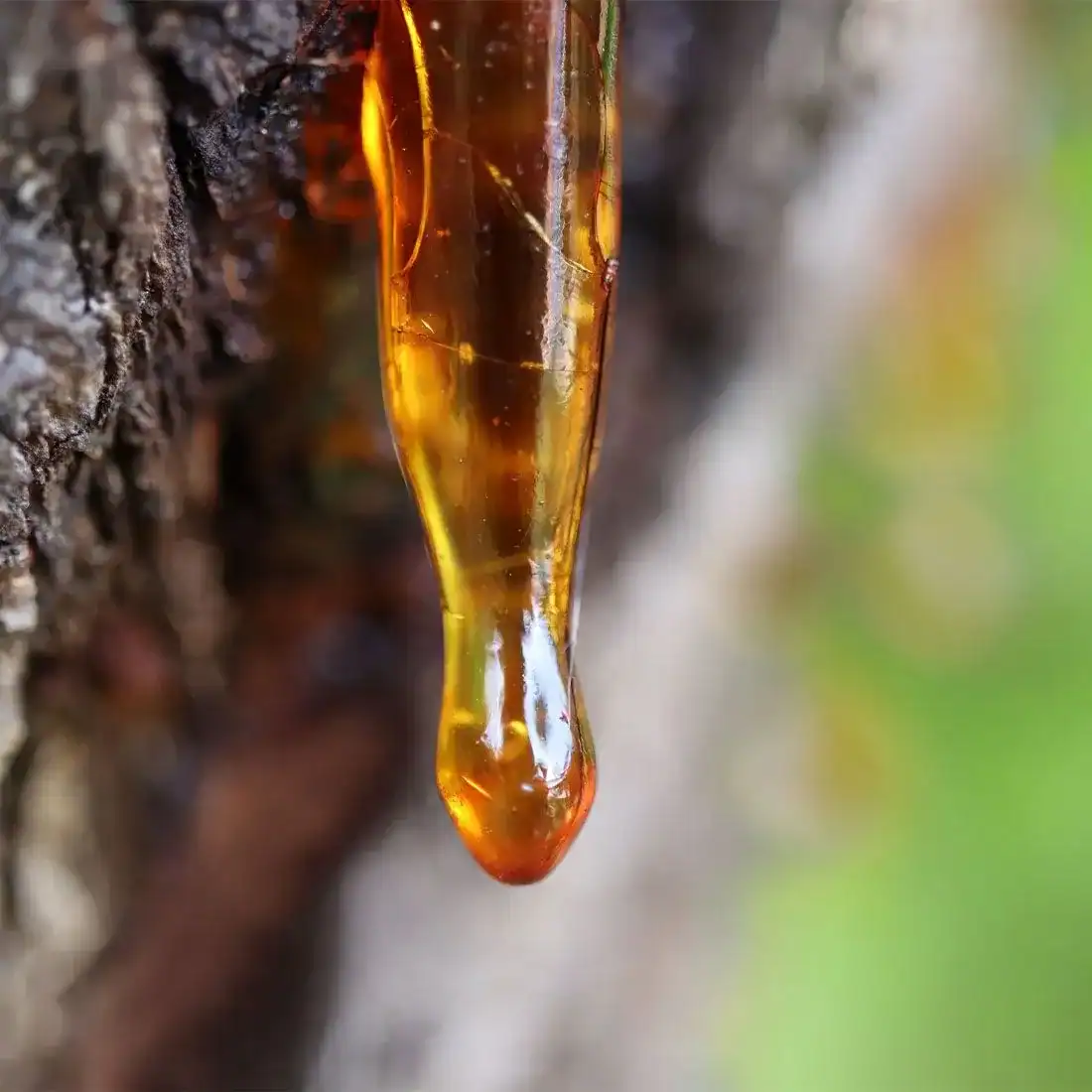
Camphor oil is one of the most popular analgesics and antiseptics – an oil with exceptional anti-inflammatory properties. It stimulates circulation, digestion, metabolism and secretions.
In short
- Camphor oil is used externally – it is known for its analgesic and antiseptic properties.
- It is often used when feeling inflamed and in inhalations for colds.
- Not to be taken internally; review contraindications before use.
With its antibacterial and antifungal properties, camphor oil helps and protects against a large number of viral infections.
Camphor has a long history of herbal use in the Orient with a wide range of applications. It is used mainly in the form of an essential oil and is contraindicated for internal use. The wood and leaves have analgesic and antispasmodic properties. It is also used for inhalations - for the relief of colds and general lung ailments.
In aromatherapy, the scent of camphor oil offers relief to a congested respiratory system by clearing the lungs and alleviating symptoms of bronchitis and pneumonia. It also increases blood circulation in the body, enhancing immunity, recovery, and relaxation.
Used topically, camphor's cooling effect soothes inflammation, redness, wounds, insect bites, itching, rashes, acne, pain from sprains, and muscle aches. In this article, we will take a detailed look at the incredible properties of this magical oil for our body.
Contents
Short story

Camphor essential oil is extracted from the camphor tree Cinnamomum camphora . It originates from the forests of Japan and Taiwan, also known as the Japanese camphor tree Ho.
For centuries, camphor oil has been used by the Chinese and Indians for both religious and medicinal purposes, as its vapors were believed to have healing effects on the mind and body.
In ancient China, camphor wood was used for its strength in building ships and temples. In Ayurvedic practice, it is found to address symptoms of cough, cold, vomiting, and diarrhea.
It was effective for a wide range of problems, from skin diseases and eczema to flatulence (gastritis) and stress-related problems (low libido). In the 14th century, camphor was used in Europe and Persia as a disinfectant in fumigation during the plague, as well as in embalming procedures.
Types, production method and features
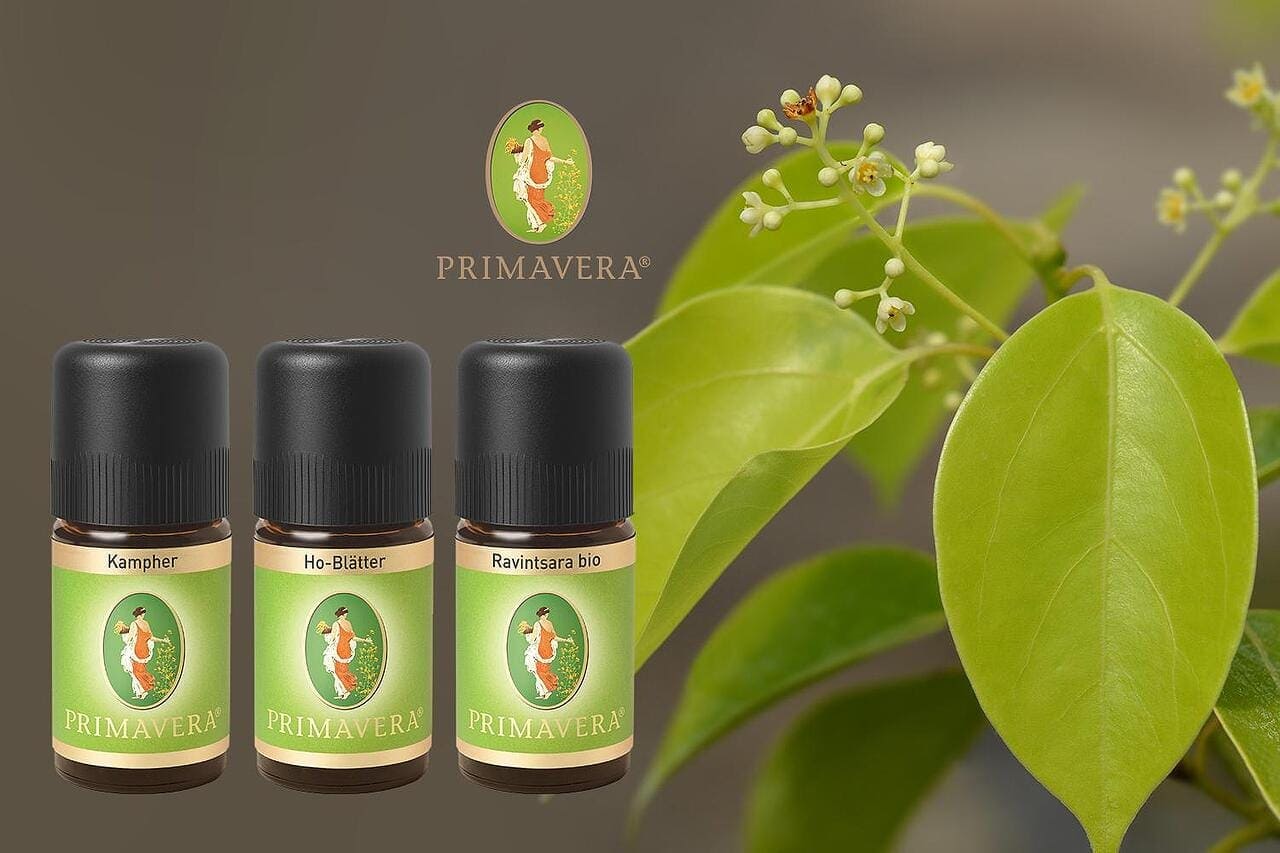
The camphor tree belongs to the laurel family ( Lauraceae ). The easiest way to distinguish camphor tree species from the Laurel family is as follows:
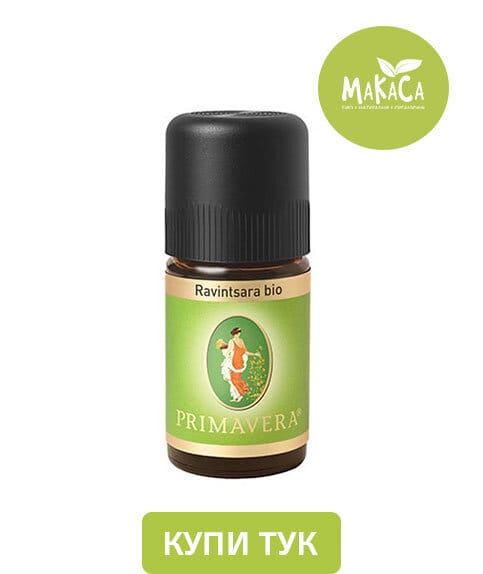
- Camphor Cinnamom camphora
- Tree Ho Cinnamom camphora
- Ravintsara Cinnamom camphora
- Ravensara Ravensara aromatica
- Canela Cinnamomum zeylanicum
- Rosewood / Rosewood Aniba rosaeodora
According to its origin, it forms different chemotypes: the linalool chemotype – also called camphor leaves from the Ho tree – is also used as a substitute for rosewood oil ( Aniba rosaeodora ) or the so-called palisander.
Camphor leaves are used in natural cosmetics as body and bath ointments, as well as for improving indoor air quality.
The essential oil is produced by steam distillation from the branches, roots, and chopped wood of the camphor tree, then rectified (a method for separating a mixture of liquids based on different volatility – different boiling points) by vacuum extraction.
It is then pressed and passed through a filter, during this process the four different fractions of camphor oil are obtained - white, yellow, brown and blue.
The only oil that can be used for aromatic and therapeutic purposes is white camphor oil. This is because brown and yellow camphor contain very high levels of safrole, which is highly toxic. Blue camphor is also classified as toxic.
The aroma of camphor oil is considered pure, intense, and penetrating, making it ideal for repelling insects (such as mosquitoes), and it is also part of the well-known naphthalene, which protects fabrics from moths and other pests.
The beneficial ingredients in camphor oil
The main chemical constituents of camphor essential oil are: alpha-pinene , camphene , limonene , 1,8-cineole , and para-cymene . They are popular for the following actions:
- alpha-pinene: Anti-inflammatory, antiseptic, expectorant, bronchodilator;
- camphene: Antioxidant, soothing, anti-inflammatory;
- limonene in turn, it has the most active and comprehensive effect: Anti-inflammatory, antioxidant, stimulant for the nervous system, balances mood, suppresses appetite, detoxifies, has a good effect on the digestive system;
- 1,8-cineole: Analgesic, antibacterial, antifungal, anti-inflammatory, antispasmodic, antiviral, accelerates blood circulation, reduces headaches, expectorant, cough suppressant.
Application of camphor essential oil
In aromatherapy, camphor essential oil has a long-lasting aromatic effect similar to menthol, and can be described as an oil with a cool, clean, refreshing, sharp and penetrating aroma that encourages fuller and deeper breathing. For this reason, it is often used in inhalations for its ability to relieve congested respiratory systems by clearing the lungs and alleviating the symptoms of bronchitis and pneumonia.
It boosts immunity, recovery, and relaxation, especially for those suffering from anxiety. Camphor oil is also known to help with some symptoms of epilepsy.
It combines very well with oils such as sweet basil, kayaput, chamomile, eucalyptus, lavender, lemon balm and rosemary.
In cosmetics or applied diluted in a carrier oil to the skin, the cooling effect of camphor oil can relieve inflammation, redness, itching, rashes, insect bites, acne, as well as muscle pain, arthritis, and rheumatism.
With its antibacterial and antifungal properties, it protects against viruses that cause herpes, cough, flu, measles, and gastrointestinal disorders.
When applied to minor burns, rashes, and scars, camphor oil fades them, and in some cases removes them completely, while cooling the skin.
The oil also has a pore-tightening effect, and its antibacterial action not only promotes the elimination of acne-causing microbes, but also protects against other harmful microbes that can potentially lead to serious infections that enter the body through abrasions and cuts.
Hair care – camphor essential oil reduces hair loss, stimulates growth, cleanses and disinfects the scalp, removes lice and prevents re-infestation.
To relieve various ailments, camphor oil stimulates and enhances circulation, as well as the functions of all other systems in the body (including the digestive, excretory, endocrine and metabolic systems). In this way, its detoxifying properties are manifested, which helps with conditions associated with overactivity or decreased activity of some of the mentioned systems in the body.
Camphor also eliminates gas in the body by promoting healthy release.
Its cooling effect and antiseptic properties temporarily reduce the sensitivity of nerve endings on the skin and desensitize areas of the body affected by pain, leading to numbness and pain relief.
The refreshing and soothing aroma of this oil also stimulates blood circulation and thus offers relief from conditions such as arthritis, rheumatism, and gout.
Increased circulation in the reproductive organs and related parts of the body leads to increased libido and stimulates sensual desires.
Use of camphor oil
Used for aromatherapy purposes, camphor oil can be added to your favorite diffuser. To relieve a runny nose and sore throat, and reduce the discomfort of coughs and colds, simply add 2–3 drops to your aroma diffuser. For a stronger effect on respiratory problems, you can create your own synergistic blend.
In a dark glass bottle add:
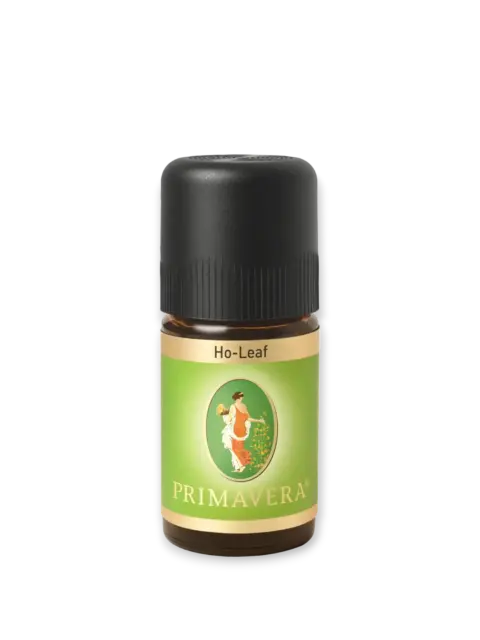
- 10 drops camphor/ho wood essential oil
- 6 drops ravintsara essential oil
- 4 drops eucalyptus essential oil
- 3 drops chamomile essential oil
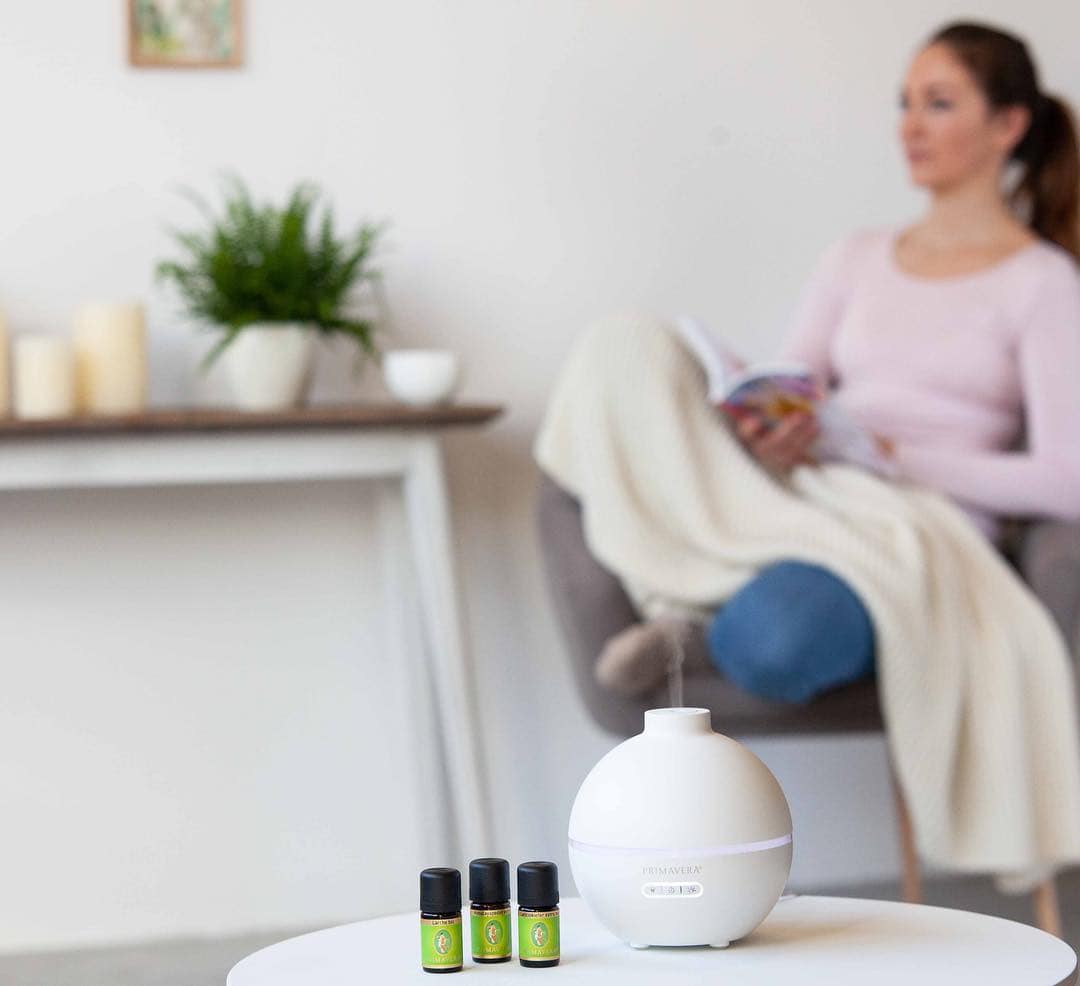
Diffuse 7 drops of this mixture for 30 minutes every few hours and breathe deeply to help clear mucus from the airways. If used several times a week, the blend noticeably eases breathing.
Aromatic bath – 2–3 drops can be added to a base oil and then the mixture poured into the water ( remember safety! Never put essential oils directly into the bath, they do not dissolve in water! Read more about safety in our article How to use essential oils safely? ). A 10-minute stay is enough to energize the body thanks to its invigorating aroma.
Another combination that you can use in the bath is a mixture of 10 drops of camphor oil, 10 drops of sandalwood, and 5 drops of sweet basil – mix them with a carrier oil and then add a maximum of 2–3 drops of the finished blend to the water. Use this combination in a diffuser as well, but without adding a carrier oil.
Kill airborne bacteria – To stop the rapid growth of bacteria in enclosed spaces, mix 15 drops of camphor essential oil and 15 drops of pine essential oil in a dark glass bottle. In a well-ventilated room, diffuse 5–10 drops of this blend for 20 minutes to purify the air and reduce the potential for creating an environment where viral infections thrive.
Overcome stress and fatigue or boost your immunity while recovering from the flu or cold: Mix and diffuse 8 drops of camphor essential oil, 6 drops of lime essential oil, 5 drops of sweet basil essential oil, and 4 drops of frankincense essential oil.
Migraine Relief – Combine and diffuse 10 drops of camphor essential oil, 6 drops of neroli essential oil, and 4 drops of cayenne essential oil. To turn this blend into a massage mixture to relieve migraines by massaging the temples, back of the head, or wrists, simply add 30 ml of your choice of carrier oil.
Serum to soothe irritated and oily skin – Camphor oil works beneficially for oily and acne-prone skin by preventing the accumulation of excess sebum, dirt, and bacteria. To make a homemade night serum to soothe irritated and inflamed skin, first choose a base oil suitable for your skin type.
Pour 10 ml of this carrier oil into a suitably sized dark glass dropper bottle . Then add 5 drops of camphor essential oil, 4 drops of lemon essential oil and 3 drops of lavender essential oil. Close the bottle and shake well. Before going to bed, cleanse your face and massage 1–2 drops of this mixture into your skin. In the morning, follow your routine for fresh skin.
Warming Massage Blend – Helps improve circulation. Combine 8 drops of camphor essential oil, 4 drops of cumin oil, 8 drops of grapefruit and 30 ml of tamanu carrier oil. This blend has a warming effect and helps improve blood flow to cold extremities (hands and feet).
For a massage blend that relieves tense muscles, dilute 5 drops of camphor oil in 15 ml of one of the following carrier oils: grapeseed, hazelnut or olive. Massage a small amount of this blend into the affected areas to soothe and relieve muscle pain.
Soothing Therapeutic Ointment – Camphor oil is known to strengthen the immune system and protect the body from bacteria. To create a combination that you can rub on your chest to relieve cold and flu symptoms, first warm 30 ml of olive oil in a suitable container, then add a little beeswax . Stir until the wax melts. Wait for it to cool slightly, add 3–5 drops of camphor essential oil and mix well.
Store in a glass or aluminum jar, place in the refrigerator to cool. Once it hardens, remove and store at room temperature. Apply to the chest area as needed. Alternatively, massage onto the back or soles of the feet. This ointment has a shelf life of up to 1 year.
Massage Blend for Muscle Pain – To relieve pain caused by inflammation, combine 5 tablespoons of sweet almond oil, 8 drops of camphor oil, and 7 drops of birch oil in a 45–50 ml dark glass bottle. Shake to mix and apply the desired amount to the affected areas. This procedure can be repeated multiple times throughout the day for up to one week.
Safety and contraindications for use
The use of essential oils by pregnant and breastfeeding women is not recommended, except under medical supervision and recommendation, as they can cause the secretion of various hormones. There is a lack of sufficient research on the effect that may be caused in the fetus or in infants.
Essential oils should be kept out of the reach of children. People with specific medical conditions (cancer, heart and skin diseases, hormonal disorders and epilepsy) are strongly advised to consult a medical professional before using essential oils. Consultation with a medical professional is mandatory for people taking medications, having undergone surgery, a heart attack or suffering from atherosclerosis.
Camphor oil should not be applied to open wounds and areas with broken skin , as this can facilitate its penetration into the body in high concentrations, which can be toxic.
Frequently Asked Questions
What is camphor oil used for?
As an analgesic and antiseptic in aromatherapy: circulation, muscle comfort, respiratory blends. Follow dosage and always dilute.
Is camphor essential oil safe?
Camphor has contraindications; do not use on young children, in large doses, or undiluted. See the safety section in the article.
Camphor or ravintsara?
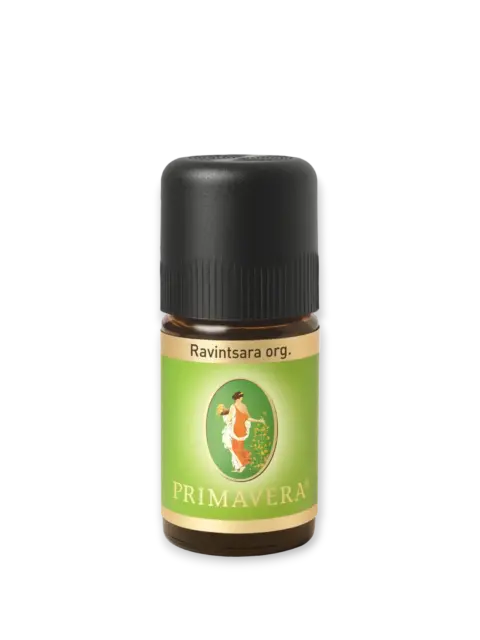
Ravintsara is often chosen as a milder alternative in diffusers and diluted blends. You can buy it in the store: Ravintsara Primavera essential oil.
More interesting articles from the blog
- Peppermint oil – the eternal herb of freshness
- Eucalyptus essential oil – benefits and types
- Rosemary essential oil – benefits and uses
- Black pepper essential oil – benefits and uses
- Ravintsara essential oil – benefits and uses
Categories
10.90 €Add to cart
7.90 €Add to cart
9.90 €Add to cart
Price range: €4.55 through €19.50Options This product has multiple variants. The options may be chosen on the product page
 Discount: -20%
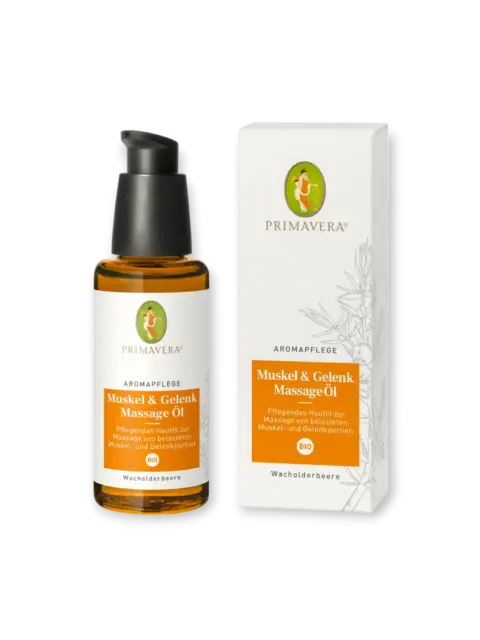
Original price was: €17.90.14.32 €The current price is: €14.32.Add to cart

15.30 €Add to cart

12.75 €Add to cart