Contents
In the world of aromatherapy, there are several essential oils that are leaders in popularity and versatility. Along with lavender and peppermint oil, it is one of the most versatile due to its many uses.
In short
- Peppermint is among the most versatile essential oils – freshness, breathability, invigoration.
- It is often used for a feeling of blocked airways and for mental clarity.
- Peppermint is strong: dilute well and keep away from eyes and mucous membranes.
Known for its antiseptic and analgesic properties, peppermint oil is widely used to relieve upper respiratory tract infections, aid in better digestion, and calm and balance emotions. The aroma of peppermint is familiar – refreshing and sharp, widely used in the cosmetic, culinary and pharmaceutical industries.

HARVEST
From May to September

PART OF THE PLANT
The whole herb

METHOD OF EXTRACTION
Steam distillation
It's time for a sip of mint tea and let's move on...
History and interesting facts
The use of this sacred herb and its benefits have been described in Chinese and Japanese folk medicine. Dried mint leaves have even been found in the tombs of the pyramids of Ancient Egypt.
It has been proven that mint has been used for culinary purposes and in herbal medicine since 1500 BC.
It is also mentioned in Greek mythology in the story of the nymph Minta, who was seduced by Hades, but the jealousy of Persephone, his wife, transformed her into a plant. Her vicious revenge is to have people constantly trample on her.
Enraged by his wife's act, Hades endowed Minta with a majestic, strong, and captivating scent so that whenever a man got away with her, she would leave a lasting trail of long-lasting, sweet herbal scent.
According to ancient physicians, mint strengthened the mind, and baths with mint helped increase concentration. The Romans scented banquet halls and celebrations with it because they believed that mint enhanced brain function.
Until the 17th century, it was used as an aromatic spice, both in the everyday dishes of the poor and in the exquisite dishes of the rich. Later, in the 18th century, it sank into oblivion.
| Botanical name Mentha piperita | Aroma profile Fresh, cool, clean |
| family Lamiaceae (labialaceae) | fragrance Top note |
| Origin The Mediterranean | application Relieves headaches, aids concentration, invigorates against fatigue, aids digestion |
Benefits of using Peppermint oil
The medicinal benefits of peppermint essential oil include its potential to eliminate harmful bacteria, relieve muscle spasms and flatulence, disinfect and soothe inflamed skin, and relieve muscle tension. When diluted with a carrier oil and rubbed into the feet, it can act as an effective fever reducer.
Headache and migraine relief
Applying diluted peppermint oil to the forehead and temples can relieve tension and pain associated with headaches and migraines. The menthol in the oil has a cooling effect and can improve blood circulation, which helps relieve symptoms.
Improving respiratory function
Peppermint oil aromatherapy can help with stuffy noses, coughs, and other respiratory problems. Menthol acts as a natural decongestant, helping to open up airways and relieve cold and flu symptoms.
Relieving muscle and joint pain
Peppermint oil has analgesic and anti-inflammatory properties that make it useful in relieving muscle pain, spasms, and inflammation. Applying diluted oil to the affected areas can bring relief and a cooling sensation.
Improving concentration and energy
The scent of peppermint oil can stimulate the mind, improve concentration, and increase energy levels, making it a useful tool for combating fatigue and increasing mental alertness.
Relieving itching and skin irritations
The menthol in peppermint oil has a cooling and soothing effect on the skin, making it effective in relieving itching, rashes, and other skin irritations. Diluted oil can be applied to the affected areas for relief.
Supporting hair growth
Studies show that peppermint oil can stimulate hair growth when applied to the scalp. Menthol improves blood circulation to the scalp, which can promote hair growth and improve scalp health.
Freshening breath and maintaining oral health
Peppermint oil has antimicrobial properties that help kill bacteria in the mouth that cause bad breath. Adding a drop of the oil to toothpaste or using it in a homemade mouthwash can improve oral hygiene.
Insect repellent
The scent of peppermint oil acts as a natural repellent against insects such as mosquitoes, ants, and flies. Mixing peppermint oil with water and spraying it around your home can help repel unwanted insects.
Increases energy and improves exercise performance
When inhaled, peppermint oil improves memory, alertness, and physical performance. You can use a personal inhaler infused with peppermint oil.
Properties and benefits in aromatherapy
When diffused, peppermint essential oil helps clear airways and relieve sinus tension.
Ways of using
Aromatherapy : Add a few drops of peppermint oil to a diffuser to freshen the air and improve concentration.
Topical application : Dilute the oil with a carrier oil (such as coconut or jojoba) and apply to the skin to relieve pain or itching.
Oral use : Use enteric-coated capsules to relieve digestive problems.
Home remedies : Add a drop of peppermint oil to your toothpaste or shampoo for freshness and added benefits.
| Mental Application: Revitalizing fatigue and jet lag, for more focus | Psychological action: Stimulating, refreshing, invigorating |
| Physical Application: Headache, migraine, muscle aches, nausea, cold | Physical action: Painkiller, cooling, antispasmodic |
Extraction method
Peppermint oil is obtained by steam extraction of fresh or partially dried leaves.
Store peppermint oil in a cool, dark place, away from sunlight and tightly closed.
Types of Mint and Composition
There are about 9 species of mint found in Bulgaria, including Mentha piperita and Mentha spicata (spearmint).
There is also wild mint, such as Mentha arvensis , which contains less menthol.
Quality oils contain 50–60% menthol and about 10–15% menthone.
Recipes with peppermint essential oil

ROLL-ON FOR CLEAR THOUGHTS
- 10 ml almond oil,
- 2 drops of mint,
- 1 drop of lemon

Mix all ingredients in a roll-on and apply to temples, neck, and wrists.
ROLL-ON FOR MOSQUITO BITES
- 10 ml almond oil,
- 4 drops of mint,
- 3 lavender drops
Apply to itchy bites.
BODY OIL FOR A NEW BEGINNING
- 50 ml almond oil,
- 3 drops of mint,
- 6 drops of lemon,
- 2 drops of rosemary

Add essential oils to carrier oil and shake well. Massage onto damp skin.
REFRESHING BODY SPRAY
- 50 ml of mint water,
- 10 drops of peppermint
Shake well before use and spray on body and face on hot days.
AROMA BLEND FOR CONCENTRATION
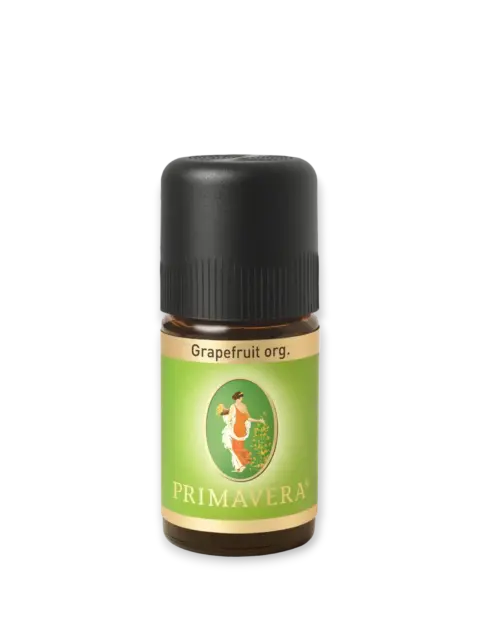
- 5 drops grapefruit,
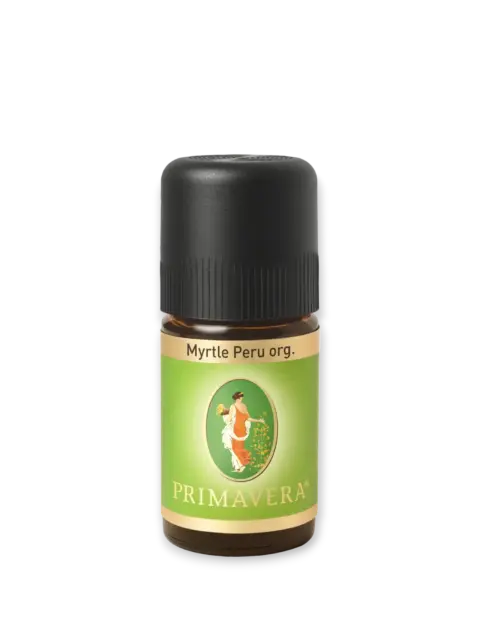
- 4 drops of myrtle Peru,
- 2 drops of peppermint
Add the oils to an aroma lamp, diffuser, or aroma stone.
Possible side effects and precautions
Despite its many benefits, peppermint oil may cause side effects in some people:
- Digestive problems: Nausea, heartburn or stomach discomfort when taking large doses.
- Skin reactions: Itching, rash, or irritation when applying undiluted oil to the skin.
- Allergic reactions: Rare but possible, especially in people with menthol sensitivity.
- Drug interaction: Peppermint oil may interact with certain medications, including those to reduce stomach acid.
Important : Pregnant women, nursing mothers, and children should consult a doctor before using peppermint oil.
Frequently Asked Questions
What does peppermint essential oil help with?
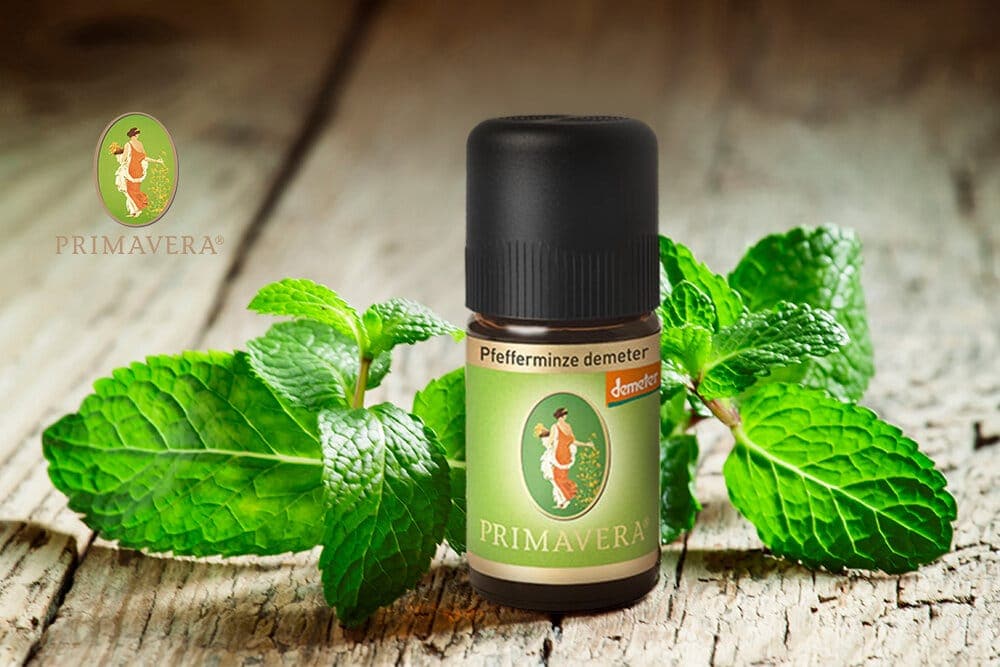
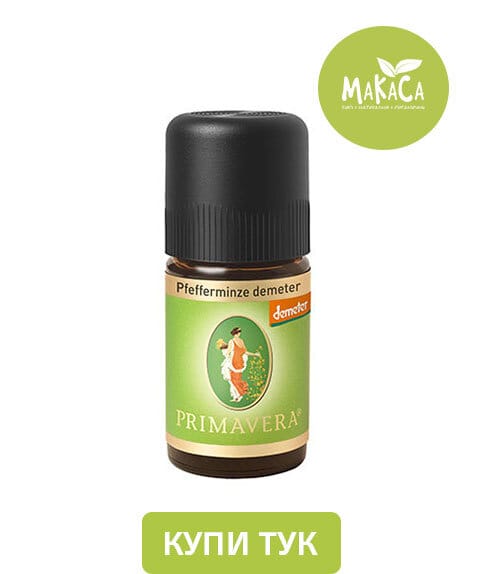
Peppermint (Mentha piperita) is associated with freshness, concentration, and comfort in the heat. See Primavera Peppermint Essential Oil in Essential Oils.
How is peppermint used in a diffuser and on skin?
In a diffuser: 3–5 drops per 100 ml of water. On the skin — only highly diluted in a carrier oil. Avoid eyes and mucous membranes.
Is peppermint safe for children?
Peppermint is not suitable for young children and infants. Follow the label and precautions section; consult a specialist if you have asthma or are pregnant.
More interesting articles from the blog
- Eucalyptus essential oil – benefits and types
- Rosemary essential oil – benefits and uses
- Camphor oil and anti-inflammatory properties
- Lemon essential oil – health benefits
- Lavender – the essential oil of antiquity
Categories
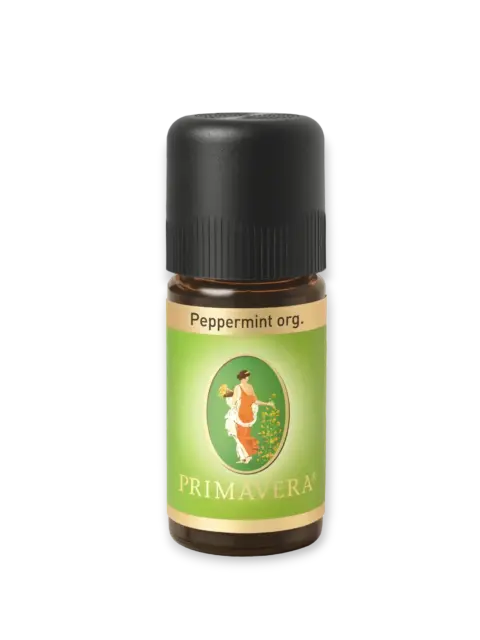
11.90 €Add to cart
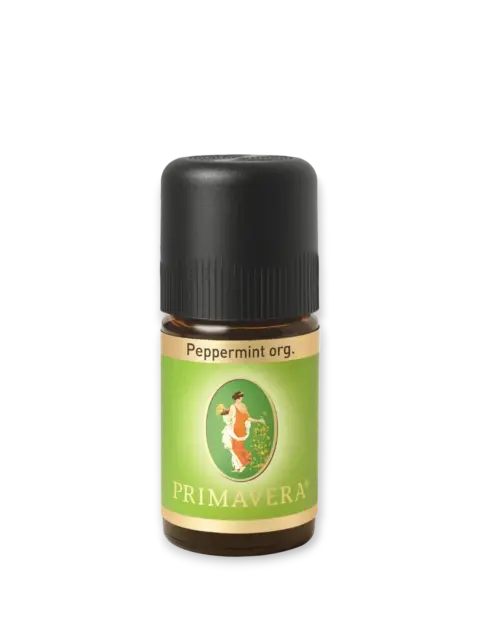
7.90 €Add to cart
7.90 €Add to cart
9.90 €Add to cart
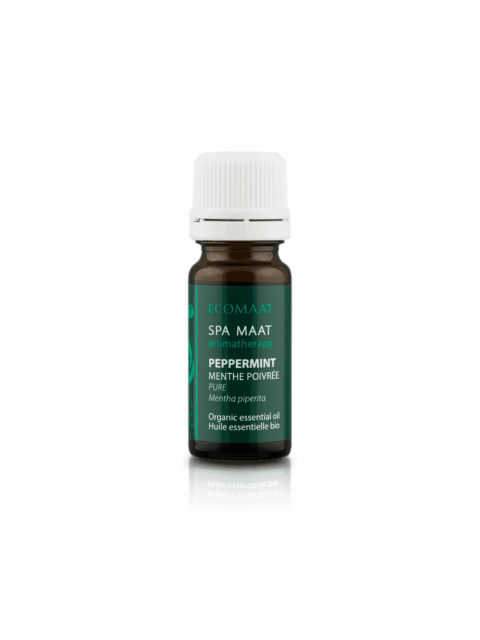
16.35 €Add to cart
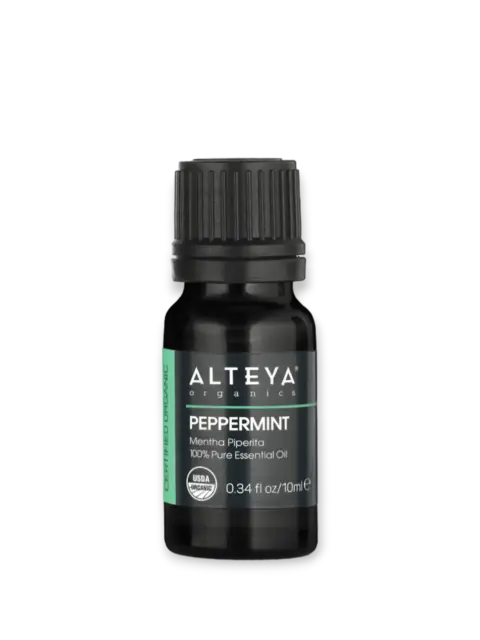
6.25 €Add to cart
6.25 €Add to cart
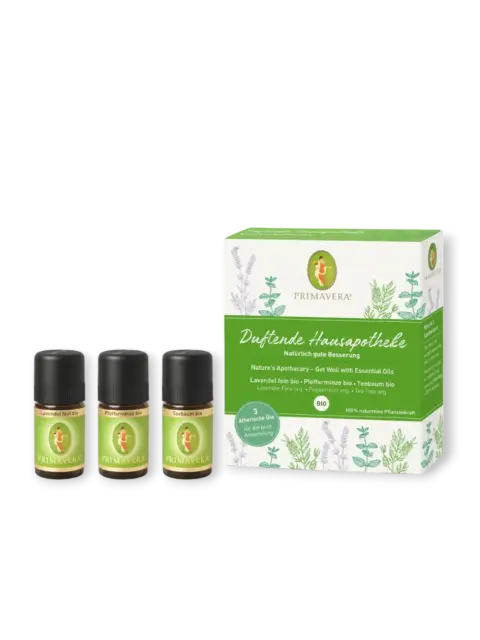
19.90 €Add to cart
13.90 €Add to cart
10.90 €Add to cart
9.90 €Add to cart