

Contents
Natural mosquito and insect repellents that contain essential oils are a more natural alternative to the mass-produced products you can buy in the store. When it's warmer, we can enjoy the beautiful weather outside, when we're on vacation, hiking in the mountains, or having a barbecue with friends. But with warmer weather comes unpleasant insects - from annoying flies to mosquitoes and ticks, which can seriously harm our health.
In short
- A natural repellent with essential oils is a more natural alternative to many synthetic mosquito repellent products.
- Citronella, lemongrass, and tea tree are among the most commonly used oils for home insect repellent.
- In the article: ready-made products + DIY recipes; follow dilution and child safety rules.
In this article, we have selected natural products and recipes that you can trust to protect your family and the environment.
Quick Pick: Natural Ingredients and Mosquito Repellents
Looking for ready-made ingredients and proven blends to protect your family? Buy directly with a guarantee of organic quality:
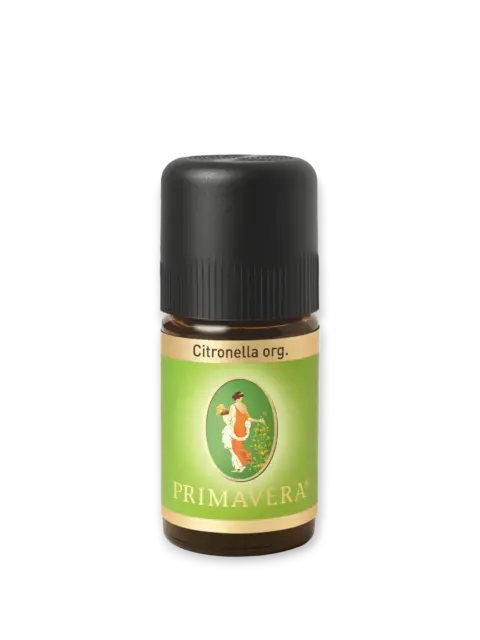
- Buy citronella essential oil (Primavera Bio 5 ml) – classic mosquito repellent oil
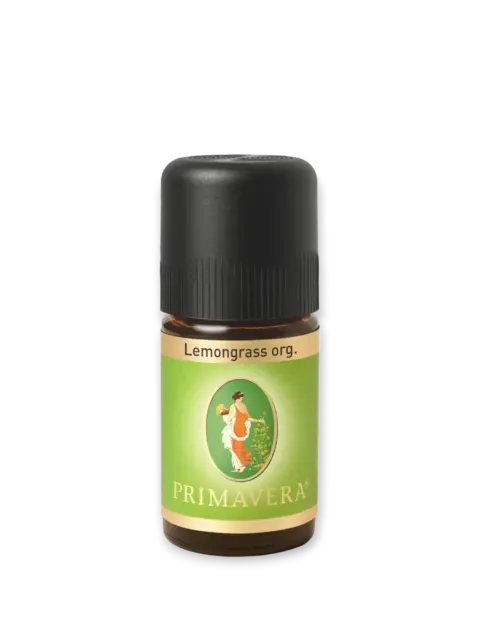
- Buy Lemongrass Essential Oil (Primavera Bio 5 ml) – intense citrus repellent
- Buy tea tree essential oil – natural antiseptic and protection
- Buy Greenatural Mosquito and Insect Repellent Lotion (100 ml) – organic repellent with 5 essential oils
What is a homemade natural mosquito and other insect repellent?

Natural mosquito repellents rely on the properties of naturally derived ingredients (rather than man-made chemicals such as DEET*) to repel insects.
Without the contents of DEET Natural mosquito repellents are a combination of powerful essential oils that fight insects in a natural way without disrupting the environment or affecting the health of aquatic organisms.
Most plants contain essential oil compounds – this is their own defense against insects that prevents bites. In general, essential oils work by disrupting mosquitoes' sense of smell, making it harder for them to find food.
*DEET, or diethyltoluamide, is the most common active ingredient in insect repellents. It's a light yellow oil that's meant to be applied to the skin or clothing and provides protection against mosquitoes, ticks, fleas, and other biting insects. According to a 2018 study, the ingredient in question poses environmental and health risks.
What studies say about the duration of protection of individual essential oils:
| Essential oil | % protection | Protection time |
| Lemon eucalyptus (1) | 95 % | 3 hours |
| Thyme (2) | 91 % | 60-90 minutes |
| Citronella (3) | 90 % | 2 hours |
| Canela | 85 % | 3 hours |
| Mint (4) | 90 % | 2-3 hours |
| Geranium | 90 % | 2-4 hours |
| Neem (5) | 70 % | 3 hours |
The information is indicated when using specific oils in recipes for natural mosquito repellent. It is important to note that if applied incorrectly, you may be left without protection. Most of the oils have up to 100% protection in the first hour of application according to studies, and over time their strength weakens differently. Therefore, we recommend that if the recipe does not describe the time for which you are protected, you apply the repellent every 2-3 hours or when you feel that it is no longer working and the mosquitoes have surrounded you.
Recipes for natural mosquito repellent with essential oils

First you will need a suitable mixing container. It should be ceramic or glass. Remember not to mix essential oils in plastic containers, as essential oils are volatile and degrade the material. Choose suitable essential oils for insects - you can easily navigate through the filters in our online store.
Homemade essential oil repellents should be diluted in a suitable carrier oil – preferably grapeseed, jojoba, argan or almond oil. And of course, follow the safety instructions. Some blends that contain citrus essential oils pose a risk of photosensitivity – these recipes should be used in the evening, not when you are exposed to direct sunlight.
Massage natural repellent 1
- 1 tablespoon grape seed oil
- 5 drops lemongrass essential oil
- 3 drops geranium essential oil

Massage natural repellent 2
- 1 tablespoon grape seed oil
- 4 drops lemon essential oil
- 2 drops basil essential oil
- 2 drops peppermint essential oil
Natural repellent spray
- 100 ml witch hazel water
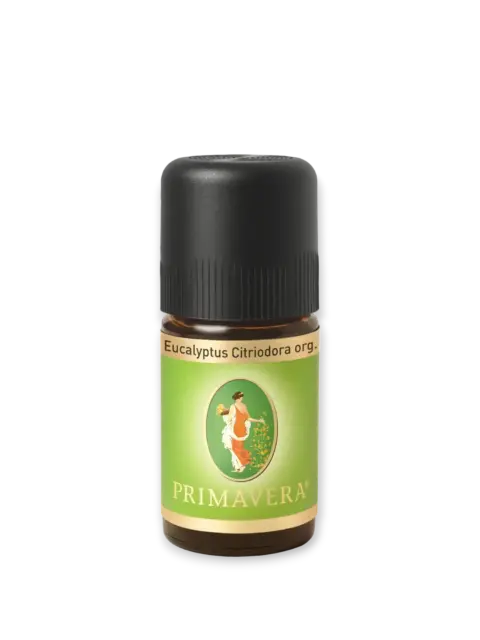
- 10 drops citronella essential oil or lemon eucalyptus
- 10 drops lemongrass essential oil
- 6 drops peppermint essential oil
- 6 drops tea tree essential oil
Drop the essential oils directly into the bottle of witch hazel water (Primavera hydrolates are specifically designed for use with essential oils), shake well before each use. Remember to use the spray every 2-3 hours.
Natural repellent balm against mosquitoes
- 8 drops tea tree essential oil
- 8 drops lavender essential oil
- 8 drops lemongrass essential oil
- 6 drops citronella essential oil or lemon eucalyptus
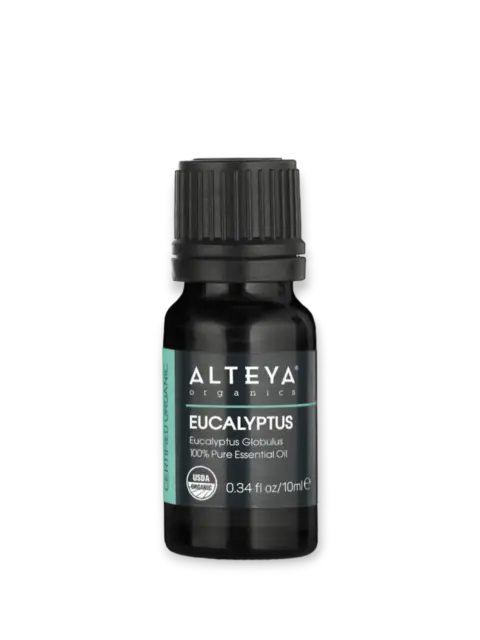
- 6 drops eucalyptus essential oil
- 100 ml coconut oil
Coconut oil melts at a very low temperature (around 24 degrees). If it is liquid, drop the essential oils directly into the jar. If it is solid, melt it in a water bath and then add the oils. Shake well to mix all the ingredients. If the consistency seems too liquid to you, you can add 20 g of shea butter or cocoa butter.
Anti-mosquito aroma blend for diffuser
- 30 drops citronella essential oil or lemon eucalyptus
- 30 drops tea tree essential oil
- 30 drops lavender essential oil

Drop the essential oils into a 5 ml bottle. Shake well to mix the oils. It is recommended to use 1 drop for every 5 square meters.
Natural repellent for clothes against ticks, also suitable for children over 3 years of age
Prepare the following mixture and store it in a spray bottle. Spray on clothing, especially around the neck, cuffs, hems of skirts and pants, on shoes, socks, and the outside of hats. Let dry and repeat. In a small bowl, mix the following essential oils:
Natural tick repellent for clothing
- 30 drops citronella essential oil
- 30 drops lemongrass essential oil
- 20 drops eucalyptus essential oil
- 10 drops peppermint essential oil
- 10 drops tea tree essential oil
Then add 20 ml of neem oil . Mix well and pour 240 ml of hot water into the mixture, then cover the bowl with a plate so that the condensed steam can remain in the bowl after it cools. Let it sit for at least 48 hours. Finally, strain the mixture through unbleached filter paper and store in a glass bottle.
Remember: if you notice a tick bite, DO NOT self-medicate. Seek medical attention immediately!
The list below contains essential oils that are suitable for use on children's clothing. Since they will be applied while hiking or camping, we assume that the child will not be wearing expensive, delicate clothing, as some of the essential oils may stain fabrics.
Essential oils that can help you with:
Tick repellent
- Lavender (Lavandula broadleaf)
- Eucalyptus (Eucalyptus globulus)
- Mint (Mentha piperita)
- Thyme (Thymus vulgaris)
- Lemongrass (Cymbopogon citratus)
- Citronella (Lemongrass winterianus)
- Palmarosa (Cymbopogon martinii)
For relief from tick bites
With a rash
Several natural insect repellent products that contain essential oils
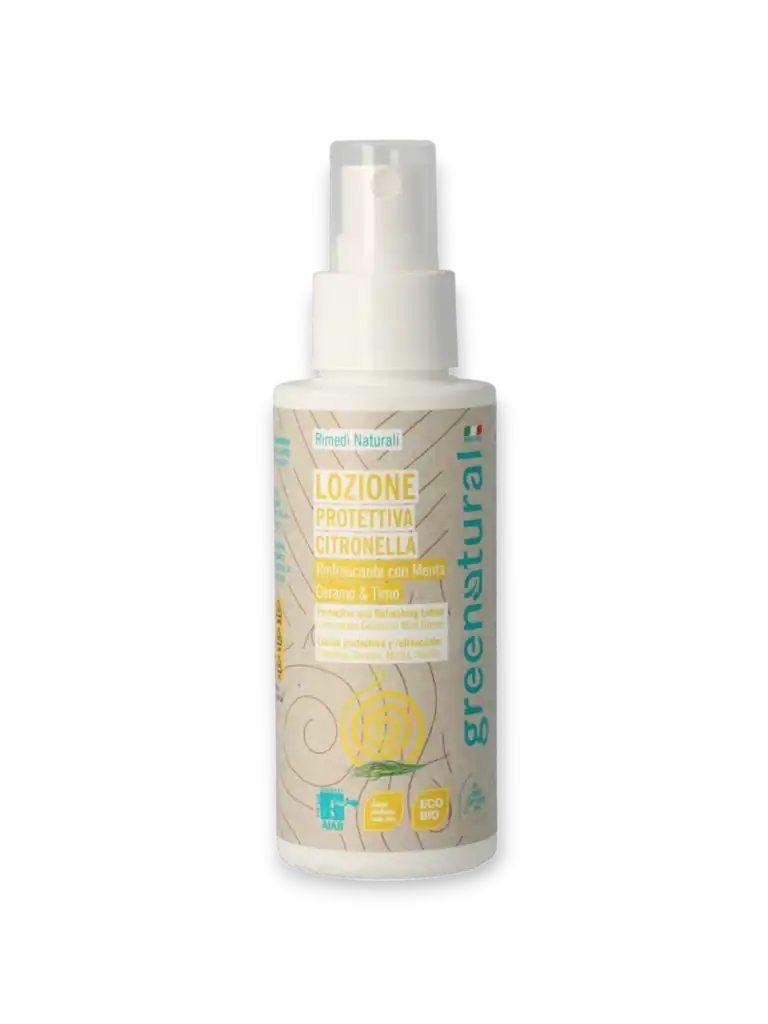
Refreshing and protective insect repellent spray from Greenatural . Thanks to the essential oils it contains, it creates a film on the skin, the aroma of which is undesirable for insects. The spray contains a mixture of 5 essential oils - citronella, mint, thyme, geranium and clove, known for their repellent properties, which repel insects and protect by refreshing the skin.
- Citronella essential oil (Lemongrass winterianus) – obtained by steam distillation of the leaves and stems of plants of the species cymbopogon (Lemongrass is also of this type.) This oil has a top note with a fresh, sweet and sharp citrus aroma. Its aroma is unpleasant to insects and is therefore widely used in the manufacture of repellent products.
- Peppermint essential oil (Mentha piperita) – obtained by steam distillation, known for its antibacterial and refreshing properties. It has a top note with a fresh, strong and pleasant aroma.
- Thyme essential oil (Thymus vulgaris) – has a base note with a warm, spicy and balsamic aroma. A popular oil with a calming effect and an immune-boosting effect.
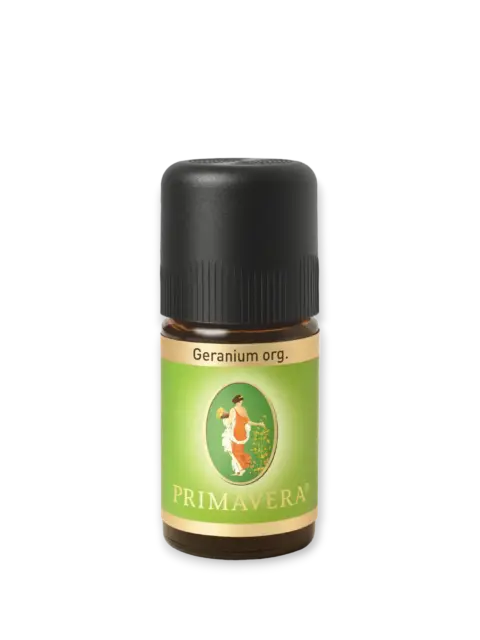
- Geranium essential oil (Pelargonium graveolens) – has a hearty note with a fresh, sweet and floral aroma. Traditionally used as an insect repellent.
- Clove essential oil (Eugenics caryophyllus) – obtained by steam distillation of the buds/leaves of the plant. It has a hearty note with a warm and spicy aroma. It is known for its antiseptic and soothing properties.
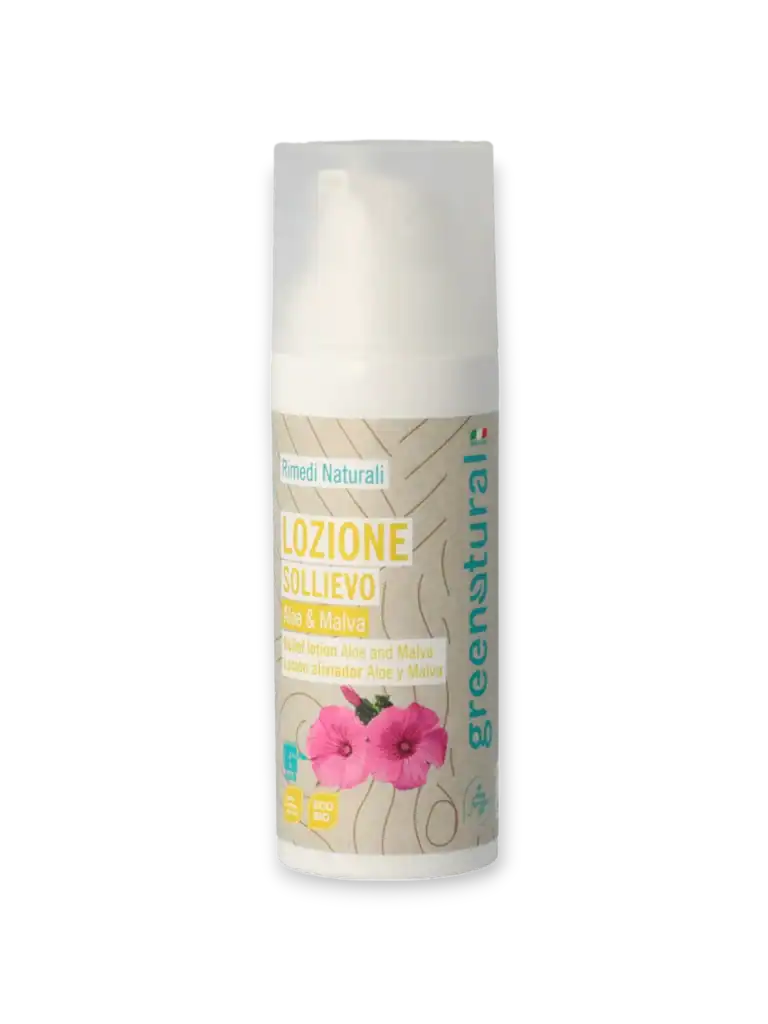
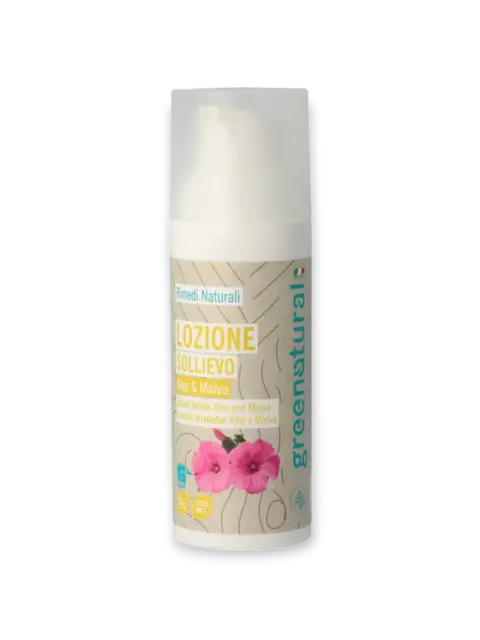
Soothing cream with aloe vera after insect bites and various irritations/redness. A natural product, rich in extracts, essential and plant oils with soothing properties. The cream is ideal for even the most sensitive skin.
- Aloe Vera (Aloe barbadensis) – a popular plant with strong soothing and moisturizing properties for quick relief of redness and itching.
- Vegetable glycerin (Glycerin) – softens and deeply moisturizes the skin.
- Croton lechleri (Croton lechleri resin) – known as “Dragon’s Blood”, a precious red resin with anti-inflammatory compounds that protect skin cells and reduce redness.
- Evening primrose oil (Oenothera biennis) – rich in fatty acids, traditionally helps with irritated or inflamed skin.
- Grapefruit seed extract (Citrus grandis) – has a natural antibacterial and antiseptic effect.
- Immortelle extract (Helichrysum italicus) – has astringent and soothing properties.
- Mallow extract (malva sylvestris) – soothes sensitive and irritated skin.
Safety rules for using essential oils
When mixing essential oils or diluting them in appropriate carrier oils, follow safe use guidelines. Essential oil repellents are NOT recommended for use on children under 3 years of age, pregnant or nursing women, or pets!
Be sure to do a patch test: Dilute the essential oil in a carrier oil at twice the concentration you plan to use. Apply a small amount to the crease of your forearm. If you don’t have an allergic reaction within 24 to 48 hours, the essential oil is safe to use. If an allergic response occurs, discontinue use immediately.
Frequently Asked Questions
How to make mosquito repellent with essential oils?
Mix citronella, lemongrass, and/or tea tree in a carrier oil or in a water spray according to the recipes in the article. Essential oils are always diluted — they are not applied neat to the skin.
Which essential oils help against mosquitoes?
The most commonly used essential oils are citronella , lemongrass, lemon eucalyptus, thyme, and tea tree.
Is natural repellent suitable for children?
The article has a recipe for anti-tick clothing, also suitable for children over 3 years old. For younger children, follow the safety rules and age guidelines on the label.
Conclusion
Natural repellents with pure essential oils provide safe and fragrant protection for the whole family during summer days and nights. Following the dilution rules and choosing quality certified ingredients guarantees you reliable prevention against mosquitoes and insects.
Legal Notice: The information in this article is for educational purposes only and is not a substitute for professional medical advice or treatment. For serious bites or allergic reactions, consult a doctor.
More interesting articles from the blog
- Floral waters – a dose of freshness for the body
- Aloe vera – properties and benefits for beauty and health
- Calming the mind and body – recipes with essential oils
- Lavender – the essential oil of antiquity
- Essential oils – uses and benefits in aromatherapy
Categories
12.55 €Add to cart
8.00 €Add to cart
10.20 €Add to cart
7.90 €Add to cart
7.90 €Add to cart
7.50 €Add to cart
5.75 €Add to cart


