Known as the king of essential oils, frankincense is now receiving much deserved attention as one of the most applicable therapeutic oils in the world of aromatherapy. The essential oil has powerful anti-inflammatory, analgesic and immunostimulating effects and is used very successfully to relieve problems related to the digestive and immune systems, respiratory disorders, stress and anxiety.
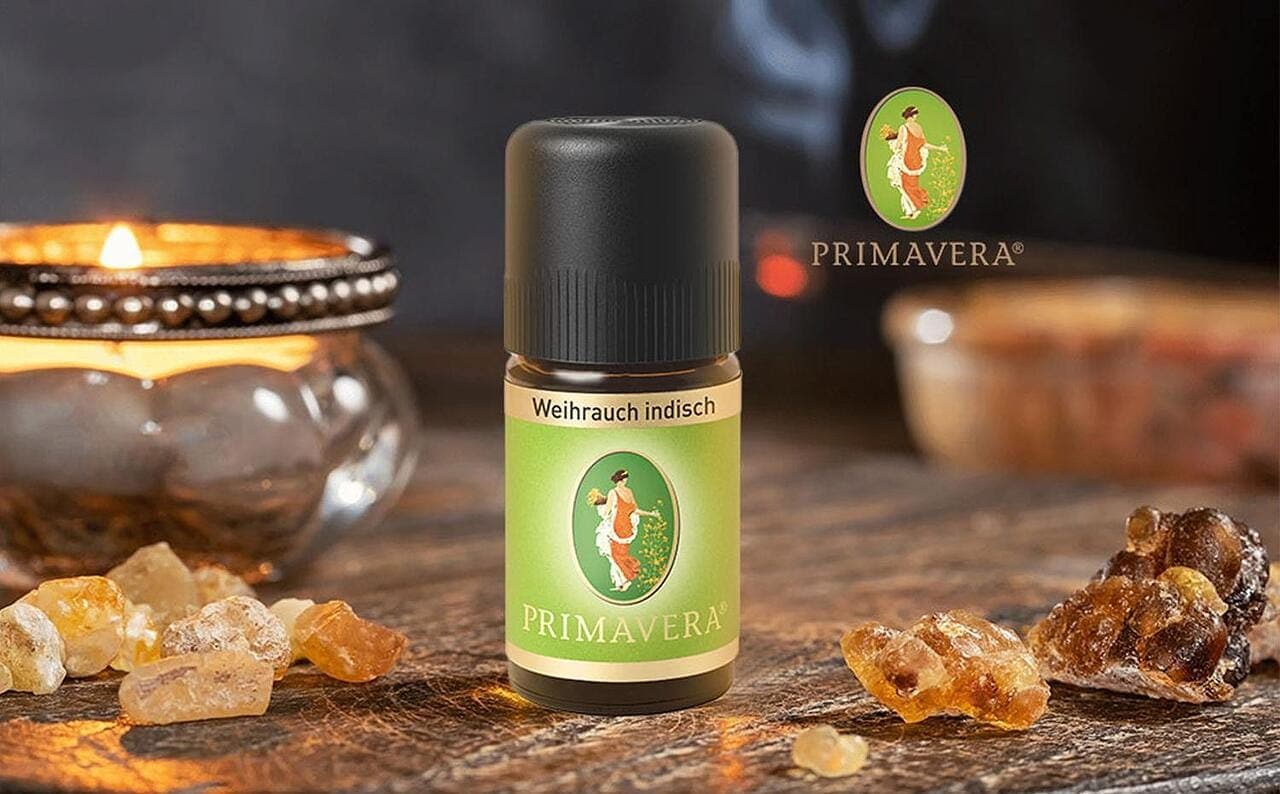
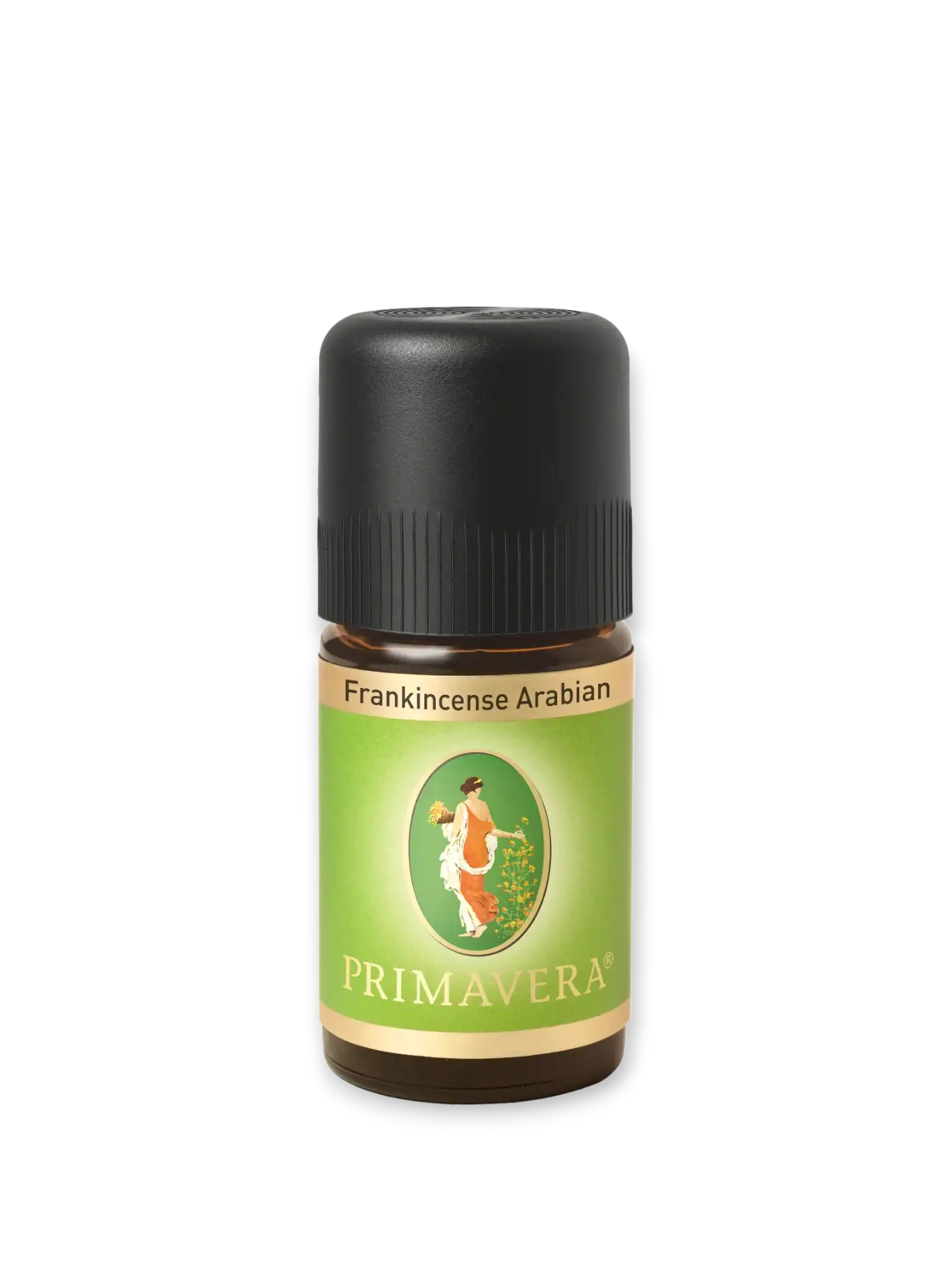
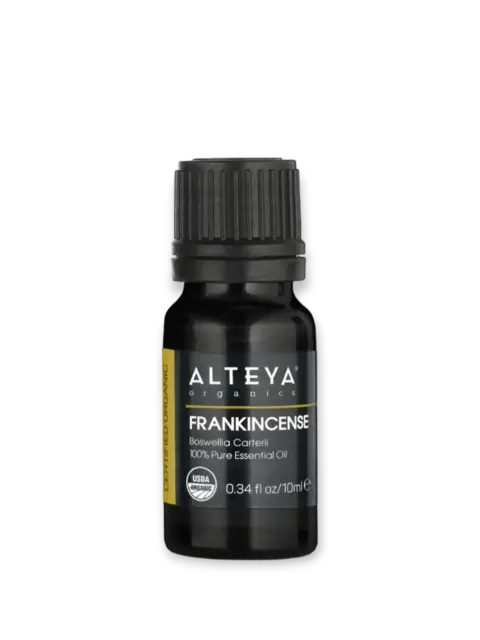
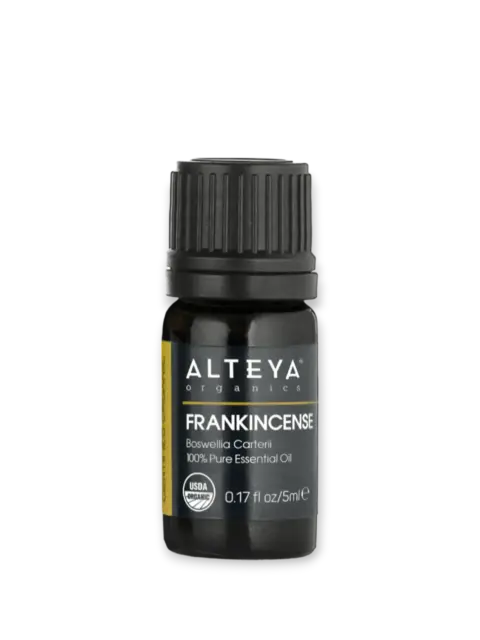
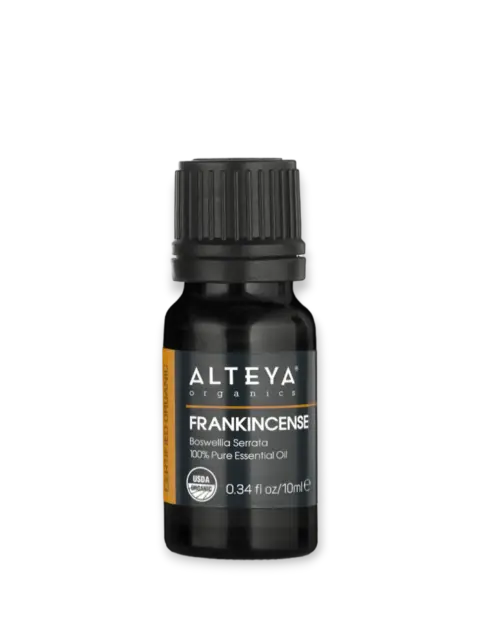
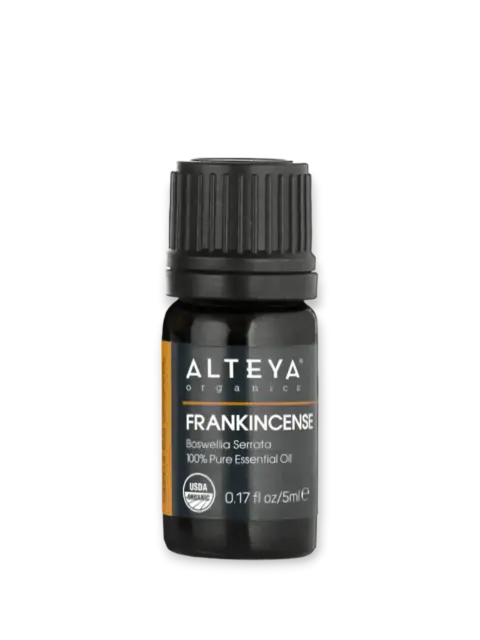
We have made sure that in the MAKASA store you can find a wide variety of types of incense from proven manufacturers - Primavera Life (Boswellia carterii, Boswellia serrata) , Alteya Organics (Boswellia serrata, Boswellia carterii) , etc.
A Brief History of Frankincense Essential Oil
In the past, it was valued more than gold. In ancient Babylon, almost 60,000 kg of incense were burned annually during traditional rituals. Later, it was documented that the Magi brought myrrh and frankincense oils as gifts for the birth of Jesus, along with gifts of gold. In the Bible, frankincense is mentioned as the king of oils.
In ancient times, the Hindus, Babylonians, Persians, Romans, Chinese, and Greeks, as well as representatives of the old American civilizations, used natural resins, such as frankincense, primarily for embalming and ritual purposes. They firmly believed that when these materials came into contact with fire, the smoke and aroma they produced not only soothed their souls but also paid homage to their gods. The burning of these natural resins became an important component of their cultural life. They burned them during sacrifices and daily rituals to ward off the influence of evil spirits on their souls or to honor the dead.
In traditional Chinese medicine, frankincense resin is used for bruises, swelling, ulcers, and pain from traumatic injuries. In ancient Egypt, it was used to make regenerating face masks, in cosmetics, and perfumery. Medicinally, it is used worldwide for a wide range of conditions, including rheumatism, respiratory and urinary infections, skin problems, and digestive and nervous disorders.
Today, many cultures still use it as they did in ancient times – including Somali, Ethiopian, Arab and Indian cultures. Its aroma is believed to bring good health, purify the home and remove accumulated negative energy.
How is frankincense essential oil extracted?
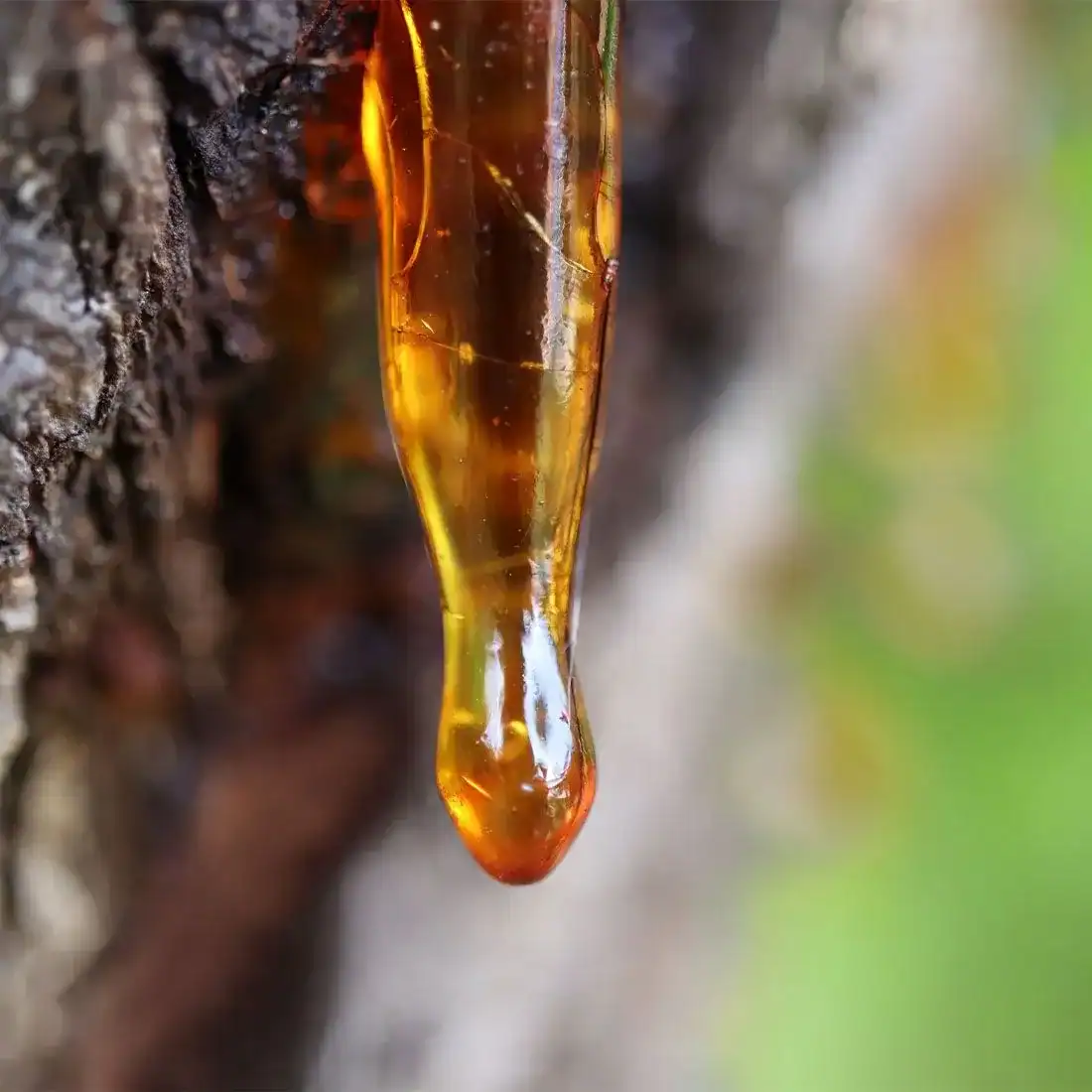
Frankincense is the aromatic resin that flows from the bark of trees of the genus Boswellia . An exceptionally large proportion of the raw resin extracted is processed by steam distillation. This is how the highly valued Frankincense essential oil is extracted . It is obtained by carefully scoring the bark of the tree with a knife. This is called “juicing” and allows the resin to flow out and harden in the sun. These hardened pieces of plant resin are called “tears”. There are several species and varieties of trees, each of which produces a slightly different type of resin. Within the species themselves, differences in soil and climate create an even greater variety of plant resins.
Trees begin to produce resin when they reach 10 years of age. Tapping is done two to three times a year, with the last cuts producing the best tears due to their high content of monoterpenes, sesquiterpenes, and diterpenes. Generally speaking, the more opaque the resins are, the better quality.
In distilleries, the raw frankincense “crystals” are crushed into powder and subjected to steam distillation or carbon dioxide (CO2) extraction, producing a pleasantly aromatic essential oil with an earthy and woody profile. In Europe, the largest raw frankincense distilleries are located in Bulgaria and the United Kingdom, and in Asia, in India and China.
As with all other essential oils , frankincense retains its qualities and has a longer shelf life when stored in a cool, dry place, away from direct sunlight, with a tightly closed cap.
Action and characteristics of incense
The main chemical constituents of the essential oil are limonene , pinene , borneol , farnesol , phellandrene , myrcene , and others. Limonene has antioxidant, anti-inflammatory, and antifungal properties. It is believed to reduce feelings of anxiety and stimulate the immune system. Pinene strengthens and invigorates the respiratory system and has diuretic properties. Borneol contributes to the tonic, anesthetic, sedative, and antispasmodic properties of this oil. Farnesol is the component that helps reduce signs of aging, smooth fine lines, and increase skin elasticity.
Some studies have shown promising results for Boswellia serrata in supporting the body against cancer. This hypothesis is still under scientific investigation.
Frankincense is a pale yellow or slightly greenish liquid with fresh terpene top notes and a warm, rich, sweet-balsamic base aroma. It blends well with sandalwood, white fir needles, pine, vetiver, geranium, lavender, neroli, orange, bergamot, camphor, basil, black pepper, cinnamon. Frankincense alters the sweetness of citrus oils in an extremely intriguing way. It is non-toxic and non-irritating when properly diluted.
How does frankincense essential oil work in different applications?
- Local and cosmetic: It has astringent and cytophylactic properties that act against cell aging. It reduces the appearance of wrinkles and skin imperfections, helping to even out the complexion. It stimulates the growth of new cells and promotes faster recovery.
- In aromatherapy: Frankincense acts as an expectorant to clear the respiratory tract and relieve difficulty breathing. The sweet woody aroma has a calming effect on the respiratory system, improves mood, reduces feelings of stress and anxiety, and promotes concentration and meditation.
- Local and therapeutic: Known for its anti-inflammatory properties, it soothes irritated skin by reducing redness, swelling and itching. It helps wounds and scars heal faster, stimulates the growth of new skin cells and improves microcirculation.
Types of incense and their uses
There are four main species of Boswellia from which quality material is obtained: Boswellia carterii (Arabian frankincense), Boswellia serrata (Indian frankincense), and Boswellia frereana , as well as the less common species Boswellia sacra . There are also unstudied, rare species. Although the four main types of frankincense on the market differ in chemical composition, many professional aromatherapists believe that their therapeutic properties largely overlap. Unless there is definitive research to the contrary, it is a matter of personal preference which species to use in your recipes.
Frankincense Essential Oil – Frankincense Carterii
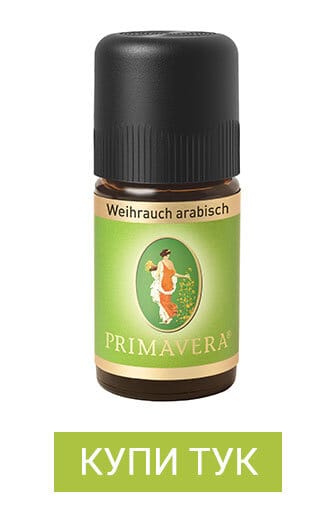
The most common type of essential oil, known as traditional or Arabian frankincense ( Boswellia carterii ). It is extracted from the United Arab Emirates, Oman, Yemen, Ethiopia, Somalia and Sudan. An extremely valuable and expensive raw material! Its aromatic profile has green and balsamic notes and a deep resinous scent. In short, we can summarize its action as follows:
- Widely used to reduce signs of aging, restore skin cells, smooth fine wrinkles
- Enhances concentration
- Calms and relieves feelings of anxiety
- Has anti-inflammatory properties on the skin
- Stimulates and protects the immune system
- Stimulates the growth of new cells
In the MAKASA store we offer oils of this variety from the brands Primavera Life, Alteya Organics, Tisserand, Plant Therapy, Zoya Goes Pretty.
Frankincense Serrata Essential Oil
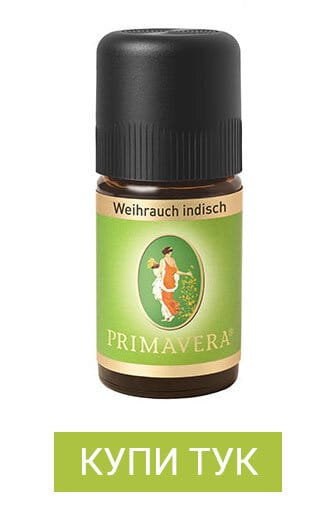
An excellent choice for helping to relieve pain and swollen joints. It is popular for its beneficial effects on gynecological ailments - for supporting the menstrual cycle and improving blood circulation in the small pelvis ( Boswellia serrata ). It also has aphrodisiac properties. Combine it with lavender, eucalyptus and fir oils to ease breathing. Its aromatic profile is woody, balsamic, with characteristic resinous notes.
- Aromatizes and purifies the air by eliminating harmful bacteria
- Relieves discomfort from inflammation such as redness, itching and swelling
- Supports emotional and hormonal balance
- Enhances concentration and spiritual practices
- Soothes physical and emotional ailments such as headaches and anxiety
You can find Indian frankincense essential oil from the Bulgarian brand Alteya Organics and the German brand Primavera Life.
Frankincense Essential Oil – Frankincense Frereana
This variety is well known for its rejuvenating properties when added to a skin care routine. It is mainly extracted from Somalia ( Boswellia frereana ). It helps to smooth wrinkles, scars, dry and mature skin. Its aromatic profile is woody-spicy, with a very attractive resinous scent. Its properties overlap with the other varieties:
- Smoothes wrinkles and renews cellular metabolism
- Reduces damage caused by free radicals
- Has beneficial effects on skin and age-related changes
- Helps balance the nervous system
It blends well with essential oils of basil, bergamot, cardamom, cedar, chamomile, cinnamon, sage, coriander, geranium and ginger.
Whichever type of incense you choose for your aromatherapy, each of them has a rich and broad field of action:
- Facial care: For dry and mature skin, scars, wounds, for prevention of wrinkles
- Respiratory system: For asthma, bronchitis, catarrhal inflammations, coughs, laryngitis
- Immune system: For colds and flu
- Nervous system: For anxiety, nervous tension and stressful situations – incense calms and deepens breathing, which is extremely beneficial for prayer and meditation.
Other useful applications:
- The resin and oil are used as fixing and fragrance components in the manufacture of soaps, cosmetics and perfumes, especially in oriental and men's fragrances.
- It is also used in the pharmaceutical industry in the production of throat lozenges and medicinal ointments.
- Frankincense oil is used in minimal amounts to flavor some specific food products.
Recipes with Frankincense Essential Oil

BLEND FOR ANXIETY AND STRESS
- 3 drops frankincense essential oil,
- 8 drops sandalwood essential oil,
- 5 drops mandarin essential oil

In a suitable glass or ceramic container, mix the essential oils. For a bath, mix 2–3 drops with 2 tablespoons of sea salt and add to the water. For a massage, mix 2–3 drops with 5 ml of carrier oil.
ANTI-AGEING SERUM WITH INCENSE AND LAVENDER
- 5 drops frankincense essential oil,
- 3 drops immortelle essential oil,
- 3 drops lavender essential oil,
- 100 ml base oil of choice (jojoba or almond)

Place the required number of drops of the oils in a glass bottle with a pipette. Add the carrier oil, close and shake vigorously. Apply morning and evening to cleansed facial skin with light massage movements.
Conclusion
The information in this article is for educational purposes only and is not intended to serve as a basis for prevention or treatment! The International Federation of Professional Aromatherapists (IFPA) does not recommend that essential oils be taken internally unless the application is under the supervision of a physician qualified in clinical aromatherapy! Like medications, essential oils should be treated with respect. It is important to seek professional advice and carefully follow the instructions listed on the packaging of the products you purchase.
When storing essential oils, it is important to be aware that light, heat, and oxygen can affect the integrity of the oil. Products should come from a reliable source, and should be certified by the appropriate authority in the specific country to ensure their quality. Carefully following the instructions reduces the risk of compromising your health.
Sources: Wikipedia; "The Healing Power of Essential Oils" – Dr. Eric Zelinski; "The Encyclopedia of Essential Oils" – Julia Lawless; Plant Therapy ; New Directions Aromatics
More interesting articles from the blog
- Myrrh Oil – The Mysteries of Antiquity
- Lavandula essential oil – the rock rose of the Mediterranean
- Immortelle – the herb of the Mediterranean
- Vetiver essential oil – the scent of the earth
- Lavender – the essential oil of antiquity
Categories

10.90 €Add to cart

15.90 €Add to cart
13.55 €Add to cart
7.55 €Add to cart
5.95 €Add to cart
4.55 €Add to cart