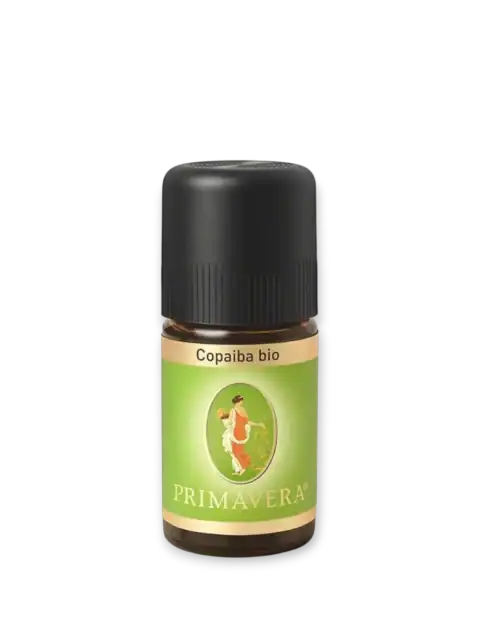
Copaiba essential oil , extracted from trees of the genus Copaifera , is one of the most valuable substances in traditional medicine of South America. For centuries, the indigenous people of the Amazon have used the resin of this tree to treat wounds, inflammations and skin infections. Today, modern science confirms many of these traditional uses, revealing the unique chemical composition of the oil, rich in beta-caryophyllene.
In the world of aromatherapy and natural cosmetics, copaiba is known for its powerful anti-inflammatory properties, ability to calm the nervous system, and skin repair. This article explores the botanical origins, chemical profile, proven benefits, and safe application methods of copaiba oil.
Botanical origin and extraction
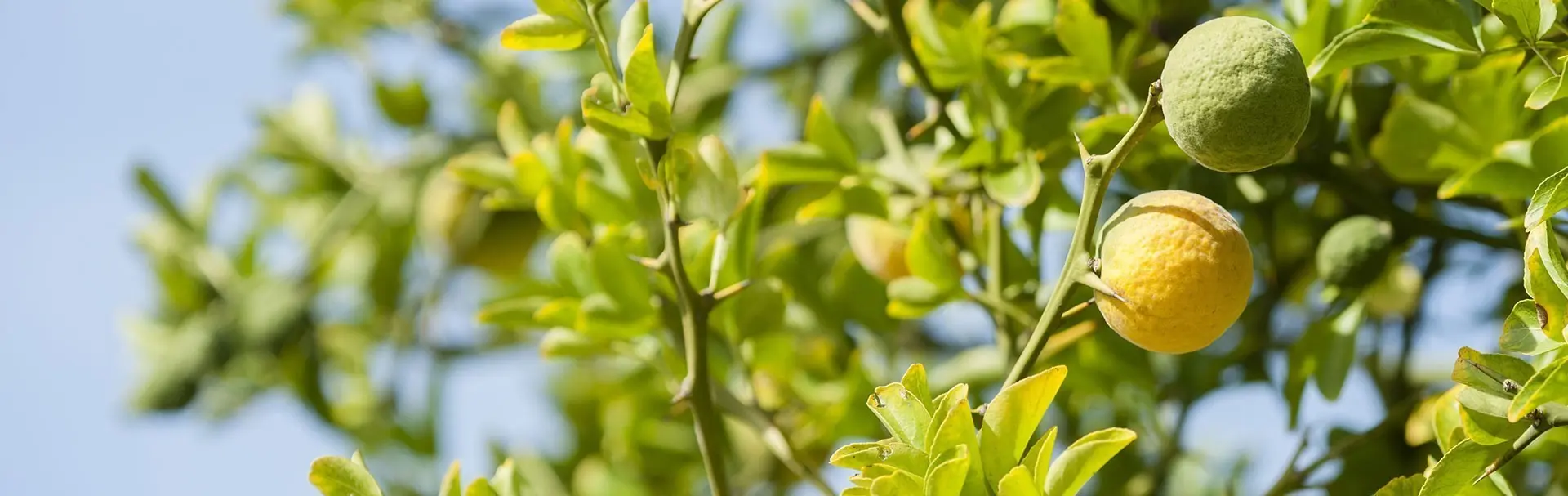
Copaifera trees are evergreens that grow to a height of 30 to 40 meters. They grow mainly in the tropical forests of South and Central America, with the main distribution areas including Brazil, Peru, Venezuela and Colombia. There are over 70 species, but the most commonly used for resin and essential oil extraction are Copaifera officinalis , Copaifera reticulata , Copaifera langsdorffii and Copaifera multijuga.
The tree prefers moist environments and sandy, well-drained soils. It is characterized by a dense crown, oval, leathery leaves, and small white flowers that develop into small, single-seeded fruits.

Harvest
Once every 2-3 years

Part of the plant
The resin of the tree

Extraction method
Steam distillation
Sustainable mining method
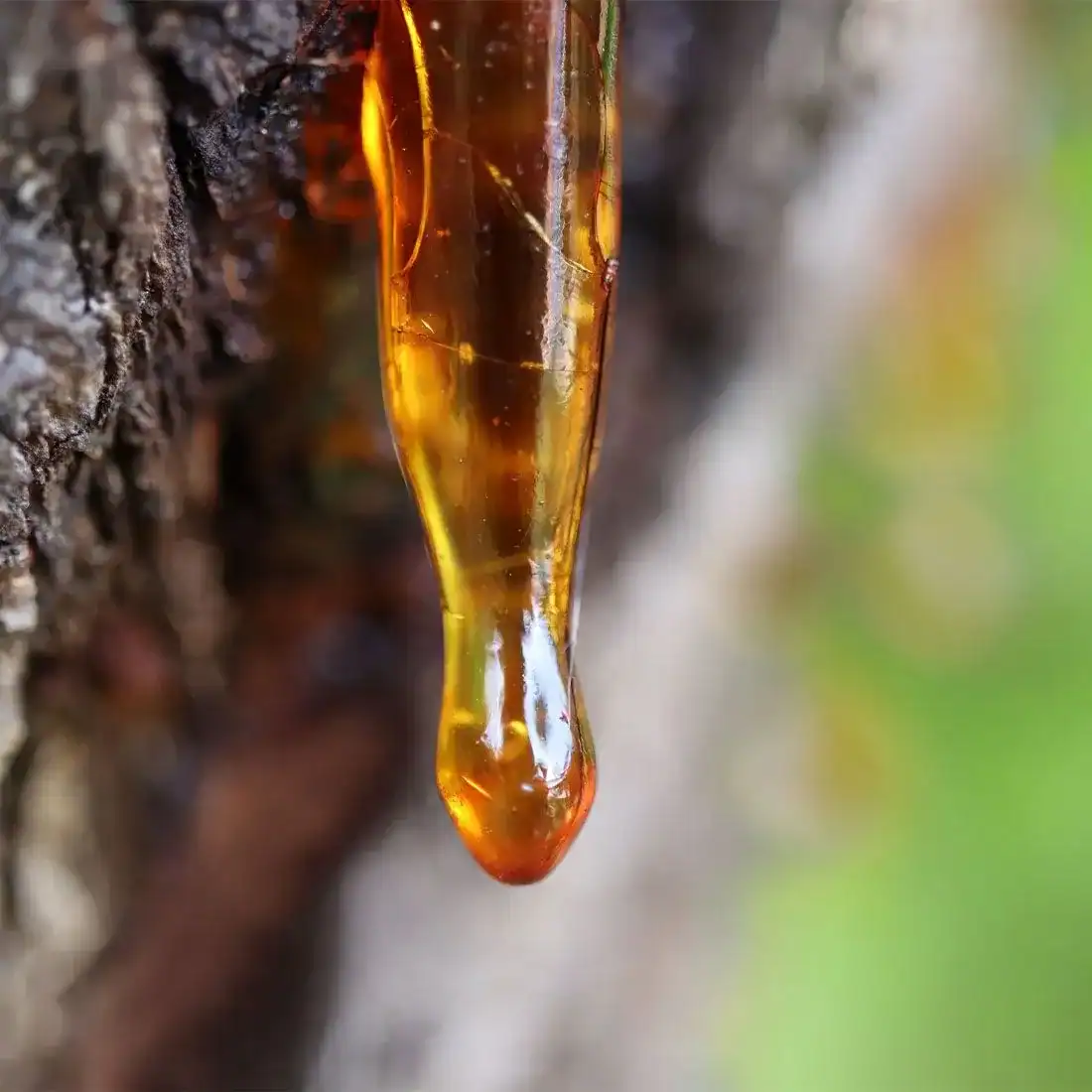
A unique characteristic of Copaifera is the way in which the resin (oleoresin) is stored. Unlike other trees, where the resin is released when the bark is injured, in the copaiba it accumulates in internal cavities (canals) in the trunk.
Extraction is done through a process known as “tapping,” which is similar to harvesting maple syrup or rubber. A hole is drilled into the tree trunk through which the oleoresin flows naturally. A mature tree can produce about 40 liters of resin per year. This method is completely sustainable, as it does not require the tree to be cut down. After the resin is harvested, the hole is closed and the tree is allowed to recover, allowing for repeated harvests over decades.
Difference between oleoresin and essential oil
It is important to distinguish between raw resin (copaiba balsam) and distilled essential oil:
- Copaiba Balsam (Oleoresin): This is the raw liquid, extracted directly from the tree. It is thick, viscous, and is used in this form in traditional medicine and for the production of varnishes.
- Copaiba essential oil: It is obtained by steam distillation of the crude oleoresin. The distillation process extracts the volatile aromatic compounds, leaving behind the heavier resins. The result is a lighter liquid with a finer consistency that is used in aromatherapy.
Chemical composition: The power of beta-caryophyllene
The therapeutic value of copaiba is due to its unique chemical profile. The oil is extremely rich in sesquiterpenes. The main and most important component is beta-caryophyllene.
The beta-caryophyllene content of copaiba oil is one of the highest of all known essential oils, often ranging between 30% and 55% (depending on the species and geographical origin). In comparison, other oils such as black pepper and clove also contain this component, but in significantly lower concentrations.
Interaction with the endocannabinoid system
Beta-caryophyllene is known as a dietary cannabinoid. It has the unique ability to selectively bind to the CB2 receptors of the endocannabinoid system (ECS) in the human body. The ECS is a regulatory system that maintains homeostasis and influences pain, inflammation, immune response, and mood.
Unlike CBD (cannabidiol) and THC (tetrahydrocannabinol) found in cannabis, the beta-caryophyllene in copaiba is not psychoactive . It does not produce an intoxicating effect, but it activates the body's anti-inflammatory and pain-relieving pathways by directly interacting with CB2 receptors.
Other important components in the composition include:
- Alpha-humulene: Known for its anti-inflammatory properties.
- Copaene: Sesquiterpene that contributes to antioxidant protection.
- Alpha-bergamotene and Delta-cadinene.
Therapeutic properties and applications
Scientific research and traditional use outline a wide range of applications for copaiba essential oil, especially in dermatology and pain management.
1. Anti-inflammatory and pain relief
Due to its high content of beta-caryophyllene, copaiba is a powerful anti-inflammatory agent. Studies conducted on animal models (rats with arthritis or muscle injuries) have shown that topical application of copaiba leads to a decrease in the production of molecules related to inflammation (cytokines) and a reduction in swelling.
The oil is successfully used for massage for:
- Arthritic pain and rheumatism.
- Muscle soreness and tension after physical exertion.
- Chronic joint pain.
Comparative studies have shown that massage with a combination of copaiba and other oils leads to significant improvement in finger dexterity and pain reduction in arthritis patients.
2. Skin care and wound healing
Copaiba is a highly valued ingredient in cosmetics for its antibacterial, astringent, and emollient properties.
- Acne and oily skin: The anti-inflammatory and antimicrobial properties make the oil suitable for treating acne (Acne vulgaris). It helps reduce redness and inhibits the growth of bacteria without drying out the skin aggressively.
- Healing wounds and scars: Traditionally, the oleoresin was called “Amazon Gold” and was applied directly to open wounds. Modern studies confirm that the oil stimulates angiogenesis (the formation of new blood vessels) and fibroblast migration, which accelerates wound closure and reduces the appearance of scars.
- Antimicrobial activity: Laboratory tests show effectiveness against Staphylococcus aureus – a bacteria that often causes skin infections. Even low concentrations of the oil inhibit bacterial growth.
3. Support for leishmaniasis
Leishmaniasis is a parasitic disease common in tropical regions that causes skin ulcers. Numerous scientific studies are investigating the potential of copaiba as an alternative or complementary treatment.
Studies have shown that Copaifera reticulata oil exhibits significant activity against the parasite forms Leishmania amazonensis and Leishmania infantum . The mechanism of action involves damage to the parasite's cell membrane. Application of copaiba nanoemulsions to infected tissues results in a reduction in lesion size and parasite load.
4. Nervous system and emotional balance
The aroma of copaiba is deep, woody, with light balsamic and sweet notes. In aromatherapy, this profile is defined as “grounding.” Inhaling copaiba is recommended for:
- High levels of stress and anxiety.
- Anxiety and “racing thoughts.”
- Need for emotional stability and peace.
The oil has a calming effect on the central nervous system without causing excessive drowsiness, making it suitable for use during the day for focus or in the evening for relaxation.
Ways of use

Although in some traditions the resin is taken internally, in the context of modern cosmetics and aromatherapy, adherence to topical application and inhalation is recommended to ensure safety and lack of irritation of the mucous membranes.
Aromatic diffusion
To create a calm atmosphere and support the respiratory system:
- Add 4-6 drops of copaiba essential oil to a diffuser.
- Combines perfectly with: Citrus (Lemon, Bergamot), Floral oils (Ylang-ylang, Jasmine), and other woody aromas (Cedar, Sandalwood, Incense).
Topical application (Skin and Massage)
Essential oils are highly concentrated and must be diluted in a carrier oil (such as almond , jojoba , grapeseed) before applying to the skin.
- For face (acne, scars): Dilution 1% to 2%. (Approximately 3-6 drops of essential oil per 30 ml of base oil).
- For body and massage for pain: Dilution between 2% and 3%. (Approximately 15-20 drops of essential oil per 30 ml of carrier oil). Rub into areas of tension – back, knees, shoulders.
In the bathtub
For muscle and mind relaxation:
- Mix 5 drops of copaiba with 1 tablespoon of carrier oil or bath salts before adding to warm water. This ensures that the oil will disperse properly and not float to the surface in a concentrated form.
Safety and contraindications
Copaiba essential oil is generally recognized as safe (GRAS) when used properly. However, the following precautions should be observed:
- Oxidation: The sesquiterpenes in the oil are susceptible to oxidation when exposed to air. Oxidized oil can cause skin irritation or sensitization. Store the oil in tightly closed dark bottles, away from heat and direct sunlight.
- Tolerance test: Always do a patch test (on a small area of skin on the inside of your elbow) with diluted oil 24 hours before full use.
- Pregnancy and breastfeeding: As with most essential oils, it is recommended to consult a doctor or certified aromatherapist before use during pregnancy.
- Ingestion: High doses of oleoresin taken internally can cause stomach upset, nausea, and diarrhea. Self-medication by ingesting the essential oil without medical supervision is not recommended.
Conclusion
Copaiba essential oil is a powerful ally in holistic health care, offering a bridge between the ancient wisdom of the Amazon and modern skin and pain science.
More interesting articles from the blog
- Myrrh Oil – The Mysteries of Antiquity
- Frankincense – the golden essential oil
- Immortelle – the herb of the Mediterranean
- Vetiver essential oil – the scent of the earth
- Essential oils – uses and benefits in aromatherapy