
As parents, we always want the best for our children. We will never forget the relief our little daughter felt from her runny nose years ago when she inhaled a cotton swab soaked in pine essential oil. The effect was amazing. In a world where there are so many synthetics, chemicals, man-made materials, and plastics, it’s nice to have the option to use something more natural and closer to nature. But just because essential oils are derived from natural sources doesn’t make them completely safe.

Here we will look at a very interesting topic and share with you general guidelines that you should follow when using essential oils around children. How to actually use them safely and why is this so important? Can they effectively help with various ailments? From what age can we use essential oils and in what way? We will give the answers to these and other questions in this article and we hope that we will be of help to all parents who touch this fragrant and magical world.
To start with: the question we all ask ourselves
Probably every parent who loves essential oils asks themselves the question: when can I use essential oils on my children ? Unfortunately, we cannot give a simple answer to this question. The factors for their application are different and we must take into account many peculiarities. It is important to remember that even essential oils designed and formulated specifically for children are powerful tools that must be applied carefully. But if you have already decided that you want to use essential oils at home for your children, you must first answer these few questions:
- What purpose will I use this essential oil for?
- How long do I intend to use it for?
- Is this oil considered safe for use on children?
When children are young (3-6 years old) it is best to use essential oils only when necessary, for some minor discomfort, for relaxation, to help them fall asleep and for the shortest possible time. If there is no reason to use essential oils on your child, it is best not to.
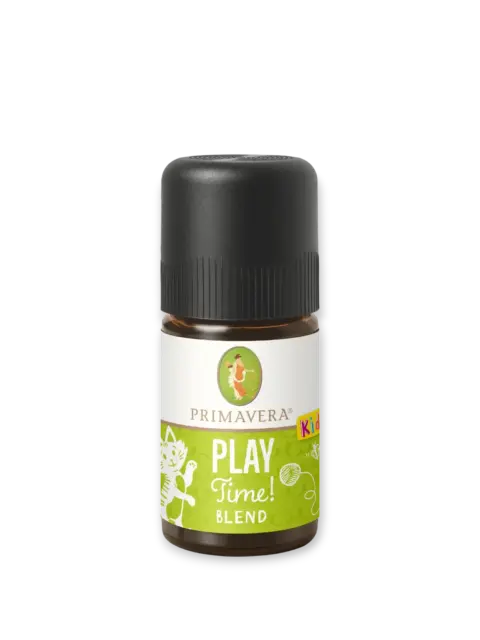
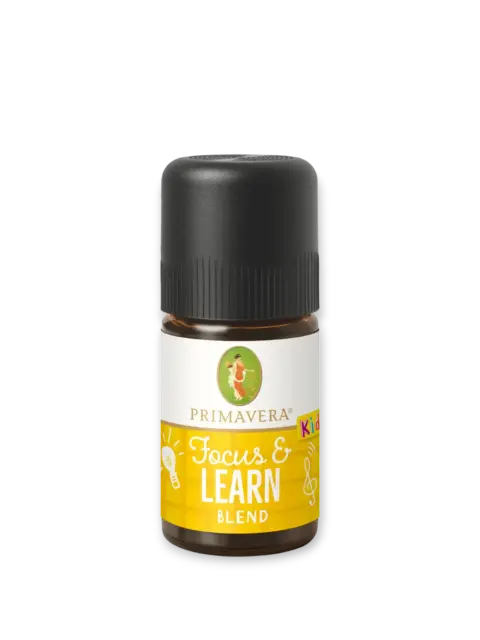
It is best to apply such oils that are specially formulated for children. High-quality manufacturers have specially developed series for children, in which the synergies are aligned with all the features for safe use. Such are, for example, essential oils for children from the Primavera Kids and Plant Therapy KidSafe series.

From what age can we use essential oils?
Essential oils should be used with caution around children regardless of their age. Always highly diluted - 0,5% essential oil content in base/vegetable oil, recommended for use on children only when over 2 years of age.
We do not recommend the use of essential oils on babies, infants and children under 2 years of age. There are many reasons for this – children and their growing bodies are more sensitive to the efficacy and ingredients in essential oils. Young children try everything with their hands, even after dilution with a base, vegetable oil, this application leads to the risk of ingestion or contact with the eyes, which is absolutely contraindicated for this age! Thin, sensitive skin is much more permeable to the compounds of essential oils than the skin of an older child or adult.
And last but not least – there is not enough clinical research to prove the positive impact of essential oils on the body of young children. In Bulgaria, there is no regulatory body that regulates the use of essential oils on children. Safety is the responsibility not only of parents, but also of the distributor who offers essential oils, because he must advise, recommend, and not selfishly sell his product at any price. We can talk a lot more on this sensitive topic, so our advice is to trust only proven, certified and EXPERIENCED aroma specialists and therapists, who unfortunately are almost non-existent in Bulgaria!
However, there are high-quality ready-made mixtures, synergies and ointments from renowned global and Bulgarian aroma producers that you can trust. These products are sure to contain safe percentages of essential oil ingredients, are clinically tested, have passed through thousands of regulations to reach you.
One such wonderful product is the balm for babies and children from the Primavera "Breathe with pleasure" series. It provides real pleasure when inhaled and stimulates restful sleep. It has a positive effect on the body and helps children feel more comfortable on cold days. Suitable for young children from 6 months of age.
The most worrying thing is when we independently dose, dilute and diffuse essential oils at home, around younger children and infants. This always poses risks when we are not under the supervision of an aroma specialist or clinical aromatherapist. We will not tire of repeating to be careful and not to trust unproven claims on the internet.
Proper and safe discharge
An extremely important step in the application of essential oils at home. For children aged 1 to 3 years, we recommend a dilution of 0,25% to 0.5%. From 4 to 12 years from 0,5% to 2% dilution of the essential oil. From 13 years of age 2,5 to a maximum of 4%.
What is dilution rate/percentage? This means how much amount of essential oil we should have added to the amount of base oil. For example, to make a 0,5% solution for a 3-year-old, add 2 drops of lavender essential oil to 3 large tablespoons (about 15 milliliters) of apricot kernel oil or fractionated coconut oil. For a 1% solution, the essential oil drops should be four in 15 milliliters of base oil.
The table below will guide you more easily in the calculation.

The main reasons for which the correct dilution of essential oils should be followed:
- To avoid unwanted skin reactions such as rashes, allergies and phototoxicity (severe sun reaction).
- Children are still developing and their bodies do not react in the same way as adults with established immune systems and bodies.
- To avoid chronic problems such as hepatotoxicity or neurotoxicity (they are rare but can still occur).
Depending on what percentage you want the solution to be, add the appropriate drops of essential oil to the selected amount of carrier oil. For the younger age group (from 3 to 6 years) this refers to topical application on small areas of skin. For children over 6 years of age, the percentages are for whole body applications.
How to use essential oils in children
Diffusion
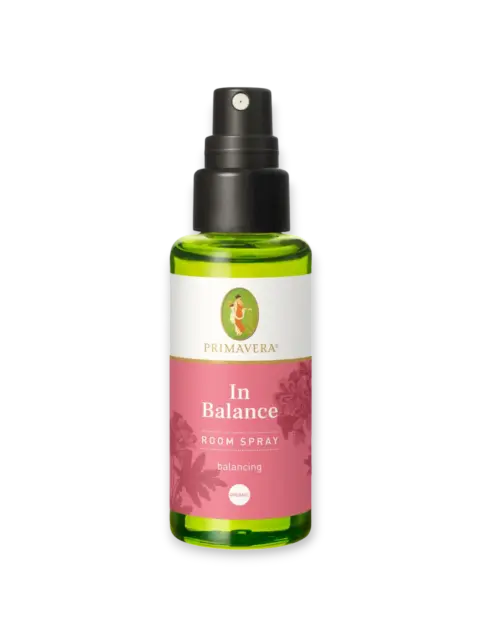
This method carries fewer risks of side effects. When diffusing essential oils on children, the most important thing is to follow the manufacturer's instructions. As we said above, we recommend that you apply blends and synergies only from the specialized series for children of aromatherapy brands, such as Primavera Life or Plant Therapy. This ensures that the products are specially designed and considered safe for use by younger children.
When diffusing, take mandatory breaks of at least half an hour. It is recommended to ventilate the room afterwards. Diffusion in younger children under 6 years of age should not exceed three times a day. That is, you can apply it in the morning after the children have had breakfast, at lunch and in the evening before going to bed. For children over 6 years of age, diffusing may be more frequent.

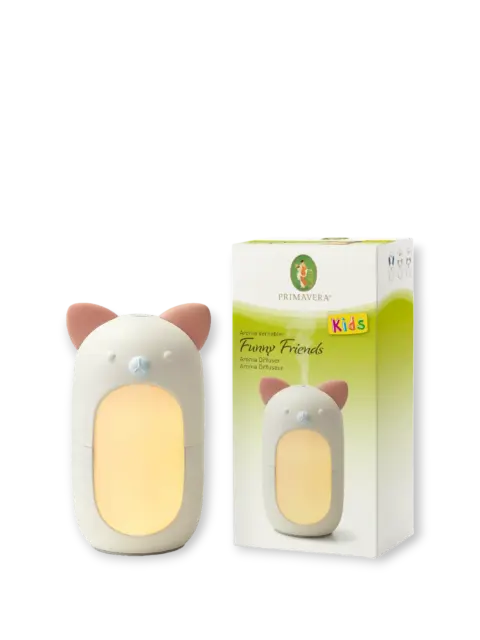
Our favorite diffuser for children is Primavera's "Happy Friends" , not only because of its unique and convenient features. We say so with confidence because it helps our children fall asleep with its gentle diffusing aroma, with its wonderful, fun look and gentle music.
The ultrasonic diffuser, designed for children, offers a wide range of operating options and scents rooms up to 30 m² with a gentle aromatic mist. Thanks to this technology, it also gently humidifies the air in the room. Fill with 145 ml of water and a few drops of a 100% natural aroma blend or a single essential oil. The amount of mist produced is about 35 ml per hour.
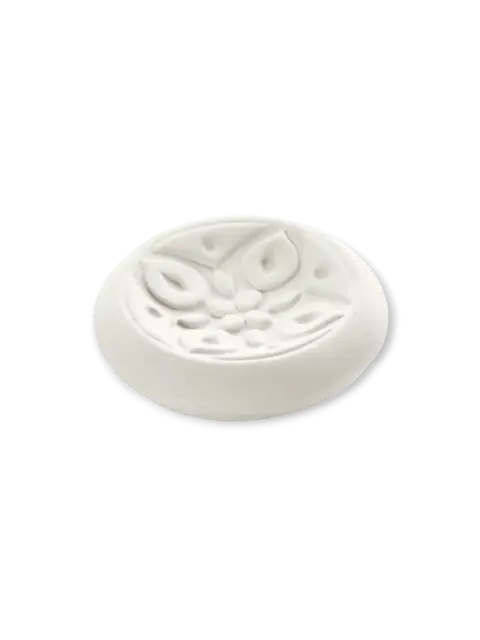
Passive diffusion is another subtle and safer method that we recommend for children over 6 years old, as it can be used during study, for more energy, concentration or motivation. What is passive diffusion – when essential oils evaporate on their own and slightly scent the air until the aroma is completely dispersed. For this purpose, a special stone is used on which the essential oil is dripped. The aroma is released without ultrasound, fan or heating. Passive diffusion is subtle and is ideal for scenting small spaces – on a desk or bedside table. We offer such types of stones in different sizes at MaKaSa from the Primavera Life brand.
Local (topical) application
Another way to apply essential oils to children is by diluting them in a carrier oil/vegetable oil and massaging them onto the skin. Of course, following the dilution percentages in the table above. Synergies designed to ease breathing or a mild cough can be diluted in fractionated coconut oil or another base – for example, shea butter, apricot kernel oil or sweet almond oil. Massage the child’s chest with light circular movements. For a mild runny nose, you can apply a little of the mixture under the nose.
It is very important to say here that essential oils should not be used to treat various medical conditions! They can help and alleviate the child's general malaise, but in no case, especially in current times, should you treat the symptoms only with them! In case of respiratory problems, please consult your GP first! Do not experiment, do not trust misleading marketing tricks on the internet.
Application via Aroma Roll-on
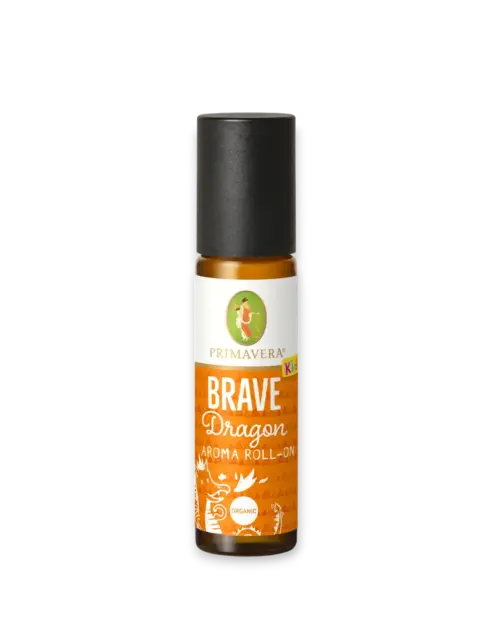
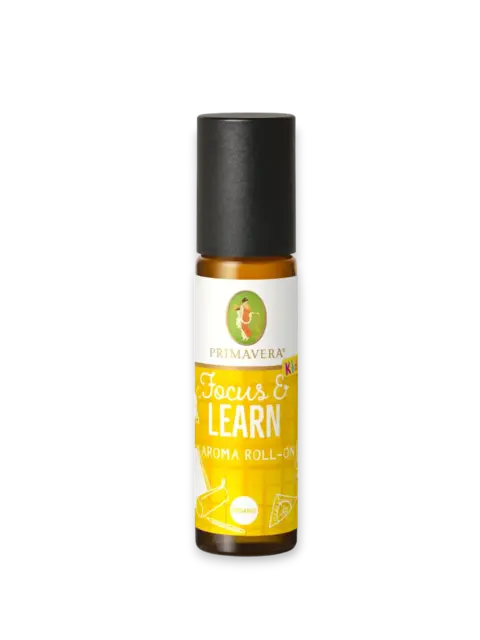
Roll-ons are ready-made mixtures and synergies, in which most often essential oils are diluted in a base oil or other type of emulsifier obtained from a natural source. They can be applied to the pulse points of the child's body on the temples, wrists, neck, and feet. They are also extremely suitable for teenagers. They can also be used for children over 3 years of age, when you prefer not to risk mixtures made at home. Roll-on aroma blends for children, see the MaKaSa online store.
Are there any oils we should avoid?
You should be aware that some essential oils should either be avoided or used in highly diluted form (0.1 to 0,2%), but ONLY under the guidance of an experienced and certified aromatherapist or clinical aromatherapist. There are also several ingredients that you should avoid using on children under the age of 6. Here is a short list:
- Oils high in menthol or 1,8-cineole (such as peppermint, rosemary, eucalyptus) should be avoided as they can cause breathing problems in young children. Although this rarely happens, please be careful when using them.
- Birch and wintergreen oil due to the possibility of the development of Reye's syndrome Reye syndrome. Wintergreen oil should be avoided if aspirin or other blood thinners are taken. Do not use at all during or soon after a viral fever. The oil should not be applied to children under 12 years of age. Do not use if pregnant or breastfeeding.[2]
Oils that cause high sensitivity, allergic reactions and which we do not recommend to be used alone without being very highly diluted with a base oil.
- Bay leaf (Pimenta racemosa), Cinnamon bark or leaves (Cinnamomum zeylanicum*), Clove (Syzygium aromaticum), Lemon grass (Cymbopogon citratus), Citronella (Cymbopogon nardus). Cumin (Cuminum cyminum), Lemon verbena (Lippia citriodora), Oregano (Origanum vulgare), Thyme (Thymus vulgaris) with thymol chemotype.[3]
These oils cause unpleasant skin sensitivity, even for us adults. These are the so-called "hot oils", use them on yourself too diluted.
General safety considerations
Again, we remind you that essential oils are highly concentrated, volatile plant extracts and should be used judiciously and carefully. Keep essential oils out of the reach of small children and never let them play with the bottles. There is a risk that the child will open the bottle and drink the contents, which is very dangerous. In this case, immediate medical attention is required. Although the end result is rarely fatal, many such cases are observed worldwide each year. To prevent such incidents, all essential oils should be very well sealed and, as already mentioned, stored out of the reach of children!
Aroma roll-on for children Brave Kids Primavera
Conclusion
The focus and goal at MaKaSa has always been on our customers' satisfaction and the safety of using essential oils. We are parents too! The information in this article is for educational purposes only, we have obtained it only from reliable and trustworthy sources such as the National Holistic Aromatherapy Association (NAHA) of the USA and others.
Our customers are satisfied customers because selling a product is not an end in itself and we are always available for advice and assistance. We also do not compromise on the quality of the essential oils we offer, especially the lines that are specially formulated for children. These oils are gentler, but at the same time effective.
We strive to provide variety so that you can make the best choice for your family's health. If you have any questions, we will be happy to answer them, send your inquiries to info@makasa.org
More interesting articles from the blog
- How to use essential oils safely?
- How to safely store essential oils?
- Essential oils for cough and runny nose
- Aromatherapy for cold weather
- Essential oils for restful sleep
Categories
- Aromatherapy
- Essential oils
- Carrier oils
- Diffusion methods
- Natural cosmetics
- Recipes with essential oils
- News
Sources:
[1] https://tisserandinstitute.org/safety-guidelines/
[2] https://blog.planttherapy.com/blog/2018/11/02/infants-and-toddlers/
[3] https://naha.org/explore-aromatherapy/safety
Translated and written by: Kremena Petrova, SCISSORS
Photos: Depositphotos, Primavera Life, Plant Therapy, all rights reserved
9.90 €Add to cart
9.90 €Add to cart
79.90 €Add to cart
6.90 €Add to cart
14.90 €Add to cart
10.90 €Add to cart
10.90 €Add to cart
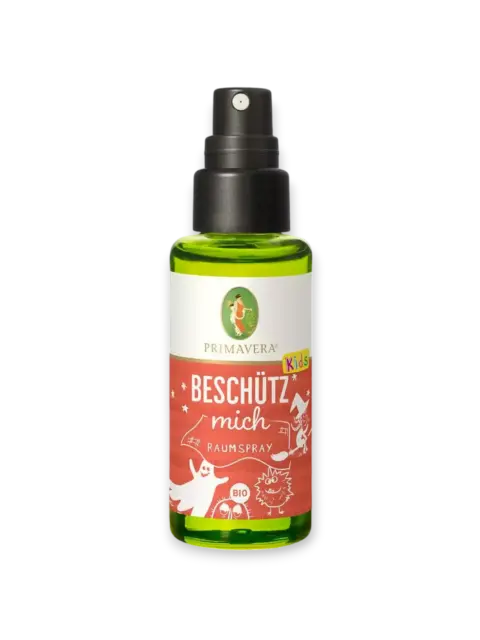
14.90 €Add to cart
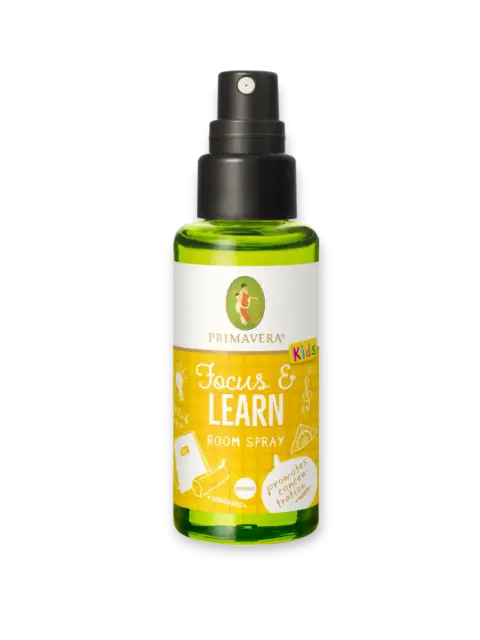
14.90 €Add to cart
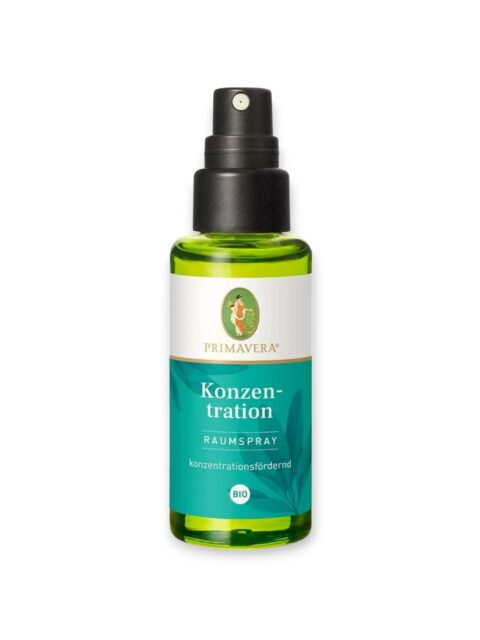
14.90 €Add to cart