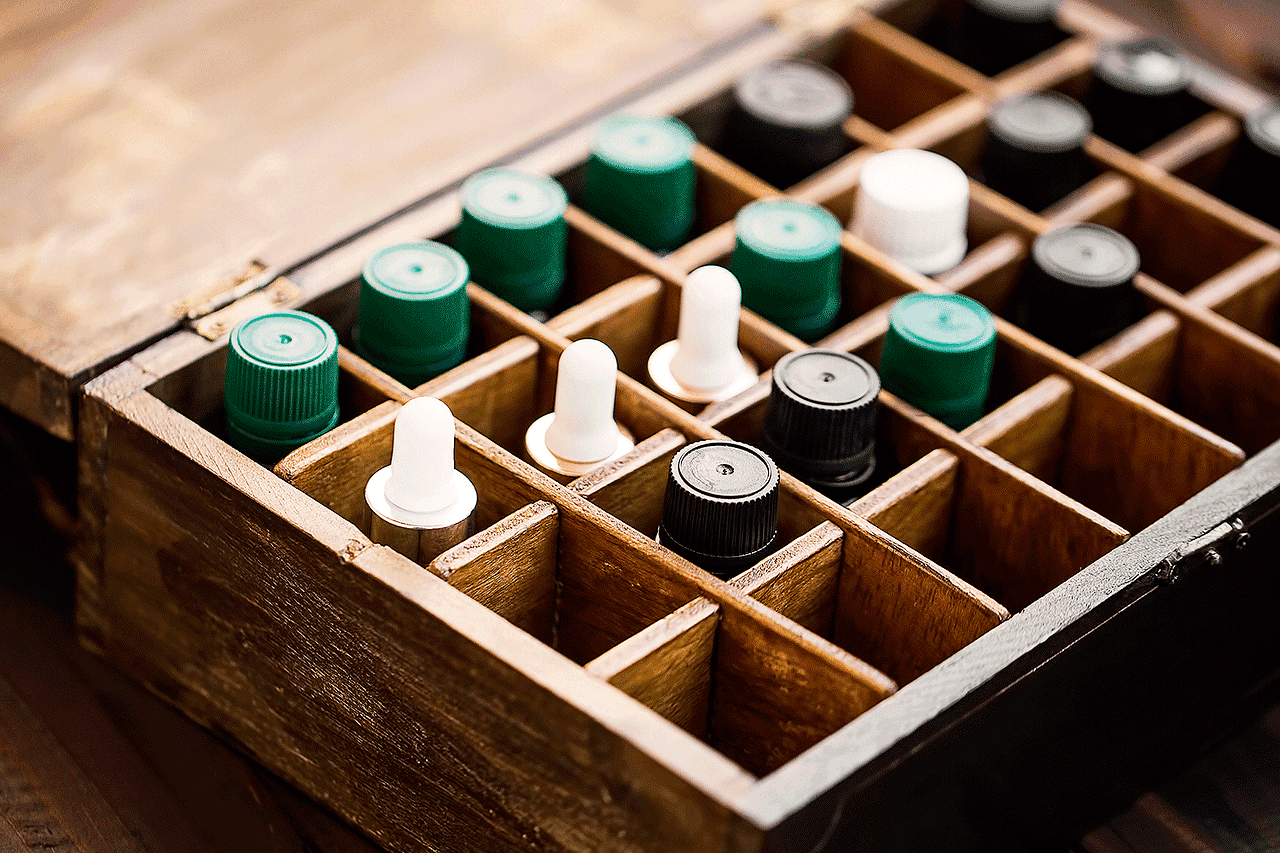
We all love essential oils and aromatherapy, the fragrance and peace that natural scents bring us. But do we know how to properly store our aromatherapy collection? The shelf life, quality, beneficial properties and safe use of essential oils largely depend on how they are stored.
By choosing the right container and the right temperature, the essential oil can last as long as possible (from about one year). In some cases, depending on the type of oil itself and storage conditions, the shelf life can reach ten years or more.
In this article, we will take a detailed look at the proper ways to store essential oils and what the risks are if you use expired oil.
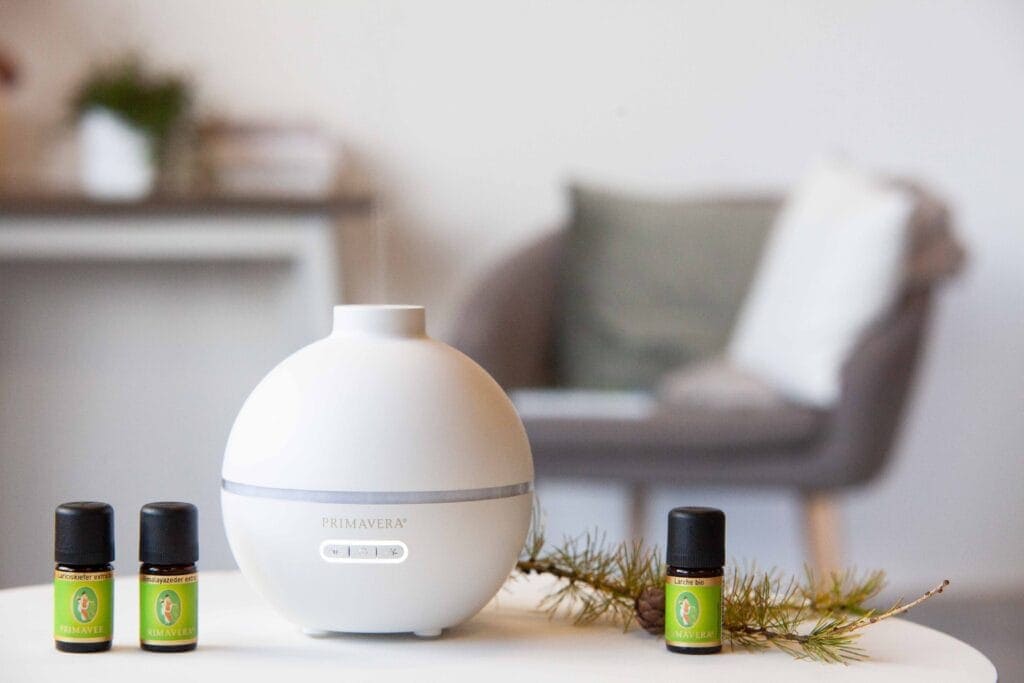
Why it's important to store essential oils safely
Every single essential oil, after a certain time, becomes unusable, but proper storage can extend its life. The quality of the oil begins to gradually decrease with the oxidation process, thus losing its aroma as well as its benefits. The good news is that some oils have a longer shelf life than others.
For example, essential oils with earthy or woody aromas, such as patchouli and sandalwood , are much longer-lasting and their aroma may even intensify over time. The length of an oil's "life" can vary greatly depending on the quality of the source and harvest, the extraction method and conditions under which the oil is distilled, the batch, storage, and processing of the oil.
The way the supplier bottles, stores and handles the oil is also an important factor. On the other hand, citrus essential oils are known to oxidize more quickly than any other. They lose their aromas and benefits six months after opening.
How can you tell if your oil has lost its properties?
There are four main ways to know if an essential oil is no longer usable:
- Its aroma has become stronger and possibly unpleasant, or it has weakened, depending on the oil.
- The color of the oil has changed, becoming darker, lighter, or even colorless, depending on the oil.
- It looks cloudy.
- The consistency has changed and thickened.
In some cases, it is possible that the oxidized essential oil does not show the signs listed above, but is no longer usable. For this reason, it is strongly recommended that all oils be properly stored, handled and used before the manufacturer's stated expiration date.
How long can you store already opened essential oils?
Every essential oil manufacturer is required to put a symbol or indication of the expiration date on their products after they are opened. This will give you a guideline for how long you can use the oil.
Can you store essential oils in the refrigerator?
Yes, essential oils can be stored in the refrigerator, especially if you use the oils infrequently, such as a few times a year.
Is it safe to store essential oils in a freezer?
Yes, essential oils can be stored in the freezer. Keep in mind, however, that essential oils do not like temperature drops. It is a good idea to avoid frequent freeze-thaw cycles, as well as other sudden changes in temperature. If they do freeze or form crystals, you need to leave them at room temperature for a while before using them. The time required for “thawing” depends on the oil and can vary from minutes to several hours. Some crystallized oils are likely to start to liquefy if you hold the bottle in your hand, while others may need more time. We recommend placing them in a bowl of warm, but not hot, water.
Whichever method you choose, first make sure the bottle cap is tightly closed and the oil is not completely full. Otherwise, when you take the oil out of the freezer and warm it up, pressure will build up in the bottle and when the cap is removed, the oil may spray everywhere.
Places where it is unsafe to store essential oils
Do not store essential oils in hot, bright, or humid areas, such as in the bathroom, near a stove, on a windowsill, or in areas exposed to direct sunlight. Places with constantly changing room temperatures, which can deteriorate the quality of the oil, are not recommended.
What factors affect the shelf life and qualities of oil?
- Heat – Due to their flammability, essential oils should never be kept near open flames or sources of heat or fire, such as sunlight, candles, and stoves. If you store them in rooms with high temperatures, there is a chance that they will reach their flash points, which are individual for each oil. Frequent exposure to heat will deteriorate the quality of the oil very quickly.
- Oxygen – When oils are exposed to more oxygen, they oxidize and their ingredients begin to evaporate, meaning their fragrances – among other qualities – disappear. This is largely due to leaving the cap on the oil bottle open for an extended period of time. To prevent or slow down the oxidation and evaporation processes, it is important to keep the bottles tightly closed when essential oils are not in use. Oxidized oils are not recommended for topical use or aromatherapy.
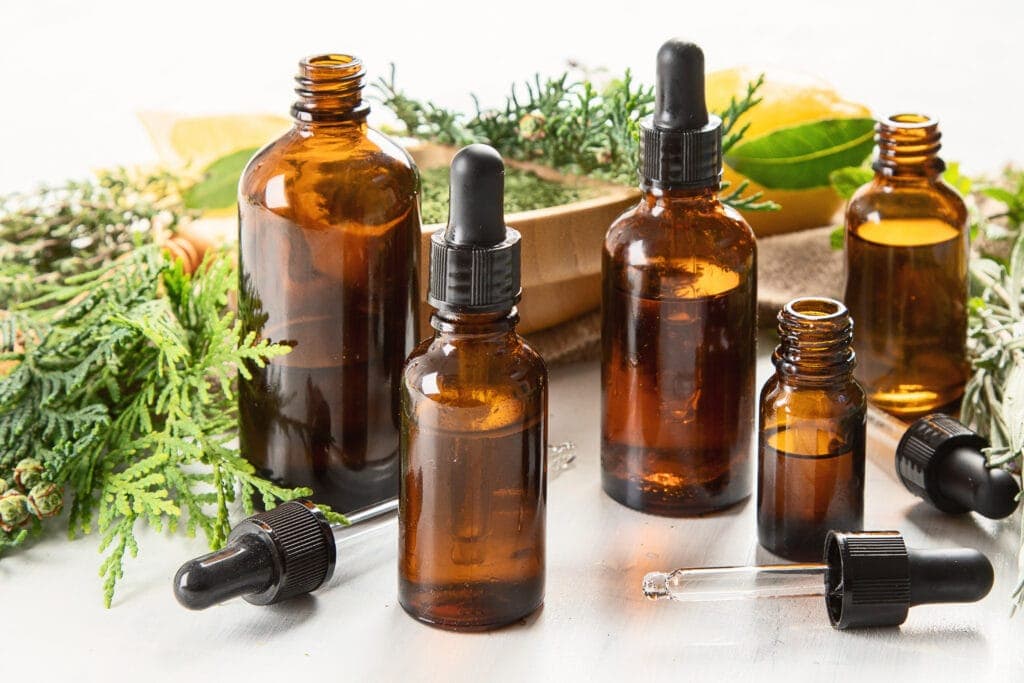
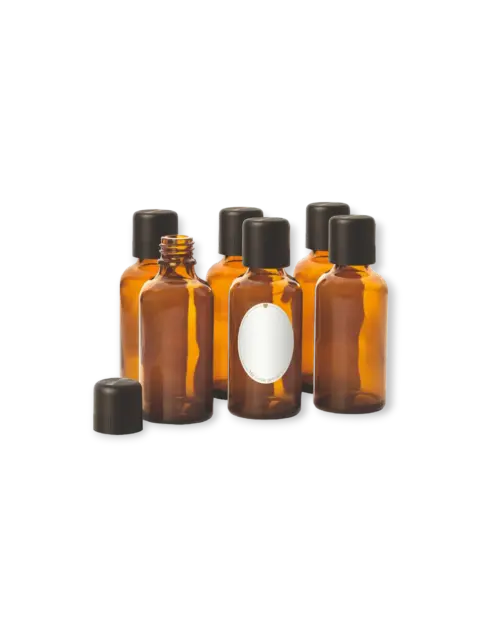
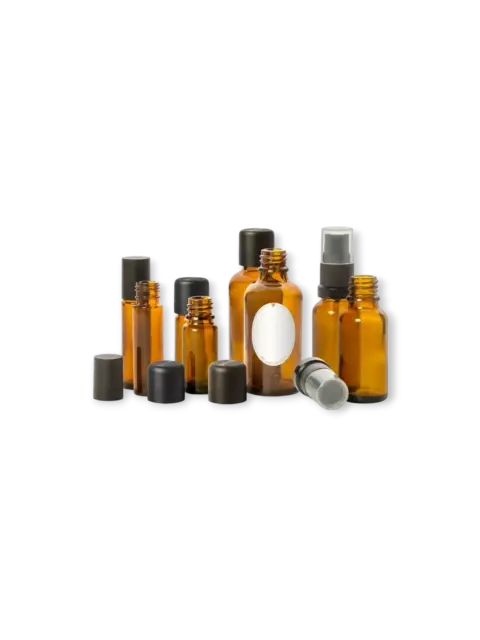
- Light – When essential oils are stored in areas exposed to direct sunlight, their properties can diminish, including: aromas, appearance, and overall effectiveness. For this reason, quality essential oils are sold and stored in dark bottles (most often amber, but dark blue, green, purple, and black bottles are also common) to prevent UV rays from penetrating the bottle. Despite the dark color, it is still best to avoid placing oils in direct sunlight, as periodic heating and cooling will facilitate the oxidation of the oils.
- moisture – Moisture can get into oil bottles when you leave them without a cap for an extended period of time. In this case, the oils become cloudy.
Can we store essential oils in:
- Clear glass bottles? - Rather not. Although clear/colorless glass bottles will not cause damage to the essential oils, they also will not prevent UV rays from passing through which will affect the quality of the oil. Darker colored bottles (such as amber bottles) are recommended instead.
- Aluminum bottles? - Yes, and no. Aluminum bottles are suitable for storage if their interior is coated with a special epoxy coating.
They are a safe method of transporting essential oil and are ideal for short-term storage. - Metal or stainless containers? - Yes, we can. Stainless steel is an ideal material for storing essential oils, as well as for mixing them when working with natural recipes. Avoid plastic or wooden materials when working with essential oil blends.
- Plastic bottles - No way! – Storing essential oils in plastic bottles causes leaching and the petrochemicals in the material can react negatively with the essential oils.
Plastic is also known to absorb essential oils, which presents a challenge when cleaning the bottles.
Storing essential oils while traveling
To properly and safely store essential oils when you need to travel, you can use special cases that will protect the oils, keeping them healthy.
What are the dangers of using expired essential oils?
Remember that spoiled essential oils are harmful and their use can harm human health. They are believed to cause some skin damage, irritation, redness, rashes, inflammation, and burning, among various other potentially unpleasant results.
Adverse effects of essential oils
- You must use essential oils for their intended purpose! The packaging indicates whether they are for external use only.
- It is imperative to consult a doctor before using these oils for therapeutic purposes. Pregnant and breastfeeding women should not use essential oils without consulting a specialist, as they may have an effect on certain hormonal secretions and it is unclear whether this effect can be transferred to babies at different stages of development.
- Always store essential oils out of reach of children. children, especially under the age of 7.
- It is recommended to consult a doctor before using essential oils if you have any of the following diseases: cancer, heart disease, skin diseases or allergies, hormonal disorders or epilepsy. People who take prescription drugs, have undergone major surgery, or are at greater risk of strokes, heart attacks, or atherosclerosis should also seek medical advice before use.
Before using any essential oil, it is advisable to do a skin sensitivity test. How to do this? Dilute 1 drop of essential oil with 1/2 tsp. cream or other carrier oil you are using and apply a very small amount of this mixture to a non-sensitive area of skin. Essential oils should never be used or applied near the eyes, inside the nose and ears, or on other particularly sensitive areas of the skin. Potential side effects of essential oils include: redness, rash, burning, blood vessel disorders, low blood pressure, dizziness, headache, nausea, diarrhea, and rapid heartbeat.
In the event of an allergic reaction, discontinue use of the products and immediately see a physician, pharmacist, or allergist for a health evaluation and appropriate follow-up treatment. To prevent adverse reactions, consult a medical professional before using an essential oil.
Conclusion
The information in this article is for educational purposes only and is not intended to serve as a basis for prevention or treatment! The International Federation of Aromatherapists does not recommend that essential oils be taken internally unless the application is under the supervision of a physician qualified in clinical aromatherapy! For more on safe use, see How to Use Essential Oils Safely.
More interesting articles from the blog
- How to use essential oils safely
- How to use essential oils on children
- Phototoxicity and safety of essential oils
- Blending essential oils - theory and practice
- Aromatherapy – uses and benefits
Categories
- Aromatherapy
- Essential oils
- Carrier oils
- Diffusion methods
- Natural cosmetics
- Recipes with essential oils
- News
Sources: newdirectionsaromatics.com
Translation: Nadezhda Georgieva
Photos: Depositphotos, all rights reserved.
 Discount: -20%
Original price was: €10.90.8.72 €The current price is: €8.72.Add to cart
 Discount: -20%
Original price was: €10.90.8.72 €The current price is: €8.72.Add to cart
 Discount: -20%
Original price was: €14.93.11.94 €The current price is: €11.94.Add to cart
 Discount: -20%
Original price was: €9.90.7.92 €The current price is: €7.92.Add to cart
 Discount: -20%
Original price was: €19.90.15.92 €The current price is: €15.92.Add to cart
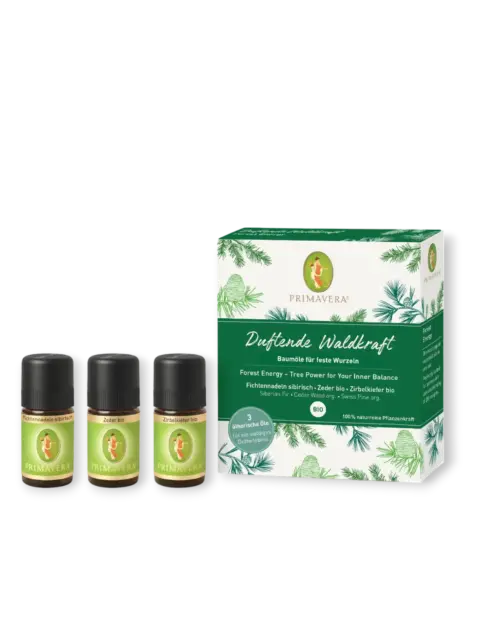 Discount: -20%
Original price was: €18.90.15.12 €The current price is: €15.12.Add to cart
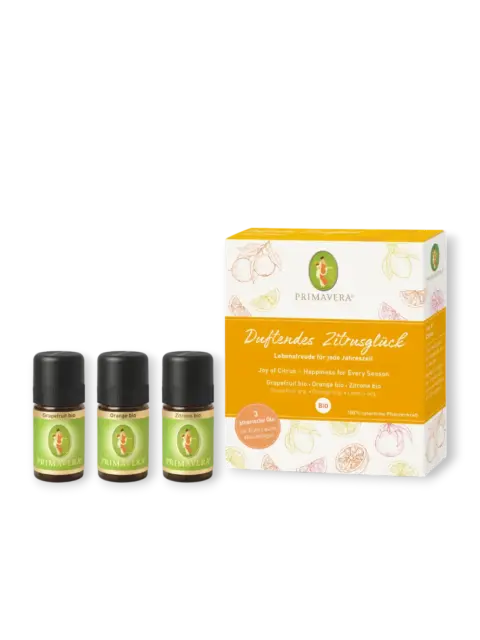 Discount: -20%
Original price was: €18.50.14.80 €The current price is: €14.80.Add to cart
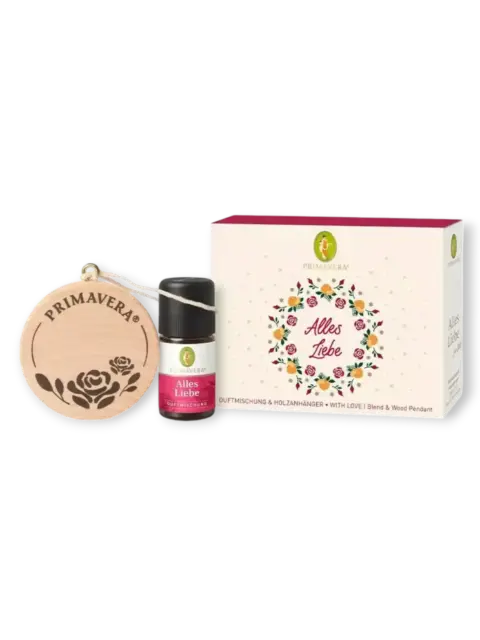 Discount: -20%
Original price was: €9.90.7.92 €The current price is: €7.92.Add to cart