It is not entirely safe for us, and that is why our personal choice is not to use products containing octocrylene.
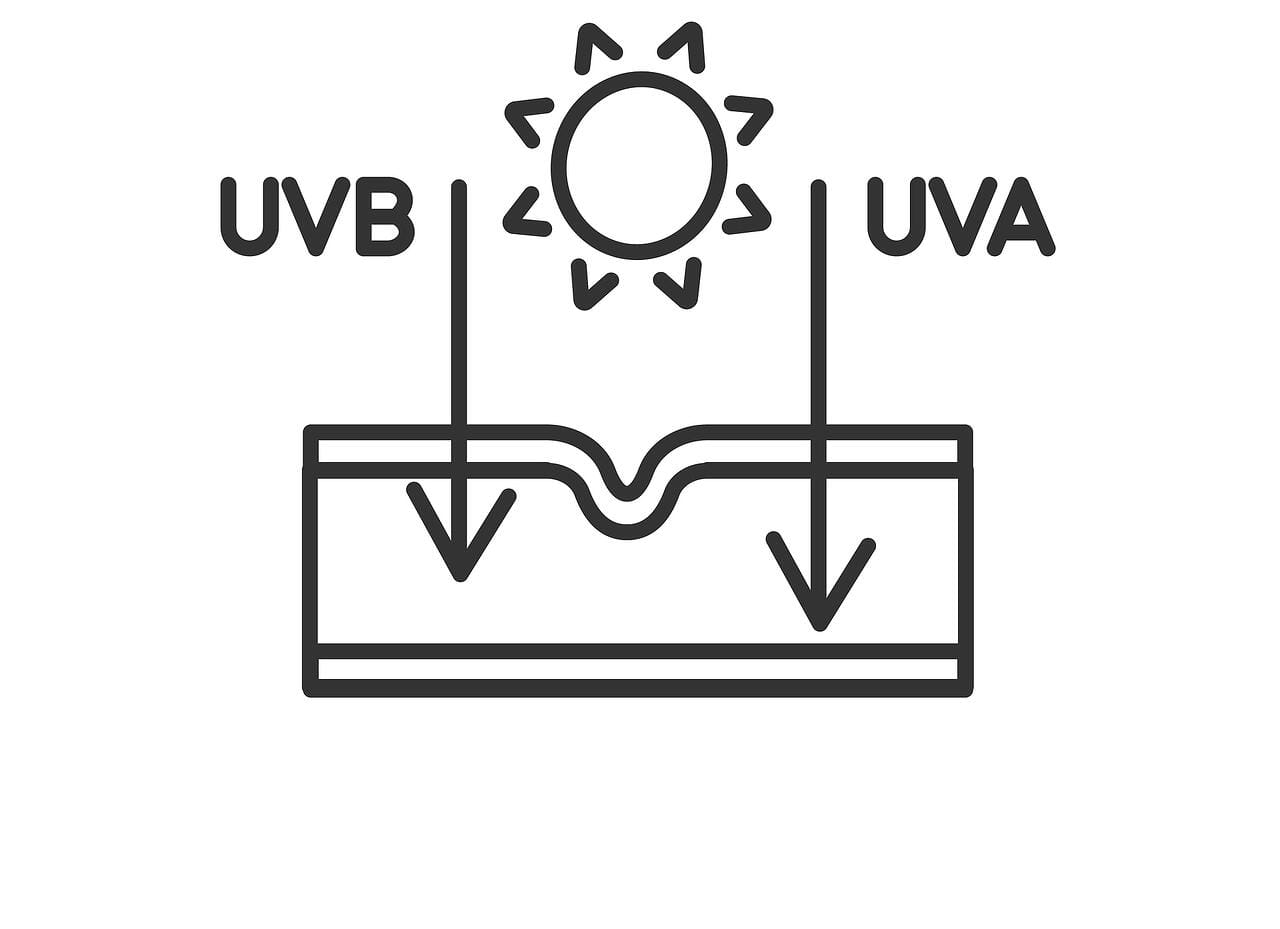
Octocrylene is easily absorbed by the skin and accumulates in the body. It absorbs UVB (above the surface) and some short UVA rays (deeper in the skin) and produces free radicals that can damage cells and cause DNA mutations.
It is an ingredient used primarily in sunscreen products , as it is also used as a preservative and offers some skin-moisturizing properties, as well as an emulsifier in sunscreen lotion.
Octocrylene is often combined with avobenzone because it acts as a stabilizer and allows sunscreens to be water resistant.
As of November 2020 The FDA and the EU Cosmetics Regulation consider octocrylene to be safe at a concentration of up to 10% as an active ingredient in chemical sunscreens. However, it has been linked to allergic reactions in people with sensitive skin, and we wouldn't use it on our children's skin.
To cover the entire UV spectrum, it must partner with other chemical ingredients. It is often combined with avobenzone because avobenzone covers the rest of the UVA spectrum well.
Is octocrylene safe for humans?
Studies have shown that octocrylene passes through the skin, enters the bloodstream, is metabolized, and ultimately excreted in the urine as metabolites.
“Octocrylene breaks down naturally to the chemical benzophenone in over a dozen popular products. Both octocrylene and benzophenone are readily absorbed into the skin.” ( source )
We know that octocrylene accumulates in the body. The chemical absorbs UVB and some UVA rays and produces free radicals that can damage cells and cause DNA mutations.
There is evidence that octocrylene is responsible for reproductive toxicity, although the trials used doses higher than those that would be used in cosmetics. We recommend that pregnant women avoid this chemical in sunscreens and all skin care products.
All MAKASA sunscreens and skin care products are octocrylene free.
Is octocrylene safe for marine organisms and reefs?
Rapidly biodegradable and then bioaccumulative, octocrylene has also been found in fish. Octocrylene has been shown to accumulate in corals as fatty acid conjugates and induce mitochondrial dysfunction ( source ). Further studies are needed to determine the overall environmental impact of marine life.
Oceanographers have found that petrochemicals harm the marine environment and reefs by increasing the rate of coral bleaching. In 2018 the country of Palau bans the sale and use of three UV filters, including Octocryl. And in 2019 the US island of Virginia also bans the sale and use of oxybenzone, octinoxate, and octocrylene.
Various other coastal areas around the world (Hawaii is the first jurisdiction in the US to do so) have begun banning two chemicals found in common sunscreens (oxybenzone and octinoxate).
What steps to take
1. Know the ingredients – Turn over your sunscreen and read the ingredients. We want everyone to know what good ingredients are, no matter what products they use. For a guide to choosing natural cosmetics certifications, you can also check out our guide.
2. Shop for safe sunscreens – at MAKASA we strive to only offer products with the healthiest, safest, and most effective ingredients in sunscreens. Shop for safe sunscreens.
3. Teach a Friend – If you know someone who is still buying sunscreen with questionable ingredients, please share this post with him/her.
4. What we would not like to have in the sun protection we use:
- Petrochemicals
- Synthetic fragrances
- Parabens
- Nanoparticles
- Oxybenzone
- Octinoxate
- Octisalate
- Octocrylene
- Homosalat
- Avobenzone
Conclusion
Octocrylene is a widely used UV filter, but our personal preference remains products without this ingredient – both because of the potential effects on humans and the impact on the marine environment. Choose sunscreen with a clean formula and share the knowledge with your loved ones.
More interesting articles from the blog
- Certificates for natural cosmetics and essential oils
- Vitamin C serum – why should we add it to our daily routine?
- Bakuchiol – the natural alternative to retinol
- Niacinamide: 10 Skin Benefits
- Skin care as self-care
Categories
- Aromatherapy
- Essential oils
- Carrier oils
- Diffusion methods
- Natural cosmetics
- Recipes with essential oils
- News

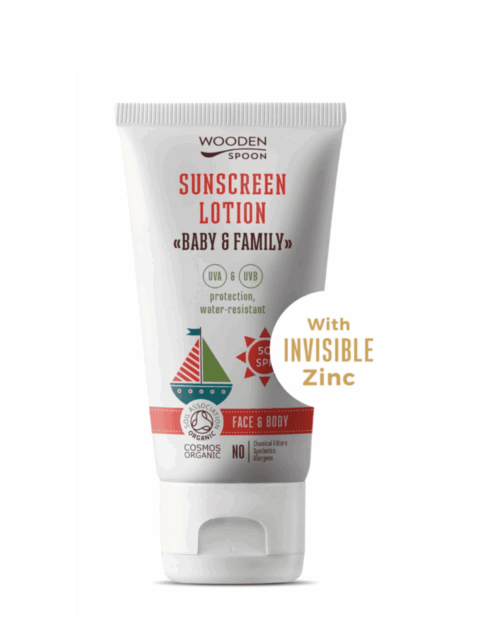
Price range: €13.75 through €22.95Options This product has multiple variants. The options may be chosen on the product page
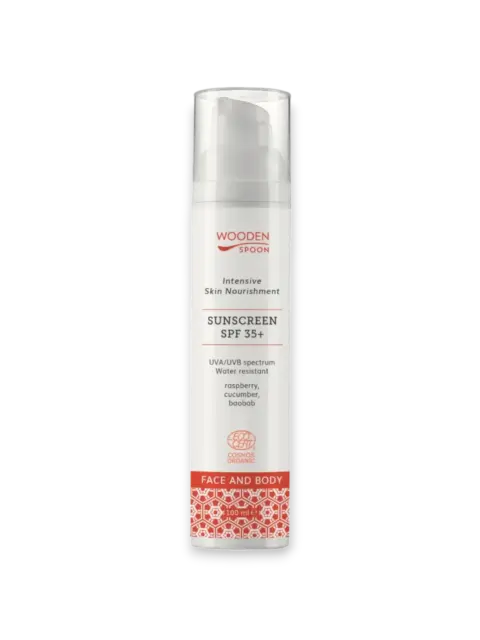
Price range: €12.75 through €17.85Options This product has multiple variants. The options may be chosen on the product page
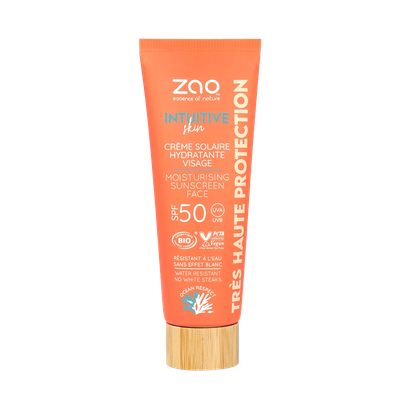
24.95 €Add to cart
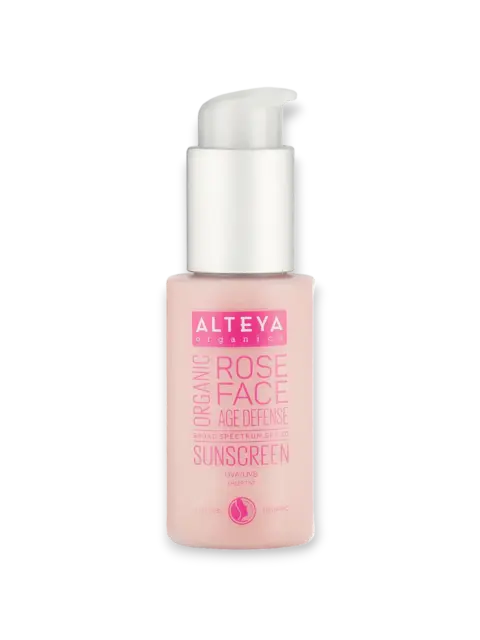
16.95 €Add to cart
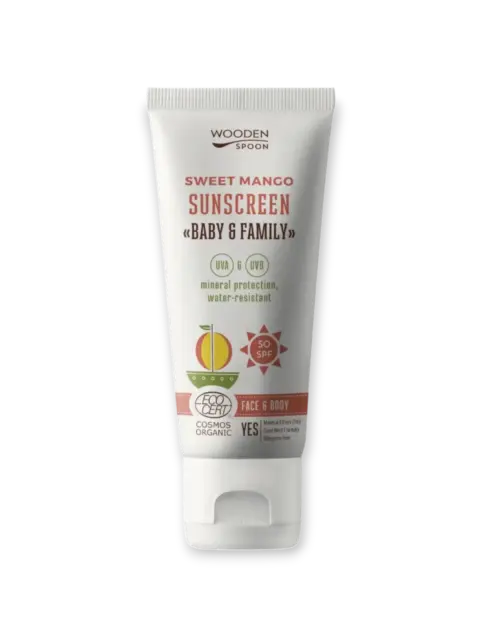
19.40 €Add to cart
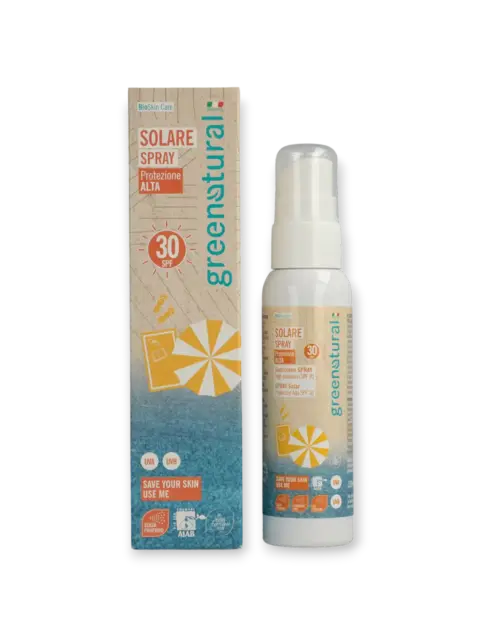
19.90 €Add to cart
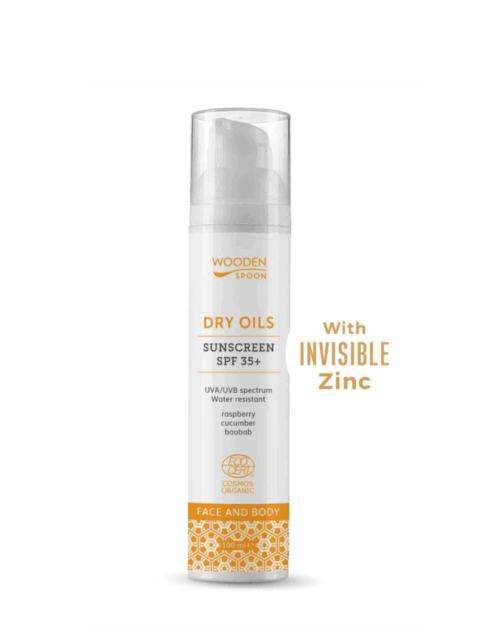
17.85 €Add to cart


