Essential oils and aromatherapy are becoming increasingly popular these days . With knowledge of safe use at home, they can significantly improve our overall well-being and positively impact our lifestyle. However, there is often a lot of misinformation about their benefits and proper use.
In this article we will look at the 3 biggest misconceptions about essential oils and listen to the expert opinion of the professional aromatherapists at PRIMAVERA.
“The fact that confusing or even false information is being spread, especially on the internet, shows how important it is to provide clarification and scientifically based information,” says aromatherapy expert Anusati Tum. The internationally recognized aromatherapy expert and PRIMAVERA seminar director looks at the most common misconceptions to help us, the average consumer, clear up these misconceptions.
Myth 1: Essential oils can “heal”
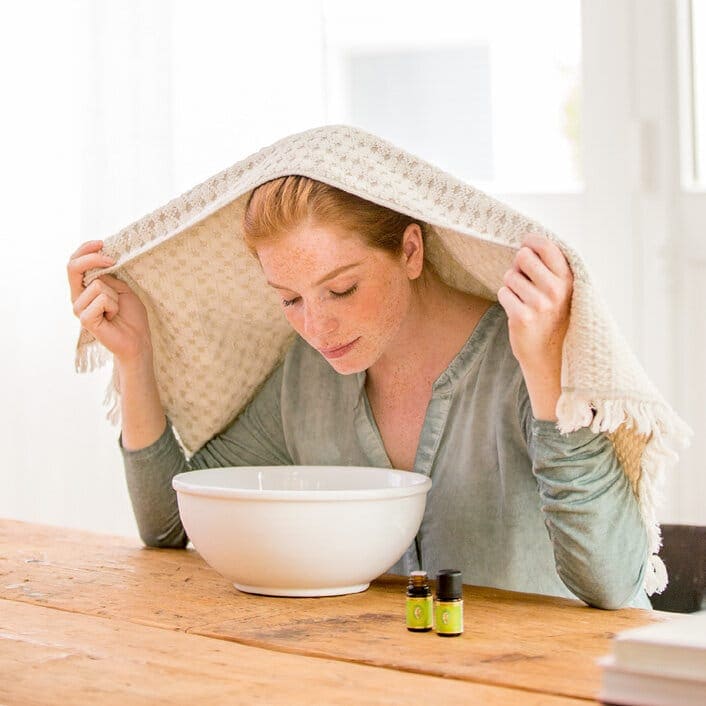
"Essential oils are made up of complex chemical, organic compounds. Their impact on our organism is very diverse.
"Essential oils can really do a lot for our bodies. However, anyone who gives the impression that medically treatable conditions can be cured with these oils cannot be taken seriously and is ignoring scientifically based knowledge," says Anusati Tum.
Many essential oils have not been extensively studied for their overall effects on our bodies, so it is incorrect to claim that essential oils can heal. Yes, they can help us with certain ailments, pains, colds, relieve certain conditions, etc., but in no case should we rely only on their application when we do not feel well.
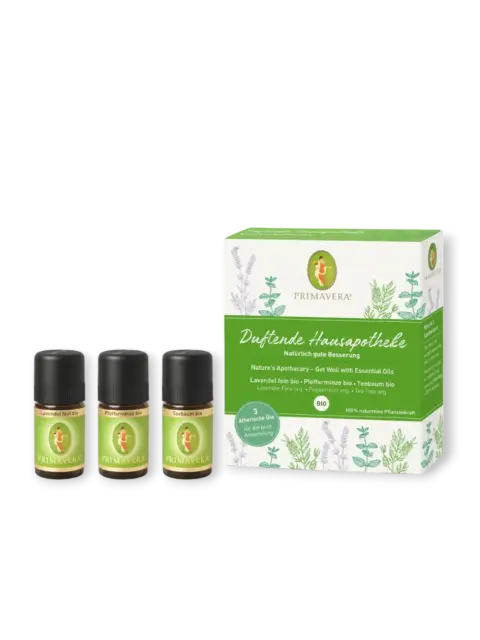
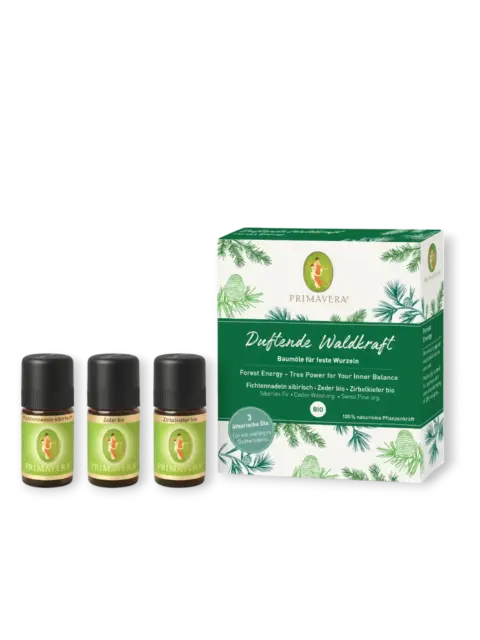
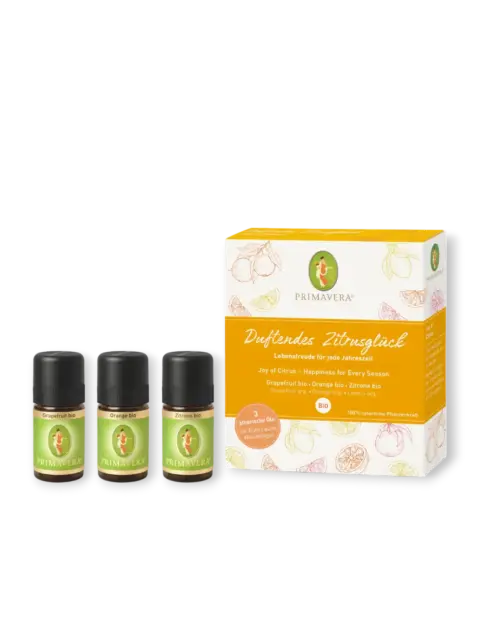
Wood oils can ease breathing and provide a more restful and relaxing sleep. Lavender oil helps relieve stress or trouble falling asleep. Orange essential oil can relieve anxiety and tension and improve the ability to concentrate.
Other oils, such as oregano or ravintsara essential oil , are very effective when it comes to reducing the number of microbes in the air, having a balancing effect, or improving the overall well-being of the body. We know that essential oils always have an impact on our body both physically and emotionally on our mind and soul.
Additionally, combining essential oils with beneficial carrier oils allows for the creation of aromatic and intensely nourishing blends for treating the body. In the case of fever, colds, muscle and joint pain, as well as abdominal discomfort, compresses or ointments can provide relief.
It is important to follow the rule that when you do not feel well, first contact your doctor or pediatrician.
Myth 2: Essential oils are “healthy” – no matter how you use them
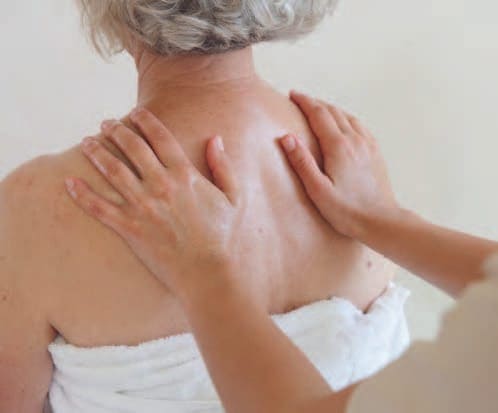
This statement is also not true. Essential oils are highly concentrated active plant ingredients that should be used with care. Many of them cause skin and mucous membrane irritation. Therefore, with few exceptions, they should not be used in their pure form and should not come into contact with the eyes or mucous membranes.
Essential oils should never be applied to open wounds unless specifically prescribed by an experienced aromatherapy practitioner. For skin care, essential oils must be diluted with an organic carrier oil.
It is important to mention that ingesting essential oils is also not recommended. The exception is essential oils that are declared as food products or additives and are therefore suitable for seasoning/flavoring foods. They have passed the relevant institutions, as well as the regulations of the European Union, where their safety for use has been studied.
The EU declaration requirement for designated products requires manufacturers to specify a specific type of use and this must be clearly indicated on the label.
Essential oils are usually declared as cosmetics for use on the skin or as room fragrance goods. In both cases, oral intake is not foreseen.
High-quality suppliers clearly state this important information, which is printed on the product label.
You can read more about the safe use of essential oils in our article How to Use Essential Oils Safely.
Myth 3: Essential oils are always pure natural products
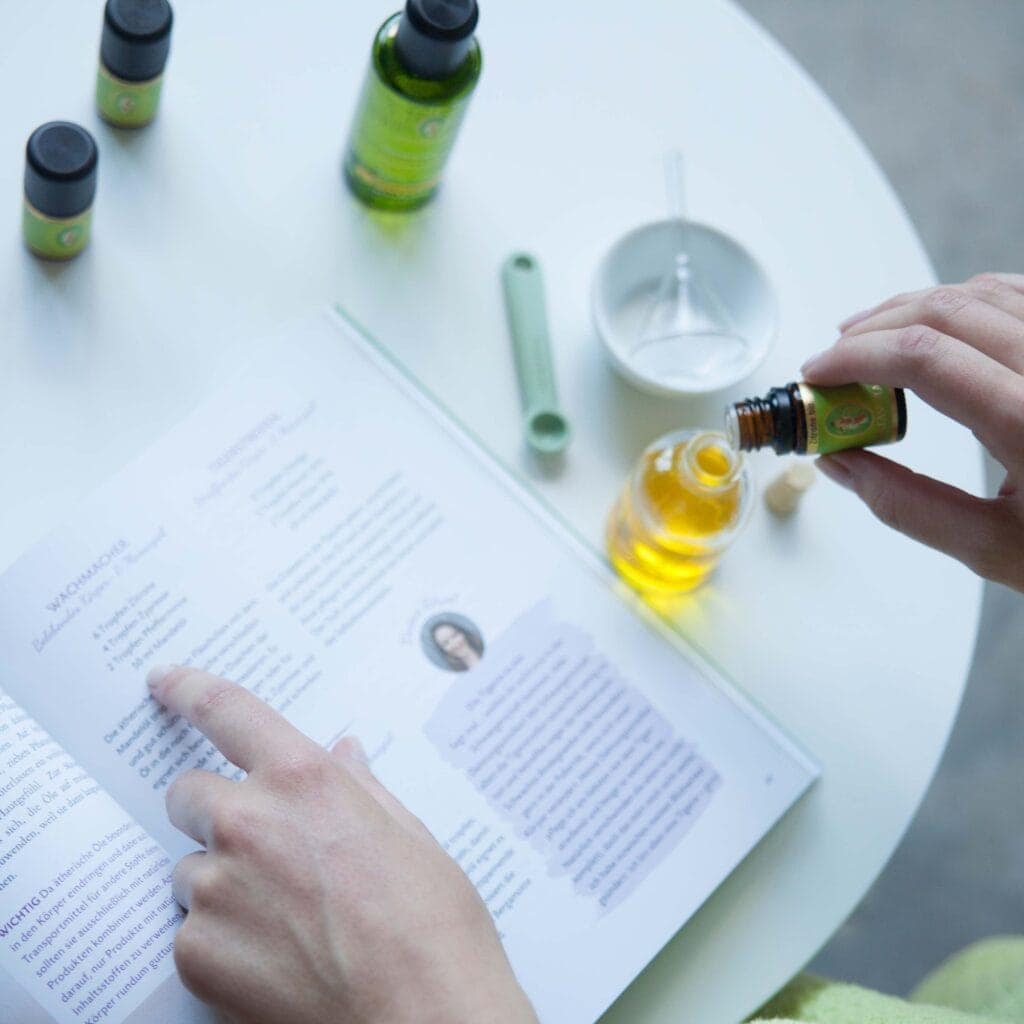
Unfortunately, this is not the case either. High-quality pure oils are extracted only directly from the leaves, flowers, seeds, fruits, branches and roots of the plant from which they originate, and are not diluted. Fluctuations in organic constituents, which depend on the type of soil, climate and weather conditions during the growing and harvesting period, as well as the genus of the plant, are not altered in high-quality essential oils.
Therefore, 100 percent pure essential oils do not contain any biotechnologically produced fragrances that can legally be labeled as "natural."
Therefore, when buying these products, you should check that the essential oil does not contain synthetic or "nature-identical" additives, but that it is completely natural and preferably from certified organic farming.
The reason: Synthetic, in other words artificially produced fragrances, do not contain any information of plant origin. Even today, no laboratory has been able to "recreate" pure essential oils, since they often contain several hundred substances and are therefore labeled as multicomponent mixtures.
In addition to the pure essential oils described above, there are also so-called standardized essential oils. According to the pharmacopoeia (DAB, AUB - German, Austrian) these are standardized oils that must meet the pharmacopoeia standards of the respective country in terms of quantities and density of content.
These specifications ensure that the essential oil will always be consistent in its ingredients and physical properties.
If the natural essential oil does not meet these standards, naturally identical or isolated ingredients such as geraniol or menthol are added. But then it is no longer a pure and natural product!
Conclusion
Essential oils can support well-being, but they are not a substitute for medical treatment, are not safe for all uses, and are not always 100% pure unless the label states otherwise. Use them diluted, follow the label, and consult a doctor if you are sick, pregnant, or using them on children. For more information on proper use, see How to Use Essential Oils Safely.
More interesting articles from the blog
- How to use essential oils safely
- How to safely store essential oils
- Phototoxicity and safety of essential oils
- How to use essential oils on children
- Aromatherapy – uses and benefits
Categories
- Aromatherapy
- Essential oils
- Carrier oils
- Diffusion methods
- Natural cosmetics
- Recipes with essential oils
- News

Ð ~ Ð · Ñ, Ð ¾ Ñ ‡ Ð ½ Ð ¸ Ð º: primaveralife.com – Greatest misconceptions about essential oils
Written by: Kremena Petrova
Photos: Primavera Life, all rights reserved