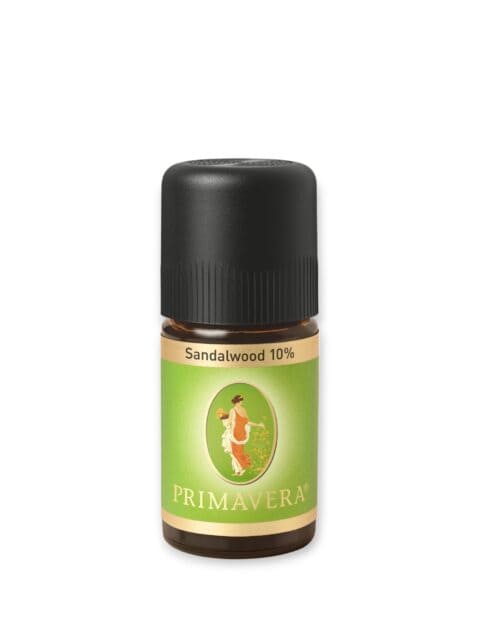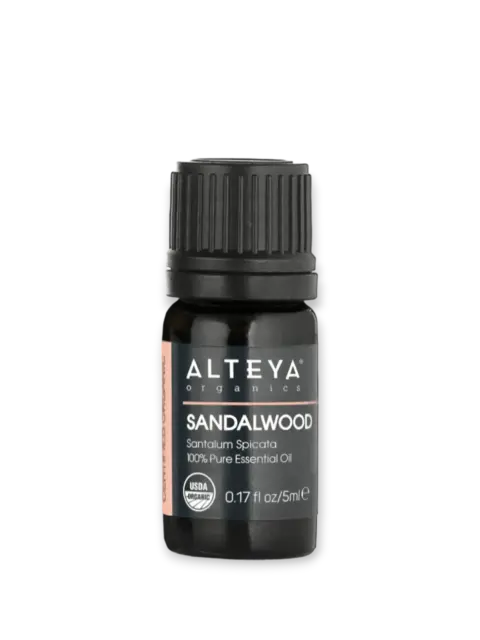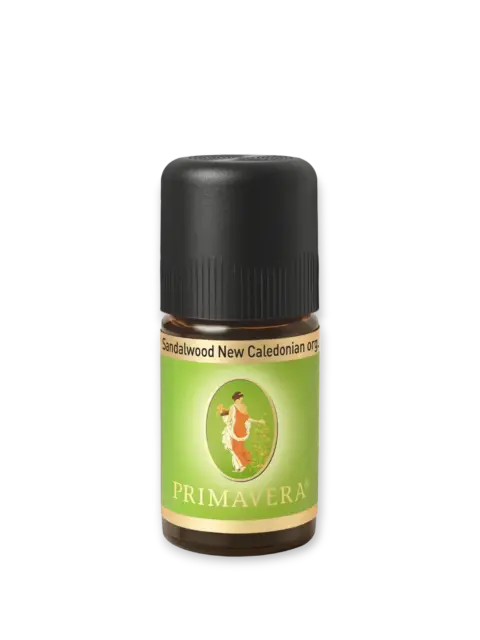
If you love woody and earthy scents that can transport you to a different world, you'll definitely love sandalwood essential oil! This beloved oil is prized not only for its soft, deep, and woody scent, but also for its numerous health benefits.
Do you want to increase your sense of calm and greater mental clarity in your daily life? Many of us are stressed and overwhelmed by the demands of everyday life. Having even a moment of peace and harmony would really help us improve our lives, and sandalwood essential oil can help us.
Sandalwood essential oil helps users achieve greater clarity and calmness thanks to its extensive therapeutic benefits. This special essential oil not only has an incredible aroma, but can have an impact on overall well-being and mental health, along with many other surprising healing properties.
What is Sandalwood Essential Oil?
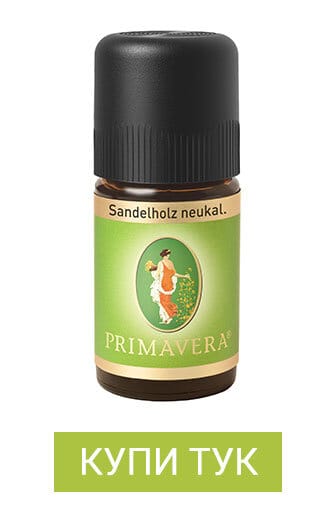
Since ancient times, sandalwood essential oil has been used topically as a therapeutic agent in Ayurvedic and traditional Chinese medicine. Today, some studies show that sandalwood oil has a pronounced bactericidal effect, which acts as a relief for bronchitis and various respiratory spasms. A strong aphrodisiac with a calming effect on the nerves.
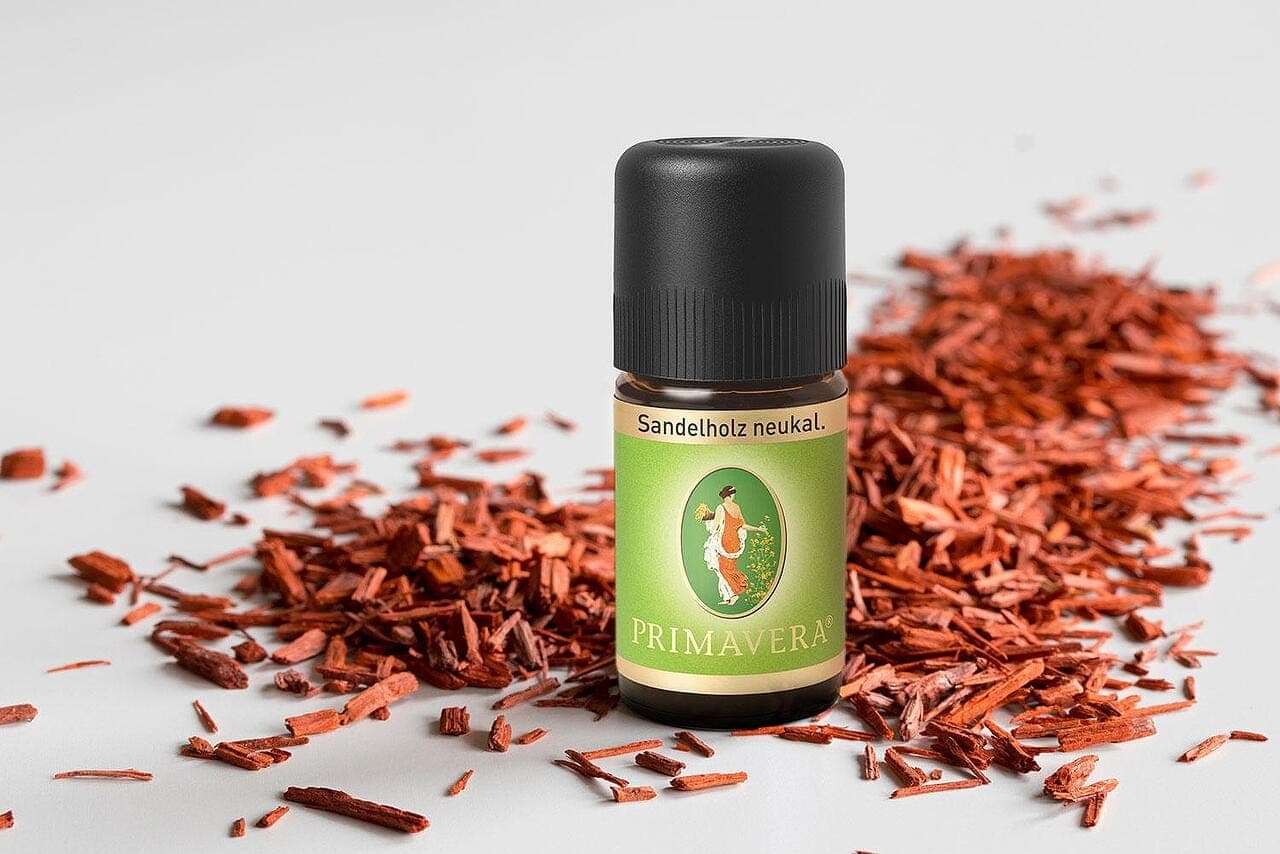
The oil is distilled from the heartwood of trees of the genus Santalum (mainly Santalum album and Santalum spicatum ) and contains over 125 chemically and structurally related compounds. Today, sandalwood oil is produced from specially cultivated trees. Sandalwood is believed to be one of the most expensive wood species in the world. Both the wood and the oil have a characteristic aroma that has been valued for centuries in the perfumery, cosmetic, pharmaceutical and aromatherapy industries.
Benefits of Sandalwood Essential Oil
Mental clarity
One of the main benefits of sandalwood is that it promotes mental clarity when used in aromatherapy or as a perfume. That is why it is often used for meditation, prayer or other spiritual rituals.
A study published in the international journal Planta Medica evaluated the effects of sandalwood oil on attention and concentration levels. Researchers found that the main compound in sandalwood, alpha-santhalol, induced high ratings of focus, concentration, and alertness.
Inhale some sandalwood oil the next time you have an important deadline that requires focus, but still want to stay calm during the process.
Relaxing and calming effect
Along with lavender and chamomile , sandalwood often makes the list of essential oils used in aromatherapy to relieve anxiety, stress, and depression.
A study published in the Journal of Complementary Therapies in Clinical Practice found that patients receiving palliative care felt significantly calmer and less anxious when given sandalwood aromatherapy prior to receiving care, compared to patients who did not receive sandalwood.
A natural aphrodisiac
Practitioners of Ayurvedic medicine traditionally use sandalwood as an aphrodisiac. As a natural substance that can increase sexual desire, sandalwood helps increase libido and can help men with impotence.
To use sandalwood oil as a natural aphrodisiac, try adding a few drops to a massage oil or topical lotion.
Astringent action
Sandalwood oil is a mild astringent, meaning it can cause slight contractions in our soft tissues, such as gums and skin. Many aftershaves and facial toners use sandalwood as one of their main ingredients to soothe, tighten, and cleanse the skin.
If you are looking for an astringent effect from your natural body care products, you can add a few drops of sandalwood oil. Many people also use sandalwood oil to fight acne and dark spots.
Antiviral and antiseptic agent
Sandalwood essential oil is an excellent antiviral agent. It has been found to be useful in preventing the reproduction of common viruses, such as herpes simplex virus type 1 and type 2.
Other uses include reducing inflammation in minor skin irritations, such as superficial wounds, pimples, warts, or boils. Just make sure to always test the oil on a small area before applying it directly to the skin, by first mixing it with a carrier oil.
If you have a sore throat, you can also gargle with a glass of water with a few drops of antiviral sandalwood oil added to it.
Anti-inflammatory agent
Sandalwood is also an anti-inflammatory that can relieve minor inflammation, such as insect bites, contact irritations, or other skin conditions.
2014 study found that active compounds in sandalwood can reduce markers of inflammation in the body called cytokines. These active compounds (santhalols) are thought to work in a similar way to NSAID drugs without considering the potential negative side effects.
Expectorant
Sandalwood essential oil is an excellent expectorant that can be helpful in naturally treating colds and coughs. Add a few drops to a washcloth or towel and inhale to reduce the strength and duration of a cough.
Anti aging
Sandalwood oil is high in antioxidants, which can help reduce the damage caused by free radicals. It is also a natural anti-inflammatory.
Origin and interesting facts
Sandalwood is native to tropical parts of Asia, particularly India, Sri Lanka, Malaysia, Indonesia, and Taiwan. India is a major producer of sandalwood essential oil; the Mysore region exports the highest quality oil, which is distilled in Europe and the United States.
In ancient times, caravans carried the wood from India to Egypt, Greece, and Rome. Many temples were built from such wood, and the Egyptians used the oil in embalming rituals. Sandalwood is also one of the oldest known perfume ingredients in the world, with at least 4000 years of continuous use. It has been used traditionally for incense in various rituals, as a cosmetic, in perfumery, and as an embalming material. Sandalwood was also a popular building material, especially in the construction of temples. In India, it is often combined with rose oil to produce the famous fragrance "attar".
Sandalwood trees ( Sandalwood ) of the genus Santalum are evergreen, semi-parasitic trees that root in other trees. They reach a height of up to 10 meters and have a characteristic reddish-gray trunk, very smooth and thin branches, leathery leaves and small pink flowers. It takes 30 to 60 years to reach maturity, and to become suitable for extracting essential oil, the tree must be at least 30 years old. It is cut down and cut into small pieces of yellowish wood. The highest quality is recognized as wood from Mysore, India.
In the past, some species of these slow-growing trees suffered excessive deforestation because they were used for furniture production. This led to their almost complete extinction. Nowadays, the wood is used only for the extraction of essential oil. The Indian government has taken measures and limited the production of the oil to a minimum so that the tree can survive as a species. That is why sandalwood essential oil is one of the most expensive essential oils in the world!
Since sandalwood is a valuable commercial raw material used in many cosmetic products and perfumes, there is an international specification for the oil (ISO 3518:2002) that certifies the type of sandalwood.
Despite the many species of this tree, the International Organization for Standardization (ISO) has issued standards for only two species: Santalum album and Santalum spicatum (Western Australian sandalwood). Of the two species, Santalum album produces oil with much higher concentrations of alpha- and beta-santhalol, a highly prized health ingredient. The Australian essential oil ( Santalum spicatum ) is very similar to the Indian one, but with a drier, bitter top note in the aroma.
Extraction methods and features
Sandalwood essential oil is extracted by steam distillation from the roots and heartwood of the tree, which are previously chopped, dried and processed into a powder. The main chemical components of the oil are about 90% santalol, santhene, teresanthol, borneol, santalene, etc.
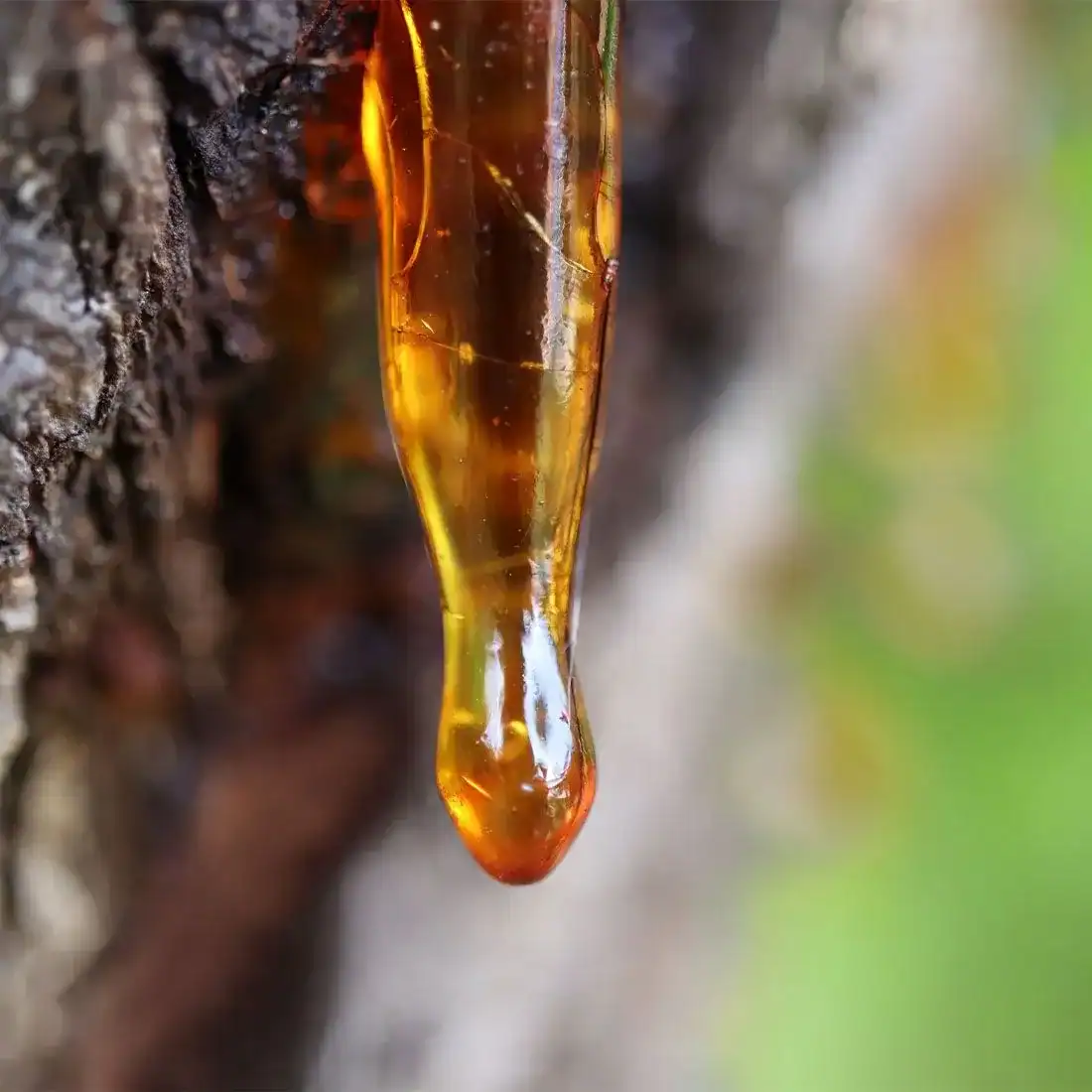
The oil obtained is a transparent yellow, greenish or brownish viscous liquid with a deep, soft, sweet-woody, balsamic aroma with exceptional durability. It combines well with rose, tuberose absolute, clove, lavender, black pepper, bergamot, rosewood, geranium, benzoin, vetiver , patchouli , mimosa absolute, jasmine and myrrh.
Properties and benefits in aromatherapy
Sandalwood essential oil is highly grounding with its distinctive, recognizable aroma and is suitable for chakra work, meditation and other spiritual pursuits. Emotionally, sandalwood is calming and helps you achieve a sense of inner harmony. It is a good choice to use in cases of stress, depression and low self-esteem. Sandalwood is a natural antidepressant and aphrodisiac.
General Benefits and Actions: The oil has strong anti-inflammatory, antiseptic, antispasmodic, astringent, carminative, diuretic, soothing, expectorant, sedative, and tonic effects. Studies show that sandalwood may have some health benefits – it can help reduce symptoms related to blood pressure problems, to making you feel more alert and focused. One of the most amazing things about this oil is a compound called α-santalol, which helps promote healthier-looking skin.
Aromatherapy Uses: Inhaling the scent of sandalwood oil sends specific signals to the part of the brain responsible for emotions. Known as the limbic system, this brain structure influences the nervous system in the human body. This can help control heart rate, stress levels, blood pressure, breathing, and immune system function.
Sandalwood is used in facial care for problems such as acne, dry and cracked skin; diluted, it is also used as an aftershave and moisturizing product.
Diffused, it helps with bronchitis, catarrh of the upper respiratory tract, dry cough, laryngitis, sore throat. It is also an excellent remedy for relieving conditions such as depression, insomnia, nervous tension and complaints caused by stressful situations.
Topical application in cosmetics: In facial skin care, sandalwood essential oil stands out for its anti-aging properties. A natural antiseptic and preservative, it is used in the production of soaps, face creams and other cosmetic products.
Sandalwood oil can help brighten the complexion and make facial skin look healthier. It is also an indispensable aid in the treatment of skin infections and prevents dry skin from flaking and the premature appearance of fine lines and wrinkles. Sandalwood is also a very good antiseptic and can be applied to the treatment of wounds, scars, spots, as well as to prevent the development of skin infections. Just remember that it should always be diluted in a carrier oil!
Sandalwood oil has a stimulating effect on hair growth. Applied to the roots, diluted with a base oil, it nourishes the hair follicles and stimulates the formation of keratin, which in turn improves the condition of the hair, reduces hair loss and stimulates the growth of new hair.
Recipe: Facial oil for mature skin
- 2 s. l. jojoba oil
- 6 drops essential oil of myrrh
- 6 drops sandalwood essential oil
- 3 drops jasmine sambac absolute
Mix all ingredients and mix well. Apply to damp skin (pre-spray with rose floral water) on cleansed face and neck. Gently massage with light circular movements.
Conclusion
Safety Instructions: Tisrand and Young note that, although extremely rare, sandalwood oil has the potential to cause a mild skin reaction. They recommend diluting to a maximum of 2% for topical use. The International Federation of Professional Aromatherapists (IFPA) does not recommend taking essential oils internally unless under the supervision of a physician qualified in clinical aromatherapy! Always perform a sensitivity test on the crook of your elbow before use.
More interesting articles from the blog
- Myrrh Oil – The Mysteries of Antiquity
- The exotic scent of jasmine
- Patchouli essential oil – benefits and uses
- Lavender essential oil – the oil of antiquity
- Essential oils – uses and benefits in aromatherapy