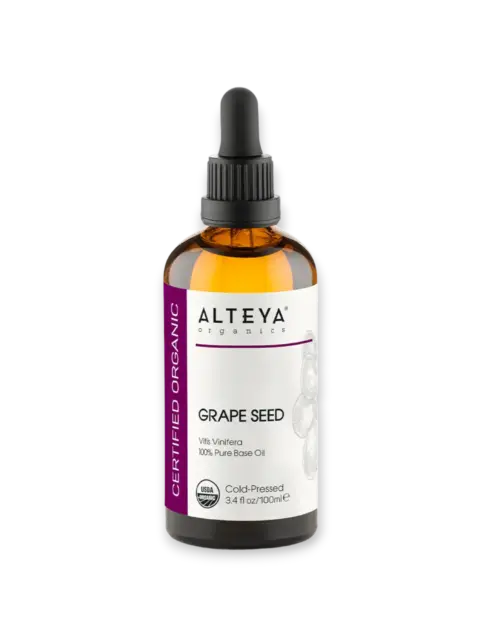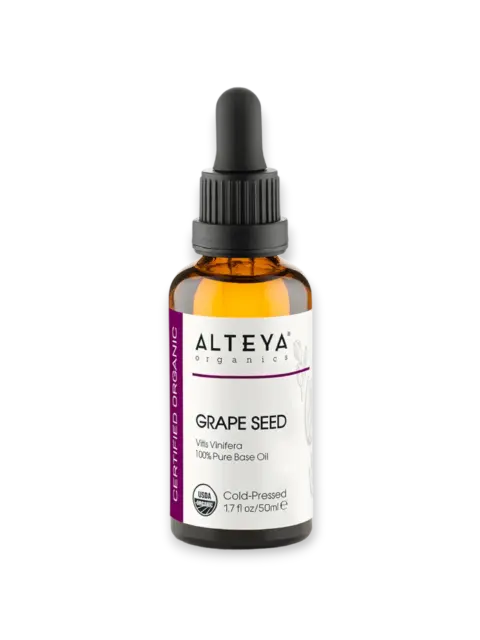
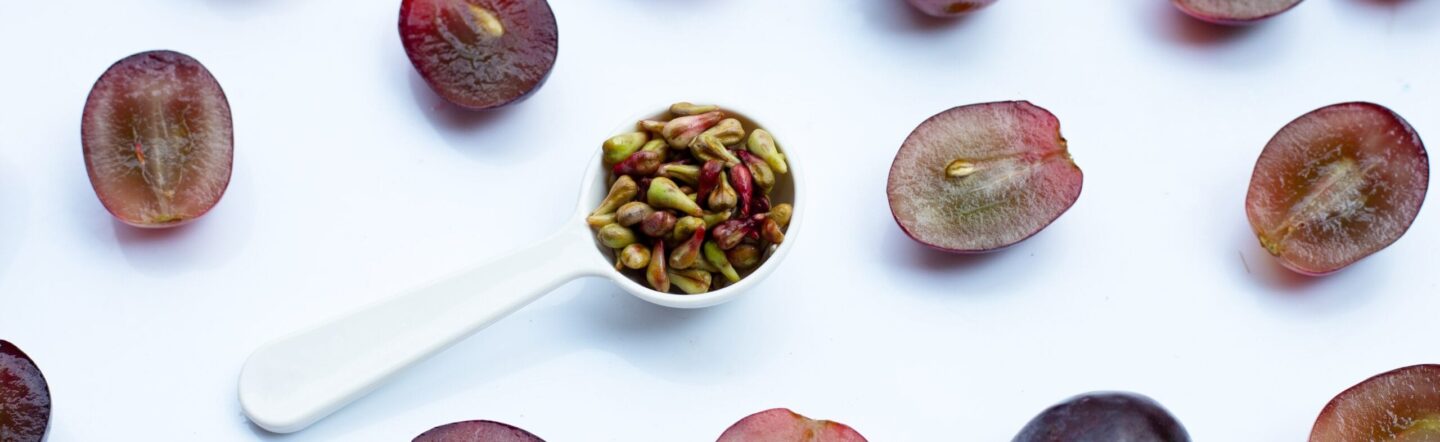
If you're looking for an all-natural moisturizer to add to your skin care routine, check out grape seed oil.
It is extracted from grape seeds during the winemaking process and, although it is a residual product, it has numerous skin and health benefits. Thanks to its rich antioxidant, antimicrobial and anti-inflammatory properties, it is a preferred ingredient in products for sensitive, oily and acne-prone skin.

Harvest
from August to November

Part of the plant
The seeds

Extraction method
Cold pressing and solvent extraction
Key benefits for the skin
Because of grapeseed oil's proven antimicrobial properties, some people use it to treat acne-prone skin. While there's no research on exactly how it works to fight acne, it makes sense that by attacking bacteria that can get deep into pores and cause inflammation, grapeseed oil could make your skin clearer and healthier.
Grape seed oil has been tested along with a number of other botanicals that are said to improve skin elasticity and softness. Research shows that it really improves:
- skin moisture
- the softness
- the skin's ability to regenerate
Grapeseed oil helps vitamin E and vitamin C to be effectively absorbed into the skin and improve its overall appearance.
Grapeseed oil contains a powerful antioxidant called proanthocyanidin. This antioxidant can even out skin tone when used consistently on your skin. A 2011 study reported that grapeseed oil helps protect the skin from UV rays from being fully absorbed and damaged.

How is grape seed oil extracted?
Grape seed oil can be extracted by the cold pressing method or by solvent extraction.
Cold pressing involves first crushing the seeds in a press to separate the oil from them. Once the oil is fully extracted, it is placed in a container and allowed to settle for 24 hours. This raw oil is yellow to yellow-green in color and has a faint characteristic aroma. Cold-pressed grape seed base oil retains its natural aroma and health benefits. The unrefined grape seed oil is then subjected to a refining process, in which the oil is neutralized, bleached with activated charcoal and clay.
In the solvent extraction method, grape seeds are treated with food-grade solvents that extract the oils from the grape seeds. However, this method often involves applying high pressure and subsequently high temperature to the oil, which changes its molecular composition.
Application and action
| Physical Application: Nourishes, tightens and restores the skin, reduces the appearance of spots, acneic skin, anti-dandruff. | Physical action: Antioxidant, Emollient, Astringent, Antibacterial, Cicatricial, Diuretic, Tonic, Anti-inflammatory, Adaptogenic, Antiallergic, Antihistaminic, Stimulant, Antimicrobial, Aphrodisiac, Antiviral |
Used topically, grape seed oil is easily absorbed by the skin to hydrate it without irritating or leaving an oily residue or clogging pores. This makes it ideal for oily, sensitive and mature skin, as well as acne and eczema-prone skin. It is often found in cosmetic products such as face creams, lip balms and sunscreens, as its antiseptic and astringent properties help repair the skin. Rich in compounds that restore collagen, grape seed oil slows aging by smoothing and firming the skin, providing protection against sun damage and reducing the appearance of blemishes, wrinkles and stretch marks.
Used as a toner, grape seed oil cleanses the skin while balancing oil production, thereby reducing future inflammation of acne-prone skin.
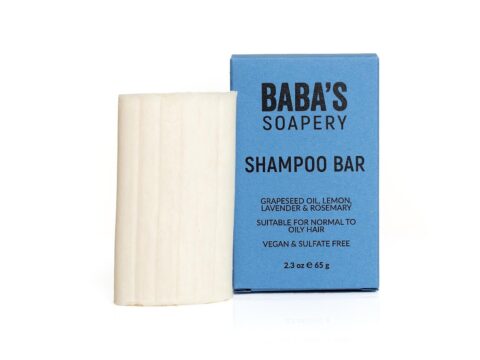
Used in the hair, grape seed oil contributes to its softness and smoothness while promoting its growth. Its nourishing properties moisturize dry, frizzy, damaged and brittle hair without leaving an unpleasant smell or feeling of heavy and greasy hair. By removing dandruff, it strengthens the hair and reduces hair loss, promoting the growth of healthier and possibly longer hair.
Grapeseed oil stimulates blood circulation and reduces the appearance of varicose veins, spider veins, and cellulite. Used in massage, it can soothe tired muscles, and its anti-inflammatory properties can relieve pain and swelling associated with arthritis. Its vitamin E content boosts immunity and improves multiple body systems, as well as its ability to heal wounds by eliminating harmful bacteria.
Recipes with grape seed oil

The uses of grape seed base oil are numerous and range from medicinal to cosmetic. Its many forms include oils, gels, lotions, creams, soaps, shampoos, balms and lip balms.
Grape seed oil is an effective makeup remover, especially for makeup around the eyes. To remove make-up such as eyeliner, eye shadow and mascara, pour a few drops of the oil onto a cotton pad and gently wipe the eyelids and eyelashes.
Roll-on oil for acne
- 10 ml empty roll-on bottle
- 10 ml grape seed oil
- 1 drop oregano essential oil
- 2 drops tea tree essential oil

Pour the oils into the empty bottle, shake well to mix, and apply to acne-affected areas.
Mix the oils and massage the scalp to improve blood circulation, leave on for about 10 minutes, then rinse. Can also be used in a small amount after bathing to nourish the ends of the hair.

Drop the essential oil directly into the bottle of grapeseed oil, shake well, and apply daily to the affected areas.
Facial oil for sensitive skin
- 20 ml grape seed oil
- 5 ml evening primrose oil
- 5 ml jojoba oil
- 2 drops Roman chamomile essential oil
- 2 drops rose essential oil
- 4 drops sandalwood essential oil
- 2 drops lavender essential oil
Once all the oils are mixed, the mixture can be massaged onto a freshly cleansed face and neck and left on for up to 20 minutes, then wiped off with a facial tissue. For optimal results, it is recommended to use this facial oil 3 times a week, applying in the evening.
More interesting articles from the blog
- Evening primrose oil – benefits and uses
- Jojoba oil – benefits and uses for skin and hair
- Apricot kernel oil – benefits and uses
- Avocado oil – benefits and uses
- Hazelnut oil – benefits and uses
Categories
- Aromatherapy
- Essential oils
- Carrier oils
- Diffusion methods
- Natural cosmetics
- Recipes with essential oils
- News

Conclusion
The information in this article is for educational purposes only and is not intended to serve as a basis for prevention or treatment.
- https://en.wikipedia.org/wiki/Grape_seed_oil
- https://www.healthline.com/health/grapeseed-oil-for-skin
- https://www.newdirectionsaromatics.com/blog/products/all-about-grapeseed-carrier-oils.html
- Valerie Ann Worwood, The Complete Book of Essential Oils and Aromatherapy
Photos: Primavera Life