
Beeswax is a natural substance created and secreted by honey bees. It is hard and brittle when cold, but soft and pliable when heated.
Like honey, beeswax varies in color depending on various factors related to the bees themselves as well as the flowers from which the honey is extracted.
There are 3 main types of beeswax: yellow, white, and absolute. They differ in their processing methods, benefits, and uses.
Used in aromatherapy, beeswax is known for its long, slow, clean and smokeless burn. It not only emits the aroma of honey, but also creates relatively brighter flames, facilitates the elimination of pollutants in the air, and supports the overall health of the body and mind.
Used in cosmetics, high-quality pure beeswax hydrates, nourishes and soothes the skin. It exfoliates, repairs damage, promotes skin regeneration, reduces the appearance of signs of aging, soothes itching and irritation, and creates a hydrating, long-lasting protective barrier against environmental pollutants. Used in hair, beeswax nourishes and softens strands while promoting shine.
Used medicinally, beeswax helps soothe and facilitate the healing of scrapes. It prevents the entry of harmful bacteria into the body through cracked and sprained skin and provides the skin with a protective layer against external irritants. Its antioxidant and anti-inflammatory properties benefit those who suffer from topical allergies or skin conditions such as eczema and rosacea.
History of the use of beeswax
Beeswax is a natural substance produced and secreted by honey bees, who use it to develop their combs. Beeswax is mainly composed of fatty acids, hydrocarbons and esters. Wax is hard and brittle when cold, but soft and pliable when heated or exposed to human body temperature. Because beeswax does not spoil, go rancid, or have an expiration date, it can be heated and reused.
Like the different colors of honey, the color of wax depends on the age of the bees, the flowers from which they collect nectar, the region of growth of the flowers and the purity of the honey. The color of beeswax ranges from almost white to black, although it is usually tinged in the yellow spectrum, appearing bright yellow, iridescent yellow, or light amber. These colors are due to the pollen and resin content in the honey. These elements also contribute to the pleasant aroma of both honey and wax.
While beeswax is widely known for its ability to carry light and thus be a source of heat, historically it has also been valued for its versatile uses, which include culinary uses such as flavoring food and preserving food. For example, it continues to be used to coat or glaze cheeses to create an airtight seal to prevent the growth of harmful bacteria. Used on some types of fruit, beeswax prevents water loss while protecting them from collecting dust and from being scratched, bruised or bitten by insects.
2000 years ago in China, the importance and power of beeswax was discovered and described in one of the country’s most prominent medical books, known as the “Shennong Book of Herbs.” The record highlights the positive effects of beeswax on the circulatory system, energy levels, and wound healing. It is also reported to have an anti-aging effect on the appearance of the face.
There are 3 main types of beeswax: yellow, white and absolute. Yellow beeswax is the natural, unrefined and raw wax obtained directly from the honeycomb. White beeswax is the result of yellow beeswax going through a filtration/purification/bleaching process. This is the type used in cosmetic formulas, food preparation and pharmaceutical products such as ointments, soft gel capsules and for coating medicinal tablets. Beeswax absolute is the result of treating yellow beeswax with alcohol.
Benefits of beeswax
Used in aromatherapy, the smokeless and long burning period of beeswax makes it a valuable ingredient in aromatherapy candles. Beeswax candles are renowned for emitting the scent of honey – which can range from sweet, fresh or floral to warm, strong, spicy or spicy – and are also renowned for helping to remove air pollutants such as bacteria, dust, allergens and odors. When pure and natural essential oils are added during the production stage of natural homemade candles, the resulting products are known to have enhanced aromas.
They are also thought to support overall physical and mental well-being by invigorating the body, energizing, reducing stress, enhancing focus, helping to reduce physical pain, and regulating blood pressure.
Used in cosmetics, for example in lip products, moisturizers and eye make-up, beeswax hydrates, nourishes, soothes and relieves the skin. Without clogging pores or preventing the skin from breathing, beeswax creates a hydrating, long-lasting protective barrier that protects it from environmental pollutants as well as the harsh effects of the elements. Its exfoliating and reparative properties combined with its vitamin content support skin regeneration and rejuvenation, helping to reduce signs of aging including spots, wrinkles and skin damage.
Used in natural products, beeswax offers a scent that can be described as soft, warm, sensual, floral, woody, rich, “oriental,” or a combination of these descriptions, depending on the beeswax preferred. Refreshing, restorative, and gentle enough to use on even the most sensitive skin, beeswax is known to soothe itchiness and irritation, nourish, and soften dry and chapped areas, making it ideal for use in lip balms. Used in hair, beeswax contributes shine that promotes luster to the hair, making it valuable for use in hair products that promote the appearance of smoothness, such as pomades.
Its regenerating properties and anti-inflammatory properties work together to reduce the irritation, redness and inflammation associated with acne, while its antiseptic properties further facilitate the healing process. Beeswax has a similar effect on skin affected by eczema and psoriasis, soothing itchiness and preventing further irritation or infection. It promotes the growth of new skin and contributes to its softness. When applied to stretch marks, whether caused by weight fluctuations or pregnancy, beeswax helps reduce the appearance of these often unwanted marks when used in combination with carrier and essential oils.
Used in medicine, beeswax is an ideal ingredient for ointments designed to treat scrapes, minor cuts, small wounds and burns, as well as other abrasions. Its anti-inflammatory and antiviral effects help prevent harmful bacteria from entering the body through cracked skin, which is especially common in dry climates, making it valuable for use during the drier periods of the year.
Providing the skin with a protective layer against external irritants, including harsh and extreme weather conditions that can cause roughness and dryness, beeswax moisturizes the skin to restore its natural glow and smoothness. The antioxidant and anti-inflammatory properties of beeswax also benefit those who suffer from topical allergies or other skin problems, such as eczema and rosacea.
| COSMETIC PROPERTIES: hydrating, softening, smoothing, non-comedogenic, protective, smoothing, regenerating, firming, conditioning, soothing, collagen enhancing | MEDICAL PROPERTIES: anti-allergic, anti-inflammatory, antibacterial, antiviral, protective, regenerating, strengthening. |
Recipes with beeswax

Natural aromatherapy beeswax candle
Used in aromatherapy, beeswax candles have air-purifying properties. Unlike paraffin candles, they help reduce airborne pollutants such as bacteria and dust. To make a natural aromatherapy beeswax candle that will infuse the air with its warm scent, cleanse the indoor environment, and help you breathe easier, start by pouring 1 pound (0,45 kg) of pure filtered beeswax into an empty coffee can or metal jug that can be used for waxing. Then, place the container in a double boiler and let the water simmer until the beeswax melts.
Meanwhile, prepare 3 or 4 pieces of wick, each 6 inches (15 cm) long. When the beeswax is completely melted, remove the pot from the heat and, using a chopstick or spoon, gently stir in ½ cup of your preferred carrier oil until it is completely mixed with the wax. Pour 1/2 inch (1 cm) of this wax and oil mixture into 3 8-ounce (240 ml) jars with lids, then place the pot back in the hot water to ensure the wax remains liquid.
Place a wick in the center of the small amount of wax in each jar and hold the wick there for 5-10 minutes, making sure it doesn't move while the wax hardens around it. To keep the wick vertical and prevent it from curling, wrap it around a stick until the wick is stiff and straight, then place the stick in the top of the jar. When the small amount of wax has dried inside each jar, pour the remaining wax from the jug into each jar, leaving at least 3 cm of space between the surface of the wax and the openings of the jars.
Leave the jars open to cool overnight. Once the wax has completely dried and hardened, the wicks can be trimmed. When using the candles, it is recommended that they remain lit for a minimum of 2,5 hours until their surface has completely melted. If the flames flicker or start to smoke, simply extinguish them, trim the wicks slightly and relight them. Cutting the wicks too short will result in small flames that will cause the candles to "tunnel", but even tunneled candles can be remelted to create new candles after their wicks are removed.
Homemade solid beeswax lotion
- 1 cup beeswax
- 1 cup of liquid carrier oil (almond, jojoba, hemp, etc.)
- 1 cup body butter according to personal preference (cocoa butter, mango butter, shea butter or a combination of oils)
To make this beeswax-enriched solid lotion, melt the oils in a double boiler. Stir constantly with a whisk until all ingredients are melted. Once the mixture is a smooth liquid, remove from heat. While it cools, gently but thoroughly stir in all the oils and add essential oils for fragrance of your choice, as well as 1 tsp. liquid vitamin E. Pour the mixture into soap molds and let it harden before removing each bar. Depending on the size of the mold, this recipe makes about 12 lotion bars.
Natural deodorant with beeswax and probiotic effect
Melt the beeswax and carrier oils in a water bath. Once the mixture is smooth, add the remaining ingredients. Gently stir all ingredients until well combined. Then pour the liquid mixture into a mold of your choice.
If the chosen form is a deodorant stick container, the mixture should be allowed to set for 15-20 minutes before pouring into the tube. When the mixture has cooled to a thicker consistency, similar to that of nut butter, use a spoon to scoop it up and fill the tube, pressing it down to make sure it is tightly packed. Set the filled tube aside and allow the deodorant mixture to cool and set completely before using or sealing it.
Used in hair products, beeswax locks in moisture, smoothes flyaways, helps style hair more easily and promotes new hair growth. Without leaving greasy marks, it maintains a firm fixation of the hairstyles, but washes off easily.
Nourishing hair pomade with beeswax
- 2 tablespoons beeswax lozenges
- 3 tbsp preferred base oil
- 2 tsp bentonite clay
- 10 drops of preferred essential oil
To make this nourishing, softening, and shine-enhancing pomade, start by melting the beeswax in a double boiler. Once it has liquefied, add the carrier oil and stir until completely combined. Remove from heat, add the bentonite clay and essential oil, stirring constantly. Transfer to a container of your choice.
More interesting articles from the blog
- Vitamin C serum – why should we add it to our daily beauty routine?
- What are terpenes – overview and benefits
- Ylang-ylang essential oil – benefits and uses
- Skin care as self-care
- Bakuchiol – the natural alternative to retinol
Categories
- Aromatherapy
- Essential oils
- Carrier oils
- Diffusion methods
- Natural cosmetics
- Recipes with essential oils
- News

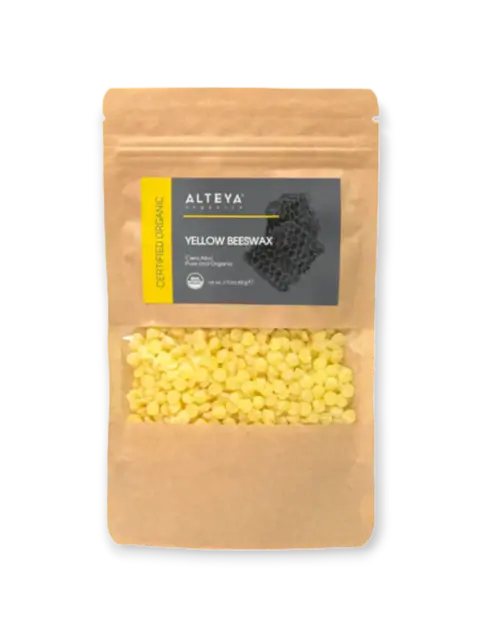
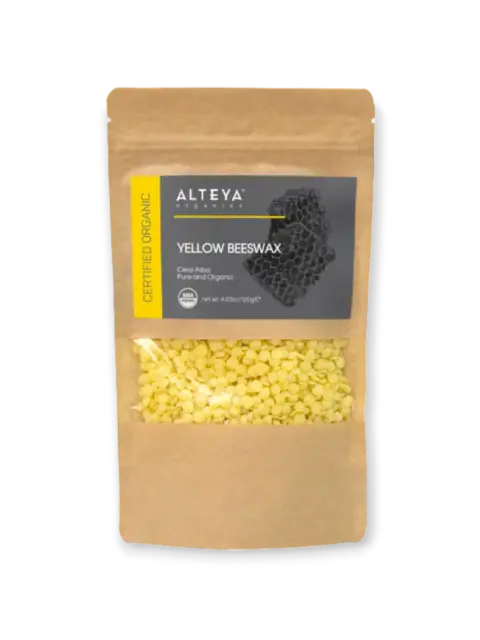
6.95 €Add to cart
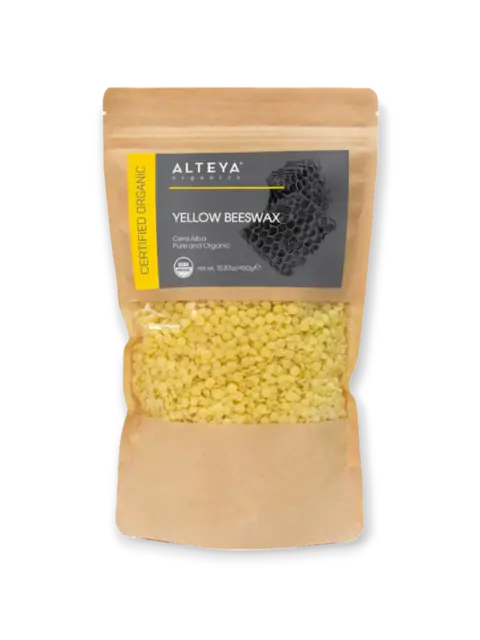
19.95 €Add to cart
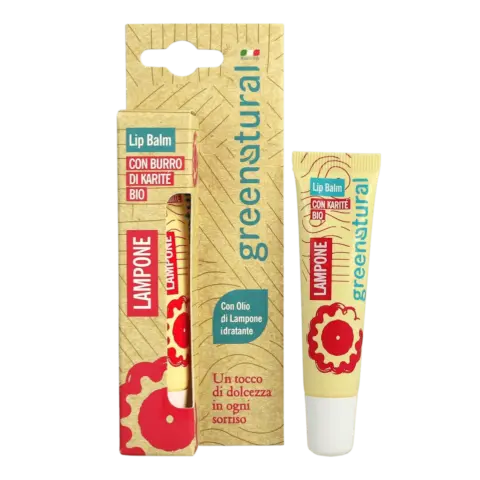 Discount: -15%
Original price was: €4.95.4.21 €The current price is: €4.21.Add to cart
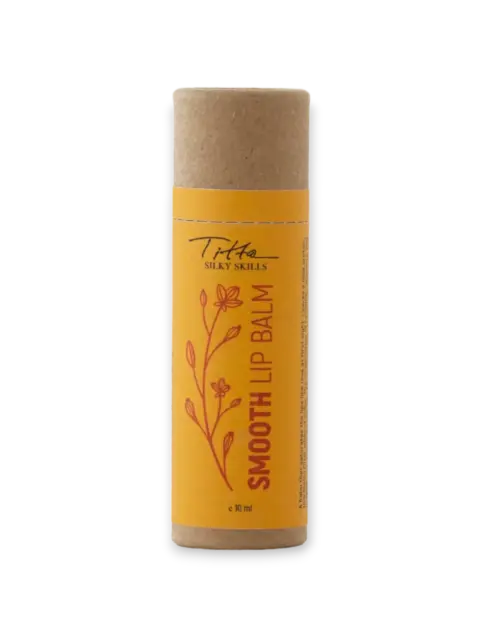 Discount: -10%
Original price was: €8.15.7.34 €The current price is: €7.34.Add to cart
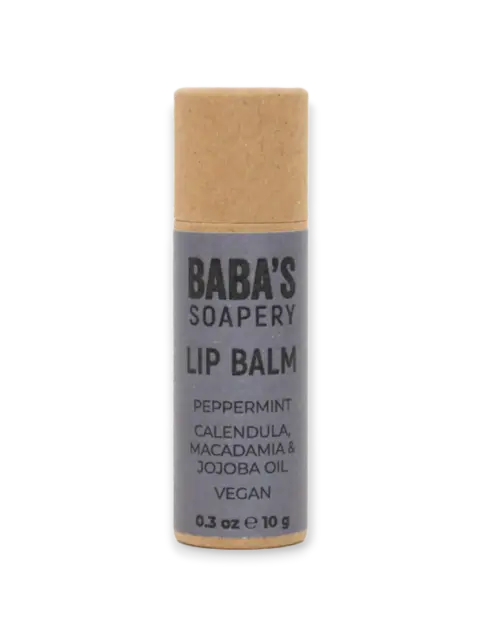 Discount: -10%
Original price was: €4.00.3.60 €The current price is: €3.60.Add to cart
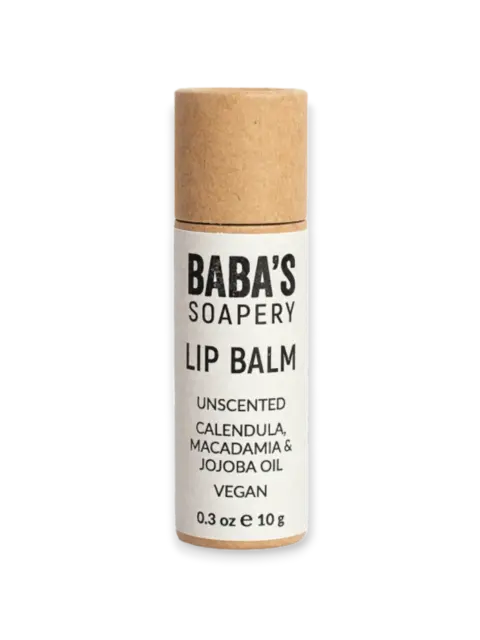 Discount: -10%
Original price was: €4.00.3.60 €The current price is: €3.60.Add to cart


