
Since the time of the Aztecs, the avocado has been known as the "butter pear" due to the fruit's pear-like appearance and high oil content.
Avocado base oil is often used in cosmetics due to its rapid absorption by the skin, its high vitamin content, its subtle fragrance that can be easily masked, and its excellent preservative qualities. It is ideal for use in soap making due to its emollient as well as foaming and cleansing qualities.
Used in moisturizing products, avocado oil is less greasy than other oils, and its emulsifying properties result in finer blends.

Harvest
from February to October

Part of the plant
The fruit

Extraction method
Cold pressing
Key benefits for the skin
The main chemical constituents of avocado oil are: palmitic acid, palmitoleic acid, stearic acid, oleic acid, linoleic acid, α-linolenic acid, arachidic acid, and gadoleic acid.

Used topically, vitamin-rich avocado oil acts as a regenerating and hydrating agent for the skin, soothing it and improving its texture. It smoothes wrinkles, tightens the skin and reduces the appearance of scars, age spots and other unwanted blemishes. It can be used for dry, rough, aging, sensitive or irritated skin, as well as skin affected by psoriasis. When used in massages, it is known to naturally treat insomnia and inflammation, reduce muscle stiffness, joint pain and stimulate blood circulation.
Used on hair, avocado oil straightens and softens strands while nourishing, hydrating and strengthening. By stimulating blood circulation in the hair follicles, it promotes new, healthier growth and prevents hair loss. Avocado oil protects hair from damage caused by environmental stressors and helps clear clogged hair follicles.
Avocado oil has antibacterial properties. It balances metabolism and heals inflammation associated with arthritis. Its regenerating and healing properties are ideal for use on skin affected by rashes, eczema, dryness and signs of aging, as it restores it while increasing its elasticity. The vitamin E content in avocado oil is helpful in reducing the harmful effects of ultraviolet radiation and the redness and other damage it can cause.
In Ayurvedic medicine, avocados are used to reduce bad cholesterol, relieve chronic constipation, treat alopecia, increase libido, regulate insulin levels, increase strength and endurance, soothe joint pain, relieve insomnia, tone the skin and to repair skin damage caused by free radicals. Today, avocado oil is known to continue to exhibit the same healing properties for skin, hair and overall health.

How is avocado oil extracted?
Extra virgin cold-pressed avocado oil is unrefined, which is why it retains a medium to rich fatty flavor and is usually yellowish, greenish, or brownish due to the chlorophyll found in the skin and green layers of the fruit.
When used in cosmetic products, raw avocado oil is usually subjected to a refining process that includes bleaching and deodorization to produce a nearly odorless, yellow-colored oil.
If some of the avocado skin is included in the malaxation (centrifugal pressing) phase, the oil is more likely to have a deeper green pigmentation. The chlorophyll content is what can cause photooxidation in avocado oil, which is why it is important to store the oil away from direct light.
In the solvent extraction method, the flesh of the avocado is first dried, then pressed, and then organic solvents such as hexane are applied to the pulp to extract the oil. This produces a brown-colored oil. It undergoes a refining process that includes deacidification, which removes free fatty acids, which in quality fruit are less than 1%; bleaching, which removes chlorophylls, pheophytins, and carotenoids; and deodorization, which removes the aroma.
Application and action
| Physical Application: Muscle and joint pain, reduce the appearance of scars, dry rough skin, wrinkles, to soothe inflammation, eczema and psoriasis | Physical action: Anti-aging, antioxidant, emollient, detoxifying, regenerating, astringent, anti-inflammatory, analgesic, detoxifying, anti-arthritic, diuretic, regenerating, astringent, carminative, anti-parasitic, laxative |
Uses of avocado oil
A common ingredient in massage oils, bath oils, gels, lotions, creams, soaps, shampoos, conditioners, serums and cleansers.
Used topically, avocado oil is an effective moisturizer for dry and cracked skin, especially on heels and cuticles. Applying a few drops of the oil to these areas will make them supple and smooth. For eye makeup removal, a small amount of avocado oil can be poured onto a cotton ball and gently wiped across the eyelids to remove eyeliner, mascara, and eye shadow. The oil residue also helps reduce fine lines around the eyes.
Effectively soothes the skin in conditions characterized by dryness, rough and scaly skin and redness. It supports cell regeneration and boosts collagen production, thus reducing the appearance of wrinkles and other signs of aging.
Recipes with avocado oil

To balance the scalp and relieve dandruff:
Anti-dandruff shampoo
- 100 ml unscented shampoo
- 3 drops Ho leaf essential oil
- 3 drops basil essential oil
- 1 drop patchouli essential oil
- 4 drops geranium rose essential oil

Mix the oils and stir well before applying to the affected areas.
Massage oil "Detox"
- 120 ml avocado oil
- 5 drops ginger essential oil
- 5 drops peppermint essential oil
Mix the oils and massage the desired area to release muscle discomfort and improve circulation.

This mixture can be applied in a relaxing massage twice a week to stimulate the senses and the skin. Those who suffer from the inflammation and swelling caused by arthritis will also find comfort in avocado oil's ability to strengthen and stimulate not only muscle recovery, but also the immune system.
Apply a thick layer of this mixture on the face and leave it on for 10 minutes. To remove the mask, soak a washcloth in hot water, place it over your face, and wipe off the mask. To remove the remains of the mask, spray the face with a natural toner mixed with 1 drop of avocado oil.
Apply the mixture to your hair and scalp and leave it on for 20 minutes before rinsing it off with warm water.
More interesting articles from the blog
- Evening primrose oil – benefits and uses
- Jojoba oil – benefits and uses for skin and hair
- Apricot kernel oil – benefits and uses
- Grape seed oil – benefits and uses
- Almond oil – properties for skin and hair
Categories
- Aromatherapy
- Essential oils
- Carrier oils
- Diffusion methods
- Natural cosmetics
- Recipes with essential oils
- News

Conclusion
The information in this article is for educational purposes only and is not intended to serve as a basis for prevention or treatment.
- https://en.wikipedia.org/wiki/Avocado_oil
- https://www.healthline.com/health/beauty-skin-care/avocado-oil-for-skin#benefits
- https://www.aromaweb.com/vegetableoils/avocadooil.asp
- Valerie Ann Worwood, The Complete Book of Essential Oils and Aromatherapy, page 366, 394.
Photos: Primavera Life
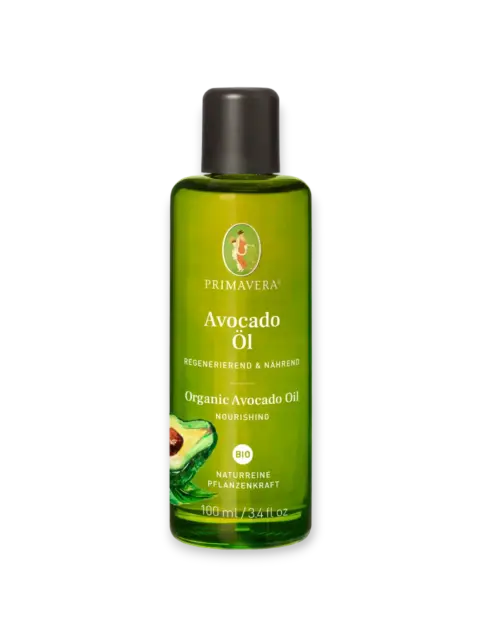 Discount: -20%
Original price was: €18.90.15.12 €The current price is: €15.12.Add to cart
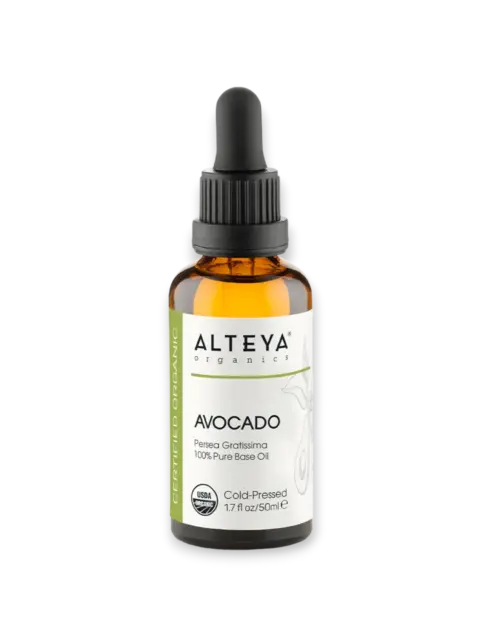
6.85 €Add to cart
 Discount: -10%
Original price was: €10.25.9.23 €The current price is: €9.23.Add to cart
 Discount: -20%
Original price was: €10.90.8.72 €The current price is: €8.72.Add to cart
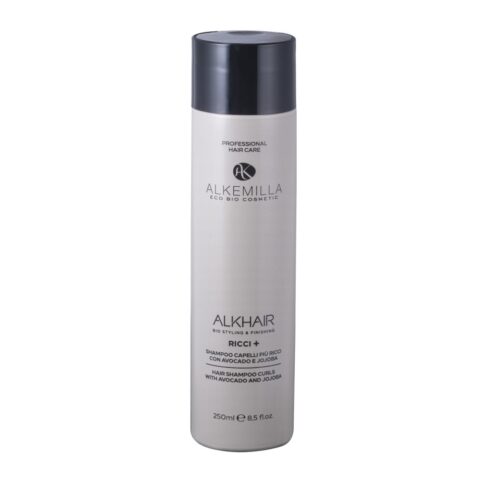 Discount: -10%
Original price was: €15.90.14.31 €The current price is: €14.31.Add to cart
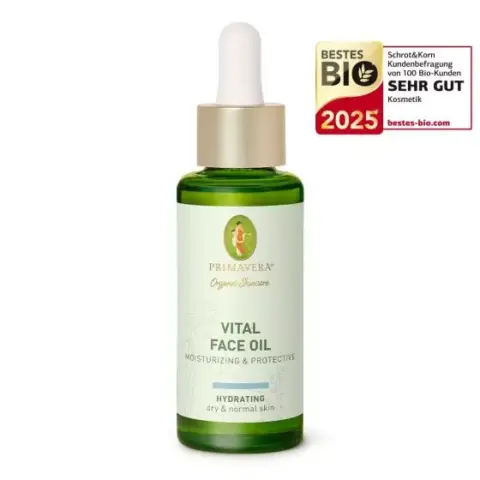 Discount: -20%
Original price was: €19.90.15.92 €The current price is: €15.92.Add to cart
 Discount: -20%
Original price was: €19.90.15.92 €The current price is: €15.92.Add to cart


