
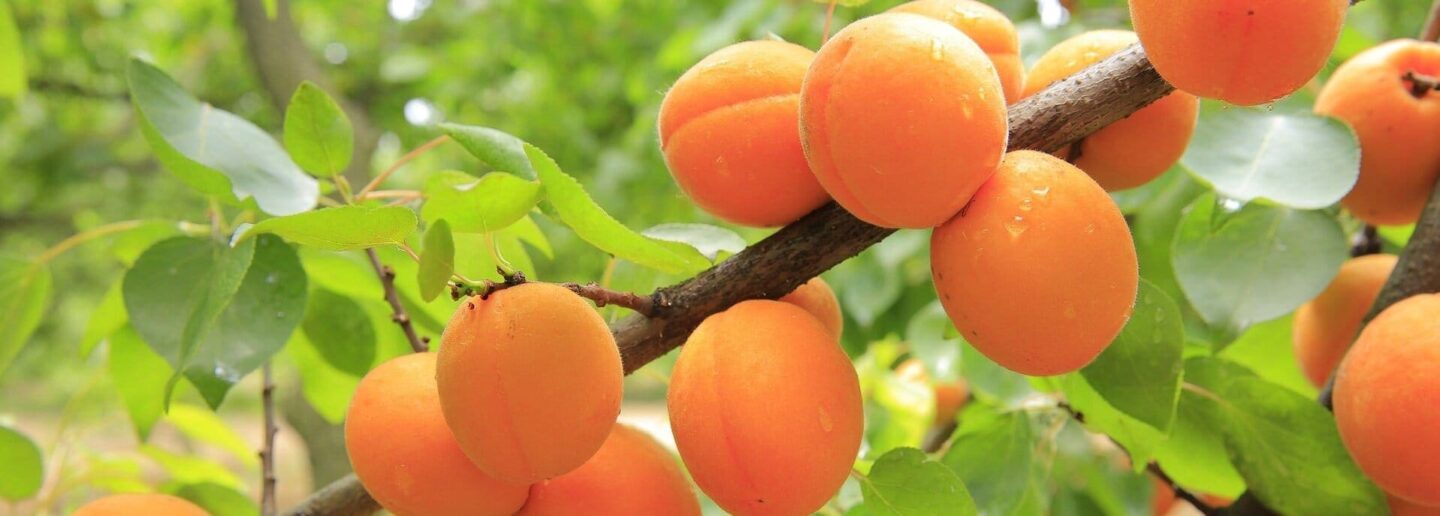
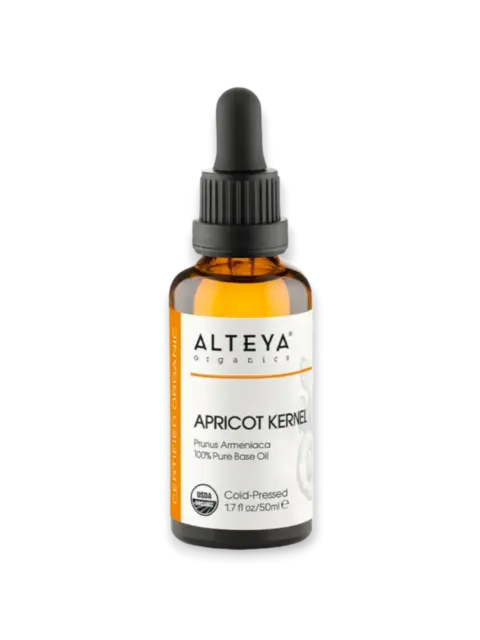
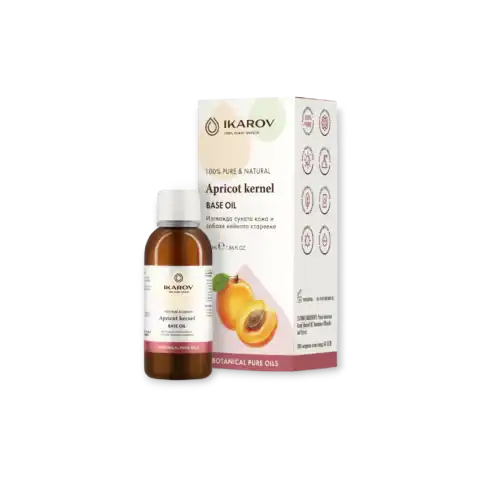
Apricot kernel oil is a predominantly monounsaturated carrier oil. It is extremely versatile, and in its properties and consistency resembles sweet almond oil . However, it is lighter in texture and viscosity. Its texture makes it a good choice for use in massages, used alone and in blends of massage oils.

Harvest
from June to August

Part of the plant
The nuts

Extraction method
Cold pressing
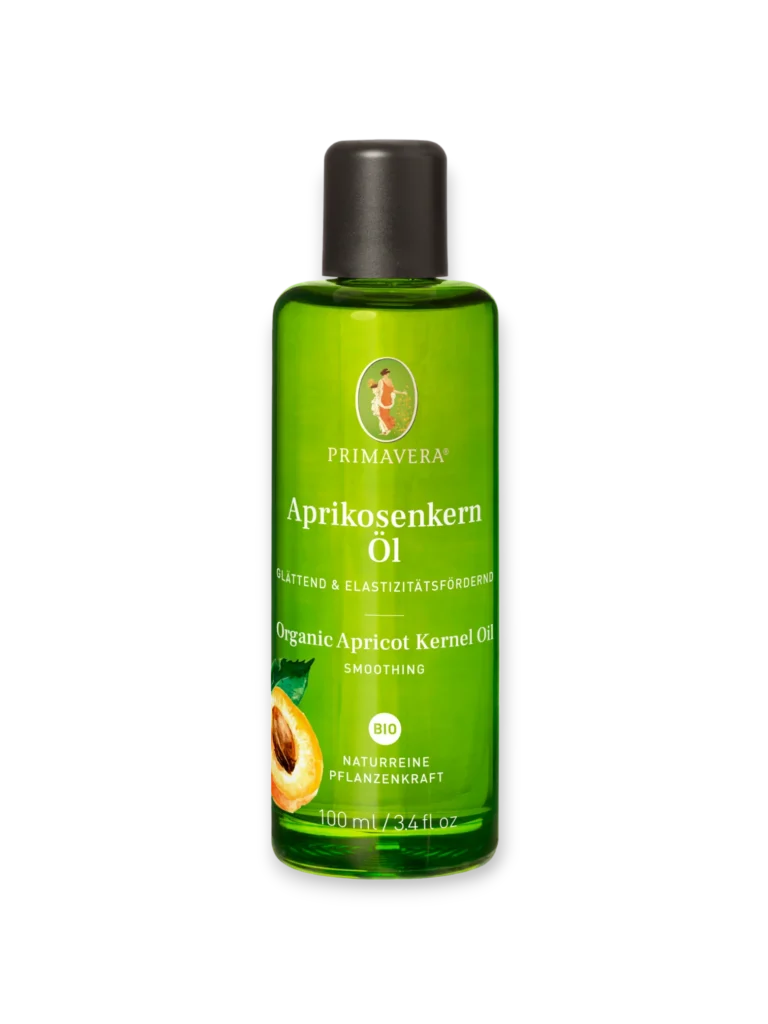
Key benefits for the skin
Apricot kernel oil is used in traditional Chinese medicine to treat swellings, ulcers, tumors, and other malignancies—an ancient application that spread throughout the world and continued to be used for the same purpose in England in the 17th century. Other traditional approaches to medicine, such as Ayurveda, use apricot kernel oil’s hydrating properties to slow the aging process and use its immune-boosting properties to improve overall health.
Used for many centuries, apricot kernel oil continues to be used in skin, hair and health care for its softening, hydrating, rejuvenating and nourishing properties. Due to the fact that apricots belong to the same family of stone fruits as almonds, it is comparable to almond oil and can be used as a substitute for it.

How is apricot kernel oil extracted?
Apricot kernel oil is extracted from the ripe kernels by cold pressing, which preserves the quality of the oil by protecting it from heat. Sometimes the extraction process requires first grinding the seeds into a fine powder or paste. Cold pressing involves placing the nuts – or their powder – between two rotating metal plates to apply extreme mechanical pressure to cause them to break and release their oils. The resulting crude oil has a medium yellow color and a characteristic aroma of apricot kernels.
The oil that undergoes additional refining is lighter in color and has a weaker characteristic aroma. We recommend using cold-pressed oil, because any other method of extracting the oil from the nuts loses some of its beneficial properties.
Application and action
| Physical Application: Soothes and prevents acne, inflammation and dryness, tackles dark circles, fine lines and puffiness | Physical action: Anti-inflammatory, antibacterial, antiseptic, antioxidant, revitalizing, expectorant, anti-clotting |
Applied topically, apricot kernel oil moisturizes dry and sensitive skin and smoothes blemishes, wrinkles, fine lines and other symptoms typical of mature skin. Its high content of unsaturated fatty acids makes it non-greasy, and the combination of oleic, linoleic and α-linolenic acids helps relieve and prevent acne.
People with nut intolerances who want to experience the health benefits of oils like sweet almond oil may benefit from substituting it with apricot kernel oil (only after consulting a doctor) – a lighter, enriching alternative that is ideal for use on mature skin. This non-irritating, soothing oil is easy to apply topically as its light consistency allows it to be absorbed quickly, penetrating deep into the skin, leaving it looking smooth and soft.
Apricot kernel oil has a soothing effect on problems related to stiff and painful joints, as well as cold symptoms, cough and constipation. It is also often used to solve the problem of hair loss when massaged into the hair and scalp. Applied to itchy, chapped, injured or inflamed skin, it helps to heal faster without leaving an oily residue. It is ideal for use on acne-prone or eczema-prone skin and can be added to natural homemade face and body moisturisers.
People with acne-prone skin may experience pore blockage if apricot kernel oil is used alone at 100% concentration. Accordingly, apricot kernel oil can be mixed with a low-comedogenic oil, such as hemp seed oil , or diluted for use in cleansing oils and serums.
Recipes with apricot kernel oil

To soothe, nourish and repair skin affected by conditions such as eczema, psoriasis or sun damage:
Oil for acne, psoriasis and eczema
- 60 ml apricot kernel oil
- 2 drops rosemary verbenone essential oil
- 2 drops tea tree essential oil

Gently massage the mixture into the affected areas of the skin. Regularly massaging the skin with this mixture is known to help repair damaged skin and maintain skin strength by increasing and maintaining elasticity, flexibility and cleanliness.
Massage oil
- 60 ml apricot kernel oil
- 25 drops of essential oil of your choice (lavender, chamomile, rose, jasmine, ylang-ylang)

Mix the oils and massage the desired area to release muscle discomfort and improve circulation.
Blend for inhalation
- 4 drops organic apricot kernel oil
- 2 drops organic peppermint essential oil
- 2 drops organic black pepper essential oil

Add this blend to a bowl of hot water to indulge in a few minutes of steam inhalation. The same mixture can also be added to an ointment and massaged on the back, temples, chest and throat.
Facial oil for sensitive skin
- 20 ml apricot oil
- 5 ml evening primrose oil
- 5 ml jojoba oil
- 2 drops Roman chamomile essential oil
- 2 drops rose essential oil
- 4 drops sandalwood essential oil
- 2 drops lavender essential oil
Once all the oils are mixed, the mixture can be massaged onto a freshly cleansed face and neck and left on for up to 20 minutes, then wiped off with a facial tissue. For optimal results, it is recommended to use this facial oil 3 times a week, applying in the evening.
More interesting articles from the blog
- Almond oil – properties for skin and hair
- Evening primrose oil – benefits and uses
- Jojoba oil – benefits and uses for skin and hair
- Hemp oil – an elixir for the skin
- Grape seed oil – benefits and uses
Categories
- Aromatherapy
- Essential oils
- Carrier oils
- Diffusion methods
- Natural cosmetics
- Recipes with essential oils
- News
Conclusion
The information in this article is for educational purposes only and is not intended to serve as a basis for prevention or treatment.
- https://en.wikipedia.org/wiki/Apricot_oil
- https://www.ncbi.nlm.nih.gov/pmc/articles/PMC9332734/
- https://www.newdirectionsaromatics.com/blog/products/all-about-apricot-kernel-carrier-oils.html
- https://www.aromaweb.com/vegetableoils/apricotkerneloil.asp
- https://www.healthline.com/health/carrier-oil
- Valerie Ann Worwood, The Complete Book of Essential Oils and Aromatherapy, page 357, 515–516.
Photos: Primavera Life
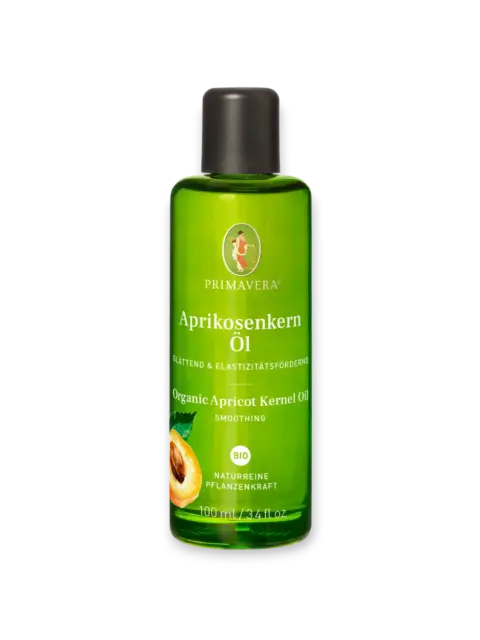
17.90 €Add to cart
Price range: €6.15 through €9.35Options This product has multiple variants. The options may be chosen on the product page
3.15 €Add to cart
17.90 €Add to cart

19.90 €Add to cart

Price range: €6.50 through €10.50Options This product has multiple variants. The options may be chosen on the product page

Price range: €6.50 through €10.50Options This product has multiple variants. The options may be chosen on the product page

Price range: €6.50 through €10.50Options This product has multiple variants. The options may be chosen on the product page
25.90 €Add to cart
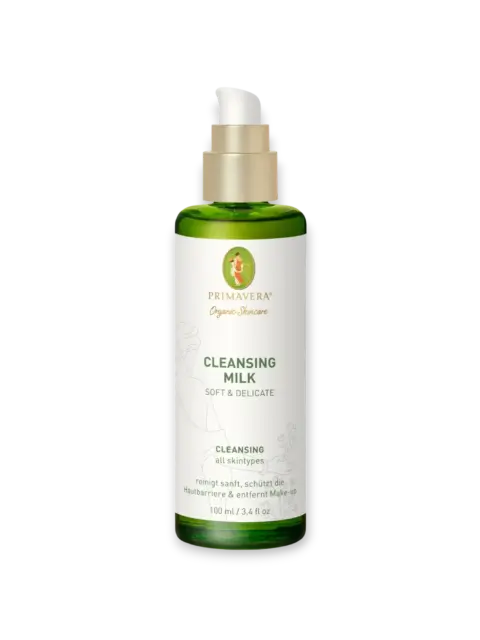
25.90 €Add to cart
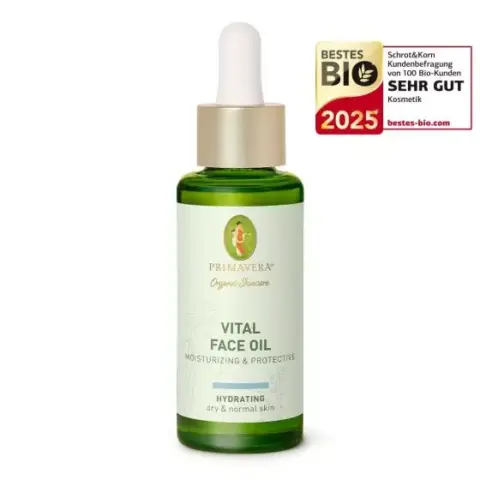
19.90 €Add to cart


