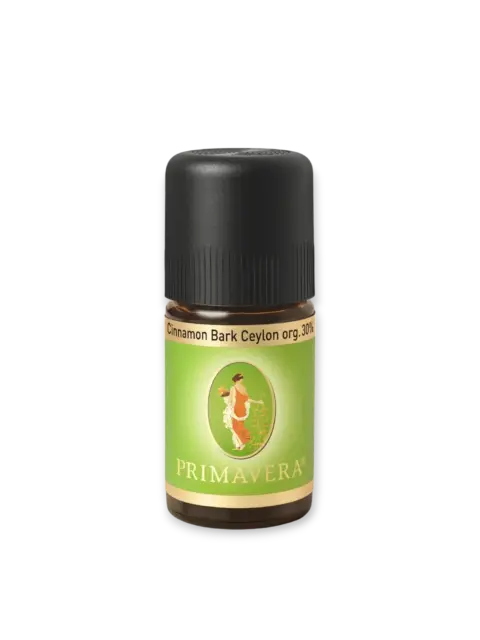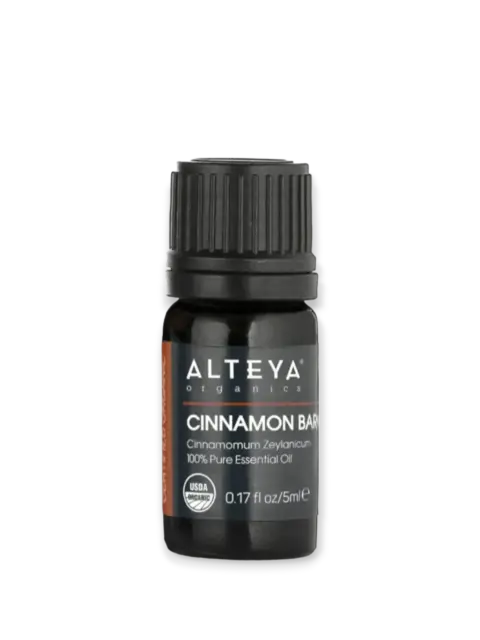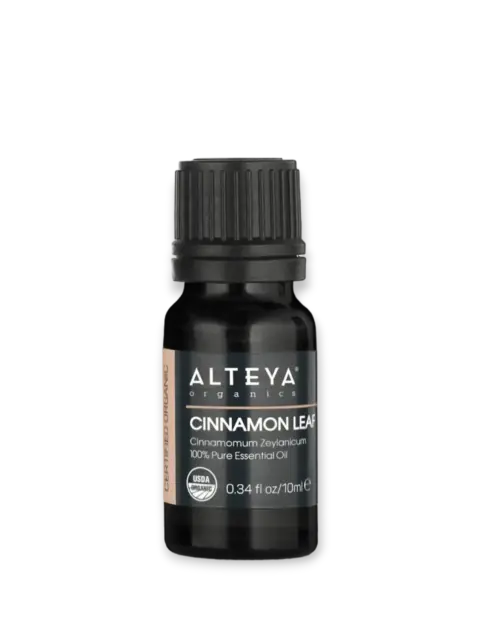

Warm, spicy, sweet – the unique aroma of cinnamon essential oil. Cinnamon essential oil is extracted from a tree that is recognized by two botanical names: Cinnamomum zeylanicum and Cinnamomum verum . Both names refer to the same tree, which is considered the so-called “true cinnamon.”
In aromatherapy, cinnamon essential oil is known to reduce feelings of depression, fatigue and exhaustion, stimulate libido and strengthen immunity. The oil effectively relieves pain, stiffness in muscles and joints, copes with infections, improves blood circulation.
Grown in the lowlands of Sri Lanka, true Ceylon cinnamon is extracted from the bark of the evergreen plant Cinnamomum zeylanicum.
Cinnamon is a spice with ancient traditions – it is present in the making of candles and other aromatic accessories, in cosmetics for flavoring various body products, in cooking as a wonderful warm spice that reminds of Christmas morning.
But before you fill everything around you with the aroma of cinnamon essential oil, it is necessary to be well informed that this essential oil should be used sparingly.
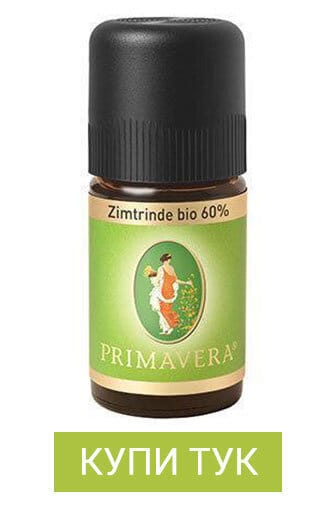
Cinnamon essential oil is from t. called "hot" oils, it should be used with caution, as it can cause a strong allergic reaction and sensitivity on the skin. The essential oil of PRIMAVERA is at a concentration of 60% (dissolved in alcohol) precisely for this purpose, to reduce the risk of an allergic reaction.
Types of cinnamon essential oil and the difference between them

As mentioned above, cinnamon essential oil is extracted from the bark or leaves of several species of trees – Cinnamomum zeylanicum , Cinnamomum verum , and the Cinnamomum cassia tree.
In the commercial network, you can find cinnamon essential oils, and most often the spice, which is extracted from the Cinnamomum cassia tree . Cinnamon, which is extracted from Cinnamomum zeylanicum or Cinnamomum verum , is the so-called Ceylon cinnamon. This variety is also more expensive to extract, which justifies the price of the essential oil.
The main constituent of cinnamon essential oil depends on which part of the plant the oil comes from: cinnamaldehyde (bark), eugenol (leaves), or camphor (root).
In aromatherapy, you may encounter two main types of cinnamon oils, which are extracted from Cinnamomum zeylanicum , Cinnamomum verum : cinnamon bark oil and cinnamon leaf oil. Although they have some similarities, the essential oils have slightly different uses.
Cinnamon bark oil is extracted from the bark of the cinnamon tree and is considered very potent with a strong, perfume-like aroma. Cinnamon bark oil is usually more expensive than cinnamon leaf oil.
Cinnamon leaf oil has a more musky and spicy aroma, and is usually lighter in color. While cinnamon leaf oil may appear yellow and cloudy, cinnamon bark oil has a deeper red-brown color that most people typically associate with the spice cinnamon.
Both essential oils have their benefits, but cinnamon bark oil is more powerful in its essence.
Many of the benefits of cinnamon bark oil are related to its ability to dilate blood vessels. Cinnamon bark essential oil can help improve nitric oxide function, leading to increased blood flow and lower levels of inflammation.
What are the health benefits of cinnamon essential oil?
Some of the most researched health benefits of cinnamon oil include:
- Reduces inflammation
- Lowers blood sugar
- Reduces bad cholesterol
- Fights infections
- High in antioxidants
- Stimulates the immune system
- Stimulates libido
- Fights parasites
Uses of cinnamon oil
What is cinnamon essential oil used for? We recommend applying the essential oil topically and keeping the dilution concentration low in a carrier oil. For example, a concentration of 0,01% or less is equivalent to 1 drop of cinnamon essential oil in 30 to 40 milliliters of carrier oil.
When applied topically, the ingredients of cinnamon oil also enter the bloodstream. For dilution, use organic argan oil , organic jojoba oil , or organic almond oil – it is important that they are of high quality.
Here are some of the most popular ways you can safely use cinnamon essential oil:
- Aromatherapy at home – add a drop or two to your favorite diffuser and enjoy the warming, spicy aroma. You can add essential oil of orange / mandarin и vanilla extract for a synergistic effect.
- Local application – a warming oil rich in antioxidants, it is a great addition to soothing massages to enhance feelings of calm. Dilute the essential oil in a carrier oil, such as argan and enjoy a relaxing massage.
Properties and health benefits of cinnamon essential oil
Antibacterial properties
Research shows that cinnamon oil fights stubborn bacterial organisms. A study using bacterial cultures and laboratory tests found that compounds in cinnamon oil have antimicrobial effects against Pseudomonas aeruginosa , a potentially life-threatening, drug-resistant bacteria that affects plants, humans, and other animals.
Supports oral health. The antibacterial and antifungal properties of cinnamon have been found to be effective against Streptococcus mutans and Candida ssp , two bacteria that cause oral infections and tooth decay.
The antibacterial properties of cinnamon bark oil are an effective, natural additive that can be used to preserve food products and increase their shelf life.
Helps in better cardiovascular health
Cinnamon essential oil can help promote heart health. A study published in 2014 showed how cinnamon bark extract along with aerobic exercise can help improve heart function. The study also shows how cinnamon extract and exercise can help lower both total cholesterol and LDL "bad" cholesterol while raising HDL "good" cholesterol.
Cinnamon has also been shown to help promote the production of nitric oxide, which is beneficial for people with heart disease or who have suffered a heart attack or stroke. In addition, the oil contains anti-inflammatory and anti-platelet compounds that may further help the arterial health of the heart.
Application: add 5 drops of PRIMAVERA cinnamon essential oil (it has a 60% concentration, dissolved in alcohol) to 50 ml of organic almond base oil . Use for massages in the chest area, making sure in advance that it does not cause sensitivity.
Improves blood sugar levels
Cinnamon has been shown to have a positive effect on insulin release, and can help maintain more stable blood sugar. Healthy blood sugar levels are of particular importance for the health of our body.
In a study of 60 people with type 2 diabetes, three different amounts (one, three, or six grams) of cinnamon supplements taken for 40 days led to lower blood sugar levels as well as of triglycerides, LDL cholesterol and total cholesterol.
Inhaling high-quality cinnamon essential oil can help with constant hunger pangs. Put a drop or two in your favorite diffuser and relax in the arms of the warm aroma.
Recommendations for safety in use and side effects
The cassia cinnamon spice and its effect on the liver
Don't use too much cassia cinnamon, which is derived from the Cinnamomum cassia tree —the spice you'll find in every grocery store. It contains coumarin, a chemical that, when ingested, can cause liver and kidney damage and can worsen liver conditions.
If you have liver disease, be sure to follow package directions when using cinnamon essential oil and consult your personal physician before use.
Cinnamon essential oil and diabetes medications
If you have diabetes, consult your GP or pharmacist before using cinnamon essential oil. Aromatherapy can affect other blood sugar control medications.
Cinnamon oil is very strong and it's easy to be fooled into thinking we need more. Side effects and adverse reactions include skin rashes or burning.
It is important to dilute cinnamon oil with a carrier oil before using on the skin. Try using one drop of cinnamon essential oil to two or more teaspoons of carrier oil, such as organic almond oil , organic jojoba oil , or organic apricot kernel oil.
Never rub or massage cinnamon essential oil directly onto your skin unless it is properly diluted with a carrier oil.
Cinnamon oil does not mix with water. Do not pour undiluted oil directly into the bath water as it may burn or irritate the skin.
Under no circumstances should you swallow pure cinnamon essential oil or put it in capsules intended for oral use. Cinnamon oil can burn your mucous membranes and esophagus. Avoid rubbing pure cinnamon essential oil on your gums, face, or around your eyes.
Conclusion
The information in this article is for educational purposes only and is not intended to serve as a basis for prevention or treatment.
Sources: Wikipedia, www.aromaweb.com, Healthline Cinnamon Oil, PMC4888607, PubMed 25369660, PMC3854496, PMC4312399, MDPI 1420-3049, PubMed 14633804
Written and translated by: Kremena Petrova
Photos: Adobe Stock, Primavera Life, all rights reserved
More interesting articles from the blog
- Sweet orange essential oil – benefits and uses
- Vanilla extract – benefits and uses
- Argan oil – benefits and uses
- Jojoba oil – the liquid gold of the desert
- Essential oils – uses and benefits in aromatherapy