How to make homemade natural deodorants with essential oils?
Although a pleasant personal scent is a priority for most people, many prefer not to slather on conventional deodorant or antiperspirant to achieve it, but instead deal with body odor using more natural alternatives that contain less harmful ingredients and are less likely to cause negative side effects.
Traditional antiperspirants often contain ingredients such as artificial fragrances, parabens, phthalates and antibacterial preservatives that can have a negative impact on the body in the long term. They usually also contain aluminum, which is said to form a blockage in the pores, thereby limiting the appearance of sweat and leading to a reduction in the release of moisture.
Conversely, since natural deodorants do not prevent sweating, they benefit the body by not hindering its normal purifying functions. Although natural deodorants could also potentially clog pores, the positive difference is that the pores will only be "familiarized" with pure, "green" ingredients, rather than the synthetic ones present in conventional options.
Read on to discover simple recipes for safe, skin-health-boosting deodorants with all-natural ingredients known to eliminate bacteria and neutralize odors while imparting refreshing scents.
Which essential oils are suitable for making homemade deodorants?
Any essential oil that is claimed to have antibacterial properties is ideal for adding to natural deodorants. The following antibacterial oils are believed to help eliminate and prevent the growth of bacteria under the armpits:
- They neutralize body odor
- They impart pleasant aromas
- They reduce excess fat on the surface of the skin
- They clean the skin
- They tighten the skin
- They cool and invigorate the skin
Additional ingredients for DIY homemade deodorant
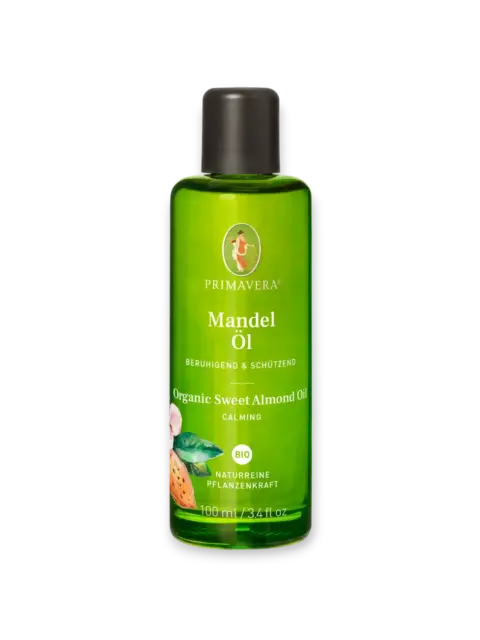
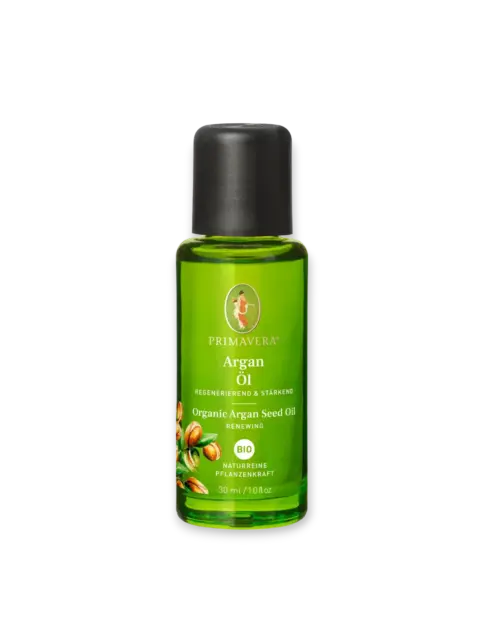
Organic cold pressed base oils
| Benefits | Recommended products |
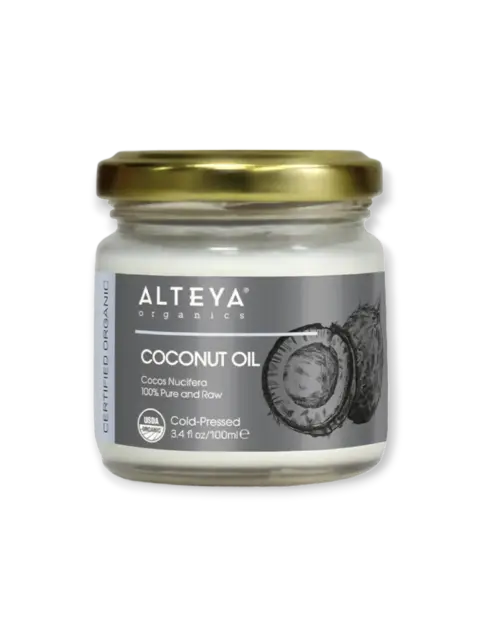
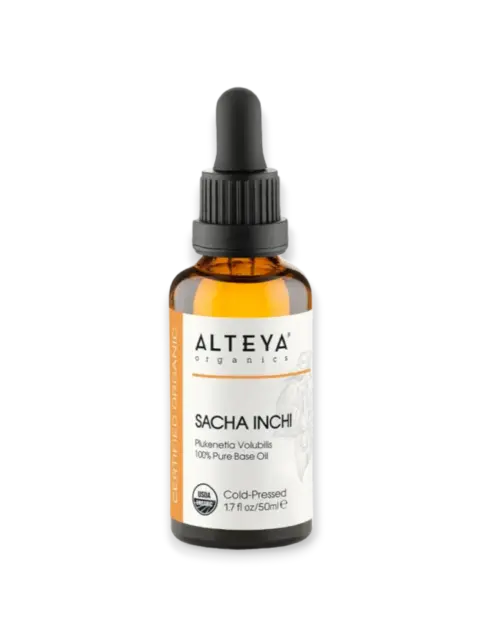
| Moisturize the skin Soften the skin Promote skin health Reduce the appearance of aging skin Protect the skin's hydration barrier Smooth the skin Show antioxidant properties | Organic argan oil Coconut oil Squalene, argan and jojoba Organic Sacha Inchi Oil Sesame oil |
Vitamin E
| Benefits | Recommended products |
| Nourishes Helps skin regenerate Moisturizes dry, itchy, scaly and burning skin Increases the hydrating efficacy of moisturizing ingredients Gently treats itching, inflammation, blisters and scaly skin | Vitamin E (Tocopherol) |
Pure clays
| Benefits | Recommended products |
| Draws moisture Cleans skin of dirt and oil Soothes irritated sensitive skin Refreshes skin | White clay Delicate green clay Red clay Pink clay Glina Rasul Green clay Yellow clay Clay from Sardinia |
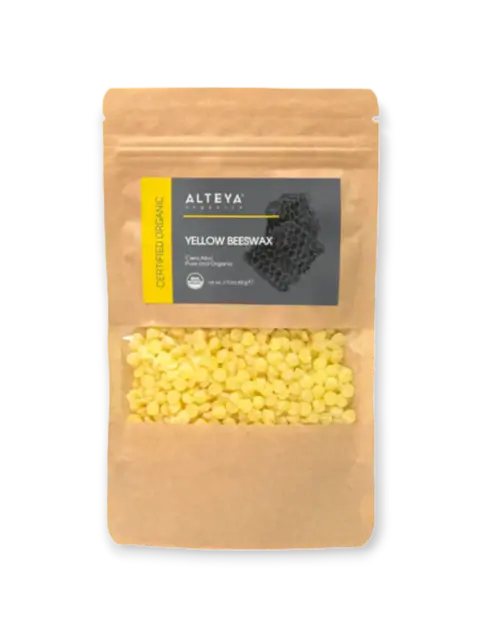
Unrefined beeswax
| Benefits | Recommended products |
| Stabilizes recipes for the right product consistency Creates a hydrating, long-lasting protective barrier on skin without clogging pores Helps seal in moisture from other hydrating ingredients Exfoliates Nourishes skin with natural vitamins Supports skin regeneration and rejuvenation Imparts a natural fragrance that's warm, sensual , floral and woody Refreshes the skin and helps restore its health Gentle enough to use even on the most sensitive part of the body Moisturizes itchy and irritated skin Softens and smoothes dry, cracked areas | Organic beeswax |
Organic unrefined shea butter
| Benefits | Recommended products |
| Nourishes the skin with vitamins A and E Moisturizes dry and cracked skin Supports skin health and cleanliness Reduces the appearance of dark spots and discoloration | Organic unrefined shea butter |
How is armpit detoxification done?
The body is not smelly inevitably or by nature - it only emits an odor when the bacteria that live on it react to what they receive as "food". A body that eats mostly unnatural, processed and refined foods, or a diet high in meat and sugars, will emit more unpleasant odors than a body that eats whole foods. Underarms won't smell bad if they only release healthy digestive waste products and excess minerals that are found in natural deodorants.
An underarm detox is often recommended to those switching from traditional deodorants and antiperspirants to natural deodorants as it is believed to help flush out pre-existing bacteria as well as the residue from previously used chemical-laden products to optimizing the action of the natural deodorant and helping the body to return to its original, organic sweating, which favors good health.
Essential Oil Recipes for Homemade Deodorant

Detoxifying spray for underarms
- 8–10 drops preferred essential oils
- 1 tbsp organic apple cider vinegar
- Distilled water up to 60 ml

Dilute the essential oils in the apple cider vinegar, add to a 60 ml spray bottle and top up with distilled water. (Note: this mixture is also suitable for hair care and foot soaks.)
Shake the bottle well, spray the mixture on freshly cleansed underarms and allow the skin to dry. It is recommended to use when the body is at rest, such as before bed; the travel-sized spray bottles allow you to continue detoxing on the go.
Repeat these steps the next day. Reactions vary from person to person; generally, results can be seen in about a week. Your underarms may need several washes during each of these days.
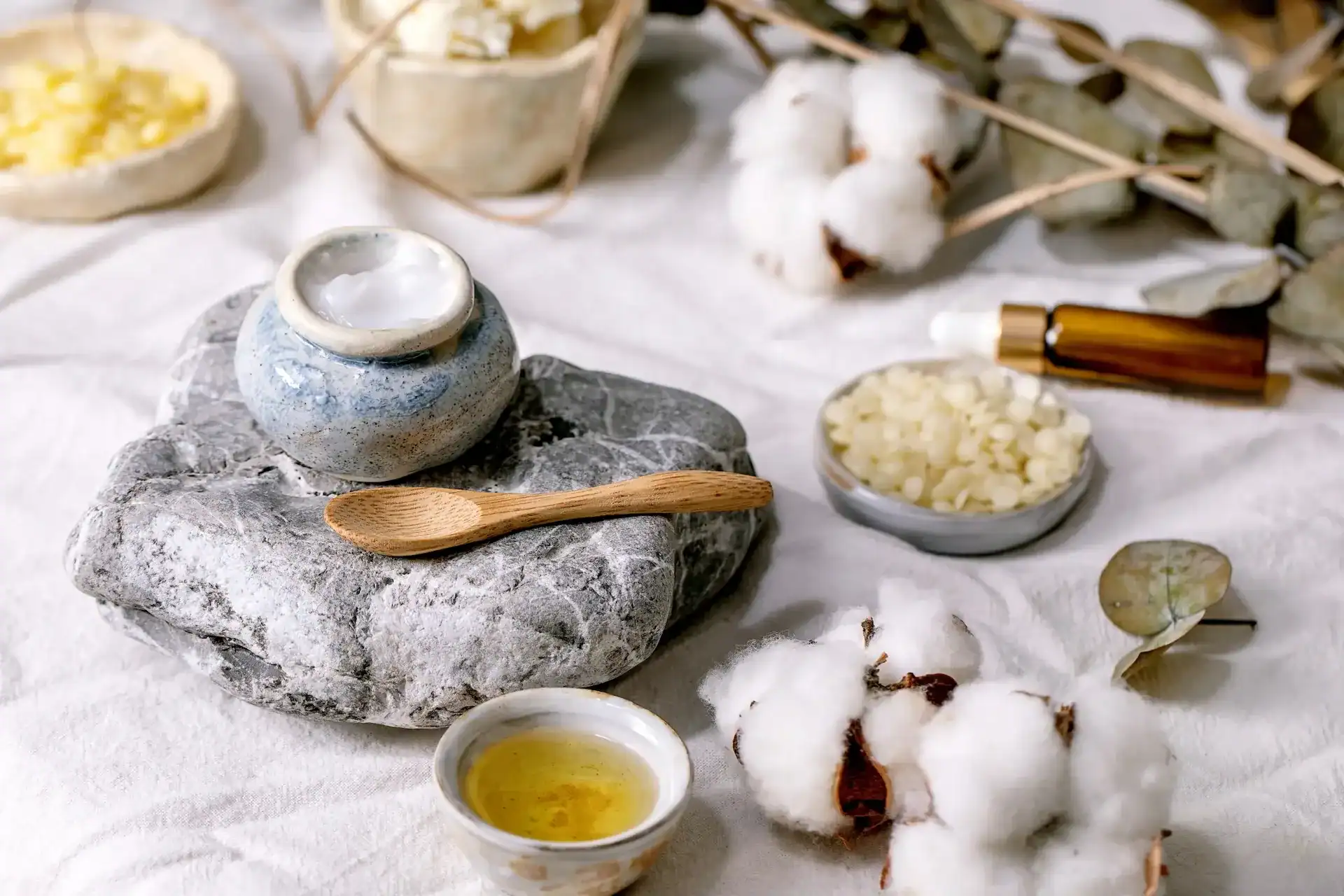
Natural homemade deodorant with essential oils
- ½ cup baking soda (less for sensitive skin)
- ½ cup cornstarch
- 5 tbsp. jojoba oil
- 15–20 drops of preferred antibacterial essential oils
*The use of organic ingredients is recommended when available.
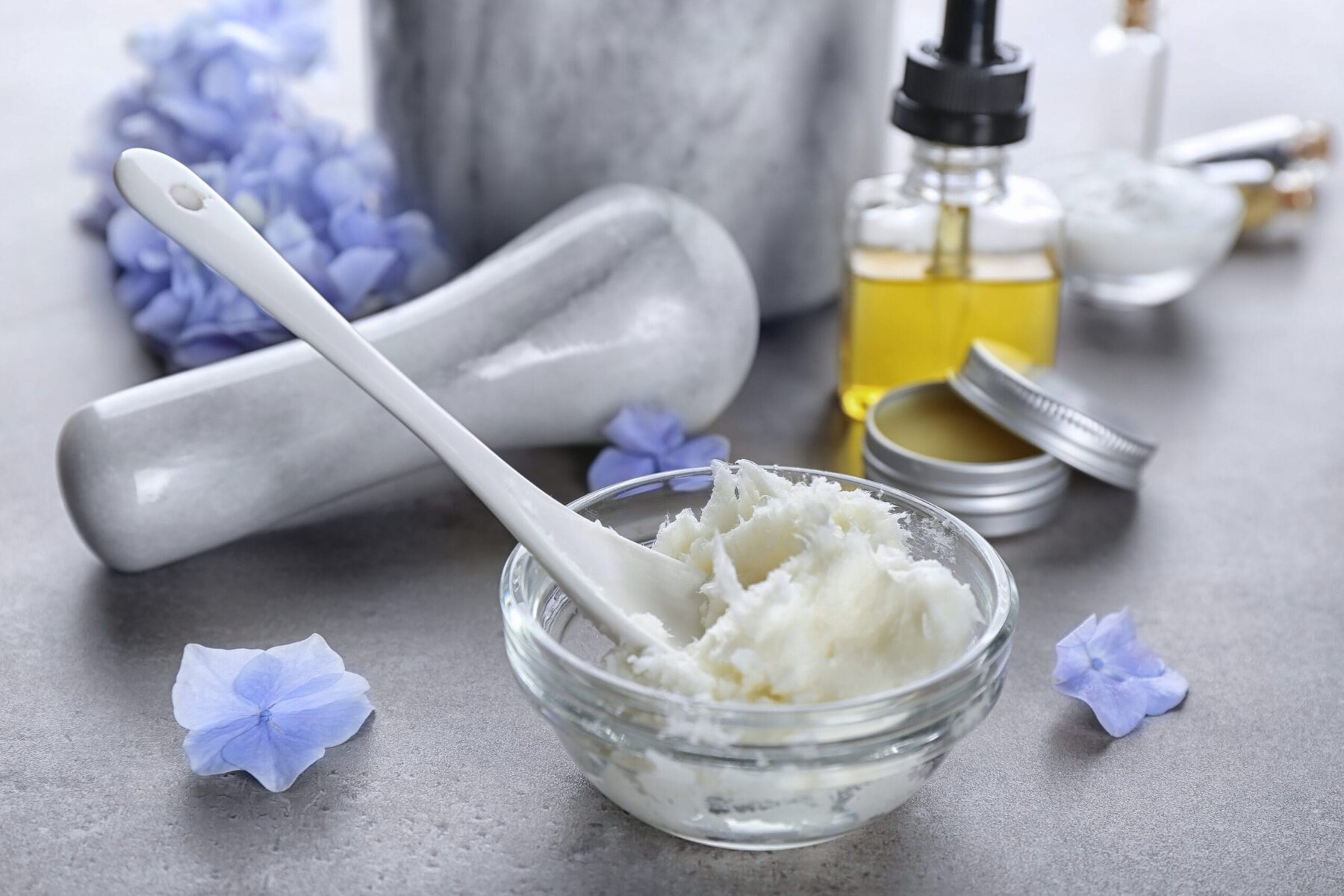
In a bowl, mix the baking soda and cornstarch well. In a separate bowl, mix the jojoba oil and essential oils. Stir the oil mixture into the powder until you reach a smooth consistency. The amount is enough for approximately 3 months. Transfer to a clean jar or deodorant tube. Apply a pea-sized amount with your fingertips or an applicator.
In cold temperatures, deodorant can harden – hold the amount on the skin to melt from body heat, or keep it near a warm shower. In hot temperatures, it can liquefy – place it in a cooler place for a few minutes.
Why isn't my homemade deodorant working?
Natural deodorants, like underarm detoxification, require persistence in order for the body to adjust to the change in skin care product and achieve the desired results. Natural deodorants should be used continuously for more than one week. The lack of functionality is not necessarily related to the ingredients in the product, but instead is usually due to one or more of the following reasons:
- An unhealthy diet consisting mostly of processed foods
- Wearing synthetic and/or tight-fitting fabrics that trap moisture and prevent the skin from breathing
- Bacteria trapped under the armpits; making sure your underarms are clean before applying natural deodorant will help it work more effectively.
What can you use as a substitute for deodorant?
For other natural deodorizing options that don't require the formulation of a deodorant cream or stick product, try the following natural antibacterial ingredients:
- Aloe vera gel
- Mixtures of essential oils – dilute with base oil before direct application
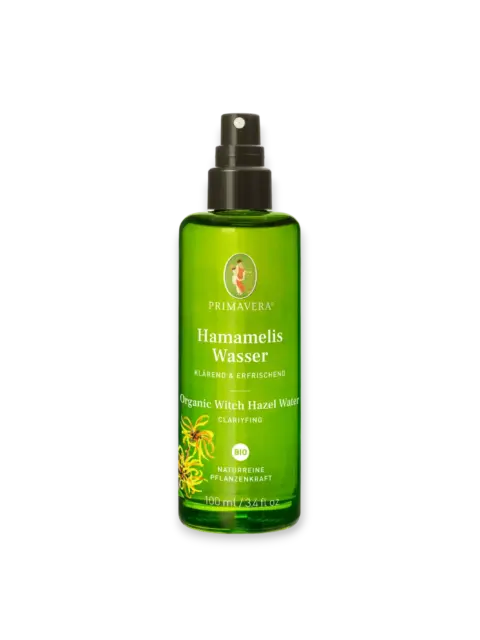
- Distillate of witch hazel
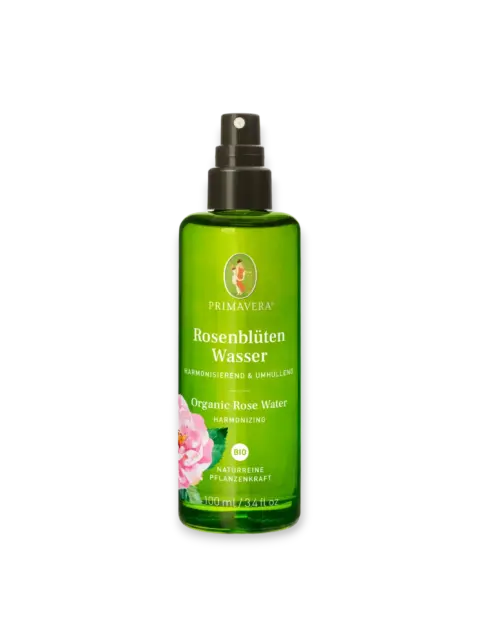
- Rose floral water
Conclusion
As with all MAKASA products, those listed in this article are for external use only. Be sure to consult a doctor before using them for therapeutic purposes. Pregnant and breastfeeding women are especially advised not to use any of the above skin care products without the advice of a doctor/dermatologist as they may affect the secretion of certain hormones and it is not clear whether these effects are passed on to babies in these stages of development. These products should always be stored out of the reach of children.
Before using any product, a skin test is recommended. This can be done by appropriately diluting (where applicable) each selected product and applying a dime-sized amount of each product to a small, non-sensitive area of skin. Individuals taking prescription medications, undergoing major surgery, or at greater risk of stroke, heart attack, or atherosclerosis are also advised to seek medical advice prior to use. In the event of an allergic reaction, discontinue use of the products and immediately consult a physician, pharmacist or allergist for health assessment and appropriate corrective action.
More interesting articles from the blog
- How to make perfume at home
- Let's make a natural mosquito and insect repellent
- Witch hazel hydrolate – benefits and application
- Floral waters – a dose of freshness for the body
- Lip balm – natural care
Categories
- Aromatherapy
- Essential oils
- Carrier oils
- Diffusion methods
- Natural cosmetics
- Recipes with essential oils
- News
 Discount: -20%
Original price was: €11.90.9.52 €The current price is: €9.52.Add to cart
 Discount: -20%
Original price was: €13.90.11.12 €The current price is: €11.12.Add to cart
 Discount: -20%
 Discount: -20%
Original price was: €14.90.11.92 €The current price is: €11.92.Add to cart
8.25 €Add to cart
 Discount: -20%
Original price was: €28.90.23.12 €The current price is: €23.12.Add to cart
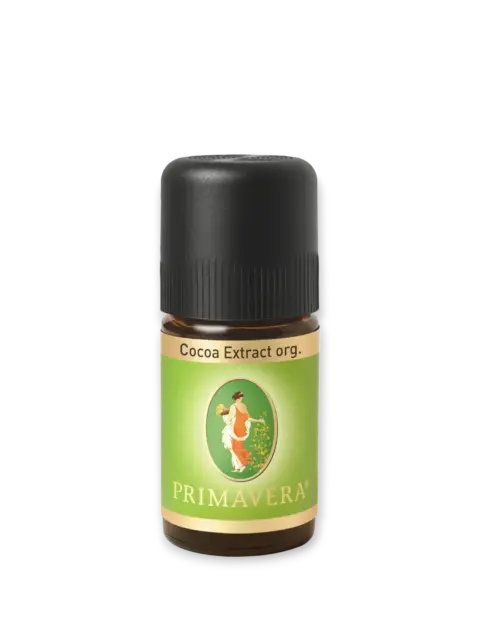 Discount: -20%
Original price was: €14.90.11.92 €The current price is: €11.92.Add to cart
 Discount: -20%
Original price was: €15.90.12.72 €The current price is: €12.72.Add to cart
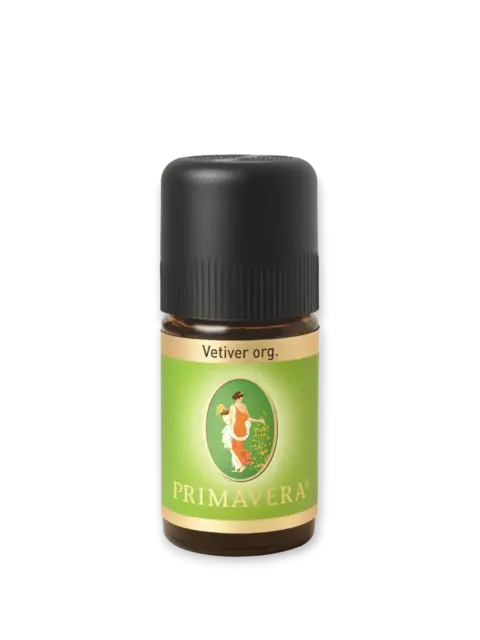 Discount: -20%
Original price was: €16.90.13.52 €The current price is: €13.52.Add to cart
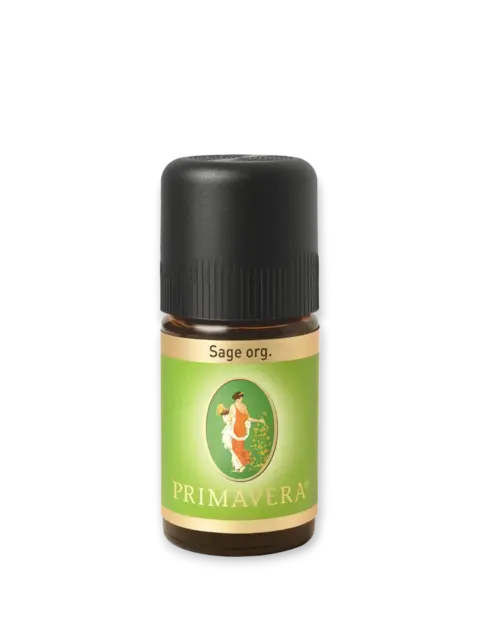 Discount: -20%
Original price was: €9.90.7.92 €The current price is: €7.92.Add to cart
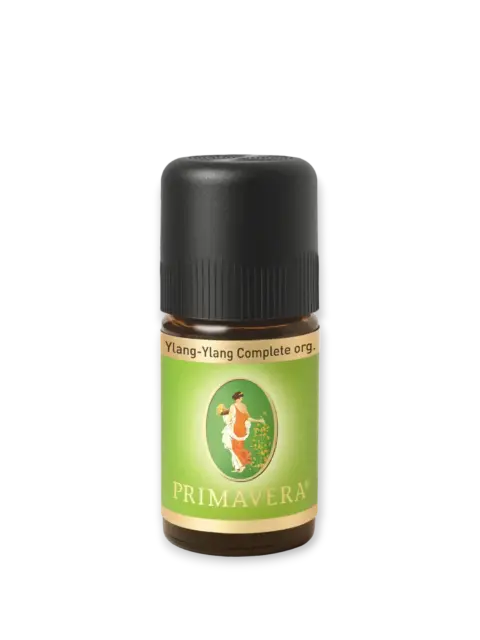 Discount: -20%
Original price was: €12.90.10.32 €The current price is: €10.32.Add to cart
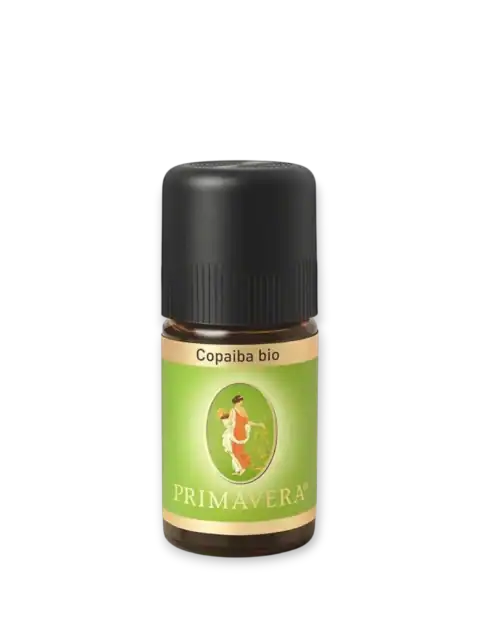 Discount: -20%
Original price was: €14.90.11.92 €The current price is: €11.92.Add to cart
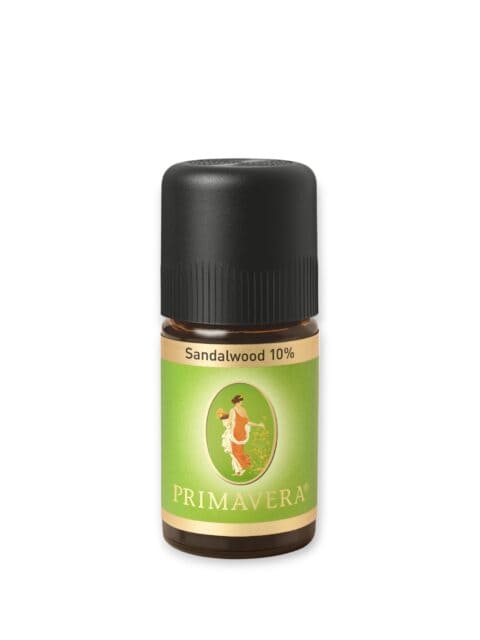 Discount: -20%
Original price was: €14.90.11.92 €The current price is: €11.92.Add to cart
 Discount: -20%