Contents
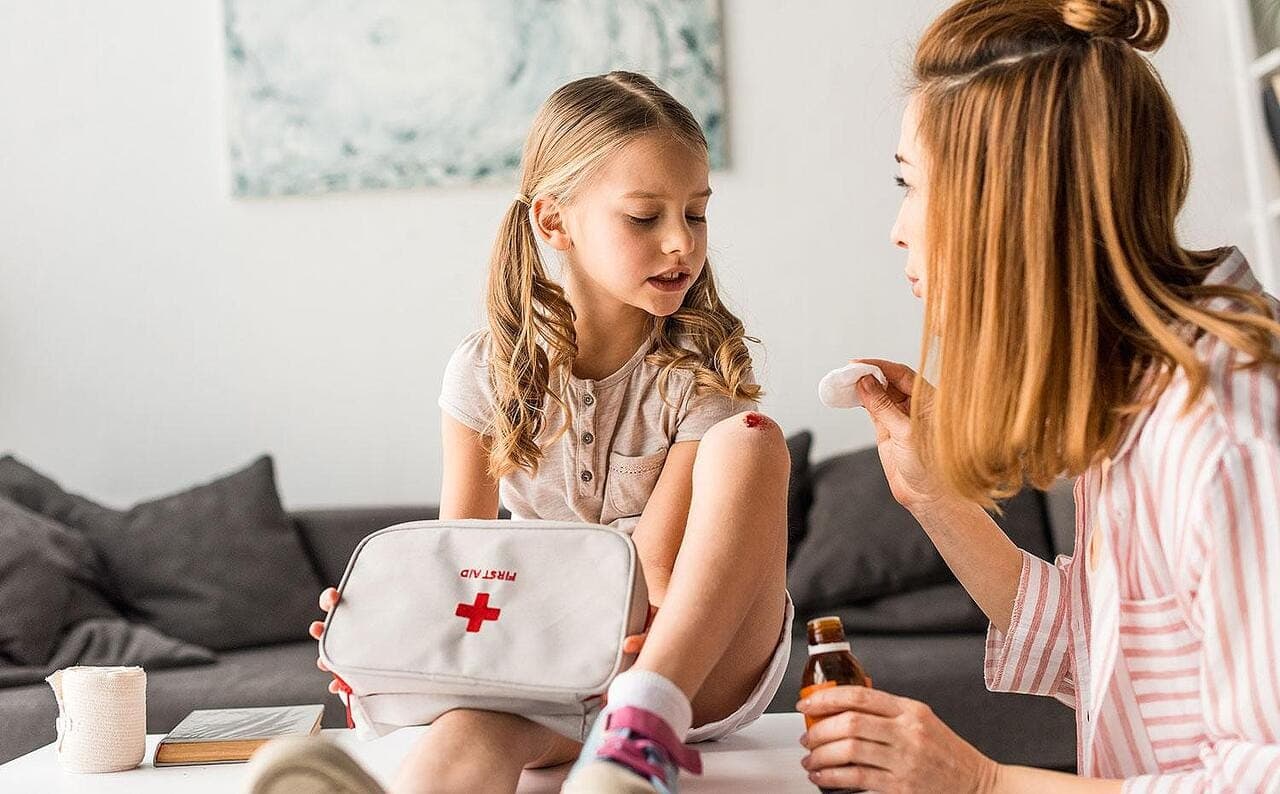
Bruises, scrapes and minor injuries are something we all deal with quite often. Unfortunately, no matter how careful we are, there is no way to avoid them. Sometimes minor domestic accidents happen with the kitchen knife or while shaving... Maybe your child fell on the playground and scraped his knee? Sometimes small injuries happen unnoticed, they are just a part of our daily life.
In short
- Selected essential oils can help care for minor abrasions, bruises, and scars.
- Clean the wound before application and always dilute oils in a carrier oil.
- For deep or infected wounds, seek medical attention - aromatherapy does not replace it.
In this article, we will guide you to some of the most effective essential oils that can be a first aid for various injuries, scrapes and bruises. Small wounds are usually nothing serious, but it is important to clean them, especially if you plan to apply essential oils to them afterwards. It is best to clean the wound with water and rivanol to remove excess dirt. Most minor cuts or scrapes stop bleeding after a relatively short time.
Why essential oils help with cuts and scrapes
Essential oils are highly concentrated oils extracted from various types of plants and are an excellent home remedy for people who prefer to use natural remedies. Essential oils contain the “ immune system of the plant ”, which is why, when distilled properly, they yield healing and therapeutic properties.
Most essential oils have antiseptic properties , meaning they prevent the growth of bacteria and other microorganisms. This is not surprising, considering that the extracted oil contains the plant's immune system.
In addition to having disinfectant properties, essential oils can aid in wound healing by:
- slowing of bleeding;
- pain relief;
- counteracting future scars;
- reducing inflammation.
In general, essential oils are great for relieving minor wounds, cuts, or scrapes.
What oils can I use on my wound?
After the wound is thoroughly cleaned, you can treat it with essential oil. We present to you the TOP 7 essential oils for wounds, abrasions and scars – How to apply them; What is their effect; How can you combine them for the best effect?
*For a quick recipe , use 3–4 drops of oil to 1 teaspoon of a carrier oil, such as fractionated coconut oil or sweet almond oil.
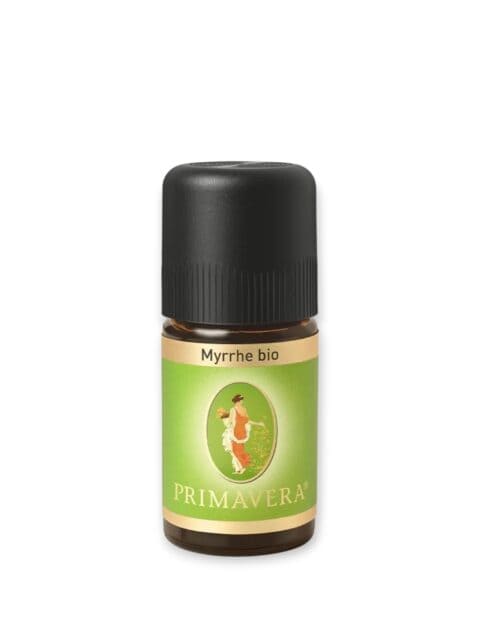
1. MYRHY
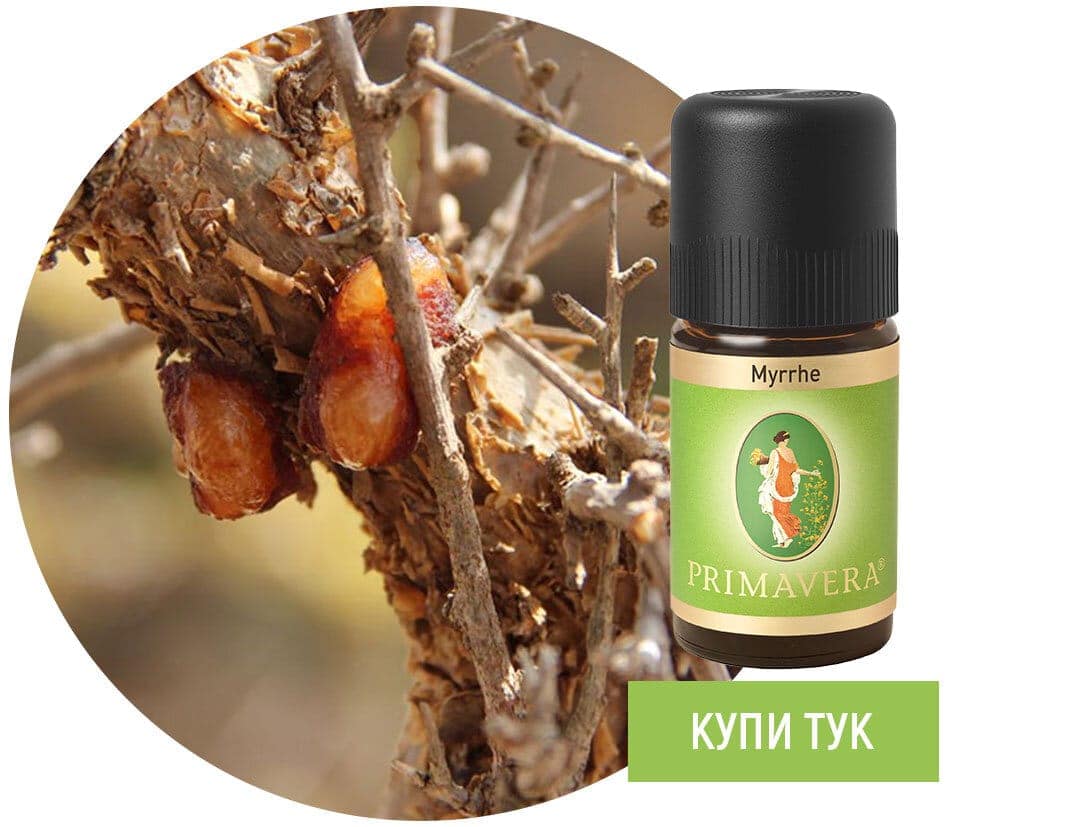
Myrrh essential oil is extracted from the resin of the Commiphora tree.
Whenever we see an open wound, we think of Myrrh essential oil! Greek soldiers used myrrh on the battlefield to disinfect their wounds and stop bleeding. That's exactly what we want to do when we get a scrape or cut. So we immediately go for the bottle of myrrh oil.
Don't worry if your myrrh essential oil pours slowly or if you have a hard time getting a drop out of your bottle. This is completely normal. Myrrh is made from the resin of a tree and by its nature is quite sticky and thick in consistency. Since myrrh has a very specific smell, it is suitable to combine it with pleasant aromas, such as those of lavender, lemon or mint. All of them are also suitable for treating minor injuries.
In fact, making a homemade wound healing salve is a great practice! For maximum results, use essential oils in different combinations. It is recommended to use 3 to 5 different oils in one blend to get the best balance of healing properties.
2. TEA TREE
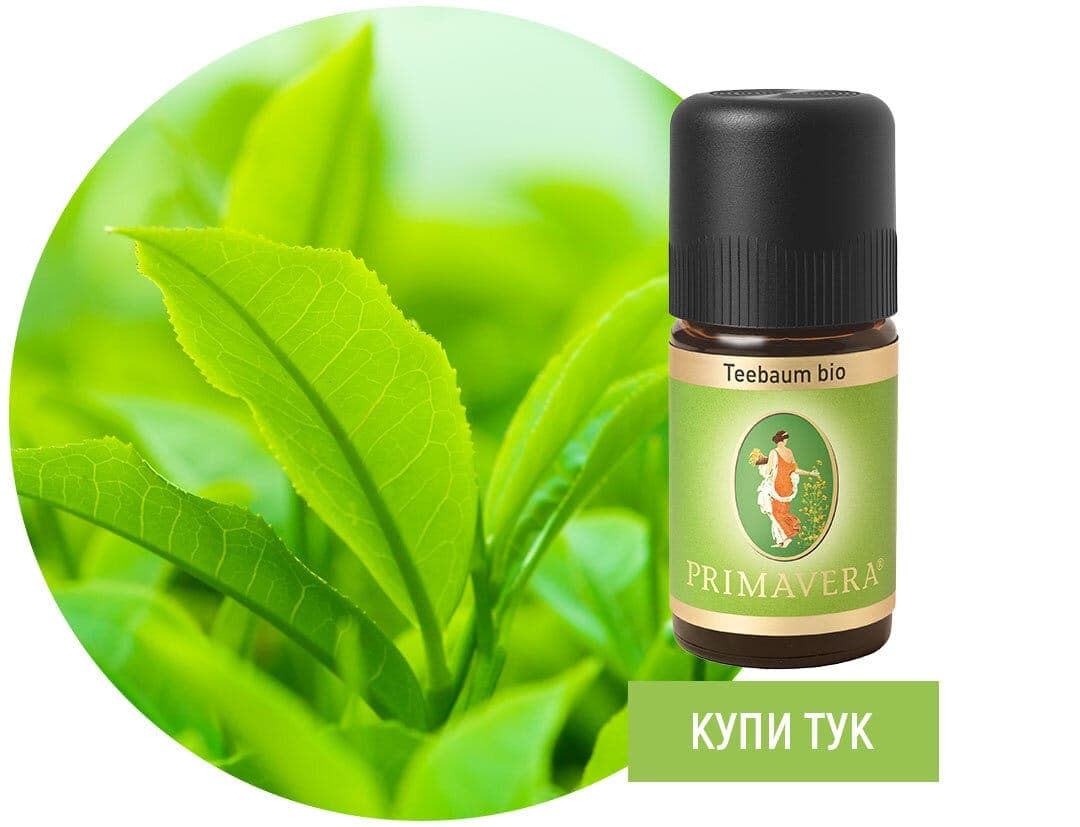
Tea tree essential oil is absolutely amazing!
If you don't have myrrh at home, tea tree essential oil will also help with injuries. It will protect the wound from infection and inflammation by forming a protective barrier between bacteria and your blood.
Its antiseptic, antimicrobial and antifungal properties reduce the chance of possible infection and bacterial growth. Tea tree oil destroys harmful microorganisms that can cause unwanted infections in your body. It is also useful for soothing the itching, burning and redness that often accompany insect bites, minor wounds and skin healing as scarring occurs. Tea tree is one of those all-around powerful essential oils that enjoys a lot of popularity in alternative medicine. It has become a natural ingredient in many cosmetic products, such as facial soaps, shampoos and ointments.
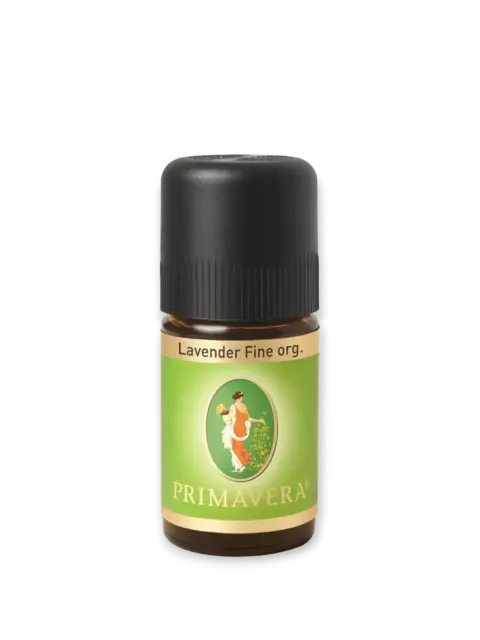
3. LAVENDER
Smells divine and works wonderfully!
Lavender essential oil is also one of the most powerful essential oils in the world, suitable for healing cuts and scrapes. It will not only disinfect the wound, but also help reduce the burning, pain or itching that accompanies open wounds on your skin. Since lavender is an extremely gentle oil, it is perfect for home treatment and for children. For example, a roll-on with lavender, which is always on hand, is a great remedy for insect bites. The oil removes the burning and itching sensation almost immediately.
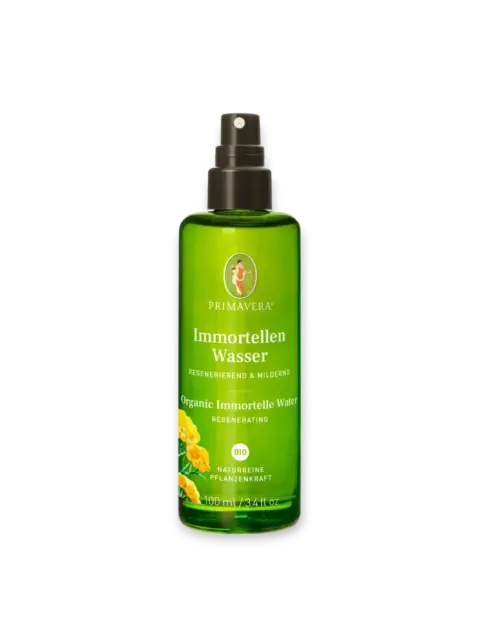
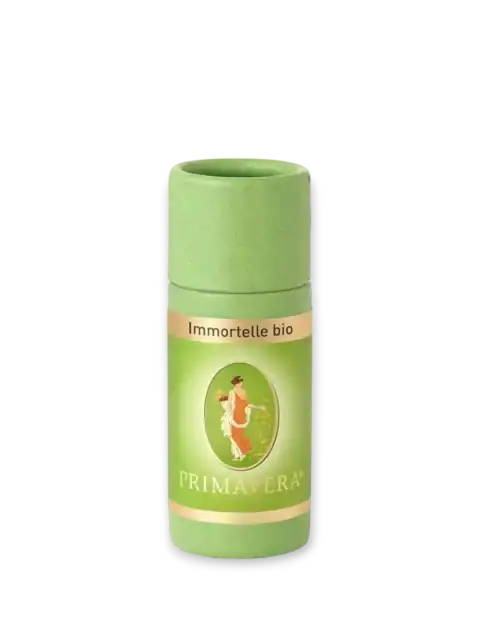
4. IMMORTAL
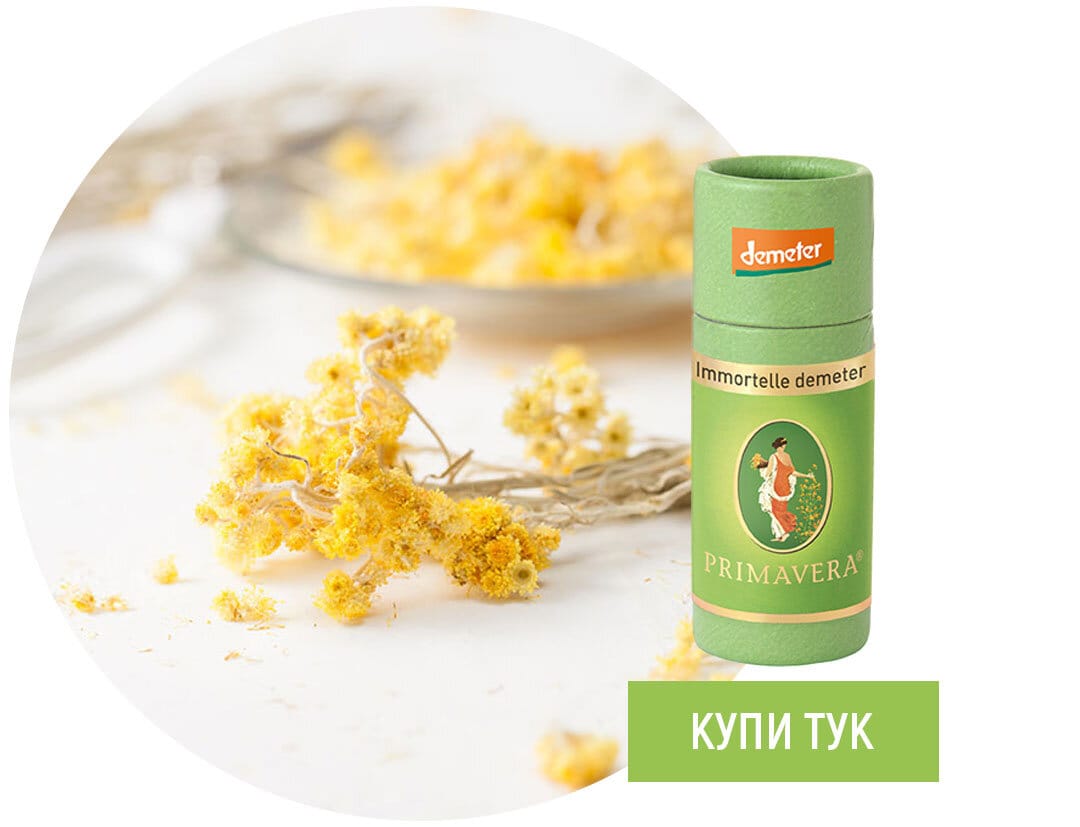
Immortelle is great for relieving many skin ailments.
Immortelle oil has a number of beneficial properties that you can use to relieve almost any type of skin condition. It has antibacterial properties and works especially well on injuries, bruises, and swelling. If you've bumped your ankle or foot and are experiencing those pesky blue-green bruises, use immortelle oil.
Pure immortelle essential oil is expensive. A more affordable option is in combination with a carrier oil (eg jojoba) which is successful and also works great as a therapeutic home remedy.
5. INCENSE
Frankincense Boswellia is an extremely valuable essential oil for your home medicine cabinet.
Frankincense essential oil is popularly known as the “king of essential oils” and has powerful anti-inflammatory, pain-relieving, and immune-boosting properties. One of the most widely used healing oils in the world of aromatherapy. Frankincense essential oil helps rejuvenate damaged skin. It is a great partner in any wound healing blend. Combined with lavender and immortelle, it is one of the best skin healers in the world!
6. ROSEMARY
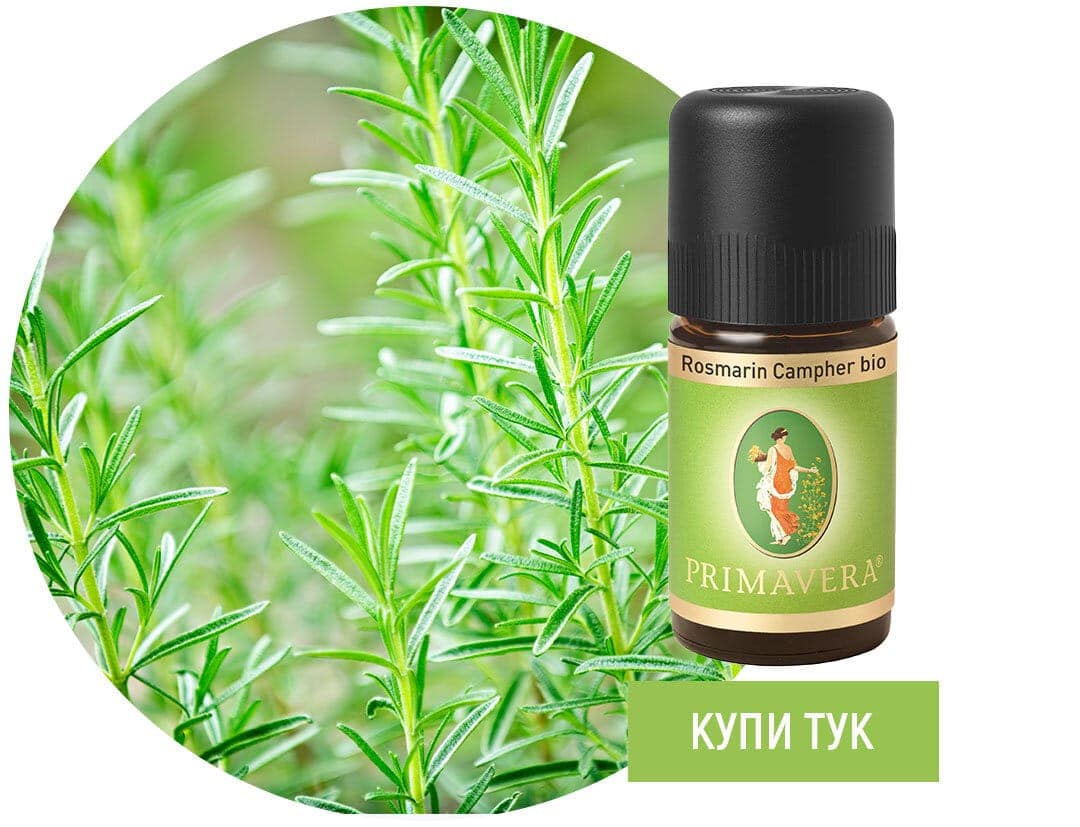
Rosemary is fresh and spicy.
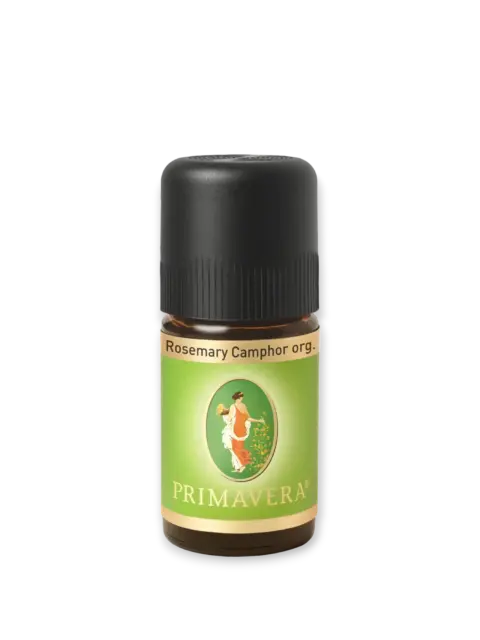
Rosemary essential oil resembles the properties of lavender oil. It is very restorative and helps prevent infections in the body. Rosemary has several chemotypes. The most common is ct. camphor , which reduces swelling and promotes blood circulation. It has a strong, fresh, herbal and woody aroma, which is much more intense and energizing than that of lavender. For this reason, you should be careful not to use it in the evening.
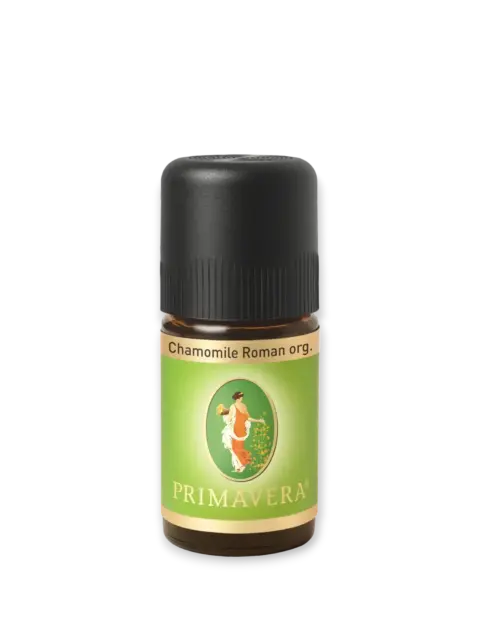
7. CHAMOMILE
Chamomile comes in two popular types, German chamomile (Matricaria recutita) and Roman chamomile (Chamaemelum nobile).
In general, Roman chamomile is gentler, so more suitable for use in children. This essential oil also balances and calms the spirit, so it can help your little one better deal with the emotional stress associated with their injury.
German Chamomile has a light blue color so be careful if you apply it topically it can leave unwanted stains on your clothes. However, German Chamomile is great for the skin and helps it heal quickly after abrasions. Both varieties of chamomile have powerful healing properties. Therefore, they are also used for digestive problems, nausea and vomiting, as well as for the well-being of children.
The best essential oils for preventing scars
The skin is the largest organ of the human body and deserves maximum care. If you've injured yourself and want to prevent scarring, here are some tips:
- Keep the chafed area hydrated and clean. Not only does this help speed healing, it will also reduce future scarring. Your skin needs a good balance of moisture to heal and create new skin. If you let it dry, especially on a wounded area, the skin becomes much more susceptible to additional environmental stressors such as heat, cold, dry air, touch or irritation. This can slow down the healing process or stop it altogether, leaving behind unwanted scars and blemishes.
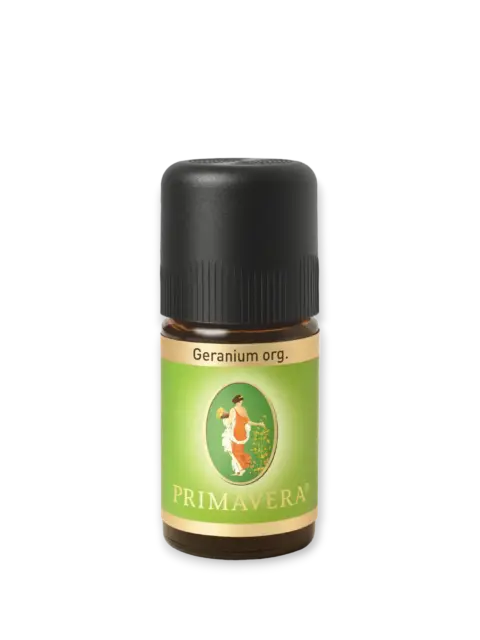
- After the initial wound has healed for about 2-3 days, add healing essential oils to your salve. Geranium works amazingly on deeper scars.
- If your bruise doesn't go away easily, you'll need to address the underlying cause that caused it to appear. Contact your doctor as soon as possible if you think you have an infection.
Recipes for wounds, abrasions and scars
Here are our suggestions for home treatments for all kinds of minor scrapes and cuts. They work fantastically against itchy skin or dry skin.
FIRST AID BLEND
- 30 ml organic calendula oil
- 6 drops myrrh
- 6 drops incense
- 6 drops lavender
Begin by pouring the base oil into an empty 30ml glass bottle. Add the essential oils and shake well. Apply it immediately to the wound. For best results, repeat every 2 hours for the first day. After 2-3 days, switch to "Scar Ointment" (recipe below).
SCAR OINTMENT
- 15 ml hazelnut base oil
- 15 ml sweet almond oil
- 6 drops lavender
- 4 drops immortal
- 3 drops incense
- 2 drops geranium (it will flavor the mixture very nicely)
Mix the carrier oils in a dark glass bottle. Add the essential oils. Shake well before each use and apply to the scar as often as needed – especially when you feel it starting to itch!
Most small wounds heal on their own. However, when the injuries are significant (deep wounds, large abrasions) you should contact your doctor or an emergency medical center. Deep cuts/wounds should be closed with stitches to avoid the risk of infection. Sometimes smaller wounds that aren't deep (the skin isn't open and gaping) may not need actual stitches, but still benefit from sterile dressings.
MORE INTERESTING ARTICLES FROM THE BLOG
- HOW TO USE ESSENTIAL OILS ON CHILDREN
- 5 TIPS FOR A PLEASANT BACK TO SCHOOL AFTER HOLIDAYS
- 5 ESSENTIAL OILS TO HELP WITH INSECT BITES
- HOW TO USE ESSENTIAL OILS SAFELY?
- ESSENTIAL OILS - APPLICATIONS AND BENEFITS IN AROMATHERAPY
CATEGORIES

———————–
Sources
Wikipedia
https://www.essentialoilhaven.com/essential-oils-for-cuts-scrapes-wounds/
Written by Kremena Petrova, translated by Magma-Digital Marketing Agency
Photos: Depositphotos, Primavera Life, all rights reserved
20.90 €Add to cart

11.90 €Add to cart
19.90 €Add to cart
17.90 €Add to cart

10.90 €Add to cart

15.90 €Add to cart

15.90 €Add to cart