
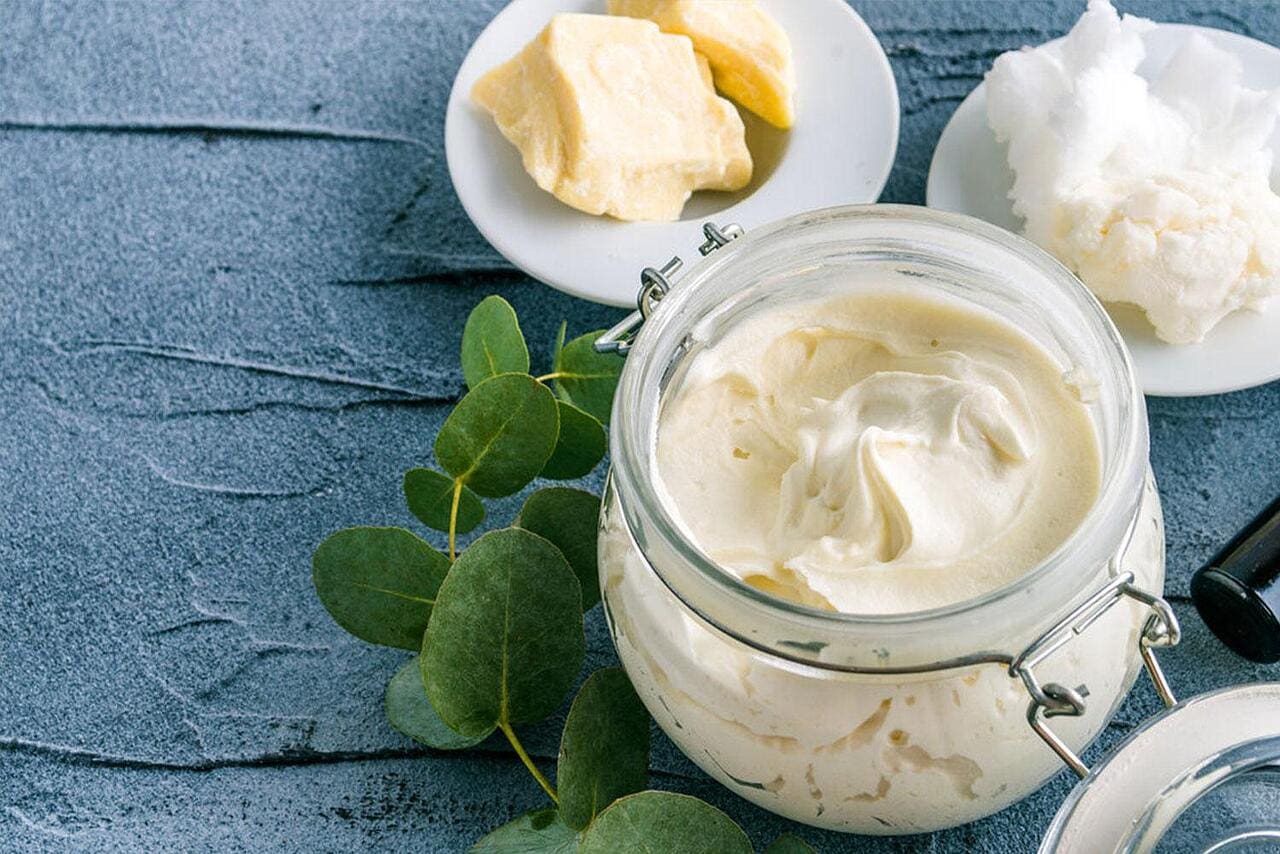
Carrier oils are a key part of aromatherapy, which involves the application of essential oils to support our physical and emotional well-being. Knowing the properties and characteristics of carrier oils is an important step in perfecting your skincare routine.
Carrier oils dilute concentrated essential oils so that they can be safely applied to the skin without causing any unpleasant side effects, such as a rash or other type of skin reaction. In fact, carrier oils help essential oils “carry” deeper into our skin. Many carrier oils are also edible and have culinary uses. It is important to note that when purchasing carrier oils, they should be organic, 100% pure, without additional chemical impurities, and of such quality that you can season your food with them.
What exactly are base oils?
A carrier oil is a vegetable oil derived from the fatty part of a plant, usually from the seed or kernel. Carrier oils also have their own distinct therapeutic properties, and your choice of carrier oil should depend on what skin benefit you are looking for. Vegetable oils are pure organic products. They easily penetrate the skin because it is permeable to oil, giving it a velvety softness and smoothness. They accelerate cell turnover, improve hydration, and promote collagen formation. It is the fatty acids they contain that are indispensable for the skin because they are easily absorbed by it and have the property of retaining moisture.
But why are carrier oils so important when using essential oils? The short answer is because essential oils should not be applied directly to the skin undiluted, as they can cause rashes, burns, and more dangerous side effects. That’s why carrier oils are so important—they ensure that essential oils are safe to apply to your skin.
The carrier oil helps prevent the essential oil from evaporating, increasing its beneficial properties and enhancing its therapeutic qualities. Let's dive into the unique benefits of carrier oils and tell a little more about them!
How to use base oils for the face?
Body massage oils are made by combining essential oils with one or more carrier oils. It is important to follow the guidelines for the appropriate ratio of essential oils to base oils. For a detailed description of dilution methods, you can read our article on how to use essential oils safely.
The National Association for Holistic Aromatherapy (NAHA) recommends that when creating body massage oils, essential oils be diluted from 2,5% to 10%. For treatments and other home-made facial products, the dilution ratio of essential oils to carrier oils is lower. Those of you with sensitive skin should use 0,5% to 1% essential oils in facial treatments, while those with normal skin sensitivity can use 1% to 2,5%.
In this article, we have prepared a list, which of course is not completely exhaustive, with the help of which you can orient yourself, which oil would be suitable for your skin.
A few helpful tips when using carrier oils for the face
- Always apply a base oil to previously well-moisturized skin with floral water or another water-based cosmetic product. In this way, moisture is "sealed" in the skin and the beneficial effect is stronger.
- The skin needs no more than 2-3 drops of base oil.
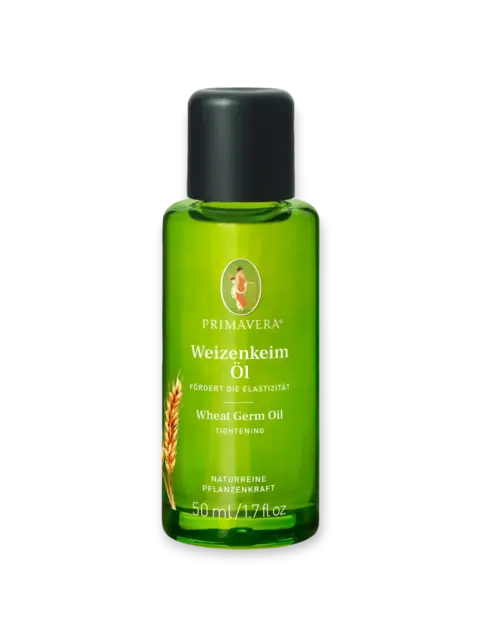
- Follow the recommendations given by the manufacturers - some oils, such as wheat germ, are not recommended for skin care, and others, such as avocado, evening primrose, etc. are not applied alone. Make a mixture with a lighter (aragan) oil.
- You can add a suitable essential oil to the base oil to enhance the desired effect. Always follow the recommended doses for diluting essential oils.
The aroma of the carrier oil
Although most vegetable oils are odorless, some of them have a faint aroma that is nutty or characteristic of the predominant saturated fatty acids (Omega-3,6,9, etc.). Although most base oils are unscented, you should consider the scent of any ingredients you plan to mix to avoid really frustrating situations. If you don't like the scent of the base oil and find it unpleasant, you can always add a drop of lavender, geranium or other floral essential oil.
Absorption rate and comedogenic index
Not all oils are absorbed by the skin in the same way. Depending on their density, some can penetrate very easily, while others take a while. You should keep in mind that if you use a carrier oil that absorbs faster into the skin, then the essential oil will also absorb faster, but its fragrance will also evaporate faster.
The comedogenic index determines the tendency of a base oil to clog pores. What do these numbers mean?
- 0 – No risk of clogging pores
- 1 – Low index
- 2 – Relatively low (not recommended for face use alone)
- 3 – Medium (do not apply alone on the face, it must be a mixture with another light oil)
- 4 – Medium high (does not apply to face)
- 5 – High (does not apply to face)
Shelf life of base oils
Some oils last longer than others, so when deciding which oil to use, keep in mind the expiration date and how much to use for your blend. Most oils do not have serious side effects even after going rancid, but they lose all their properties and will not have any benefits for the skin.
The production process of oils
At MaKaSa you will find only high-quality products from Bulgarian and global manufacturers who are responsible for the production of base oils, as well as for all their advantages, which we will discuss below. The way the oil is obtained is really important for the final product. Cold-pressed oils are considered the best quality, as well as those obtained by maceration (a method in which the plant raw material - marigold flowers is soaked in vegetable oil, most often sunflower, to extract its properties). Remember that to preserve the freshness of base oils and avoid them going rancid quickly, they should be stored in a cool place and away from direct light.
Refrigerating oils sometimes helps them retain their freshness, but some oils should not be refrigerated, such as avocado and jojoba oil (they thicken to a solid, cloudy state).
Base oils according to skin type
Some oils are suitable for certain skin types, while others can even make it worse. For example, olive oil is rich in nutrients and can really help your complexion and body skin, especially for dryness or stretch mark prevention. But it is not recommended to be applied on a face with oily or acne-prone skin because it will not only clog the pores but also worsen the overall appearance of the face. Below you will find a list of carrier oils that are suitable for different skin types, as well as tips for using them.
Normal skin
- Argan oil | com. index 0 | Quickly absorbed | Soothes, strengthens, softens, hydrates. Antiaging action. A powerful antioxidant. Reduces sebum production.
- Almond oil | com. index 2 | Moderately absorbed | Softens, moisturizes, hydrates. Universal oil suitable for children.
- White meadow | com. index 1 | Quickly absorbed | Long-lasting oil. Retains moisture, maintains skin collagen. Hydrates, protects.
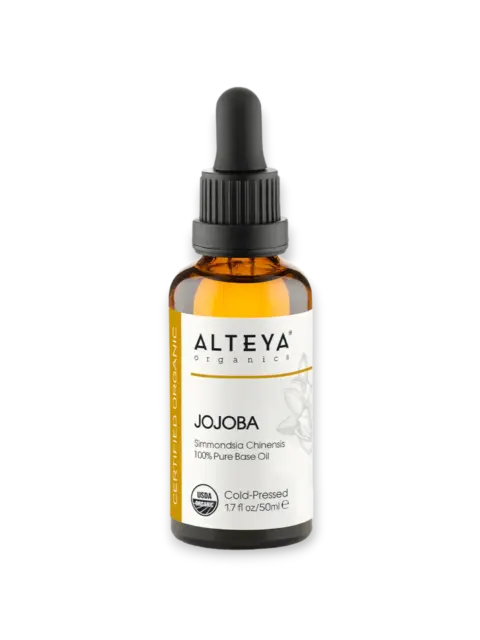
- Jojoba| com. index 2 | Quickly absorbed | Universal oil. Closest to the skin's sebum. Moisturizes, nourishes, penetrates deep into the skin. Do not store in the refrigerator, the oil thickens.
- Grape seeds | com. index 1-2 | Quickly absorbed | Nourishes, moisturizes. Light consistency.
- Hemp| com. index 0 | Quickly absorbed | Balances sebum production. Moisturizes, soothes redness. Anti-inflammatory properties, improves blood circulation. Great oil for acne.
- The cards| com. index 0-2 | Moderately absorbed | Deep hydration, gentle oil, suitable for babies and young children. Moisturizes, softens, hydrates, seals in moisture, brightens the complexion. Universal oil, suitable for all procedures.
- Mango| com. index 2 | Moderately absorbed | Moisturizes, softens, soothes the skin. Suitable for various dermatitis conditions (bites, eczema, psoriasis). Also suitable for anti-aging facial care. Do not use alone.
- Castor oil | com. index 1 | Slowly absorbed | Thick oil, rich in ricinoleic acid. Has anti-inflammatory effects. Helps fight wrinkles. Do not use alone.
- Saffron | com. index 0 | Slowly absorbed | Soothes irritations and the feeling of dryness and tightness. For a radiant complexion and soft skin.
- Sunflower oil| com. index 0 | It is slowly absorbed Rich in vitamin E, vitamin F, Beta-carotene, activates the formation of new cells, supports the recovery processes of the dermis.
- Fractionated coconut oil | com. index 2-3 | Slowly absorbed | Suitable for mixing with essential oils. Do not use alone on the skin.
Dry skin
All of which are also suitable for normal skin. Some oils should not be used alone as they have a high comedogenic index. It is good to be distributed in percentage with other non-comedogenic oils. So you can create fatty synergies for the face, for example, combine 30% evening primrose oil with 70% argan oil (3+7 tbsp. spoons). To hydrate, add vegetable glycerin as well. Always apply to damp skin to seal in moisture.
- Avocado | com. index 3 | It is slowly absorbed Not to be used alone in homemade face cosmetics mixes. Soothes, hydrates and deeply moisturizes. For intense dryness and cracks. A greasy film remains.
- Evening primrose | com. index 2-3 | Slowly absorbed | Not used alone. Has anti-aging properties, soothes, hydrates.
- Apricot nuts | com. index 2 | Quickly absorbed | Soothes irritations. It moisturizes and has anti-aging properties.
- Macadamia | com. index 2-3 | It is slowly absorbed not used alone in home cosmetic mixes. Tonifies. Rich in magnesium, copper and iron. Soothes irritations. Suitable for hair masks. A greasy film remains.
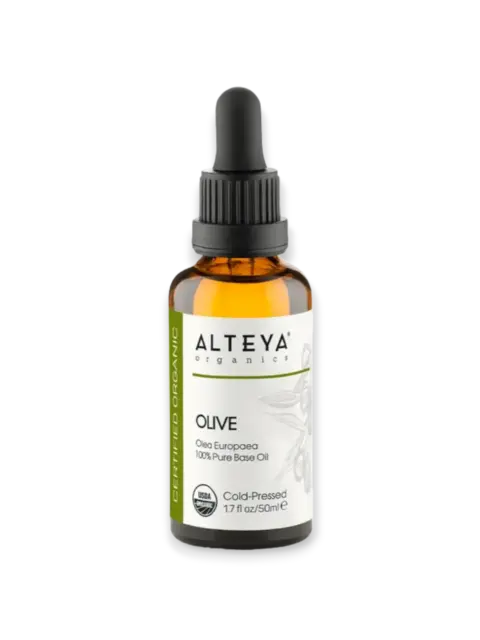
- Olive | com. index 2 | Slowly absorbed | High in antioxidants, excellent source of vitamin E. Softens, hydrates.
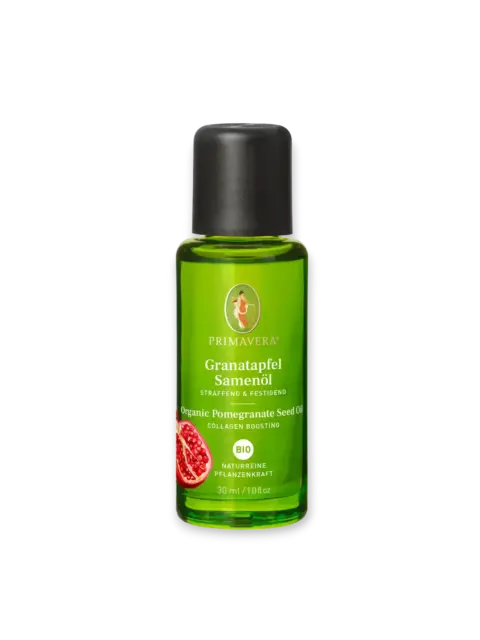
- Pomegranate seeds | com. index 1 | Moderately absorbed Moisturizes and nourishes. High in antioxidants. Stimulates collagen production.
- Rice bran | com. index 2 | Moderately absorbed For an even complexion and texture. Nourishes, soothes, softens. For radiant skin.
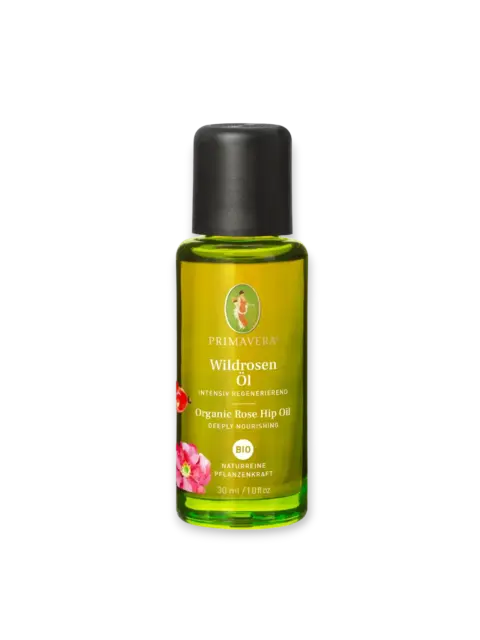
- Shipka | com. index 2-3 | Moderately absorbed Not to be used alone in homemade face cosmetics mixes. Moisturizes, softens, restores. Antioxidant, excellent antiaging care.
- Chia seeds| com. index 2-3 | Moderately absorbed | Not used alone. Nourishes, hydrates. Promotes cell regeneration.
Mature skin
All of which are suitable for both normal and dry skin. Some oils should not be used alone as they have a high comedogenic index. It is good to be distributed in percentage with other non-comedogenic oils. So you can create synergies for a face, for example combine 30% evening primrose oil with 70% argan oil (3+7 tablespoons). Always apply to damp skin to seal in moisture.
- Baobab| com. index 3 | It is slowly absorbed Not to be used alone in homemade face cosmetics mixes. High in antioxidants. Restores cells, reduces fine lines. Hydrates, maintains elasticity.
- White meadow | com. index 1 | Quickly absorbed | Long-lasting oil. Retains moisture, maintains skin collagen. Hydrates, protects.
- Buriti| com. index 1 | Quickly absorbed | Softens, restores, leaves an aesthetic glow. Antioxidant.
- Evening primrose | com. index 2-3 | Slowly absorbed | Not used alone. Has anti-aging properties, soothes, hydrates.
- Raspberry seeds | com. index 0-1 | Moderately absorbed Natural light sun protection. Rich in antioxidants, improves hydration. Promotes cell regeneration.
- Apricot nuts | com. index 2 | Quickly absorbed | Soothes irritations. It moisturizes and has anti-aging properties.
- Poreč| com. index 2 | Quickly absorbed | Extracts toxins, softens and anti-inflammatory properties. Restores
- Shipka| com. index 2-3 | Moderately absorbed Not to be used alone in homemade face cosmetics mixes. Moisturizes, softens, restores. Antioxidant, excellent antiaging care.
Sensitive skin
For those of you with sensitive skin, it is imperative that you do a tolerance test first before applying any product to your face. We have selected oils that have a proven soothing and toning effect. Always apply to wet skin, spray beforehand with a suitable floral water (chamomile for example).
- Camellia seeds | com. index 1 | Quickly absorbed | Nourishes, softens, hydrates. Light and gentle, the oil of Eastern beauty and geishas. It also has an anti-aging effect.
- Apricot nuts | com. index 2 | Quickly absorbed | Soothes irritations. It moisturizes and has anti-aging properties.
- Almond oil | com. index 2 | Moderately absorbed | Softens, moisturizes, hydrates. Universal oil suitable for children.
- Jojoba | com. index 2 | Moderately absorbed | Universal oil. Closest to the skin's sebum. Moisturizes, nourishes, penetrates deep into the skin. Do not store in the refrigerator, the oil thickens.
- Marigold | com. index 1-2* | Moderately absorbed It restores wounds, burns and other inflammatory conditions. Stimulates collagen production.
- Sasha Inch (Inca Inchi) | com. index 1 | Moderately absorbed | Rich in antioxidants. Excellent moisturizer, improves sebum balance. Nourishes, soothes.
- Tamanu| com. index 2 | Slowly absorbed | Not used alone in mixtures for homemade facial cosmetics. Restores, works well for redness and irritation.
* Calendula oil is obtained by oil extraction. Its comedogenic index depends on the oil in which it was soaked. Pay attention when buying for facial care!
Oily and combination skin
You have to be very careful with oils for oily skin so as not to cause the skin condition to deteriorate. Always apply to damp skin, no more than a drop or two, with gentle pats around the eye contour, avoiding the T-zone. After absorption, you can apply cream or serum for oily skin. The oils we recommend have a very low or almost no comedogenic index, so that they are not heavy and do not cause damage to the skin.
- Argan oil | com. index 0 | Quickly absorbed | Soothes, strengthens, softens, hydrates. Antiaging action. A powerful antioxidant. Reduces sebum production.
- Hemp oil | com. index 0 | Quickly absorbed | Balances sebum production. Moisturizes, soothes redness. Anti-inflammatory properties, improves blood circulation. Great oil for acne.
- Hazelnut | com. index 1 | Quickly absorbed | High vitamin E content. Restores cells, strengthens capillaries. Tones, helps tighten pores. Suitable for acne.
- Sasha Inch (Inca Inchi) | com. index 1 | Moderately absorbed | Rich in antioxidants. Excellent moisturizer, improves sebum balance. Nourishes, soothes.
What are free radicals and why are they harmful to our body?
To understand the role of antioxidants, we first need to learn a little more about the role of free radicals. Without getting too sciencey, simply put, free radicals are molecules that contain an unpaired electron. Because electrons like to be in pairs, free radicals are on a mission to find a partner for that single electron.
So far so good, but the problem comes when the free radical pulls an electron from another molecule, turning that molecule into a free radical and causing a chain of destabilization that often leads to cell damage. Both internally and externally, cell damage caused by free radicals is linked to a variety of health conditions, skin complaints and acceleration of the natural signs of aging.
What is the role of antioxidants?
Antioxidants are chemical compounds that prevent the production of free radicals and reduce the damage caused by them. Antioxidants are able to "donate" spare electrons to free radicals, thereby stopping other molecules from destabilizing. Although our body produces some antioxidants on its own, they are not enough, and the production slows down as we age.
To combat the imbalance between free radicals and antioxidants, we are always told to eat antioxidant-rich foods like fruits and vegetables. When it comes to our skin, dermatologists recommend the use of creams and products containing antioxidants, which will help increase the external defense against free radicals caused by exposure to UV rays and air pollution.
Let's talk about anti-inflammatories
Anti-inflammatories are, as their name suggests, substances that work to control inflammation in the body. These can be in both medicinal and natural forms, with many vegetables, nuts and fruits believed to be naturally anti-inflammatory.
While in some cases inflammation can be a good thing when it comes to protecting the body from infection or injury, in other situations chronic inflammation is associated with a number of diseases and conditions. Our skin can also suffer from inflammation caused by various internal processes, such as dermatitis and psoriasis, which often lead to skin irritations and redness.
What are fatty acids?
Fatty acids are chains of carbon atoms and chemical bonds that serve as energy for the heart, muscles, and other organs in the body. Crucial to the proper functioning of the body, essential fatty acids cannot be produced by our body, so the main part must come from our food and the way we eat.
Lack of essential fatty acids can also lead to a number of skin complaints, but using carrier oils high in good fatty acids directly on the skin has been proven to be an effective way to supply the good types of fatty acids.
More interesting articles from the blog
- The most popular base oils and their properties
- Jojoba oil – benefits and uses for skin and hair
- Argan oil – the gold of Morocco
- Mango butter – for beautiful skin and hair
- Camellia oil – the elixir of the East
Categories
- Aromatherapy
- Essential oils
- Carrier oils
- Diffusion methods
- Natural cosmetics
- Recipes with essential oils
- News
Conclusion
Choosing a base oil according to your skin type – normal, dry, mature, sensitive or oily – makes your routine more effective and gentle. Combine essential oils with the right concentration and, for sensitive skin, do a tolerance test.
The information in this article is for informational purposes only and is not a substitute for professional medical advice.
31.90 €Add to cart

15.90 €Add to cart
4.95 €Add to cart
Price range: €7.15 through €11.50Options This product has multiple variants. The options may be chosen on the product page
Price range: €5.85 through €8.95Options This product has multiple variants. The options may be chosen on the product page
10.90 €Add to cart
17.90 €Add to cart


