
Raspberry seeds yield a light amber oil that is rich in vitamins A and E and has a unique profile of essential fatty acids.
Raspberry seed oil, which is rich in antioxidants, is believed to be particularly beneficial for mature skin types. It is also believed to offer some protection against external environmental factors.
Although this oil should not be used as a primary source of sun protection, when mixed with a natural sunscreen, raspberry seed oil has the ability to strengthen the skin's protective barrier while filtering out some of the harmful UV rays.
Raspberry seed oil is light yet intensely moisturizing, making it suitable for dry, mature and acne-prone skin, and is gentle enough to help treat inflammatory skin conditions like eczema.

HARVEST
June and July

PART OF THE PLANT
seed

METHOD OF EXTRACTION
Cold pressing
The unique chemical profile and light yet emollient texture of raspberry seed oil is versatile and can support skin and hair health in multiple ways.
For facial care, this oil is gentle enough to use in day and night routines for natural skin care. Raspberry seed oil acts as a beautifying serum when applied after washing and/or exfoliating the face, before applying moisturizer.
Due to its antioxidant activity and potential to filter UV rays, raspberry seed oil can help protect the skin from the sun when mixed with sunscreen lotion or other sun protection ingredients.

Application and action
Raspberry seed oil is attracting the attention of the cosmetics industry and skin and hair care product manufacturers for its potential to improve skin protection from harmful UV rays. The high content of antioxidants, such as vitamin E and oleic acid, make this oil an excellent ingredient in products for dry and mature skin.
The emollient properties of oleic acid and its rich texture contribute to its ability to penetrate below the surface of the skin and restore dryness and relieve sagging. Essential fatty acids such as palmitic and stearic acids support the skin's protective barrier, further preventing moisture loss.
Vitamin A is also an important ingredient for protecting the skin from free radical damage and oxidative stress. Its antioxidant properties make it extremely suitable for dry and mature skin, while also helping the skin retain moisture.
For acne-prone skin, raspberry seed oil can serve as an effective moisturizer as it does not clog pores and balances sebum production. Its anti-inflammatory properties can slow the release of inflammatory cells that cause acne.
When it comes to hair care, many of the ingredients in raspberry seed oil are also effective in maintaining hair health and improving its overall appearance. It is believed that vitamin A stimulates the production of sebum in the scalp, as a result of which the hair acquires the necessary shine without looking greasy. The rich texture of oleic acid creates a protective layer on the hair shaft, similar to when applied to the skin. It can also promote the production of healthy hair follicles when applied to the scalp, while softening the skin directly at the hair roots. The emollient and moisturizing properties of stearic acid are similarly shown when used in hair care, increasing moisture retention. This improves the hair's overall moisture level as well as the look and feel of the hair. Stearic acid's ability to nourish and protect the hair leaves a silky finish that doesn't feel sticky, making application effortless. Raspberry seed oil smooths and adds shine to hair thanks to its high vitamin E content.
Because vitamin E acts as a natural preservative, raspberry seed oil is a stable ingredient that can extend the shelf life of natural personal care formulas. This oil has a shelf life of up to two years and does not go rancid as quickly as many nut and seed oils.
| Physical Application: Antiaging, acne, skin inflammation, dry skin, eczema, rosacea and psoriasis | Physical action: Anti-inflammatory, regenerating, hydrating |
Due to its UV filtering potential and antioxidant properties, raspberry seed oil can be added to a natural sunscreen formula or applied as a serum before applying sunscreen. As more scientific research is needed to prove the extent of the oil's sun protection factor, it is not recommended that it be used as a substitute for wearing an adequate amount of sunscreen or covering vulnerable areas with clothing. Therefore, it is safest to use raspberry seed oil as a supplement to your natural sun care routine.
Recipes with raspberry seed oil

Natural sun protection
- ½ tea cup almond oil
- ¼ teaspoon beeswax
- 2 tbsp. zinc oxide
- 1 tsp raspberry seed oil
- 1 tsp carrot seed oil
- 2 tsp shea butter
Combine all ingredients except zinc oxide in a glass jar. Melt the oils and wax in a water bath. Stir occasionally. When everything is completely melted, pour in the zinc oxide and stir while it cools to make sure the zinc oxide is absorbed by the oils. Store at room temperature or in the refrigerator. The product is not waterproof and should be reapplied after swimming. Wear a mask when pouring in the zinc oxide!
Tanning oil
- ¼ cup olive oil
- 2 tbsp. avocado oil
- ½ tsp. raspberry seed oil
- ½ tsp. carrot seed oil
- 10 drops sandalwood essential oil
- 10 drops lavender essential oil
Mix all ingredients in a dark glass jar. Shake well. Store in a cool, dark place. Use to achieve a natural tan. Avoid prolonged sun exposure without basic sun protection.
Anti-hair loss oil
- 7 tbsp. raspberry seed oil
- 1 tsp castor oil
- 1 tsp jojoba oil
- 20 drops rosemary essential oil
Mix all ingredients in a glass dropper bottle. Shake well. Part your hair and apply a few drops to your scalp. Massage gently with your fingertips. Leave on for at least 20 minutes before shampooing.
More interesting articles from the blog
- Evening primrose oil – benefits and uses
- Ylang-ylang essential oil – benefits and uses
- Neem oil – benefits and uses
- Grape seed oil – benefits and uses
- Geranium essential oil – benefits and uses
Categories
- Aromatherapy
- Essential oils
- Carrier oils
- Diffusion methods
- Natural cosmetics
- Recipes with essential oils
- News

The information in this article is for educational purposes only and is not intended to serve as a basis for prevention or treatment.
Sources:
- https://www.healthline.com/health/red-raspberry-seed-oil
- https://en.wikipedia.org/wiki/Raspberry
- Red Raspberry (Rubus idaeus L.) Seed Oil: A Review
Photos: Primavera Life
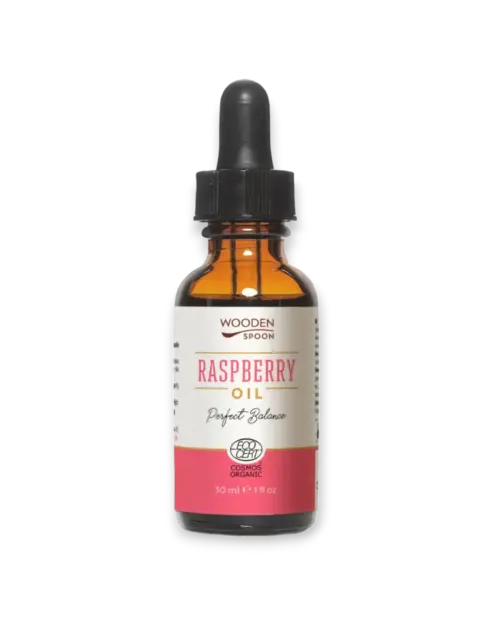 Discount: -15%
Original price was: €14.95.12.71 €The current price is: €12.71.Add to cart
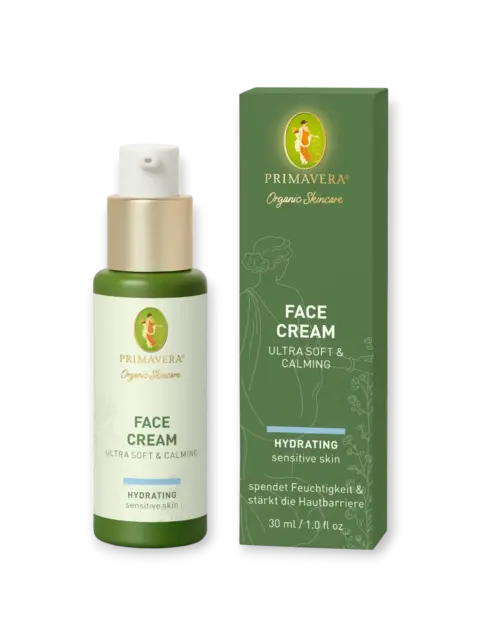 Discount: -20%
Original price was: €19.90.15.92 €The current price is: €15.92.Add to cart
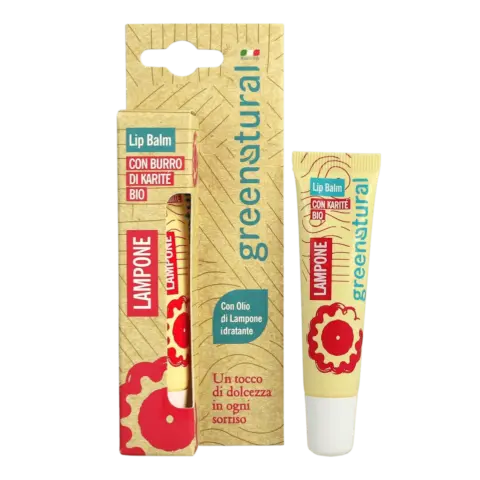 Discount: -15%
Original price was: €4.95.4.21 €The current price is: €4.21.Add to cart
 Discount: -15%
Original price was: €17.85.15.17 €The current price is: €15.17.Add to cart
 Discount: -15%
Original price was: €15.30.13.01 €The current price is: €13.01.Add to cart


