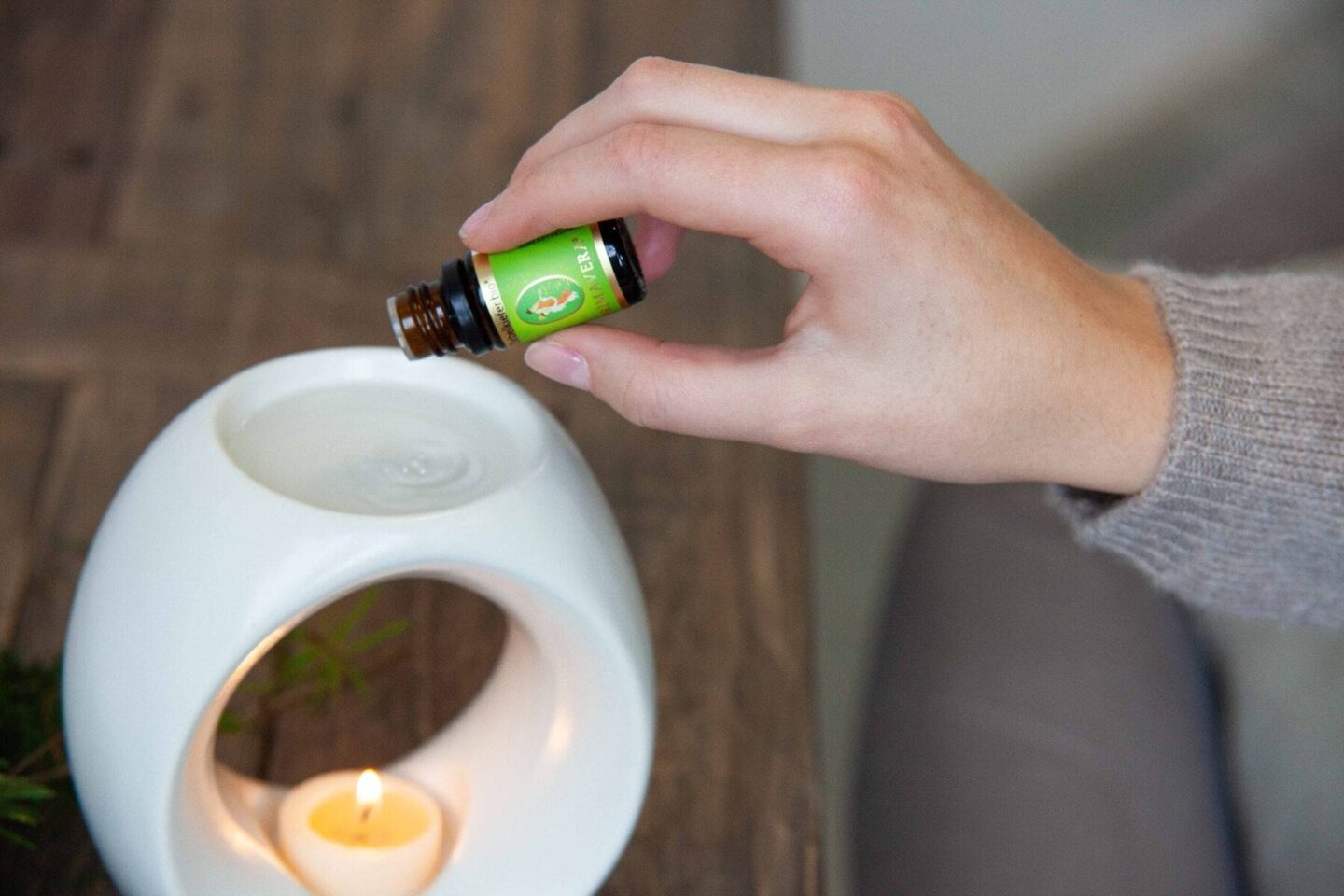
Do home fountains and diffusers purify the air in the room, or are they actually a spreader of bacteria? This is an important question, especially when used in the winter and indoors. There is good news for all users of aroma fountains and ultrasonic diffusers, both in professional and domestic environments: If the water is changed daily and the devices are emptied, dried and refilled after each use, the risk of germs is very low. Many essential oils have proven antibacterial and fungicidal effects: most bacteria are no longer detectable after just a few minutes, and fungi only survive for a few hours.

“When used and maintained correctly, a fountain and diffuser do not pose a hygiene risk. Quite the opposite: many essential oils have a strong bactericidal effect by nature,” says Gerlinde Trunzer, a medical technician who works in the microbiology department at PRIMAVERA Quality Assurance. “Both the oils themselves and the devices through which they were atomized, no or significant microbiology could be detected in the various test series,” says Trunzer.
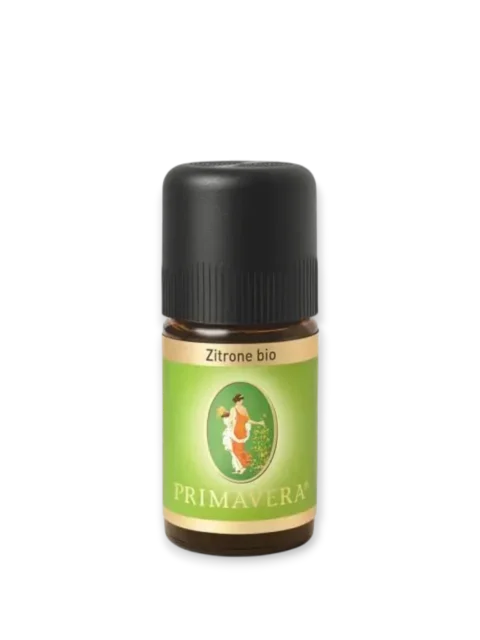
For an article in the journal Aromatherapy in 2015, the hygiene risks of using essential oils in ultrasonic diffusers and fountains were first investigated . Testers contaminated tea tree, lavender, and thyme oils, among others, with germs such as multidrug-resistant Staphylococcus aureus (MRSA), which is particularly prevalent and considered particularly dangerous. The pathogen MRSA was no longer detectable after 30 minutes, and the fungi tested also survived for a maximum of six hours. Aroma diffusers filled with both distilled water and tap water and thyme and lemon oil were also tested, as water theoretically provides a good breeding ground for germs. The liquid samples taken showed no bacterial growth.
No reproduction even over a longer period of time
In order to further investigate the risk of bacterial and fungal growth as closely as possible to practice, the above-mentioned series of tests applied “more difficult” conditions. The same amount of essential oils was used, but in three times the amount of water (100 ml instead of 30 ml). As in the study, the test was carried out with lemon and thyme essential oils , but also with a “Clean Air” diffuser blend. Both tap and distilled water were used in the PRIMAVERA “Ambiente” aroma diffuser and the aroma fountain. Each of the devices was operated for one hour, after which it was left to stand for 24 hours. Again, no or noticeable contamination was detected.
In this regard, according to experts, essential oil diffusers with a capacity greater than 200 ml and an operating time longer than 12 hours would pose a greater risk.
Daily cleaning is everything
It is important that the devices are completely emptied every day and cleaned so that they can dry completely. In hospitals and nursing homes, they should be cleaned both inside and out with a disinfectant solution. The exposure time of the surface disinfectant should be followed according to the instructions. In other words, do not leave it on for a shorter time, but do not leave it on for a longer time either.
To ensure your safety, aromatherapy experts recommend not letting water sit for more than 12 hours. No significant difference has been found between using tap water and distilled water in terms of measurable microbial load. However, to avoid scale deposits, it is preferable to use distilled water in ultrasonic diffusers.
For the most cautious, there are fan diffusers or nebulizers.
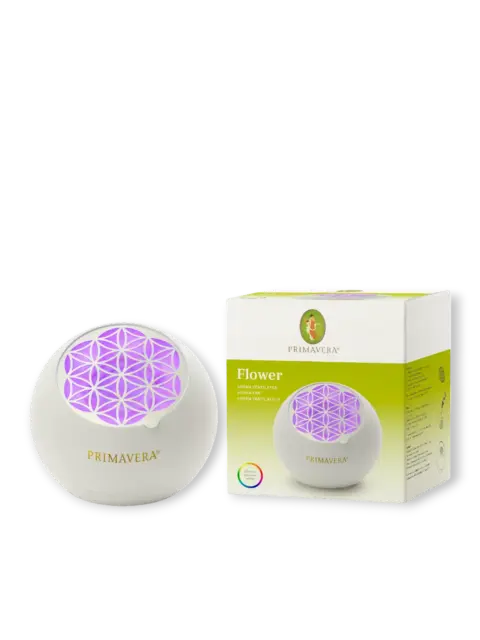
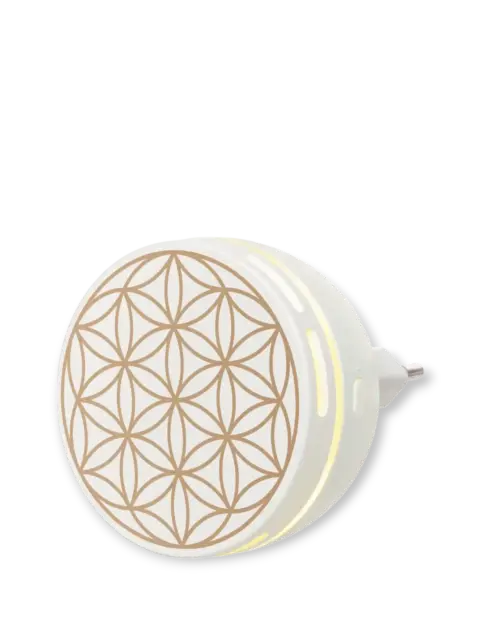
The “Flower” electric fan diffusers work completely without water. The essential oils are only sprayed onto a wool pad. This means that germs can be practically eliminated.
Nebulizers like the Purist Primavera Aroma Nebulizer also do not pose a risk, since their operating principle also does not involve water.
Aroma lamps, ultrasonic diffusers or fountains whose water is emptied daily after use and whose containers are then cleaned and dried as described above can also be used without hesitation.
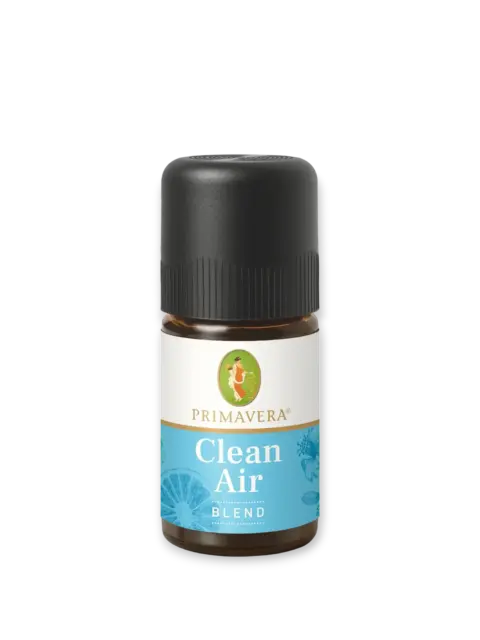
Which oils to use depends mostly on individual preferences for certain aromas or effects. Besides lemon and thyme, many other oils are known for their virucidal and fungicidal properties. Mira Kober, PRIMAVERA Product Manager for the Wellness Department, recommends the Clean Air aroma blend. It contains a quarter of lemon oil and has a particularly air purifying effect with a sharp and fresh aroma of myrtle and lemon grass.
More interesting articles from the blog
- How to choose an essential oil diffuser?
- Rose Geranium Essential Oil – Benefits and Uses
- Passive diffusion, what is it?
- Four diffuser blends suitable for winter
- Benzoin Siam Essential Oil – Benefits and Uses
Categories
- Aromatherapy
- Essential oils
- Carrier oils
- Diffusion methods
- Natural cosmetics
- Recipes with essential oils
- News

The information in this article is for educational purposes only and is not intended to serve as a basis for prevention or treatment.
Sources:
- https://www.primaveralife.com/news/duftgeraete-richtig-nutzen-und-pflegen
- “Hand in Hand mit der Natur” magazine, edited by Austrian aroma expert Evelyn Deutsch, issue 4/autumn 2015: article “Aromapflege und Krankenhaushygiene – Ziemlich beste Freunde?” (Aromatic care and hospital hygiene – pretty good friends?)
Photos: Primavera Life
 Discount: -20%
Original price was: €6.90.5.52 €The current price is: €5.52.Add to cart
 Discount: -20%
Original price was: €15.90.12.72 €The current price is: €12.72.Add to cart
 Discount: -20%
Original price was: €14.90.11.92 €The current price is: €11.92.Add to cart
 Discount: -20%
Original price was: €9.90.7.92 €The current price is: €7.92.Add to cart
 Discount: -20%
Original price was: €79.90.63.92 €The current price is: €63.92.Add to cart
 Discount: -20%
Original price was: €79.90.63.92 €The current price is: €63.92.Add to cart
 Discount: -20%
Original price was: €57.90.46.32 €The current price is: €46.32.Add to cart
 Discount: -20%
Original price was: €24.90.19.92 €The current price is: €19.92.Add to cart


