
Rosehip oil is one of the most effective base oils with wide application in cosmetics – it revives the skin's radiance, prevents aging and has a powerful regenerating effect. A popular vegetable oil in aromatherapy with numerous benefits for our skin.
In addition to its properties to lighten and prevent imperfections, it also helps restore its natural color and tone. It is known to contain many vitamins, antioxidants and essential fatty acids that nourish in depth and do wonders for the skin. It effectively reduces the appearance of scars, accelerates regeneration, facilitates the healing of wounds and burns, and soothes dryness and inflammation.

The most valuable rosehip base oil is the cold-pressed one, obtained from the seeds of rosehip fruits, which contains the maximum of its beneficial substances. It has a high content of vitamins A, C, E, F and carotenoids, rich in fatty acids - trans-retinoic acid, oleic acid, alpha-linolenic acid, linoleic acid.
Also called "golden oil", a name that reflects not only its beneficial properties, but also its appearance - real, pure and high-quality rosehip oil is orange in color due to the carotenoids it contains. A key ingredient in creams, lotions, massage oils, face serums and body oils.
Used in cosmetics, rosehip oil is suitable for all skin types, including sensitive, dry, skin affected by scars and blemishes, or skin damaged by UV rays. We do not recommend using the oil alone if you have acne-prone skin, as it can worsen such skin conditions. Also, keep it refrigerated to preserve its shelf life as long as possible.
How is rosehip seed oil extracted?
Bulgarian rosehip oil is extracted from the seeds of the wild rosehip of the Rosa canina variety and, like Rosa damascena , is world-renowned for its beneficial properties and purity of substances. Also known are the high-quality varieties Rosa rubiginosa and Rosa moschata , which grow mainly in the southern Andes.

To obtain cold-pressed oil, the fruits – the rose hips – are separated from the bush, removing all the stems and leaves. The fruits are heat-treated in water to allow the seeds to rise to the surface. The seeds are then extracted from the mixture using a sieving process. They are dried and ready for the next step. The oil is extracted by cold pressing, like other vegetable oils. In addition to its origin, the quality of the oil is also guaranteed by its color. The concentration of essential fatty acids and beta-carotene can also cause significant changes in color. Pure, cold-pressed oil from high-quality rose hips is reddish-orange or deep golden.
What it contains and why it is so useful
The main ingredients of rosehip oil are: linoleic acid, linolenic acid, oleic acid, palmitic acid and stearic acid.

LINOLEIC ACID (OMEGA 6) has the following beneficial properties:
- Moisturizes the hair and promotes its growth
- Facilitates wound healing
- An effective emulsifier in the preparation of soaps and quick-drying oils
- It has anti-inflammatory properties
- Soothes acne and reduces the chances of future outbreaks
- Promotes moisture retention in skin and hair
- It is used in various oil blends
ALPHA-LINOLENIC ACID (OMEGA-3) is known to:
- Reduces inflammation
- Controls blood clotting on the skin
- Soothes joint pain and relieves stiffness to improve flexibility
OLEIC ACID (OMEGA 9) is known for its following properties:
- Maintains the softness, elasticity and radiance of skin and hair
- Stimulates hair growth, making it healthier and shinier
- Reduces the appearance of spots, wrinkles and fine lines
- Removes dandruff and thus promotes hair growth
- Increases immunity
- Has antioxidant properties
- Prevents joint inflammation, stiffness and pain
PALMITIC ACID:
- It has emollient properties
- Nourishes hair without leaving a greasy or sticky residue
- It is among the most common saturated fatty acids
STEARIC ACID:
- It has cleansing properties that cleanse dirt, sweat and excess sebum from hair and skin
- It is an ideal emulsifier that binds water and oil
- Maintains and protects hair without reducing its shine
- It has exceptional cleaning properties
- Softens the skin.
Rosehip oil in facial cosmetics
Rosehip seed oil is known for its beneficial and anti-aging properties and is therefore often included in natural products for mature skin. It accelerates the skin’s repair processes and reduces the appearance of unwanted skin conditions, such as pigmentation and scars. The oil effectively soothes skin affected by dryness, eczema, hyperpigmentation and even psoriasis. It restores elasticity, fights wrinkles and stretch marks, minimizing the appearance of both. The “oil of youth” creates a protective barrier on the skin that prevents its dehydration.

Applied to areas with rough skin such as knees, elbows, feet, rosehip oil softens the skin, thus restoring its elasticity. It strengthens not only cells and tissues, but also brittle nails. The lightening properties of rosehip oil help restore the skin to unwanted dark spots caused by excessive sun exposure, age spots, acne scars or wounds. Its astringent, anti-inflammatory and antioxidant properties are known to facilitate the healing of the epidermis. This makes it an effective product for tightening the skin after a sudden change in weight and a valuable assistant for every mother after childbirth.
The fatty acids of rosehip oil reduce the itching characteristic of dry scalp. The oil instantly restores shine to the hair by removing dandruff without leaving a greasy residue, making it easy to use directly on the scalp without causing the hair to become greasy. Rich in vitamins, rosehip oil provides hair elasticity, makes it more voluminous, healthy and shiny.
Methods of application
Rosehip oil is absorbed into the skin faster than many other oils. It has a low comedogenic index (1) and is unlikely to clog your facial pores. However, we recommend that people with comedones and acne-prone skin should not use the oil alone, but always in combination with other ingredients.
- For a gentle facial moisturizer massage no more than 3 drops of rosehip oil onto a cleansed face. Apply the oil morning and evening to damp skin to keep it hydrated and supple.
- In hotter weather, floral water can be added to rosehip oil and sprayed on the skin for a refreshing sensation, to hydrate and lock in moisture.
- For people with sensitive and acne-prone skin, rosehip oil should be used with caution, in small amounts and diluted with other oils that are considered beneficial for this skin type. Suitable essential oils are: tea tree, lavender, lemon, geranium, patchouli and rosemary.
- Rosehip oil can also be used to remove makeup: eyeliner, eyeshadow and mascara. Apply a few drops of oil on a cotton pad and gently remove the makeup from your eyes. Wash again with a cotton pad and floral water.
During a massage
It is applied to stretch marks, to relieve sunburns and inflammations. 2-3 drops of rosehip oil can be massaged daily on the affected area for 2-3 months. Alternatively, rosehip oil can be mixed with essential oils known to reduce the appearance of unwanted dark spots, such as tea tree essential oil or lemon essential oil. For aromatherapy massage, rosehip oil can be mixed with peppermint, lavender, chamomile or frankincense essential oil.
Recipes with rosehip oil

Natural exfoliant for face and body
- rosehip oil
- a few drops of your preferred essential oil
- 1 tsp honey
- sugar (optional)

Mix the ingredients. Apply the mixture to your skin with your fingertips, rubbing in gentle, circular motions, then rinse with warm water.
Nourishing facial oil blend
- 3 drops rosehip oil
- 1 tbsp. hemp oil
- 3 drops essential incense oil
- 3 drops essential lavender oil
- 3 drops essential tea tree oil
In a ceramic container, mix the ingredients, transfer them to a small dark glass bottle with a pipette and shake well. No more than 3 drops of the mixture can be gently massaged into the skin. The effect is softer skin, less visible pigmentation and scars and a significantly improved appearance.
Key benefits for the skin
Hydration and nutrition
Helps dry and itchy skin: Rosehip oil with its essential fatty acids strengthens cell walls, prevents water loss and effectively hydrates the skin.
Keeping skin hydrated: Studies show that rosehip oil can keep your skin hydrated and improve overall moisture levels. Its non-greasy texture makes it an ideal natural moisturizer for all skin types.
Stimulates collagen production
Improving skin elasticity and firmness: Rosehip oil is rich in vitamin A, which is essential for collagen production, and inhibits the enzyme responsible for collagen breakdown. Research confirms its ability to increase skin elasticity.
Treats inflammation
Soothes skin irritation: The polyphenols, anthocyanin and vitamin E in rosehip oil have anti-inflammatory properties, making it an ideal choice for irritated skin.
Helps with hyperpigmentation
Remove dark spots and uneven skin tone: Rosehip oil contains vitamin A, lycopene and beta-carotene, which can reduce hyperpigmentation, making it an excellent choice for unwanted skin pigmentation.
Evens the complexion: The vitamin A in rosehip oil helps the turnover of skin cells, resulting in a lighter and more radiant complexion.
Reduces scars and fine lines
Reduction of scars and fine lines: Rich in essential fatty acids and antioxidants, rosehip oil supports tissue and cell regeneration, reducing the appearance of scars and fine lines.
Strengthens the skin barrier
Antioxidants and fatty acids in rosehip oil protect the skin's cell membranes by strengthening its barrier against bacteria and infections.
Benefits for hair
Rosehip oil can be applied directly to the scalp. Leave on for about an hour and then wash with a sulfate-free shampoo. It hydrates dry hair while soothing, removing and preventing dandruff. It can also be added to your favorite shampoo, rubbed into the scalp before showering, or applied to the hair and left overnight.
To restore shine to your hair and nourish it, mix equal amounts of rosehip oil and castor oil . Apply to the scalp and along the length of the hair and leave for an hour, then wash well. The result will certainly be more beautiful, healthy and elastic hair.
Benefits for nails
Rosehip oil hydrates and strengthens dry and brittle nails. It can be massaged directly onto the nails using your fingertips or a cotton pad, without rinsing. Do this every night, right before bed, and you will see your nails become stronger in just a few days.
More interesting articles from the blog
- Pomegranate oil – the fruit of life
- Castor oil – benefits and uses
- Camellia oil – the beauty elixir from the East
- Mango butter – for beautiful skin and hair
- Jojoba oil – benefits and uses for skin and hair
Categories
- Aromatherapy
- Essential oils
- Carrier oils
- Diffusion methods
- Natural cosmetics
- Recipes with essential oils
- News
Conclusion
With a rich history and diverse benefits, rosehip oil is a versatile addition to skin care. Whether you're looking to hydrate, exfoliate, reduce the visible signs of aging, or address specific skin concerns, rosehip oil offers a natural and effective solution. To achieve maximum effectiveness, choose a high-quality product, do an allergy test and enjoy the results of this versatile and time-tested skin care product.
The information in this article is for informational purposes only and is not a substitute for professional medical advice.

The information in this article is for educational purposes only and is not intended to serve as a basis for prevention or treatment!
Sources:
- Wikipedia,
- www.aromaweb.com/vegetableoils/rosehipoil.asp,
- www.newdirectionsaromatics.com/blog/products/all-about-rosehip-carrier-oil.html
Translation: Nadezhda Georgieva
Photos: makasa.org, Ikarov, Depositphotos, all rights reserved
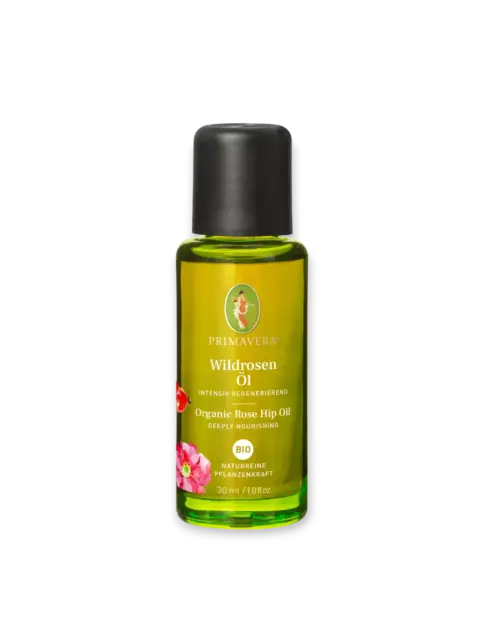 Discount: -20%
Original price was: €17.90.14.32 €The current price is: €14.32.Add to cart
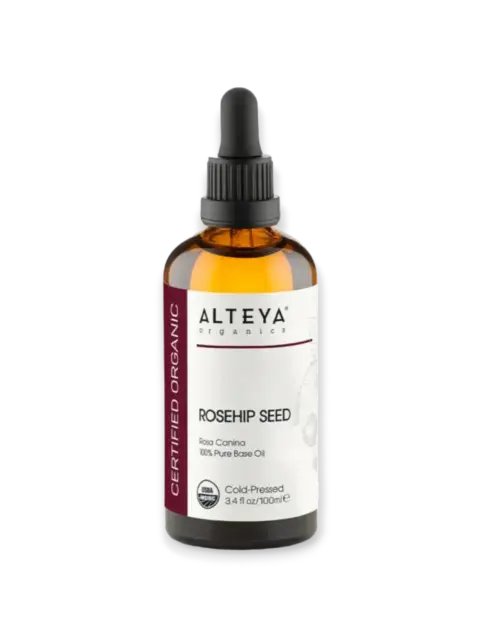
16.60 €Add to cart

9.60 €Add to cart
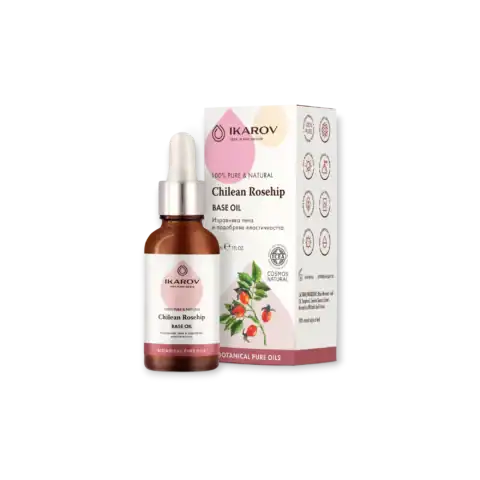 Discount: -10%
Original price was: €8.05.7.25 €The current price is: €7.25.Add to cart
 Discount: -10%
Original price was: €28.00.25.20 €The current price is: €25.20.Add to cart
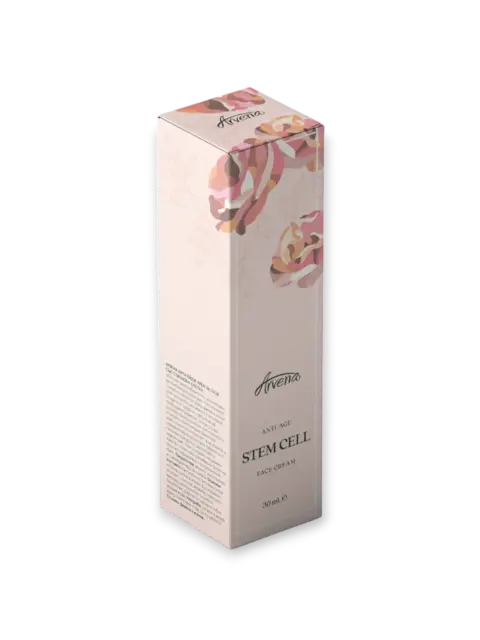 Discount: -10%
Original price was: €37.80.34.02 €The current price is: €34.02.Add to cart
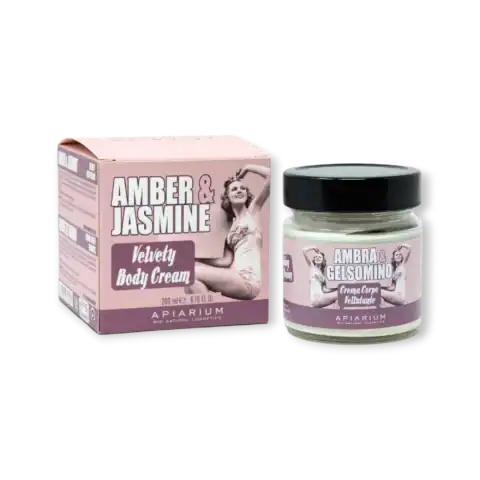 Discount: -10%
Original price was: €24.00.21.60 €The current price is: €21.60.Add to cart
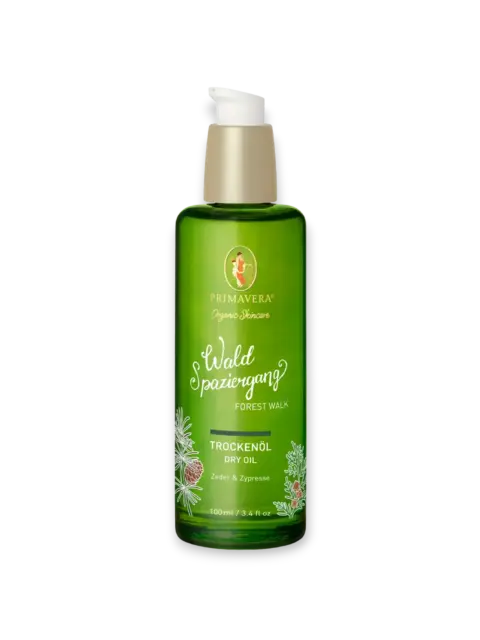 Discount: -20%
Original price was: €21.90.17.52 €The current price is: €17.52.Add to cart
 Discount: -20%
Original price was: €21.90.17.52 €The current price is: €17.52.Add to cart


