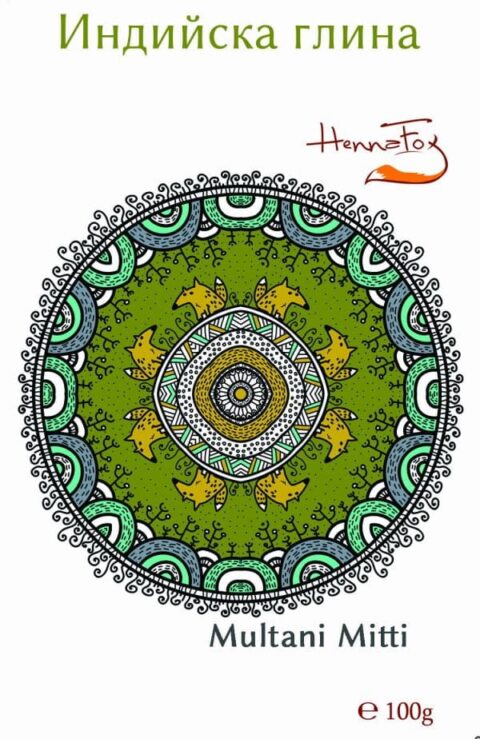
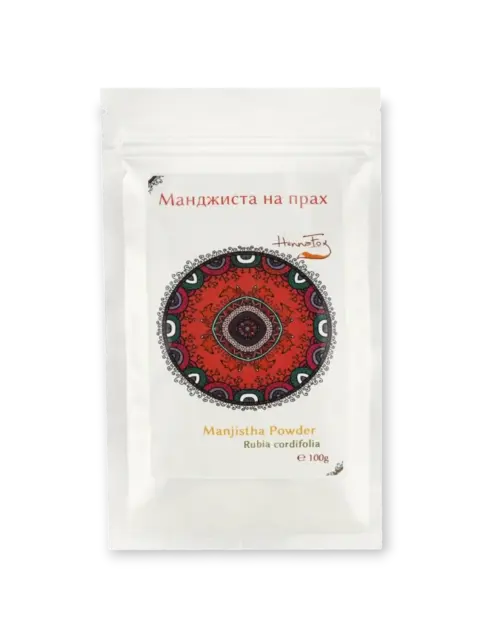
A great ingredient to make natural clay face masks at home. But as easy as it may seem, it can be quite confusing when trying to figure out which clay is best for your skin type. In this article, we present you with an easy guide that will help you figure out which type of clay is right for your skin and how you can combine the ingredients to make a personalized face mask!
Why do we need clay face masks?
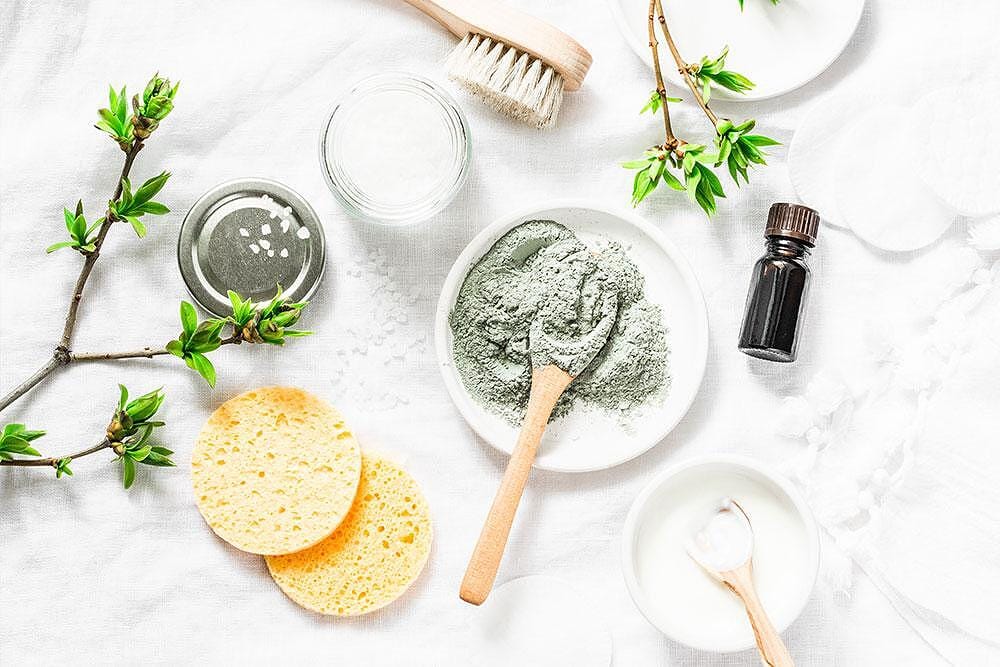
Clays are used in all-natural skincare because of their absorbent properties. A clay mask absorbs excess sebum from your face, leaving your skin feeling balanced and refreshed. On the other hand, your facial skin will be less prone to various irritations and infections from pollution. Due to its sandy texture, clay is also a great exfoliant. But don’t try to rub it in! When you apply the mask to your face, it’s already exfoliating. In fact, the formula for a DIY clay face mask is very easy: clay of your choice + floral water + yogurt (or honey) = a great face mask. With just two natural ingredients, you can make an amazing clay mask at home. Just choose the combination you like and let it work its magic. But first, you’ll need to choose your clay, then what you’re going to add to it. All that’s left to do is apply it to your face!
What clay should we choose according to skin type?
There are many types of clay you can purchase, but these are the most common ones you will find in a MAKASA store:
French green clay
This clay is known for its super absorbent properties. This quality makes it an excellent choice for oily skin types or for absorbing excess sebum in the T-zone of the face. French green clay is very similar to bentonite clay. The clay absorbs excess skin oils, removes accumulated toxins, restores the skin and encourages the natural formation of new cells. It also has an antiseptic effect and softens. Since it is rich in phytonutrients, it provides beneficial minerals and trace elements.
- Suitable for: normal, oily and acne-prone skin
Kaolin clay / white clay
White clay or kaolin clay is known for being one of the gentlest clays. It gently cleanses the skin by drawing out impurities from your pores. Kaolin helps stimulate blood circulation in the skin, cleanses it and acts as a gentle scrub. It does not absorb oil or moisture from deeper skin tissues, making the clay suitable for dry skin. It has a very mild drying and disinfecting effect. Due to its high mineral content, the clay has a rejuvenating effect and gives a healthy and radiant appearance.
- Suitable for: mature, sensitive and dry skin types
Clay rasul
Rasul clay is a great cleansing and exfoliating clay. Very effective in extracting excess oil and impurities from your skin. This clay is often used in health centers and spas because it helps rejuvenate the skin, detoxifies it and evens out the complexion. The clay is so good for the skin because of its high absorption. It is also known to swell a lot when mixed with water, as it is able to absorb more liquid than other clays. It reduces skin dryness and flaking of the scalp, improves elasticity and appearance. The clay is good for both dry skin and problematic and oily skin, as it removes excess oil. It is used in natural cosmetic products (soaps, masks) and hair products (shampoos, conditioners, masks).
- Suitable for: all skin types, including acne-prone
Yellow clay/Fuller's earth
This is a deep cleansing clay . It helps remove dead skin cells, allowing the skin to breathe and absorb nutrients. It is great for skin prone to clogged pores, due to its deep cleansing properties. It gently removes excess sebum and has detoxifying properties. This clay also has a cooling effect and reduces the unpleasant sensations and redness that accompany inflammation. Regular use of yellow clay can help reduce scars, dark pigmentation and spots left after acne. Combine with rose or neroli hydrosol.
- Suitable for: acne-prone skin with large pores
Red clay
Red clay is ideal for dry and sensitive skin. Its specific color is due to the high content of iron oxides. Cleansing the skin with this clay makes it very soft, acts both toning and refreshing, removes dead cells gently, without irritating and drying. For a silky feel, use it in your homemade face mask!
- Suitable for: dry and sensitive skin types
Let's choose the remaining ingredients
Choosing the type of clay to use is only one part of the process. Next, we want to turn this clay into a paste that we can easily apply to our skin. For this we will need some suitable liquid.
Hydrosol / floral water
If you want to enhance the properties of your face mask, we recommend adding a suitable hydrosol. Hydrosol or floral water is a natural product that is obtained by distilling essential oils . Some of the most famous floral waters are rose water, lavender water, lemon balm or chamomile. In the MAKASA store we offer a wide variety – you can choose floral water according to your skin type.
Honey
Honey is a great moisturizing addition to a face mask. It has antibacterial properties, making it a great choice when you suffer from acne. It also makes the skin incredibly soft and smooth! For a plant-based alternative, try pure agave syrup.
Fresh milk
Milk contains a popular skin care ingredient that you may have heard of before: lactic acid. Lactic acid is a mild exfoliant. It removes dead skin cells, leaving your skin feeling soft and smooth. When you add milk straight from the fridge, it also has an extra cooling effect on your skin. If you are vegan or looking for vegan options, try a plant-based milk, such as coconut or almond milk. Make sure to use pure, unsweetened milk without any additives.
Yoghurt
Yogurt is another great source of lactic acid. It also refreshes and tones the skin in a unique way! It also turns the mask into a thick paste (especially if you use full-fat), making it the perfect ingredient for a face mask. For a vegan alternative, you can experiment with coconut yogurt or another plant-based yogurt.
Apple cider vinegar/lemon
Apple cider vinegar is a popular addition to clay face masks because it balances the clay’s high pH and tones the skin. That’s why it’s often used with bentonite clay in a face mask, as bentonite clay has a slightly higher pH than most other clays. Lemon, on the other hand, has whitening and antibacterial properties. If you don’t have pure apple cider vinegar on hand, lemon is a great alternative.
Here are the basic proportions for a clay face mask:
- Pour 1 teaspoon of the clay of your choice into a mixing bowl (ceramic or other non-metallic).
- Add the same amount of liquid of your choice (floral water, yogurt or honey).
- Stir to combine the ingredients until it starts to resemble a paste. Add more clay or liquid if needed.
Once the clay is already mixed with the other ingredients, it will begin to spoil. So use it all at once and throw away the rest.
Why can't we use metal when making a clay mask?
When clay comes into contact with metal, it renders it generally useless. The ions of some metals are able to replace other ions in the crystal lattice of the clay and thus accumulate in it. Often, the metal ions replace the protons belonging to the OH− group on the surface particles of the clay. In other words, the acidity or alkalinity (pH) of the environment changes. Therefore, it is not advisable to use metal objects when handling clay.
How to apply your face mask
- Always use a clean makeup brush or clean, dry fingers to apply an even layer to your entire face. Avoid the area around the eyes and lips.
- Let the mask sit for about ten minutes. Depending on the ingredients you use, some face masks will dry faster than others. Don't let the mask dry completely if your skin is dry or sensitive.
- Rinse your face thoroughly with water. You can also use a face wash to remove the mask. Pat dry with a clean towel or paper towel.
- The most important thing is to finally apply your favorite moisturizer, serum or face cream.
A face mask or DIY beauty product should never sting or hurt when you apply it to your face. Don’t confuse these reactions with the mask “working.” It actually means your skin doesn’t like what you’ve done to it. If you do experience a reaction, rinse immediately with plenty of water. Applying aloe vera gel to the affected area can help cool down irritated skin. If irritation persists, consult a doctor. It’s always best to test the product first for an allergic reaction or other type of sensitivity before using it!
Recipes with clay for the face

This gentle face mask is a good option for sensitive skin types. The rose water gives it a wonderful scent, while the lactic acid in the yogurt gently exfoliates the skin.
Pour the red clay into a ceramic/glass mixing bowl. Add the rose water and mix well until smooth. Add the yogurt and mix until the mixture becomes a slurry. Add more clay or liquid until you get the consistency you like. Apply an even layer to your face using a brush or your fingers. Leave it on for about ten minutes and rinse.
Conclusion
With the right choice of clay and liquid ingredient, you can easily make a homemade mask that cleanses, balances, and refreshes your skin. Avoid metal when mixing, listen to your skin's reaction, and always finish with hydration.

Sources:
The Makeup Dummy – clay face mask recipes
Wikipedia
Photos: Depositphotos, The Makeup Dummy, makasa.org
More interesting articles from the blog
- Floral waters – a dose of freshness for the body
- Witch hazel hydrolate – benefits and application
- Aloe vera – benefits and properties for beauty and health
- Natural care for dry skin
- Dry or dehydrated skin – similarities and differences