In the world of skin care, it's essential to stay ahead of the trends. The quest for youthful and vibrant skin continues, as does the search for innovative alternatives to established ingredients like retinol. One such contender is bakuchiol, a plant-derived compound that has made headlines in the cosmetics industry as a potential gentler substitute for retinol. But what exactly is bakuchiol and can it really deliver on its promises?
In this comprehensive guide, we'll delve into the world of bakuchiol, looking at its origins, benefits, potential side effects, and how it compares to retinol. We'll also give you tips on how to incorporate bakuchiola into your skin care routine and answer questions about its sustainability and suitability for sensitive skin. At the end of this article, you will have a clear idea about bakuchiola and whether it can be the right choice for your skin care.
Bakuchiol – a powerful plant-based ingredient that is ideal for sensitive skin and has anti-aging properties.
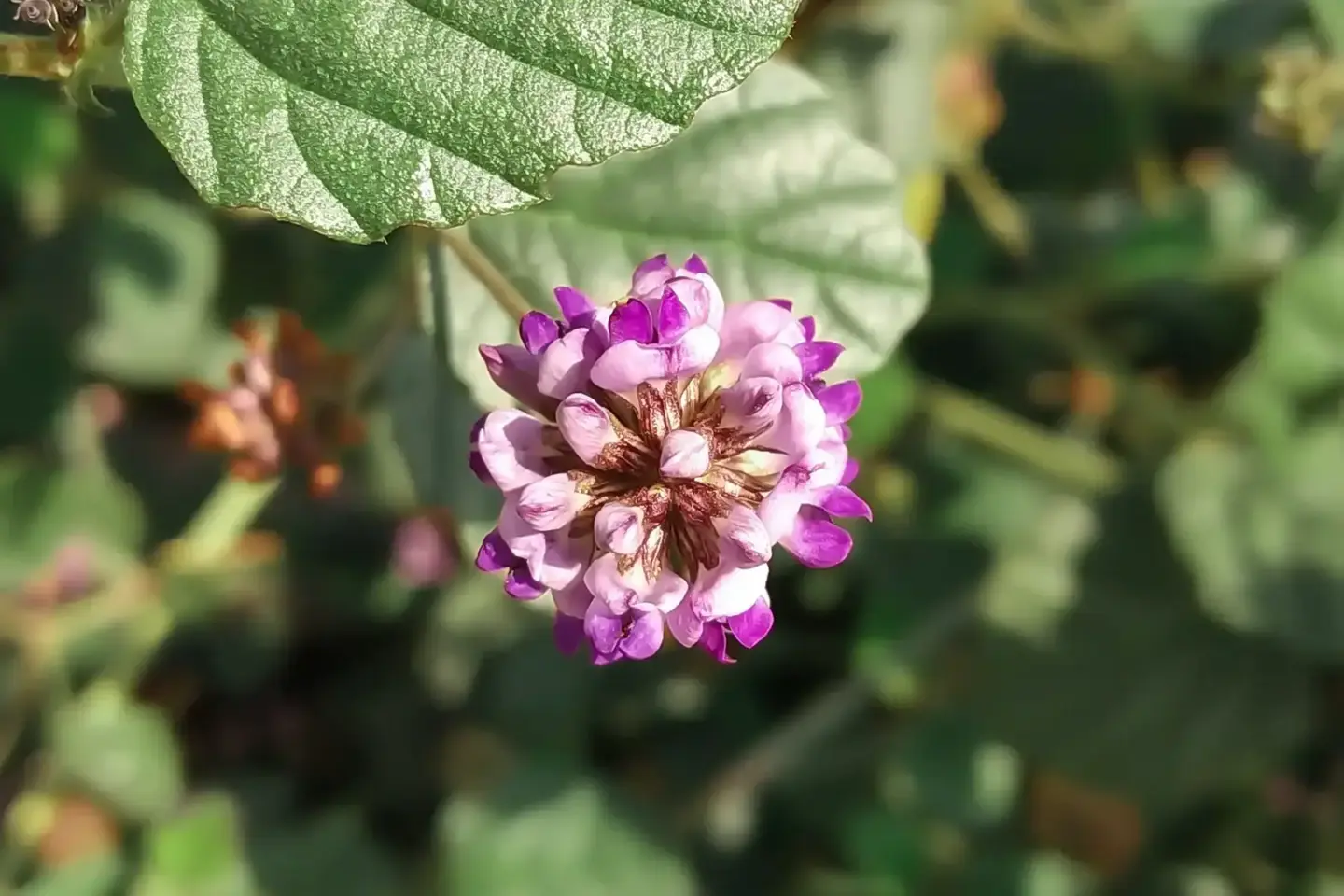
It is an extract that comes from the seeds and/or leaves of the Psoralea corylifolia or “Babchi” plant. It has long been a staple in traditional Ayurvedic and Chinese medicine, valued for its antioxidant, anti-inflammatory, and antimicrobial properties and used to treat skin conditions such as eczema, psoriasis, and alopecia. Recently, bakuchiol has been gaining traction in mainstream skincare due to its retinol-like effects.
Bakuchiol – basic facts
- Ingredient type: Moisturizer
- Main benefits: It reduces wrinkles, increases skin firmness and reduces the appearance of pores.
- Who can use it: In general, bakuchiol is safe for all skin types.
- How often can it be used: It is safe to use twice daily, in the morning before moisturizer and in the evening before any serums.
- Works successfully with: Other hydrating ingredients such as squalane and PHA.
- Do not use with: Glycolic acid can degrade the composition.
What is bakuchiol?
Some of the substances from the Babchi plant are already used to treat conditions such as vitiligo, but the use of bakuchiol is a relatively new practice.
A 2019 study found no difference between retinol and bakuchiol in treating wrinkles and hyperpigmentation. 1
However, retinol users experienced more skin dryness and burning. Other studies have also reported improvement in lines/wrinkles, pigmentation and elasticity with bakuchiol.
Like retinoids, bacuchiol stimulates collagen production receptors in the skin.
It is sold in the form of serums and creams, many of which combine bakuchiol with other botanicals, such as rosehip and seaweed. At MAKASA you will find the Organic Bakuchiol Oil Face Cream ROSE HYDROBIOME.
Skin benefits
Bakuchiol is believed to offer a number of skin care benefits, making it a popular choice among those looking for effective anti-aging solutions. Here are some of the potential benefits of using bakuchiol:
Well, as mentioned, not only is it as effective as retinol in fighting fine lines, wrinkles, and uneven skin tone, but it’s also less irritating. Like retinol, bakuchiol triggers a genetic pathway in skin cells to create several types of collagen, which are beneficial for skin health and anti-aging. It also doesn’t cause dryness or irritation. Plus, unlike retinol, which can make skin more sensitive to the sun (always make sure to wear SPF during the day), bakuchiol can actually help reduce skin’s sensitivity to the sun’s harmful rays.
According to the aforementioned study in The British Journal of Dermatology, after 12 weeks, subjects treated with bakuchiol experienced significant improvements in wrinkles, pigmentation, elasticity, and overall photodamage. 1 In addition to its anti-aging and anti-inflammatory properties, bakuchiol is also useful in fighting acne.
- May help treat acne: Bakuchiol has antibacterial properties that may help treat acne. While it may not be able to treat acne caused by genetic factors or hormonal imbalances, it can be a valuable component of a skin care regimen in combating acne caused by bacteria.
- Increases cellular metabolism: Known to stimulate cell turnover, helping to shed dead and damaged skin cells faster. This process can revitalize the complexion and contribute to a more youthful appearance.
- Evens skin tone: Bakuchiol penetrates deep into the skin to reduce the appearance of dark spots or areas of hyperpigmentation.2
- Reduces the appearance of fine lines: Like retinol, it prompts cells to regenerate and produce collagen, thus plumping up your skin and reducing the appearance of lines and wrinkles.3
- Does not cause dryness or irritation: While retinol and other skin care ingredients can be drying or irritating, bacuchiol is gentler and not known to cause irritation.1
- Accelerates the regeneration of skin cells: It sends signals to cells that it's time to boost collagen production.
- Suitable for all skin types: Being gentle on the skin, it can be used by anyone regardless of skin type.
- Helps to soothe and heal the skin: It supports cell turnover and cell regeneration, and can help soothe and heal the skin from the inside out.
Side effects of using bakuchiol
At this point, there are no known studies that show any adverse or negative side effects, but it should be noted that this is still a relatively new product. Since it is not a retinol, it has the potential to be safe during pregnancy and breastfeeding. It is always better to be safe than sorry, so we recommend waiting for more studies to be released to ensure that bakuchiol is safe to use during pregnancy or breastfeeding. Also, always consult a specialist before using any new products.
Although it is considered a milder alternative to retinol, it is important to note that there is still a risk of sensitivity, including redness, dryness or burning of the skin, especially during initial use. To minimize these potential side effects, it is recommended to start with a slow and cautious approach. Start by applying bakuchiol two or three times during the first week, gradually increasing the frequency as your skin gets used to it.
Bacucciol vs. Retinol: A Close Comparison
Retinol is recognized as a tool to address the signs of aging, such as fine lines, wrinkles and uneven skin tone. However, not everyone can tolerate the potential side effects associated with retinol, which include dryness, burning, stinging, flaking, and increased sun sensitivity.
Bakuchiol has attracted attention as a gentler alternative to retinol, providing similar benefits without the same level of skin irritation. In a study comparing the two, bakuchiol was found to be comparable to retinol in terms of improving photoaging and was better tolerated.
However, it is extremely important to understand that bakuchiol and retinol are technically different molecular compounds due to differences in their chemical structures. While bakuchiol offers many benefits similar to those of retinol, they are different ingredients that have roughly the same effects but use different means.
For people with sensitive skin or those who prefer natural products, bakuchiol can be a valuable addition to their skin care routine.
How to use it?
For now, the only way to use it is as a topical serum or lotion. Like retinol, you can apply it before your usual moisturizer or serum. Since it’s less harsh than retinol, you can use it both morning and night for maximum effectiveness. While it probably won’t make your skin more sensitive to the sun, always remember to apply sunscreen afterward if you use bakuchiol in the morning.
How to add bakuchiol to your skin care routine?
Adding it to your skin care routine is an easy process. Follow these steps to ensure its effective and safe use:
Cleansing: Start by cleansing your face and neck.
Application: Apply your chosen bakuchiol product to your skin. It comes in a variety of forms, including serums, creams, and oils. Choose the product that suits your preferences and skin type.
When applying multiple skin care products, follow the "lightest to heaviest" rule. If your bakuchiol product is a light serum, apply it before your moisturizer. If it's a heavier oil-based formula, use it as the last step in your routine, usually in the evening.
Sun protection: If you include bakuchiol in your morning routine, make sure to follow it with a broad-spectrum sunscreen with an SPF of 30 or higher. While bakuchiol is stable in sunlight and is not known to make skin more sensitive to the sun, daily UV protection is essential for optimal results.
Bakuchiol for sensitive skin
Sensitive skin requires extra care when choosing skin care ingredients. It is an excellent choice for those with sensitive skin as it is less likely to cause irritation and side effects than retinol. Its milder nature makes it a compelling choice for those who may have experienced discomfort using traditional retinol products.
Conclusion
Bakuchiol is a promising addition to the skin care industry. This plant-derived ingredient has shown potential benefits such as improving cell turnover, reducing fine lines, and addressing sun damage. Although it is often referred to as a “retinol alternative” due to its similar effects but with fewer side effects, it should be considered a separate compound. Bakuchiol is especially suitable for sensitive skin as a gentler alternative.
It can be included in daily procedures, used in the morning or evening and combined with other active ingredients. There are concerns about the sustainability of its sources, but efforts are being made to ensure responsible production.
While bakuchiol may not have the extensive research history of retinol, its growing popularity indicates that it can become a valuable addition to skin care regimens. As with any skin care product, its use should be guided by individual preferences and sensitivities.
More interesting articles from the blog
- Niacinamide: 10 Skin Benefits
- Vitamin C serum – why should we add it to our daily routine?
- Hyaluronic acid – benefits for the skin
- Natural care for dry skin
- Eye cream according to skin type
Categories
- Aromatherapy
- Essential oils
- Carrier oils
- Diffusion methods
- Natural cosmetics
- Recipes with essential oils
- News