

Vitamin C serum has many benefits for your skin health, including boosting collagen production and addressing hyperpigmentation issues.
What is Vitamin C Serum?

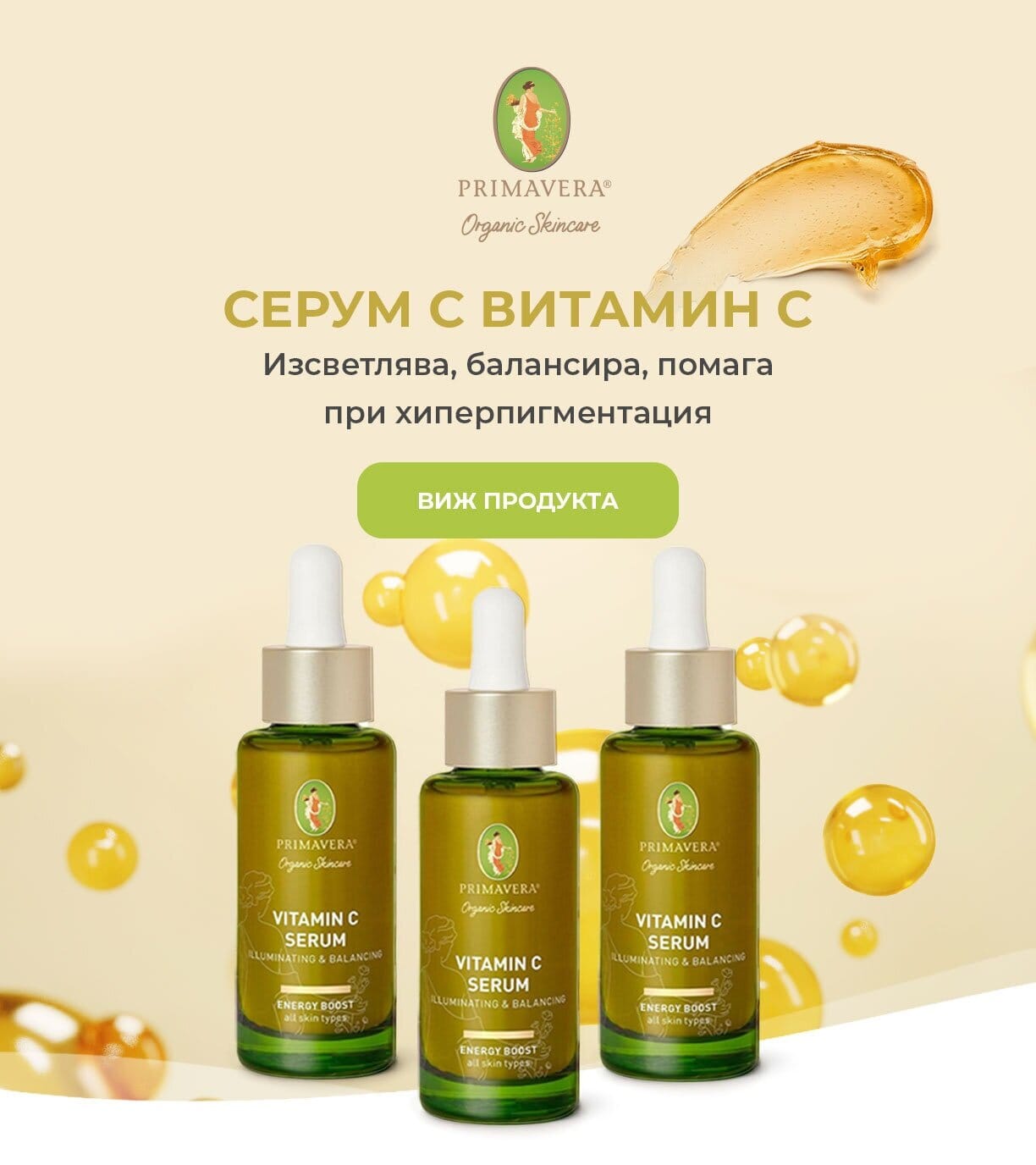
If you're into skincare, you've probably heard of vitamin C serums – like Primavera's Energy Boost Vitamin C Serum.
Vitamin C is considered one of the best ingredients to help fight skin aging – and is the key to maintaining smooth skin with an even and radiant complexion.
Although you probably get vitamin C from your diet, there's no way to guarantee that it's going directly into your skin. Using serums and other topical products is the most direct way to safely help the skin.
Suitable for all skin types
Vitamin C has an excellent profile, making it suitable for all skin types.
A concentration between 10 and 20% in skin care products shows the best results. It is important to note that when choosing a product, we should rely on accurate facts, not advertisements.
Vitamin C is also safe to use with other skin care actives, including alpha hydroxy acids, retinols, and SPF.
Key benefits for the skin
Helps fade hyperpigmentation
Vitamin C helps fade pigmentation and smooths the skin's surface, reducing dullness. This gives the skin a youthful glow.
Studies from 2013 and 2014 noted that vitamin C use has been shown to inhibit the production of melanin. Melanin is the pigment responsible for skin color.
By inhibiting melanin production, vitamin C helped 73% of study participants fade dark spots and hyperpigmentation.
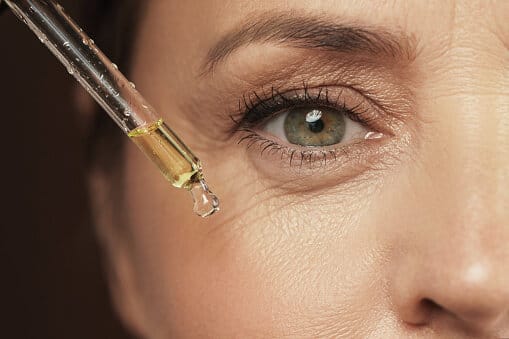
Reduces the appearance of under-eye circles
According to a small 2019 study of three treatments for dark circles, vitamin C mesotherapy led to significant improvements in under-eye circle pigmentation.
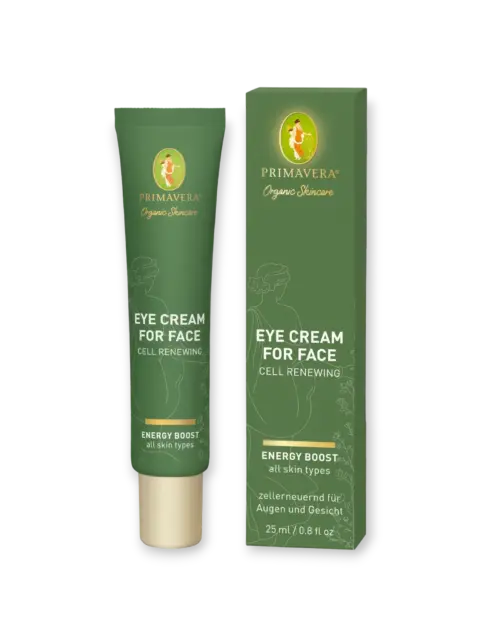
The skin under the eyes is thin and sensitive, so it's best to stick to products specifically designed for this area - see also eye cream by skin type.
Hydrates
Both the skin and most organs in the human body contain high concentrations of vitamin C, suggesting that it accumulates in the body from the bloodstream.
There are many forms of Vitamin C and many of them are great for the skin. Here we will try to find out which types have the best and fastest effect.
They all have a strong antioxidant and anti-aging effect, and topically applied vitamin C penetrates the skin best in the form of ascorbic acid.
Magnesium ascorbyl phosphate, another vitamin C derivative used in skin care, has a hydrating effect on the skin. It reduces transepidermal water loss (TEWL), allowing your skin to retain moisture better.
Helps reduce redness and even out skin tone
Vitamin C is anti-inflammatory through its antioxidant capacity. This means it soothes your skin and can reduce puffiness.
The anti-inflammatory effects of vitamin C can help to:
- neutralizes free radicals that cause oxidative damage
- optimizes the immune system to inhibit the inflammatory immune response
The anti-inflammatory properties of vitamin C can also help reduce redness, which in turn can create a more even complexion.
The combined reduction of dark spots, redness and irritation contributes to a clear and smooth skin tone.
Promotes collagen production
Collagen is a natural protein that is depleted over time. Lower collagen levels can lead to the appearance of fine lines and wrinkles.
Vitamin C is well known for stimulating collagen production through the process of collagen synthesis. In fact, collagen synthesis cannot occur without vitamin C.
This is because vitamin C is an essential cofactor for the two enzymes required for collagen synthesis:
- prolyl hydroxylase, which stabilizes the collagen molecule
- lysyl hydroxylase, which provides structural strength
Helps prevent skin sagging
Collagen production is related to the elasticity and firmness of the skin. When collagen levels begin to decline, your skin can begin to sag.
Applying a vitamin C serum can stimulate collagen production, resulting in an overall firming effect. This applies to sagging due to natural aging, damage from oxidative stress, or extreme weight loss.
This means it can help reduce the appearance of sagging skin by making your skin look tighter and toned.
How to use vitamin C serum?
Vitamin C serum is usually applied once or twice daily. A good rule of thumb is to cleanse, tone, apply a vitamin C serum and then hydrate. Remember to apply skin care products with clean hands.
Follow these steps:
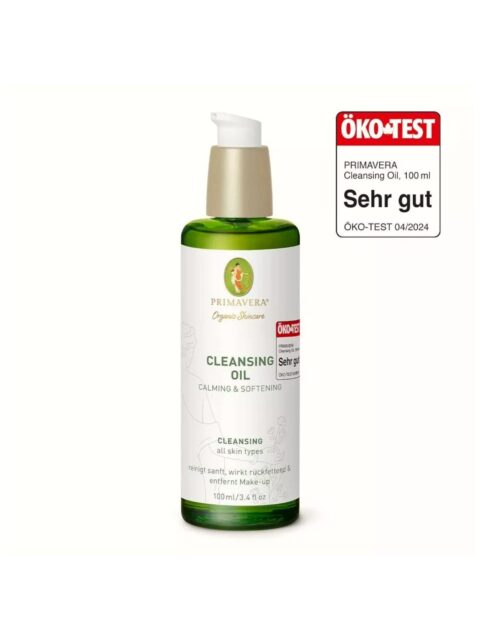
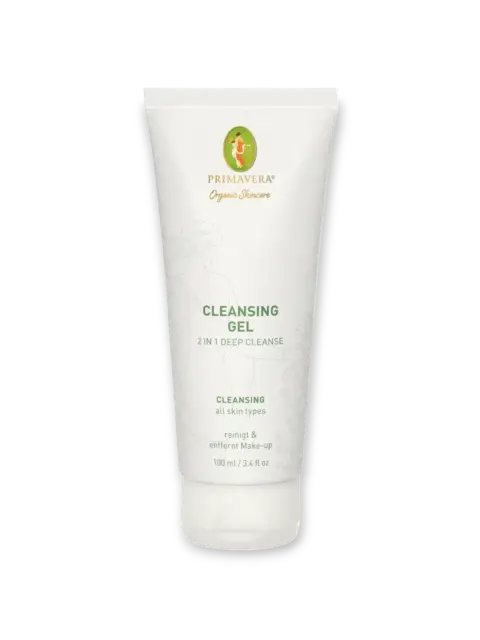
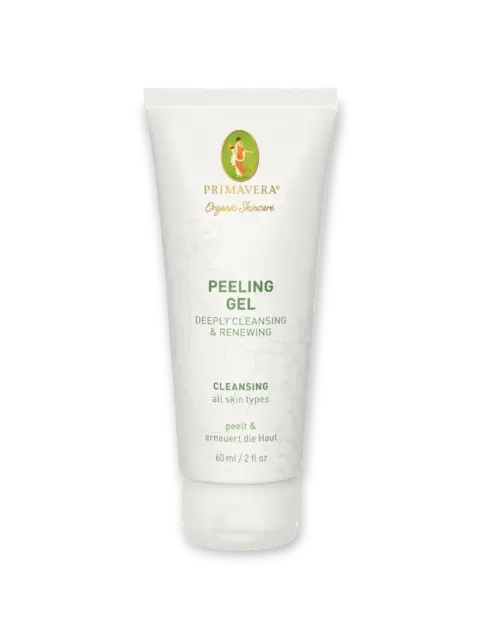
- Wash your face with a cleansing gel, and use a scrub twice a week;
- At this stage, apply facial toner or floral water according to skin type;
- While your skin is still damp, apply a few drops of the Vitamin C serum with light patting movements;
- To seal in moisture and enhance the action of the serum, we recommend applying a face cream or fluid according to your skin type after the serum. For additional hydration, see also hyaluronic acid – benefits for the skin.
How to choose a vitamin C serum
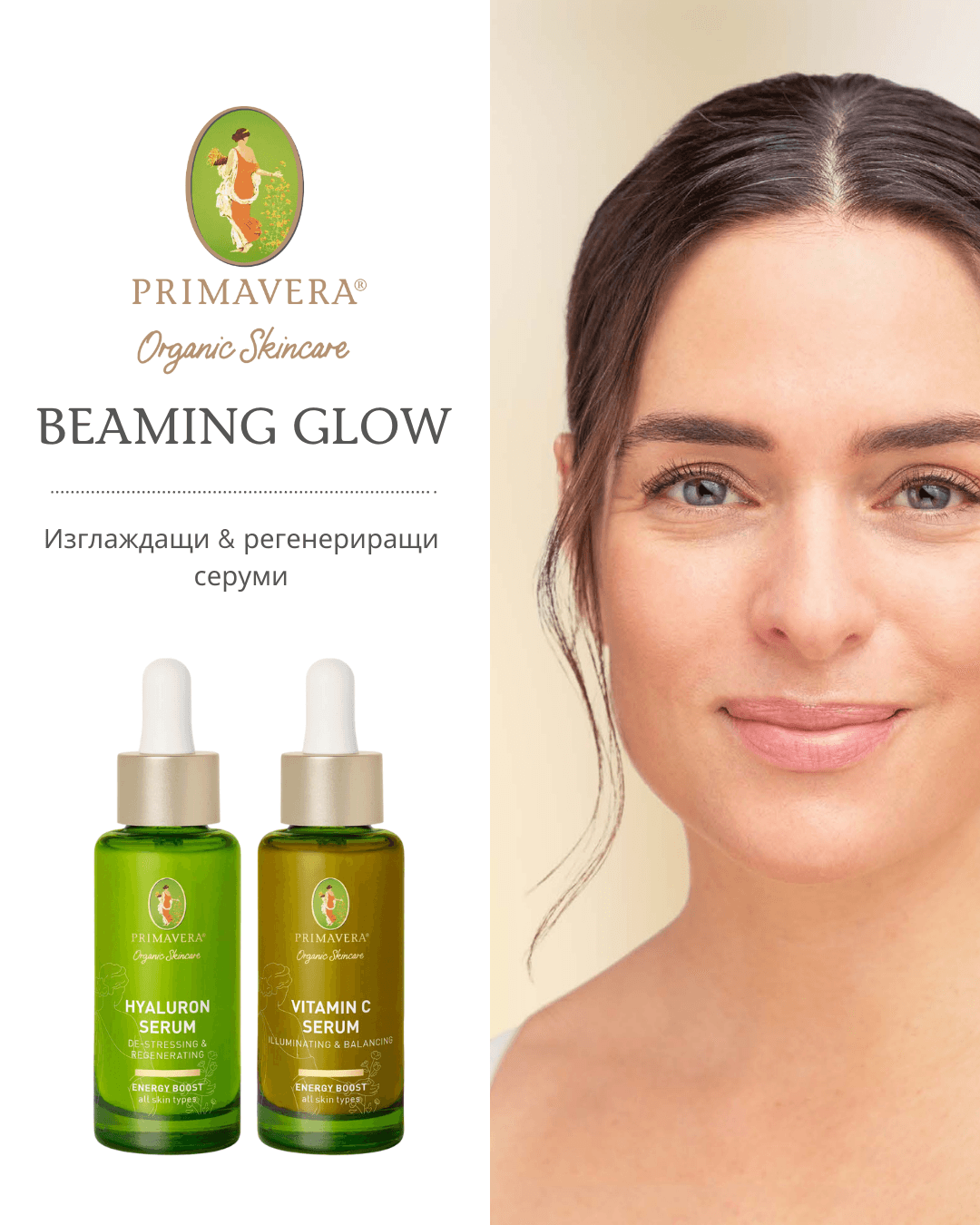
The most common and convenient form of vitamin C remains the serum. However, a C-serum must meet certain requirements to be effective:
– necessarily in a dark or green bottle – vitamin C serum breaks down under the influence of the sun;
– under no circumstances in a jar – in a bottle, preferably with a pipette;
– with at least 10% vitamin C;
– modern serums contain a variant of vitamin C created by attaching the vitamin to a “hydrophilic” tail. This helps it penetrate the skin. Once it penetrates the dermis, the vitamin molecule “gets rid of its tail” and begins its beneficial effects. This is an excellent option for any skin type;
– not to contain ethanol;
- the preservatives should correspond to your personal characteristics / and should not be in an amount greater than that of the vitamin.
Conclusion
Vitamin C helps to heal the skin, lighten blemishes and reduce hyperpigmentation, as well as give your skin an extraordinary glow.
Consistency is key for maximum effect, so add it to your skincare routine in a way that works for you.
Some people apply it in the morning (for products that are not photosensitive), while others find it works best as a night serum. Still others apply it twice a day.
The information in this article is for educational purposes only and is not intended to serve as a basis for prevention or treatment.
More interesting articles from the blog
- Hyaluronic acid – benefits for the skin
- Bakuchiol – the natural alternative to retinol
- Eye cream according to skin type
- Niacinamide: 10 Skin Benefits
- Dry or dehydrated skin – similarities and differences!
Categories
- Aromatherapy
- Essential oils
- Carrier oils
- Diffusion methods
- Natural cosmetics
- Recipes with essential oils
- News
Sources:
- Wikipedia
- Primavera Life
- pubmed.ncbi.nlm.nih.gov/25073866
- mdpi.com/2072-6643/9/8/866
- Source "How to Choose Cosmetics", pp. 90–91, Nadya Yordanova – Master of Pharmacy
Photos: Primavera Life
25.90 €Add to cart
19.90 €Add to cart
19.90 €Add to cart

59.90 €Add to cart
59.90 €Add to cart
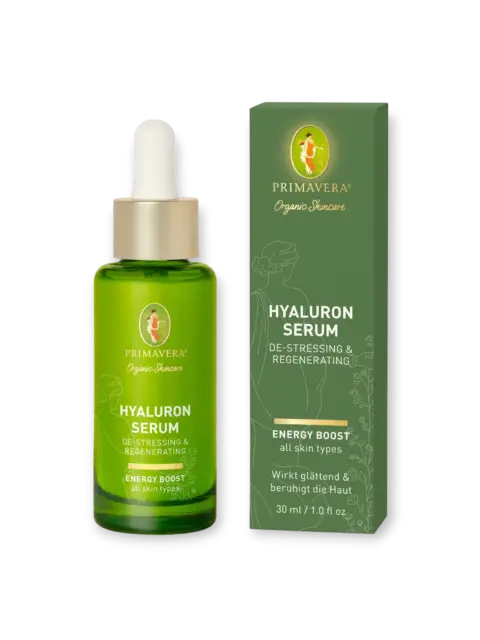
49.90 €Add to cart
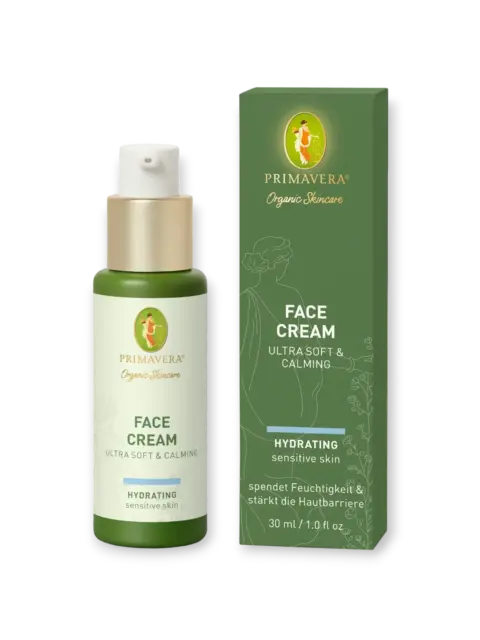
19.90 €Add to cart
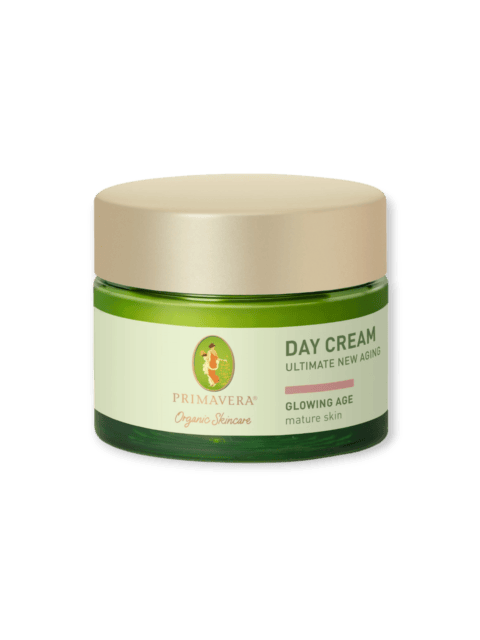
39.90 €Add to cart
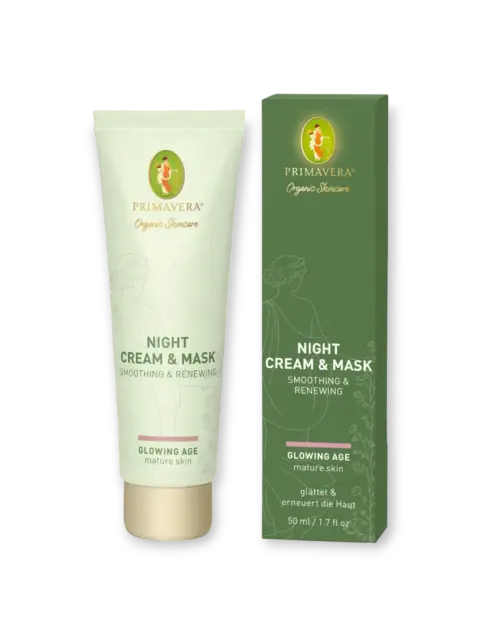
39.90 €Add to cart


