Aroma care for migraine sufferers or how to help the pain decrease?
Between 10% and 15% of people worldwide suffer from migraines. Symptoms most commonly occur in the age group between 35 and 45 years. Women are affected much more often than men, and the pain lasts longer and is more intense. A migraine attack can last between 4 and 72 hours, and it is not uncommon for patients to struggle with the various manifestations up to 15 days a month. Migraine is not just a severe headache, it is a neurological disease caused by various factors.
Migraine: a complex neurological disease
Symptoms that precede a migraine often appear a few days in advance. Typical signs of this are a stiff neck, hunger, irritability, frequent yawning or even constipation. In some people, visual and speech disturbances, symptoms of temporary paralysis, sensory disturbances, dizziness and double vision are also pronounced.
During a real migraine crisis, a throbbing headache occurs, usually affecting only one side of the head, especially the area around the forehead, temples and eyes, and the pain worsens with movement. There are also symptoms such as sensitivity to light or noise, and sometimes even nausea to the point of vomiting and loss of appetite. For many of those affected, only one thing helps: bed rest in a darkened room, sleep.
Possible causes of migraines
How and why migraine attacks occur is still not fully understood. Scientists assume that inflammatory changes in the small blood vessels in the brain and impaired brain metabolism are responsible. Impaired metabolism of the substances serotonin and noradrenaline and a lack of pain inhibition in the brainstem are also suspected. Hereditary factors play a role. This also explains why migraine, as a neurological disease, still has no definitive cure. Only the symptoms can be treated – most often with painkillers.
On the other hand, it is certain that certain "exciters", i.e. biological factors or environmental influences can trigger a migraine attack - especially in people who have a corresponding predisposition and when several causes come together. These causes include stress, hormonal fluctuations, low blood sugar, hunger, lack of restful sleep.
Foods and drinks can also act as triggers. For example, histamines are suspected of acting as triggers for migraine attacks. They are mainly found in tomatoes, citrus fruits, chocolate, red wine, and many products that have been aged or stored for a long time (canned goods, sausages, cheese, etc.).
All these factors affect the supply of oxygen and nutrients to the brain and can therefore manifest themselves in migraine attacks.
How does a migraine attack occur?
The course of migraine attacks is very individual. However, the following phases usually occur:
- Preliminary phase: Sometimes it starts a few days before the actual attack. It manifests itself in irritability, insatiable hunger, fatigue or sensitivity to noise and light.
- Migraine aura: It is important to differentiate the symptoms from a stroke. Symptoms such as paresthesia (numbness) or visual disturbances, up to paralysis, slowly appear with migraine, but also slowly disappear.
- Headache phase: In adults, it can last from four hours to three days.
- Recovery phase: Even after the pain has subsided, exhaustion and fatigue may persist for a long time.
It is important to have an accurate medical diagnosis that distinguishes migraine from other diseases with similar symptoms. The relationship between meals and hormonal status can be recorded in a diary. These notes can help the doctor make a diagnosis.
How can aromatherapy help?
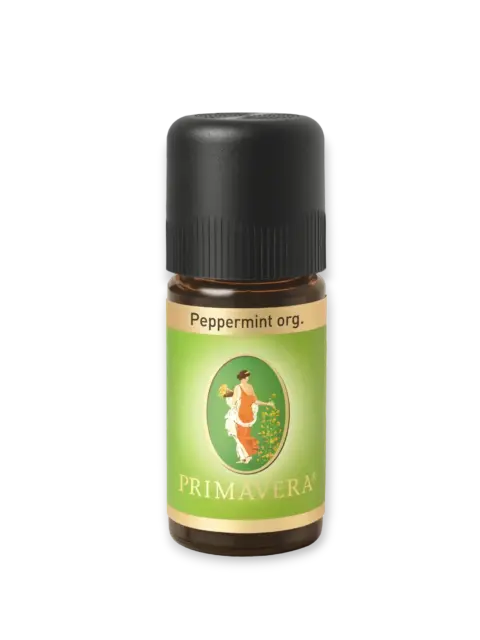
Of course, aromatherapy is not a substitute for medical treatment of migraine, but it can have a supportive and relieving effect. In studies, peppermint essential oil has shown great success with its cooling effect. The first thing recommended to all migraine sufferers is a cool compress with peppermint. The compress is recommended because the cold has a sedative effect and is therefore very useful for relieving migraine headaches.
Cold compress with mint water
- 1 tbsp mint water
- 1 liter of cold water
Add the mint water to the cold water. Soak a cotton cloth and place it on your forehead and/or neck.
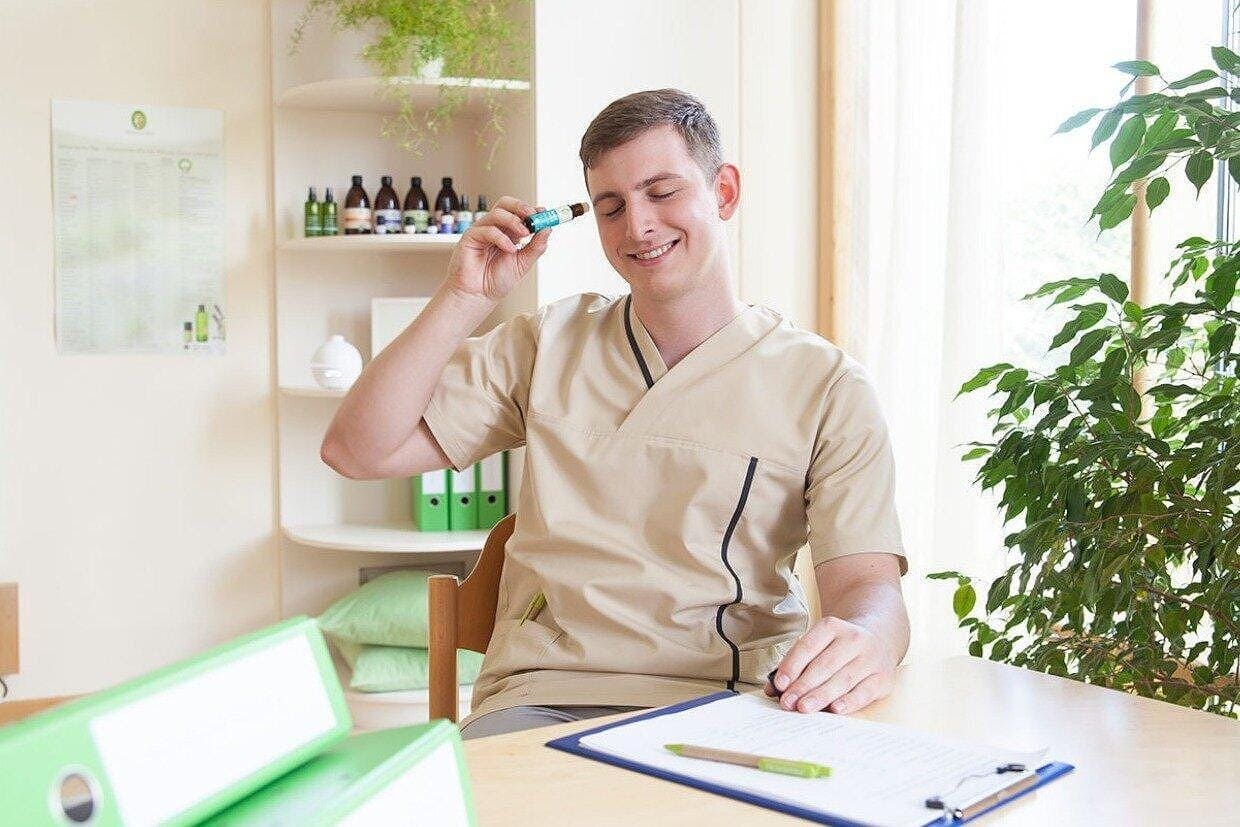
Alternatively, you can use Aroma Roll-on Head Comfort, Fresh Consciousness 10 ml Primavera or make your own cooling massage mixture:
Cooling massage for migraines
Mix and massage your neck and temples. Be careful not to get the mixture in your eyes! To maximize the effects of mint, it is recommended to drink a cup of mint tea two to three times a day.
Rubbing the temple or massaging the ears with cold fingers also helps relieve headaches. To do this, wash your hands with cold water so that they cool down enough and then rub the muscles in the direction of the center of the eyebrows. Repeat the process several times.
To massage the ears, wash your hands with cold water so that they become cold, and then place both index fingers in each ear canal. Gently massage the ear canal in circular motions.
For more severe migraine attacks that are accompanied by nausea and vomiting, peppermint essential oil can help again. For example, you can use an aroma inhaler by adding 1 drop of peppermint and inhaling deeply. Lemon or ginger essential oil are also suitable.
Drinking more fluids also helps.

It sounds trivial, but drinking plenty of 2 to 3 liters a day (water or tea if possible) can prevent migraines. Why? The liquid helps flush harmful toxins from the body, accelerates the healing process from inflammation and improves nutrient delivery.
Reduce stress
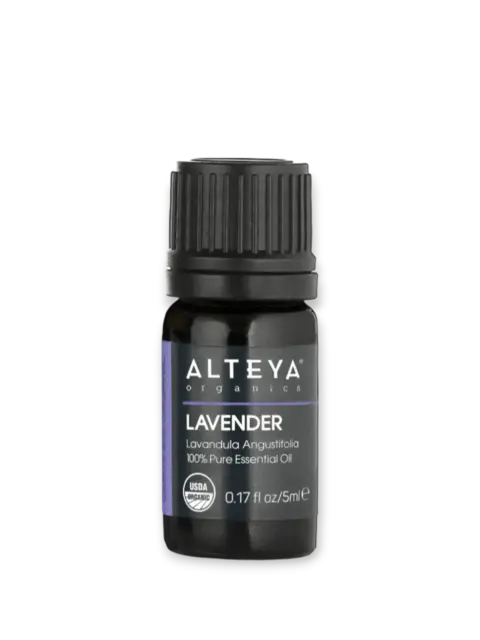
When it comes to reducing stress, aromatherapy again comes in handy. Essential oils such as Roman chamomile, lavender, and oregano have been shown to be effective calming aids. For example, steam inhalation with essential oils of lavender and Roman chamomile can soften the onset of an attack.
Inhalation against migraine
- 1 tbsp cream or sea salt
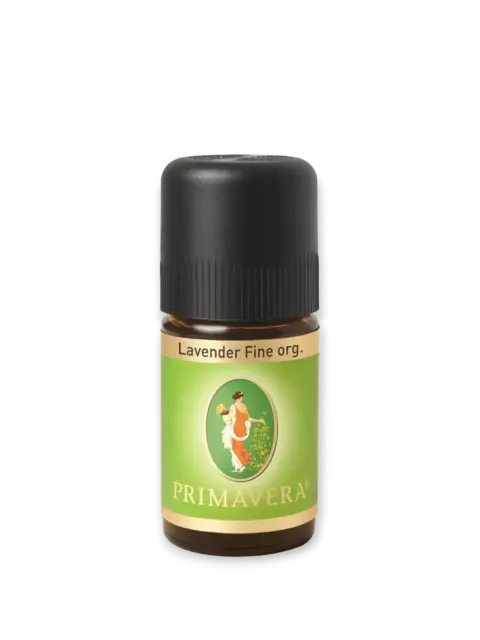
- 3 drops of fine lavender
- 1 drop Roman chamomile
Add the essential oils to the cream or salt. Pour the mixture into 1 liter of hot, but not boiling, water. With a towel over your head, inhale the vapors over the bowl.
Yoga and meditation can also help reduce stress. Products from the Yoga Flow series provide aromatic support in times of tension and stress.
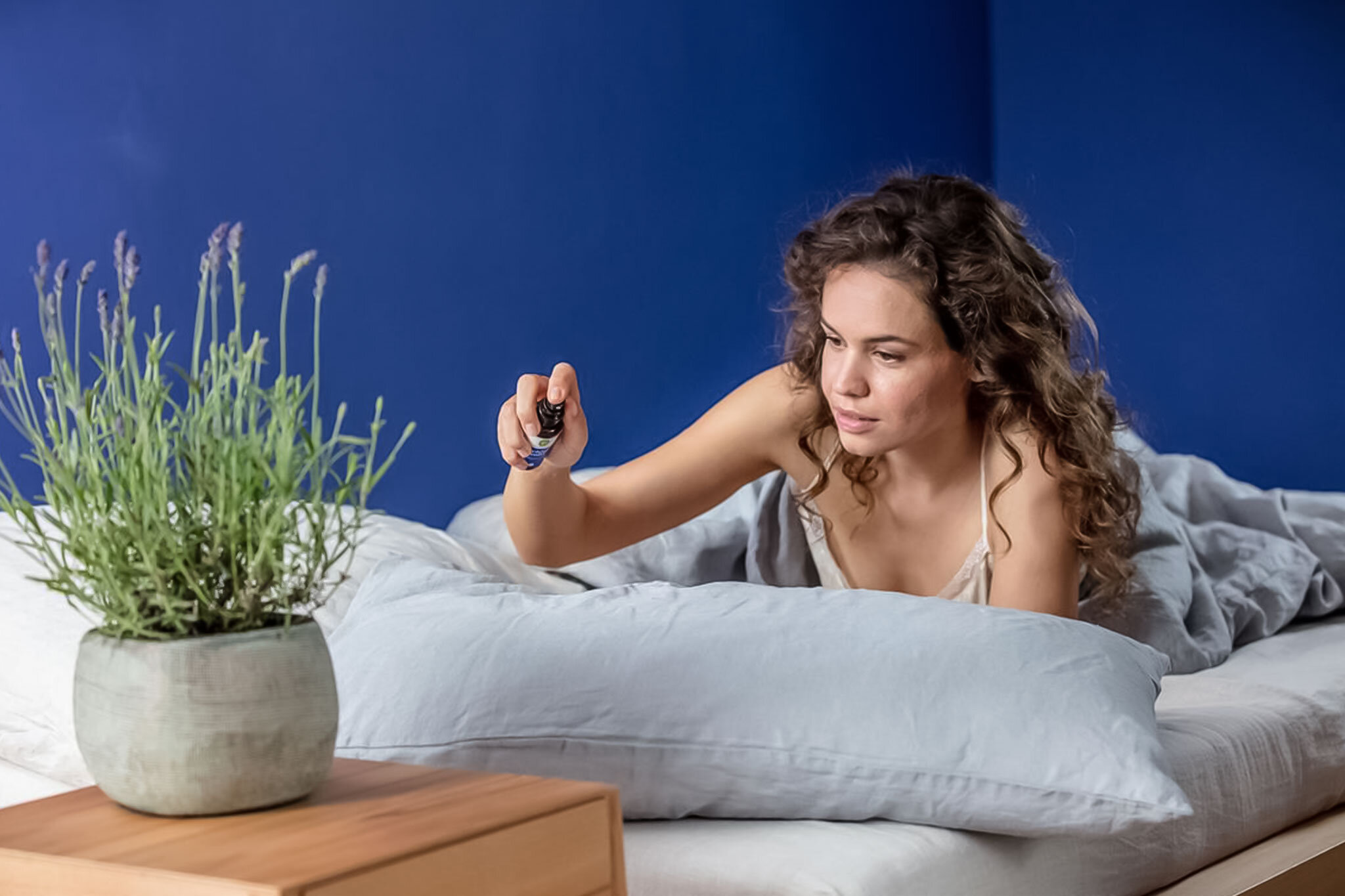
Last but not least, good, healthy sleep contributes to peace of mind. Here we recommend the Sleep Comfort sleep series . It offers countless options for individual application, whether as a balm for rubbing on the chest, for scenting a room with an aroma blend or as a pillow spray.
Massages for pain relief
Massages have a positive effect on the autonomic nervous system. They block the transmission of pain signals to the brain, increase serotonin activity and stimulate certain serotonin receptors. This can reduce both the symptoms and the frequency of migraine attacks.
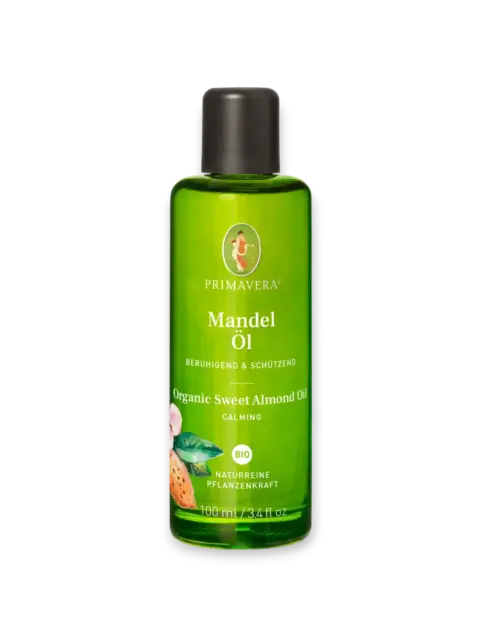
In particular, massaging the back of the head (the nape area), the center of the forehead, between the eyebrows, around the ears and at the temples will help relieve pain. For the massage, simply warm up a little almond or sesame oil and massage the indicated areas in circular motions. Here you can also apply a massage with a soothing oil from the Aroma Care line – Primavera Soothing Massage Oil.
Even great thinkers get headaches...
Although it is a very small comfort to sufferers, we would not like to close this painful topic without mentioning a few famous "victims" of migraine. Among the famous people with migraines, there are a staggering number who have achieved extraordinary things: created works or shaped our lives today as we know them. Albert Einstein, Otto von Bismarck, Marie Curie, Wilhelm Busch, Sigmund Freud and Tolstoy.
With that in mind, we wish all migraine sufferers a speedy recovery.
Conclusion
Aromatherapy does not replace medical treatment for migraines, but cooling compresses, gentle massages, and inhalations with appropriate essential oils can relieve symptoms and support rest during an attack.
More interesting articles from the blog
- Essential oils for restful sleep
- Mental health with essential oils
- Calming the mind and body with aromatherapy
- How to use essential oils safely
- Panic attacks – essential oils for calming
Categories
- Aromatherapy
- Essential oils
- Carrier oils
- Diffusion methods
- Natural cosmetics
- Recipes with essential oils
- News

The information in this article is for educational purposes only and is not intended to serve as a basis for treatment! Like medications, essential oils should be treated with respect. It is important to seek professional advice and carefully follow the instructions on the packaging of the products you purchase. Carefully following the instructions reduces the risk of compromising your health.
Ð ~ Ð · Ñ, Ð ¾ Ñ ‡ Ð ½ Ð ¸ Ð º: https://www.primaveralife.com/wissen/aromapflege/news/aromapflege-fuer-migraene-geplagte
Photos: Primavera Life
Price range: €9.90 through €13.90Options This product has multiple variants. The options may be chosen on the product page
4.90 €Add to cart
Price range: €4.95 through €31.30Options This product has multiple variants. The options may be chosen on the product page
Price range: €9.90 through €15.90Options This product has multiple variants. The options may be chosen on the product page
11.90 €Add to cart