
Recipes for cleaning and disinfecting the home with essential oils
Using essential oils as an ingredient in homemade home cleaners and disinfectants is a great way to maintain cleanliness with natural ingredients in cleaning products. The products distributed in commercial networks are often full of chemicals that we would not want to be present in our home. Of course, we all want to eliminate harmful bacteria and germs, but without harming ourselves and those around us. A clean home without toxins, without dangerous substances for nature! Essential oils have been found to disinfect, kill mold, remove mold and prevent bacterial growth. In addition, they smell great, aromatize the rooms for a long time and do not harm the environment.
Given the wide variety of essential oils from different brands that we offer at MAKASA, you have a wide choice and options! Fortunately, the basic essential oils suitable for cleaning and disinfecting are often part of many starter kits.
If you have a collection of oils at home, we will help you navigate more easily which ones are suitable for making homemade cleaning products. If this is your first time touching the magic of essential oils, then this article is also suitable for you. We will find out which oils to use and how to make your first recipes for homemade cleaning products with essential oils.
According to an article published in TIMES, our home is a small ecosystem of bacterial life. It contains at least several billion bacteria, fungi and viruses. “Some of them are harmless and some of them are beneficial.” In fact, essential oils have the ability to kill harmful bacteria and not harm the bacteria we need.
The advantages of using essential oils to clean and disinfect the home are that they destroy the presence of harmful bacteria, fungi and viruses without harming the environment. Essential oils from the citrus family help break down grease and dirt. Plus they smell amazing!
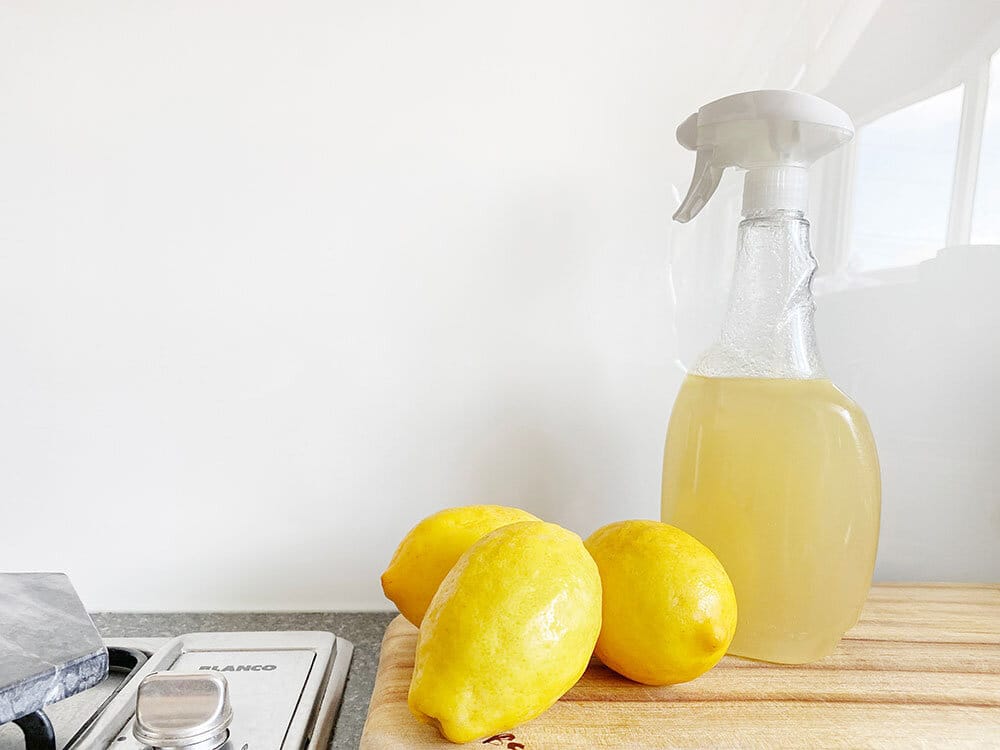
Let's enjoy the wonderful natural aromas that will envelop our home!
What do we need before we start cleaning and disinfecting our home?
Before we begin, it's a good idea to stock up on some necessary products. Here's a short list:
- Glass spray bottle. Dark amber glass is best, as it is important to store essential oils in the dark for their longevity. We do not recommend mixing household products in plastic bottles.
- Ceramic mixing and storage vessel. Or another non-plastic container with a good and secure cap closure.
- Baking soda.
- Oxygenated water.
- Alcohol, minimum 70%.
- Unscented castile soap.
- Apple cider vinegar.
- Distilled or boiled water.
- Soft cotton towels.
- Suitable cleaning brushes. Emphasize natural materials, for example with wooden brushes with coconut fibers.
If you wish to use any of the oils below as an aroma spray, we recommend adding 3-5 drops to a minimum of 30ml of distilled or boiled water. The recipes are designed for approximately 475 ml of liquid, so you can mix the preparation in a larger bottle and then transfer it to a smaller one with an atomizer.
The recipes we provide below include additional ingredients for more cleansing power, but most of these essential oils work well on their own. Use distilled or boiled water to ensure that you are not "cleansing" with toxins or other harmful waste that may be present in tap water.
A few useful tips
- Add the essential oil last, after first mixing the rest of the products in the spray bottle.
- Before using the resulting mixture, shake the bottle well, as essential oils do not dissolve in water, but acid and alcohol bases act as solvents.
- Store the finished products in dark bottles. Best in a glass bottle or jar with a cap that closes tightly. Write on a label what ingredients you added and when. Note that the shelf life is a maximum of 6 months. Otherwise, the oil can oxidize and have the exact opposite effect.
Now that we are prepared with the necessary ingredients, let's get down to the fun part.
7 of the best essential oils for cleaning and disinfecting your home
Choosing which oil to use for cleansing also depends on your preference for scents. All of the oils on this list have antibacterial properties, some have antifungal properties, some have both. The list below explains the qualities of each essential oil, why it is suitable for cleaning, and how you can quickly prepare the recipe.
1. Tea tree
Tea tree ( Melaleuca alternifolia ) is logically our first choice for a cleaning essential oil. Strongly antibacterial and antifungal, capable of fighting bacteria, viruses, germs and harmful insects. It can also clean and prevent the appearance of mold and mildew in the home. If you have an area that smells unpleasant – the bathroom, the kitchen, the laundry room – you must have this oil! This homemade remedy is great for disinfecting the bathroom, trash cans, under the sink or the floor.
Universal household cleaner and disinfectant
- Spray bottle 475 ml
- 1 hour cup of apple cider vinegar
- 1 hour a glass of boiled/distilled water
- 25 drops tea tree essential oil
Fill the ingredients into a spray bottle. Shake well before each use. You can add or replace with eucalyptus, peppermint oils.
2. Lemon
Lemon essential oil ( Citrus limon ) gives us that fresh citrus scent. If you start using the oil often, you will immediately notice the unpleasant artificial, synthetic scents and they will quickly become extremely unpleasant. One of our favorite cleaning oils! It effectively fights bacteria and fungi, has a brightening effect on surfaces and smells amazing. Citrus oils have the ability to effectively remove even stubborn greasy areas (for example, around the extractor hood and kitchen countertops).
The oil is a strong antimicrobial agent and effectively removes dirt from the home. You can also use it as a universal spray for cleaning the kitchen or bathroom.
Cleansing gel paste with lemon
- 1 hour cup of baking soda
- ¼ cup unscented castile soap
- 30 drops lemon essential oil
Mix the ingredients in a ceramic bowl until a thick paste is formed. Use on countertops, to clean ovens, kitchen sinks (but not on bathroom ceramics as they can be scratched) and stubborn dirt. After use, rinse and wipe with warm water.
You can substitute with: lemongrass, lime or grapefruit
3. Lavender
Lavender ( Lavandula officinalis ) is one of the most versatile oils. It smells amazing and has calming and balancing properties. Enjoy the scent while you clean your home. Lavender has antifungal, antibacterial, and antimicrobial properties. It helps eliminate mold and mildew and prevents the regrowth of bacteria and fungi. We think this is a super versatile oil that every home should have on hand. You can also use the calming properties of lavender oil as a bedroom spray for restful sleep and a light, unobtrusive floral scent.
Disinfectant spray with lavender
- Glass bottle 120 ml
- 50 ml of distilled water
- 2 tablespoons of alcohol 70% or more
- 30 drops lavender essential oil
Mix the ingredients in the bottle and shake well before each use. Spray on shoes, doormat, bedroom mattress, inside pillows, laundry basket. Can be substituted with rosemary.
4. Orange
Orange oil helps break down grease and grime build-up on the sink, countertops, and even the tub. Fantastic ceramic cleaning oil. Like lemon, orange oil fights bacteria and fungi. In fact, all citrus oils do. Orange oil lightens and brightens surfaces and has a pleasant, clean smell. You can use both types – sweet or wild orange.
Degreaser with orange essential oil
- Spray bottle 475 ml
- 2 hours glasses of distilled/boiled water
- 30 drops orange essential oil
- 20 drops grapefruit essential oil
Fill the spray bottle with water and add essential oils. Shake well before use. Substitute oils: lemon, lime, lemongrass
5. Mint
Peppermint is a strong essential oil. Its antibacterial properties fight germs and pests in the home. It is also a great insect repellent (ticks, mosquitoes, spiders, ants and cockroaches). Enjoy it because it works wonders if you suffer from headaches and general malaise. Add 10-15 drops to a spray bottle and spray in the corners and crevices of the room where insects tend to congregate.
Cleaner for glass surfaces, windows and mirrors
- Glass bottle 475 ml
- 1,5 cups of distilled water
- 1 tbsp. spoon of apple cider vinegar
- 1 tbsp. spoon alcohol 70% or more
- 25 drops peppermint essential oil
Mix all the ingredients and add the essential oil. Shake well before use. For best results when cleaning windows, use the old tried recipe of wiping them with newspaper/paper.
6. Eucalyptus
Eucalyptus not only has antiseptic and antimicrobial properties, it also has anti-inflammatory properties. Used at home, it can actually help prevent seasonal allergies. It is also powerful in fighting mold and mildew. Studies show that eucalyptus also fights bacteria that cause flu, pneumonia, staph and strep.
Eucalyptus is a great all-purpose cleaner, especially against mold, against allergies and repels various pests.
Anti-mold cleaning paste
- 1/2 hour cup of baking soda
- 1/3 hour cup of castile soap
- 1/4 hour a glass of oxygenated water
- 3/4 cup distilled water
- 30 drops eucalyptus essential oil
Mix the ingredients in a bowl and add the eucalyptus essential oil. Apply to a clean toilet brush, shower or other dirty surfaces, joints and cracks in the bathroom. Rub the mixture well and let it sit for about 20 minutes. Rinse thoroughly with water.
7. Bor
It's no coincidence that pine is a common ingredient in many household cleaners. It's great against germs like yeast spores and even Escherichia coli . It also acts as a purifier against mold and mildew. Many people prefer the scent of pine over lemon.
Pine oil is suitable for cleaning the home from bacteria, fungi, pathogens and yeast. It also helps against unpleasant odors and is a wonderful air freshener. Use it on large surfaces such as walls and floors.
Similar oils: cypress, cedarwood, bergamot, sandalwood
Universal surface cleaner
- Spray bottle 475 ml
- 1 hour a glass of distilled water
- 1 hour cup of apple cider vinegar
- 10 drops tea tree essential oil
- 10 drops white pine essential oil
Combine the ingredients in a spray bottle and shake well. Spray lightly on affected areas such as dirty doors and wipe with a clean, damp sponge. Rinse with water and dry.
A few more favorite combinations that you can also use for a scented spray at home
- Bergamot, lemon, mint.
- Rosemary, lemon, vanilla.
- Basil, lemon, lime.
- Lime, lavender.
- Lavender, rosemary, eucalyptus.
- Eucalyptus, mint, tea tree.
- Geranium, sandalwood and tangerine.
- Vanilla, lavender.
- Vanilla, mint.
- Cinnamon, clove, orange.
If you don't want to spend your time preparing a homemade product, you can always trust Greenatural products , our family only uses them at home!
Precautions when cleaning and disinfecting the home
Always keep household cleaners out of reach of children. Store in a dark, cool, and dry place. Wear gloves to avoid any possible irritation to your hands. It is imperative that the mixtures you have prepared are well sealed and labeled so you know when and what exactly you have mixed.
We do not recommend using an essential oil preparation after the 5th month. If this happens, throw it away and make a new one. The shelf life of the oils is no more than 6 months, if stored properly.
If you are pregnant, we do not recommend using essential oils. You can emphasize mixtures with castile soap and those with soda and apple cider vinegar, alcohol and lemon.
Please note that you should use the preparations carefully around pets; even small amounts can be toxic to the body of our furry friends. A fragrance that smells mild to us can be quite strong for pets and affect their organs and mucous membranes (in some cases it can even cause liver disease). If the essential oil touches your pet's skin, it can cause irritation.
Also, keep the preparations away from curious pets who may want to lick the bottle; ingestion can be extremely harmful to pets. Remember, consult your vet if you notice any discomfort!
All essential and base oils described in this article can be found in the organic store MAKASA, in the city of Burgas, 22 Aleko Bogoridi Blvd.
It is important to store essential oils in a dark and dry place to avoid their oxidation. Do not use essential oils if you suffer from epilepsy, if you are pregnant or breastfeeding, on children under 6 years of age and people with individual intolerance to the oil. We recommend that you consult a qualified aromatherapy practitioner before using oils on children, the elderly, or if you have a medical condition or are taking medication.
More interesting articles from the blog
- "CITRUS FRESH" Surface Cleaner
- Fresh Kick refreshing spray for fatigue
- Refreshing lemongrass foot spray
- Spring cleaning and detox for home and body
- Tea tree essential oil – uses and benefits
Categories
- Aromatherapy
- Essential oils
- Carrier oils
- Diffusion methods
- Natural cosmetics
- Recipes with essential oils
- News
Source: Essential Oil Haven – Cleaning with Essential Oils
Photos: makasa.org, Unsplash, Primavera Life, all rights reserved