
Contents
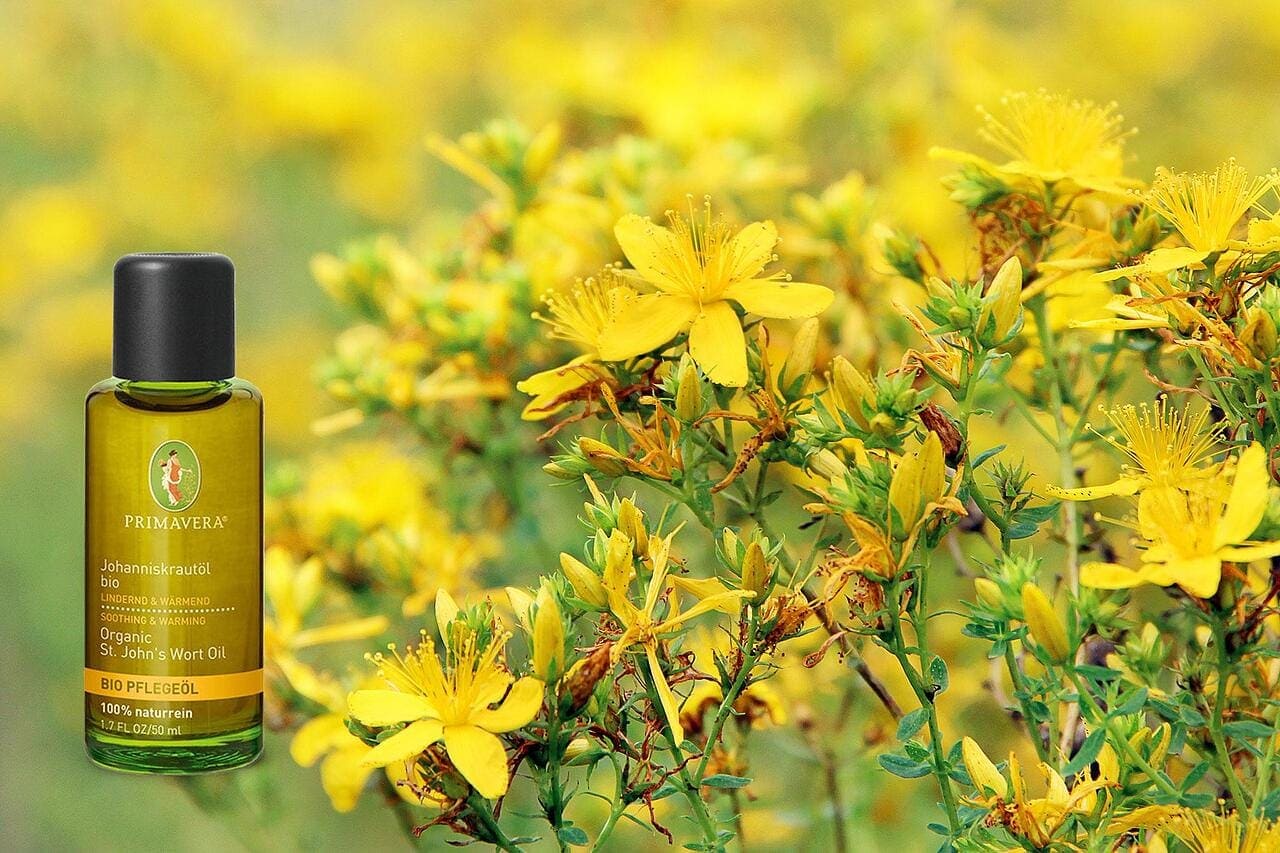
The popular herb St. John's wort has been used for centuries for its incredible healing powers. The chemical components of St. John's wort include a range of antioxidants that may have beneficial effects on the hormonal and physical health of our entire body.
In short
- St. John's wort oil has long been used for mood and skin care.
- It is traditionally associated with anti-inflammatory and wound healing applications.
- Be careful with photosensitivity and possible drug interactions.

Harvest
From mid-June to early September

Part of the plant
The flowers

Extraction method
Essential oil: steam distillation, Base oil: maceration (oil extract)
St. John's wort base oil , as well as St. John's wort essential oil , have diverse and very beneficial properties for our health. They have anti-inflammatory, antimicrobial, wound healing and muscle tension-relieving effects. They tone the nervous system, have a pronounced hemostatic effect, strengthen the heart, slightly lower blood pressure and have a diuretic effect.
The herb St. John's wort is collected around Midsummer's Day (June 24). In many Western countries it is called "St. John's Wort" or John's blood, because when broken it exudes a reddish-orange sap. According to an old legend, St. John's wort sprouted at the site of the beheading of John the Baptist. The devil, seeing what was happening, pierced the leaves, frightened by the healing benefits of St. John's wort. In Bulgaria, St. John's wort is also known by the name of healing bell.
St. John's wort is an extremely popular herb as an herbal remedy for many health problems. Most of its health benefits have been verified by the scientific community, which is why the herb is used in the production of medicinal preparations and dietary supplements.
St. John's wort is rich in essential oils and contains substances that are very soothing and healing. The tannins contained in it are a natural antibiotic that fights inflammatory processes. Flavonoids contribute to the normalization of intestinal motility - they strengthen the walls of blood vessels, cleanse the bile ducts and stimulate digestion.
The vitamins contained in it, as well as the ingredient geraniol, act as immunostimulants. Vitamins of group B and hypericin stimulate recovery processes, and alkaloids have a beneficial effect on the nervous system.
St. John's wort is a flowering plant in the genus Hypericum , which has the botanical name Hypericum perforatum . It is distributed throughout Europe. In this article, we will look at the uses and benefits of St. John's wort essential oil, as well as the application of St. John's wort carrier oil to the skin.
Antidepressant action
Perhaps the most well-known effect of St. John's wort is its antidepressant properties. It is widely used to relieve symptoms of depression. St. John's wort contains a number of antidepressant chemicals that inhibit or delay the reuptake of certain neurotransmitters such as serotonin, dopamine, and norepinephrine. For its antidepressant effects, St. John's wort can be prepared as a tea from the dried herb or by diffusing the essential oil. The goal is to get the chemical components into the bloodstream.
Relieves anxiety
The health benefits of St. John's wort extend beyond depression, as it also helps people suffering from anxiety and mood swings. St. John's wort helps regulate hormonal balance in the body. The herb is able to restore metabolism and the internal clock, providing relief from insomnia, irritability and chronic fatigue. Diffuse St. John's wort essential oil or give your feet a relaxing massage with St. John's wort base oil.
Restores hormonal balance
As we already know about the antidepressant effects of St. John's wort, the active ingredients also have a strong impact on hormonal regulation in the body. Hypothyroidism is one of the most common thyroid diseases and this herb has been shown to reduce its symptoms and help the thyroid gland release normal levels of hormones again.
Anti-inflammatory agent
The soothing properties of St. John's wort oil and its rich concentration of antioxidant and anti-inflammatory compounds make it perfect for relieving pain from arthritis, gout, joint discomfort, and muscle aches. Just as it helps relieve inflammation on the skin, St. John's wort reduces inflammation in the cardiovascular system, thereby helping to lower blood pressure and reduce stress on the heart.
Skin care
If you use St. John's wort topically in the form of an ointment or tincture, it can speed up the healing process of burns, bruises, and abrasions by stimulating the circulation of oxygenated blood to damaged skin cells.
Topical use of St. John's wort has been shown to increase skin elasticity and hydration, reduce inflammation, and relieve pain caused by common ailments. In topical form, as an oil, St. John's wort can speed up the healing process of burns, bruises, and scars, as the oil aids in the repair process of skin cells and stimulates the circulation of oxygenated blood to damaged cells.
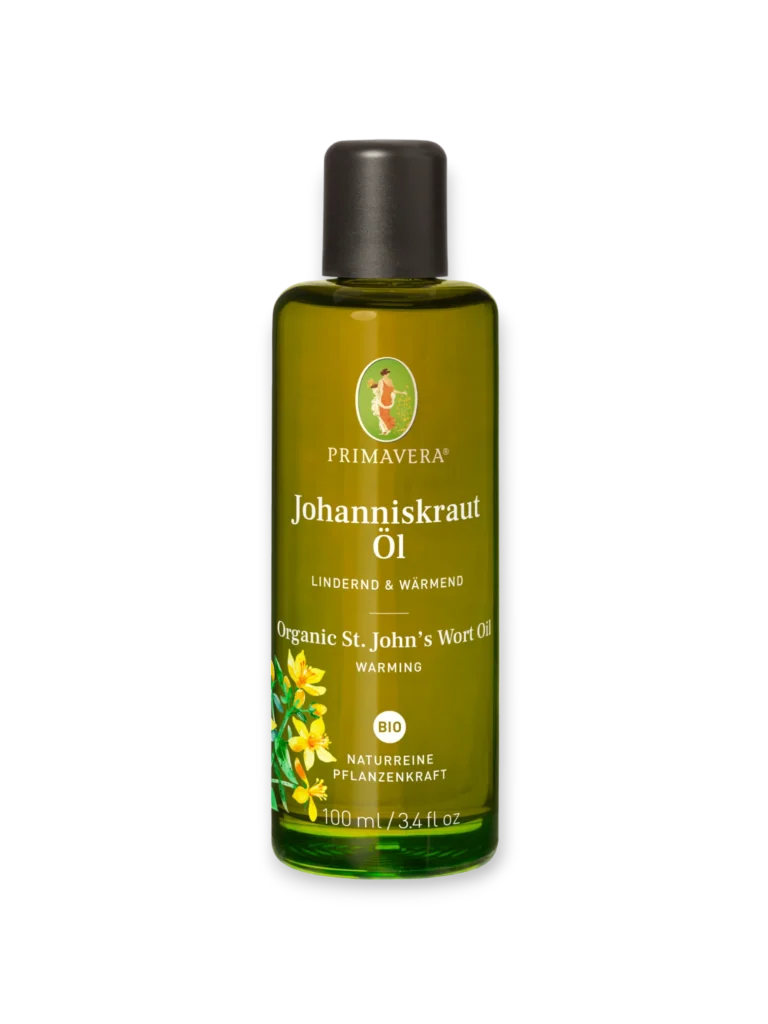
St. John's wort oil promotes anti-inflammatory and antimicrobial effects in our bodies. The chemical component hypericin, contained in St. John's wort, contributes to the reddish color of the oil and has a mild antidepressant effect. Another component - hyperforin, contributes to the antimicrobial and wound healing effect. In combination with light, hyperforin inhibits viruses and other pathogens.
Rich in antioxidants, St. John's wort oil can also help relieve pain from arthritis, muscle aches, and other joint ailments. Daily use of St. John's wort oil will help heal, tighten and moisturize your skin.
Wound healing action
- The many active substances in the oil accelerate the healing of wounds and have an anti-inflammatory effect.
- Hypericin, which is actually the pigment of the flowers, counteracts bacterial inflammation.
- Polyphenols have antioxidant and anti-inflammatory effects.
- The enzyme hyperforin accelerates the formation of new blood vessels, has an anti-inflammatory effect and supports wound healing.
- The tannins contained in the flowers have an astringent effect and also help heal wounds.
- Certain active ingredients in the oil stimulate the formation of keratinocytes, which can lead to accelerated repair of damaged skin cells.
Since St. John's wort oil has many properties on irritated and damaged skin, it is ideal for treating dryness, eczema and skin abrasions. In case of neurodermatitis or psoriasis, the active ingredients in the oil soothe and relieve itching.
Precautions and contraindications
The substance hypericin contained in the oil is not only effective against bacteria, but also sensitizes the skin to UV light. Studies have shown that light sensitivity occurs only at very highly concentrated amounts.
There is a misconception that St. John's wort oil is not safe when exposed to sunlight. However, this warning only applies to St. John's wort products for internal use, not for applying the products to the skin. "Since the introduction of St. John's wort oil to PRIMAVERA, there have been no complaints or feedback from customers reporting increased photosensitivity of their skin. Therefore, we consider the external use of St. John's wort oil to be safe," explains Linda Schaar, Product Manager at PRIMAVERA. The use of the oil for skin care is therefore safe even in sunlight.
It is recommended to avoid exposure to direct sunlight when taking St. John's wort internally (oral). Taking St. John's wort may cause interactions with various medications. Taking St. John's wort in any form with other antidepressants is not recommended. Pregnant women, nursing mothers, children, and adolescents should also not take St. John's wort.
Recipes with St. John's wort oil


Application: Drop the essential oil into St. John's wort oil and mix well. It is best to apply to strained muscles after sports and massage.
Comfort and Grounding Body Oil
- 50 ml organic St. John's wort oil
- 5 drops cedar
- 3 drops neroli 10%
- 1 drop vanilla extract
Application: Drop the essential oils into St. John's wort oil and mix well. Apply to damp skin after showering.
Frequently Asked Questions
What is the difference between St. John's wort base and essential oil?
The base oil (macerate) is a vegetable oil, to extract the flowers are soaked in a base oil. The essential oil is highly concentrated and is only used highly diluted.
What is St. John's wort oil used for?
In aromatherapy and skin care, it is associated with mood, comfort, and recovery. It is not a substitute for medical attention for depression or hormonal problems.
Does St. John's wort have any contraindications?
May interact with medications and increase sun sensitivity. See precautions section; in pregnancy, children and therapy; always consult a specialist.
More interesting articles from the blog
- Calendula oil – benefits and uses
- Cocoa butter – skin benefits
- Hemp oil – an elixir for the skin
- Aloe vera – benefits and properties for beauty and health
- Jojoba oil – benefits and uses for skin and hair
Categories
- Aromatherapy
- Essential oils
- Carrier oils
- Diffusion methods
- Natural cosmetics
- Recipes with essential oils
- News
Conclusion

The information in this article is for educational purposes only and is not intended to serve as a basis for prevention or treatment.
Sources:
- https://www.primaveralife.com/wissen/pflanzenglossar/johanniskraut
- https://www.bmj.com/content/313/7052/253.short
- https://www.liebertpub.com/doi/abs/10.1089/acm.2009.0066
- https://link.springer.com/article/10.2165/00023210-200317080-00001
- https://jpet.aspetjournals.org/content/307/1/254.short
- https://www.tandfonline.com/doi/abs/10.1517/17425255.2012.680886
- https://www.frontiersin.org/articles/10.3389/fmicb.2017.01639/full
Written and translated by: Kremena Petrova.
Photos: Adobe Stock, Primavera Life, all rights reserved
10.90 €Add to cart
16.90 €Add to cart
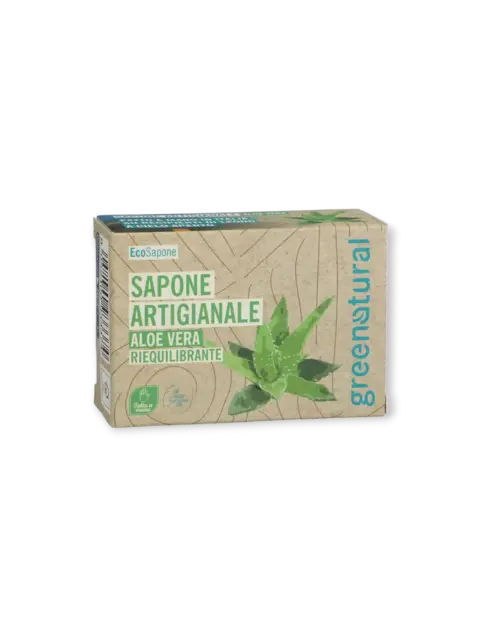
4.85 €Add to cart
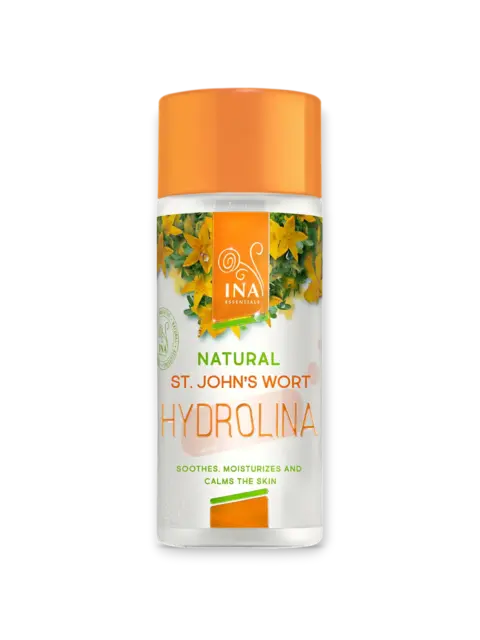
7.00 €Add to cart
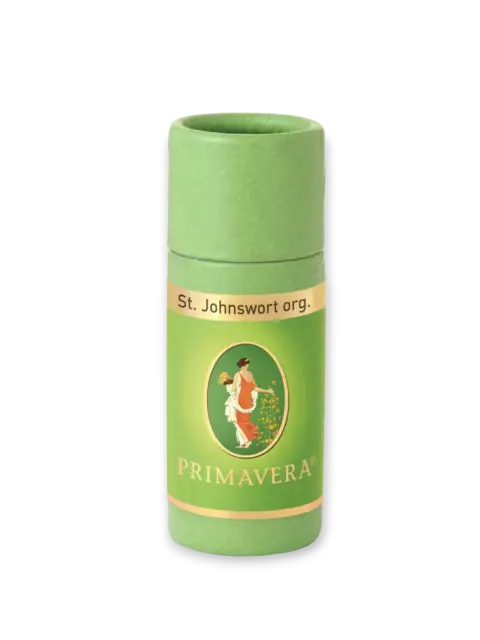
15.93 €Add to cart
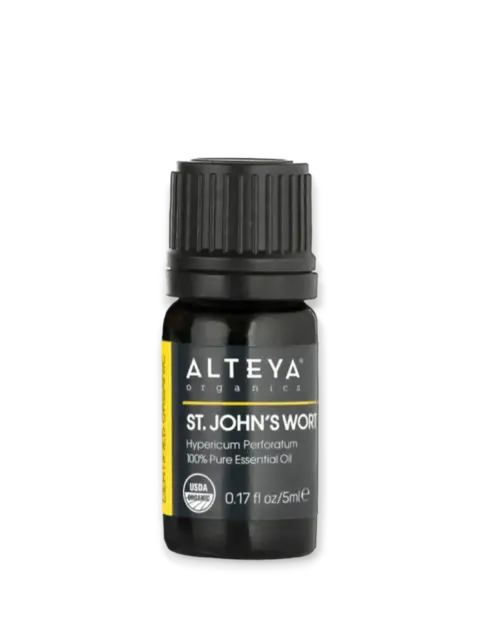
19.95 €Add to cart

15.00 €Add to cart


